Content Menu
● Understanding the 30 Ft Scaffolding Ladder
>> Typical Features of a 30 Ft Scaffolding Ladder Package
>> Stability Concerns
>> Safety Risks
● Solutions for Using a 30 Ft Scaffolding Ladder on Uneven Ground
>> 1. Use of Screw Jacks and Leveling Devices
>> 2. Employ Outriggers for Extra Stability
>> 3. Build a Stable Base
>> 4. Use Ladder Levelers or Adjustable Feet
>> 5. Avoid Overreaching and Follow Proper Angle Guidelines
>> How to Safely Use a Scaffold Ladder on Uneven Ground
>> Ladder Safety Tips for Uneven Terrain
● OSHA Guidelines for Scaffolding Ladder Use
● Summary: Can You Use a 30 Ft Scaffolding Ladder on Uneven Ground?
● Conclusion
● FAQ
>> 1. Can a 30 ft scaffolding ladder be used on sloped or rocky ground?
>> 2. What equipment helps stabilize a scaffolding ladder on uneven terrain?
>> 3. How much unevenness can a 30 ft scaffold tower's leveling jacks compensate for?
>> 4. Are outriggers mandatory for a 30 ft scaffolding ladder?
>> 5. What OSHA rules apply to using scaffolding ladders at height?
● Citations:
Using a scaffolding ladder 30 ft high is common in construction and maintenance tasks that require access to elevated work areas. However, working safely on uneven ground presents unique challenges. This article explores whether a 30 ft scaffolding ladder can be safely used on uneven terrain, the risks involved, and practical solutions to ensure stability and safety.
Understanding the 30 Ft Scaffolding Ladder
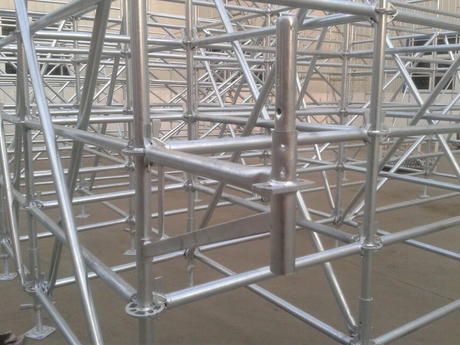
A scaffolding ladder 30 ft is typically part of a scaffold tower or a standalone ladder system designed to provide safe vertical access. For example, a 30-foot stationary scaffold tower package often includes ladder frames, aluminum planks, guardrails, and leveling jacks to create a secure platform at height[1][4].
Typical Features of a 30 Ft Scaffolding Ladder Package
- Made from heavy-duty steel or aluminum for strength and durability.
- Includes leveling jacks (screw jacks) to adjust for minor ground irregularities.
- Equipped with outriggers for lateral stability.
- Guardrails and locking planks for worker safety.
- Designed to comply with OSHA and ANSI safety standards.
Stability Concerns
The primary concern when using any tall scaffolding ladder on uneven ground is stability. Uneven terrain can cause:
- Unequal load distribution on scaffold legs.
- Increased risk of tipping or swaying.
- Difficulty in securing the scaffold base firmly.
Safety Risks
- Falls from height due to scaffold movement or collapse.
- Ladder slippage or sinking into soft ground.
- Difficulty in maintaining proper ladder angle and footing.
According to OSHA, scaffolding legs must be on a firm, level foundation capable of supporting the load without displacement[7]. Using a scaffolding ladder 30 ft on uneven or soft ground without proper adjustments violates these safety requirements.
Solutions for Using a 30 Ft Scaffolding Ladder on Uneven Ground
1. Use of Screw Jacks and Leveling Devices
Most professional 30 ft scaffold towers include screw jacks or leveling jacks that allow for vertical adjustment of each leg to accommodate minor unevenness (up to several inches)[1][4]. These devices help level the scaffold base and maintain stability.
2. Employ Outriggers for Extra Stability
Outriggers extend the base width of the scaffold, reducing the height-to-base ratio and increasing lateral stability[1][8]. They are critical when working at heights like 30 ft, especially on uneven ground.
3. Build a Stable Base
For significantly uneven or soft ground, create a stable foundation by:
- Leveling the ground manually (digging or filling soil).
- Placing plywood sheets, scaffold boards, or ladder mats under the scaffold legs to distribute weight and prevent sinking[6][9].
- Using base plates or mud sills to spread the load.
4. Use Ladder Levelers or Adjustable Feet
If using a standalone scaffolding ladder 30 ft, ladder levelers or adjustable feet can be attached to the legs to compensate for height differences on uneven terrain[6][9].
5. Avoid Overreaching and Follow Proper Angle Guidelines
Ensure the ladder or scaffold is set up at a safe angle (typically 75-80 degrees from vertical)[10]. Overreaching or improper angles increase the risk of falls.
How to Safely Use a Scaffold Ladder on Uneven Ground
This video demonstrates step-by-step how to set up a scaffold ladder, including a 30 ft tower, on uneven terrain using leveling jacks and outriggers.
Ladder Safety Tips for Uneven Terrain
A guide on using ladder levelers and stabilizers to safely work on slopes and uneven surfaces.
OSHA Guidelines for Scaffolding Ladder Use
- Ladders used to access scaffolds must extend at least 3 feet above the landing surface[7].
- Scaffold legs must be plumb, braced, and secured to prevent displacement.
- Platforms must be fully planked and guardrails installed at heights over 10 ft.
- Scaffold bases must be on firm, level ground or supported by base plates or mud sills.
- Cross braces are not to be used as ladders or access points.
Failure to follow these guidelines when using a scaffolding ladder 30 ft can lead to OSHA citations and, more importantly, serious injury.
Summary: Can You Use a 30 Ft Scaffolding Ladder on Uneven Ground?
Yes, but only with proper precautions and equipment. A scaffolding ladder 30 ft can be safely used on uneven ground if:
- The scaffold is equipped with screw jacks or leveling devices.
- Outriggers are installed to widen the base.
- A stable, level base is created using mats, plywood, or mud sills.
- The ladder angle and setup comply with safety standards.
- Regular inspections and safety checks are performed.
Without these measures, using a tall scaffolding ladder on uneven ground is unsafe and non-compliant with OSHA and industry standards.
Conclusion
Using a scaffolding ladder 30 ft on uneven ground is feasible but requires careful planning, proper equipment, and adherence to safety standards. Leveling jacks, outriggers, and a stable base are critical to prevent accidents and ensure a safe working environment. Always follow OSHA guidelines and manufacturer instructions when erecting and using scaffolding ladders. By taking these precautions, workers can safely access elevated areas even on challenging terrain.
FAQ
1. Can a 30 ft scaffolding ladder be used on sloped or rocky ground?
Yes, but it requires leveling jacks, outriggers, and a stable base like plywood or mats to ensure safety and stability[6][9].
2. What equipment helps stabilize a scaffolding ladder on uneven terrain?
Screw jacks (leveling jacks), outriggers, ladder levelers, and base plates or mud sills are essential for stability[1][4][6].
3. How much unevenness can a 30 ft scaffold tower's leveling jacks compensate for?
Typically, screw jacks can adjust for a few inches of unevenness, but large slopes require ground preparation[1][4].
4. Are outriggers mandatory for a 30 ft scaffolding ladder?
While not always mandatory, outriggers are strongly recommended to increase the scaffold's base width and prevent tipping, especially on uneven ground[1][8].
5. What OSHA rules apply to using scaffolding ladders at height?
Ladders must extend 3 feet above the landing, scaffold legs must be level and secured, platforms fully planked with guardrails, and bases firm and level[7].
Citations:
[1] https://scaffoldingrentalandsales.com/30-foot-stationary-scaffold-tower-w-ladder-package/
[2] https://scaffoldexpress.com/products/30-rolling-scaffold-tower
[3] https://www.perfect-climbing.com/scaffold-tower-ladder.html
[4] https://www.usascaffolding.com/product/30-stationary-scaffold-tower-w-ladder-package/
[5] https://industrialladder.com/metaltech-al-q0108-24-easy-set-aluminum-scaffold-tower-w-guardrails-and-outriggers/
[6] https://scaffoldingrentalandsales.com/blog/how-to-work-on-uneven-ground-with-a-ladder/
[7] https://www.safex.us/scaffold-tech-bulletin/
[8] https://www.thescaffoldwarehouse.com/30-Rolling-Scaffold-Tower-p/psv-kr-t30.htm
[9] https://www.laddersukdirect.co.uk/latest-news/post/how-to-use-a-ladder-on-uneven-ground
[10] https://dss.net/guide-to-ladders-and-scaffolding-in-construction/