Content Menu
● What Are Beam Clamps?
● Applications of Beam Clamps in Scaffolding
● Scaffolding Beam Clamp Capacity
>> Load Capacity Specifications
>> Factors Affecting Capacity
● Types of Beam Clamps Used in Scaffolding
● Safety Considerations for Using Beam Clamps in Overhead Lifting
>> Proper Installation and Inspection
>> Avoiding Common Mistakes
● Advantages of Using Beam Clamps for Overhead Lifting in Scaffolding
● How to Choose the Right Beam Clamp for Your Scaffolding Project
● Maintenance and Inspection of Beam Clamps
● Conclusion
● FAQ
>> 1. What is the typical load capacity of scaffolding beam clamps?
>> 2. Can beam clamps be used on any type of beam?
>> 3. Are beam clamps safe for overhead lifting?
>> 4. Do beam clamps require drilling or welding for installation?
>> 5. How often should beam clamps be inspected?
● Citations:
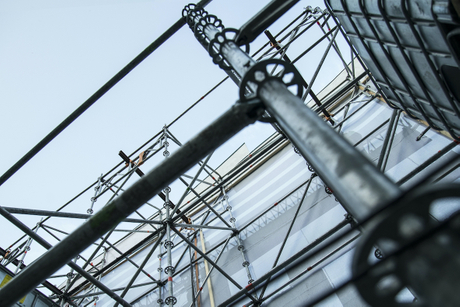
Beam clamps are indispensable in construction and industrial settings, providing secure attachment points on beams for lifting and rigging operations. Their role in scaffolding is critical for safety and efficiency. This comprehensive article explores the use of beam clamps for overhead lifting in scaffolding, focusing on their capacity, safety considerations, types, and best practices. Beam clamps offer a versatile and secure method for attaching scaffolding components to overhead structures, which is crucial when setting up temporary work platforms. The "scaffolding beam clamp capacity" is a key factor in ensuring the safety and stability of these structures.
What Are Beam Clamps?
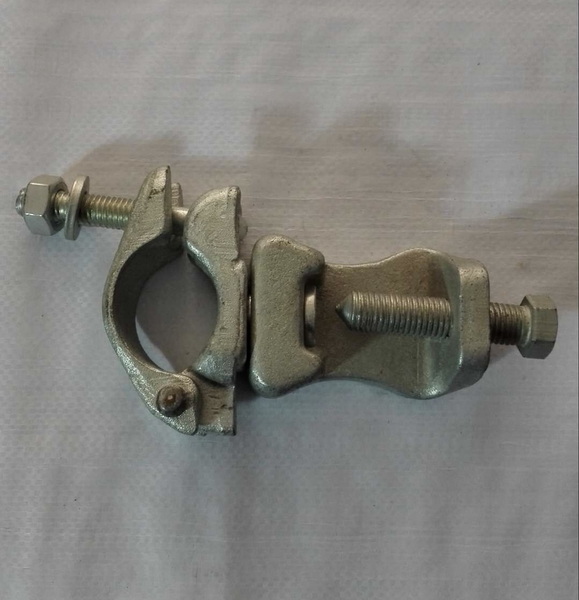
Beam clamps, also known as girder clamps, are devices designed to attach securely to structural beams without the need for drilling or welding. They serve as anchor points for lifting equipment, rigging, and scaffolding components. Typically made from high-strength steel, beam clamps distribute loads evenly across the beam flange, minimizing stress concentrations and potential damage.[1] This design ensures that the integrity of the beam is maintained while providing a reliable connection point. Different types of beam clamps are available to suit various beam sizes and load requirements, making them a flexible choice for many construction and maintenance projects. Understanding the specific "scaffolding beam clamp capacity" for each type is essential for safe usage.
Applications of Beam Clamps in Scaffolding
In scaffolding, beam clamps are used to:
- Secure scaffold components to beams, ensuring structural stability.
- Provide attachment points for overhead lifting equipment.
- Support suspended scaffolds and heavy loads in bridge, highway, and building construction.
- Facilitate quick assembly and disassembly of scaffolding structures.[1][2]
These applications highlight the versatility of beam clamps in creating safe and efficient work environments. Whether it's a simple maintenance task or a complex construction project, beam clamps provide the necessary support and stability for scaffolding systems. The "scaffolding beam clamp capacity" plays a vital role in these applications, determining the maximum load that the scaffold can safely bear.
Scaffolding Beam Clamp Capacity
Load Capacity Specifications
- Scaffold beam clamps typically have a load capacity of at least 30 kN (approximately 6,750 lbs).[2]
- Under a load of 12.5 kN, slippage is minimal, generally less than 6 mm, ensuring safety during lifting.[2]
- According to standards, the uniform load rating can be around 6250 lbs (2834 kg), with slip ratings near 4900 lbs (2222 kg).
- The working load limit (WLL) must always be respected to avoid overloading and potential failure.[3]
These specifications are crucial for ensuring the safety of scaffolding systems. The "scaffolding beam clamp capacity" is not just a number; it represents the maximum load that the clamp can handle without compromising its structural integrity. Overloading can lead to clamp failure, resulting in serious accidents. Therefore, it is imperative to adhere to the WLL and other load capacity specifications.
Factors Affecting Capacity
- Beam size and flange thickness: Standard clamps fit beams with flange thickness up to 45 mm, while extension clamps can handle up to 81 mm.[2]
- Clamp type and design: Adjustable, fixed jaw, swivel, and girder clamps have different load capacities and applications.
- Material quality and manufacturing standards: High-strength steel clamps with proper certifications ensure durability and safety.[1]
Several factors influence the "scaffolding beam clamp capacity". The size and thickness of the beam flange are critical, as the clamp must securely grip the beam to distribute the load effectively. The type and design of the clamp also play a significant role; different clamp designs are engineered for specific load requirements and beam configurations. Furthermore, the quality of the materials and the manufacturing standards to which the clamp is produced are essential for ensuring its strength and durability.
Types of Beam Clamps Used in Scaffolding
1. Fixed Jaw Beam Clamps
Provide a locked, secure grip for beams of consistent size.
2. Swivel Jaw Beam Clamps
Feature rotating jaws to accommodate angled or uneven beams.
3. Adjustable Beam Clamps
Allow for varying beam sizes with adjustable gripping mechanisms.
4. Girder Clamps
Specialized for heavy-duty connections to girder beams.
5. Extension Beam Clamps
Designed for thicker flange beams beyond standard sizes.
Each type of beam clamp is designed for specific applications, influencing the "scaffolding beam clamp capacity." Fixed jaw clamps are ideal for situations where the beam size is consistent and known, providing a reliable and stable connection. Swivel jaw clamps are more versatile, accommodating angled or uneven beams, making them suitable for irregular structures. Adjustable beam clamps offer flexibility for varying beam sizes, while girder and extension beam clamps are designed for heavy-duty applications and thicker flange beams, respectively.
Safety Considerations for Using Beam Clamps in Overhead Lifting
Proper Installation and Inspection
- Always select a beam clamp with a rated capacity exceeding the load to be lifted.[3]
- Ensure clamps fit the beam size and type correctly; improper fit can cause slippage or failure.[3]
- Use protection hooks or safety latches to prevent accidental disconnection during lifting.[3]
- Position the beam clamp directly over the load's center of gravity to avoid uneven load distribution.[3]
- Regularly inspect clamps for wear, deformation, or damage before use.
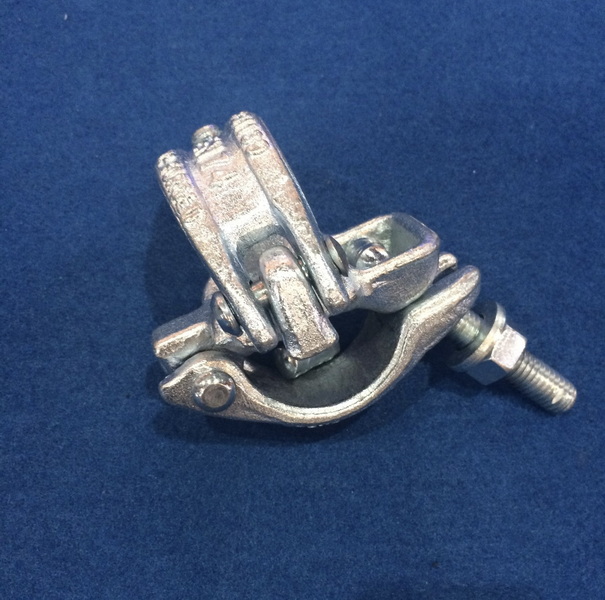
Safety is paramount when using beam clamps for overhead lifting in scaffolding. Proper installation and regular inspection are crucial for preventing accidents. The "scaffolding beam clamp capacity" must always be considered when selecting a clamp for a specific load. Ensuring that the clamp fits the beam size and type correctly is also essential, as an improper fit can lead to slippage or failure. Protection hooks and safety latches provide an additional layer of security, preventing accidental disconnection during lifting operations.
Avoiding Common Mistakes
- Do not overload the beam clamp beyond its rated capacity.[3]
- Avoid attaching clamps to beams fixed at an angle or unstable structures.
- Do not force safety hooks into clamp sockets, as this can damage the clamp and compromise safety.[3]
Common mistakes can compromise the safety and integrity of beam clamps. Overloading is a frequent issue that can lead to clamp failure and accidents. Attaching clamps to unstable structures or beams fixed at an angle can also create dangerous situations. Forcing safety hooks into clamp sockets can damage the clamp, reducing its "scaffolding beam clamp capacity" and overall safety.
Advantages of Using Beam Clamps for Overhead Lifting in Scaffolding
- Quick and Easy Installation: No drilling or welding required, saving time and preserving beam integrity.
- Adjustability: Can accommodate various beam sizes and angles, enhancing versatility.
- Load Distribution: Evenly spreads load across the beam flange, reducing stress points.[1]
- Safety Features: Many clamps include locking mechanisms and adjustable jaws to prevent slippage.[1][3]
- Durability: Made from high-strength steel, suitable for harsh construction environments.[1]
Beam clamps offer several advantages for overhead lifting in scaffolding, including quick installation, adjustability, and enhanced safety features. The fact that they do not require drilling or welding saves time and preserves the integrity of the beam. Their adjustability allows them to accommodate various beam sizes and angles, making them versatile for different construction needs. The even distribution of the load across the beam flange reduces stress points, and safety features such as locking mechanisms and adjustable jaws prevent slippage. The high-strength steel construction ensures durability in harsh construction environments.
How to Choose the Right Beam Clamp for Your Scaffolding Project
When selecting beam clamps, consider:
- Beam Size and Flange Thickness: Ensure compatibility with your scaffolding beams.[2]
- Load Capacity: Choose clamps with a WLL that exceeds your maximum expected load.[3]
- Clamp Type: Fixed, swivel, adjustable, or girder clamps depending on beam angle and application.
- Material and Finish: Prefer clamps with corrosion-resistant finishes for outdoor use.
- Compliance with Safety Standards: Verify compliance with local and international construction safety codes.
Choosing the right beam clamp involves several considerations. Compatibility with the beam size and flange thickness is crucial, as is selecting a clamp with a WLL that exceeds the maximum expected load. The type of clamp should be chosen based on the beam angle and the specific application. The material and finish should be suitable for the environment, with corrosion-resistant finishes preferred for outdoor use. Compliance with safety standards is essential to ensure that the clamps meet regulatory requirements and provide a safe working environment.
Maintenance and Inspection of Beam Clamps
- Conduct visual inspections before each use to check for cracks, corrosion, or deformation.
- Verify the locking mechanisms and jaws function correctly.
- Replace worn or damaged clamps immediately.
- Keep clamps clean and lubricated as per manufacturer recommendations to ensure smooth operation.
Regular maintenance and inspection are essential for ensuring the continued safety and reliability of beam clamps. Visual inspections should be conducted before each use to check for cracks, corrosion, or deformation. The locking mechanisms and jaws should be verified to ensure they function correctly. Worn or damaged clamps should be replaced immediately. Keeping the clamps clean and lubricated as per manufacturer recommendations helps maintain their smooth operation and prolong their lifespan.
Conclusion
Beam clamps are essential tools for overhead lifting in scaffolding, providing secure attachment points that enhance safety and efficiency. Their "scaffolding beam clamp capacity" typically supports heavy loads, making them suitable for various construction applications. Selecting the right clamp type, ensuring proper installation, and adhering to safety guidelines are critical to preventing accidents and ensuring stable scaffolding structures. With their ease of use, versatility, and robust design, beam clamps remain indispensable in modern scaffolding and lifting operations.
FAQ
1. What is the typical load capacity of scaffolding beam clamps?
Scaffolding beam clamps usually have a load capacity of at least 30 kN (approximately 6,750 lbs), with slip under load kept below 6 mm to ensure safety.[2]
2. Can beam clamps be used on any type of beam?
Beam clamps are designed to fit specific beam sizes and flange thicknesses. Standard clamps fit up to 45 mm flange thickness, while extension clamps accommodate thicker beams up to 81 mm.[2]
3. Are beam clamps safe for overhead lifting?
Yes, if properly selected, installed, and maintained, beam clamps are safe for overhead lifting. They must have a rated working load limit exceeding the load, be securely attached, and regularly inspected.[1][3]
4. Do beam clamps require drilling or welding for installation?
No, beam clamps are designed for quick installation without drilling or welding, which preserves beam integrity and saves time.
5. How often should beam clamps be inspected?
Beam clamps should be inspected before every use for signs of wear, damage, or malfunction. Regular maintenance and immediate replacement of faulty clamps are essential for safety.
Citations:
[1] http://www.grandhome.com.sg/blog/our-blog-1/the-role-of-beam-clamps-in-overhead-lifting-and-rigging-operations-13
[2] https://www.tp-scaffold.com/can-i-use-beam-clamps-for-overhead-lifting-in-scaffolding.html
[3] https://liftingequipmentstore.com/collections/beam-clamps
[4] https://www.liftingsafety.co.uk/site/safe_use_beam_clamps.html
[5] https://site.alliedbolt.com/blog/10-uses-for-beam-clamps/
[6] https://rlsdhamal.com/scaffolding-couplers-working-load-capacity/