Content Menu
● Introduction to Little Giant Ladders
● Key Features of Little Giant Ladders
● How to Convert the Little Giant Ladder into Scaffolding
>> Step 1: Disassemble the Ladder
>> Step 2: Attach the Trestle Brackets
>> Step 3: Position the Trestles
>> Step 4: Install the Telescoping Plank
>> Step 5: Add Safety Accessories (Optional but Recommended)
● Safety Considerations When Using Little Giant Ladder Scaffolding
● Advantages of Using Little Giant Ladder Scaffolding
● Practical Applications of Little Giant Ladder Scaffolding
● Maintenance Tips for Little Giant Ladder Scaffolding
● Conclusion
● FAQ
>> 1. What Accessories Are Needed to Convert a Little Giant Ladder to Scaffolding?
>> 2. How Do I Ensure the Scaffolding is Stable?
>> 3. What is the Weight Capacity of the Telescoping Plank?
>> 4. Can I Use the Trestles as Separate Step Ladders?
>> 5. How Do I Transport the Ladder and Scaffolding Components?
● Citations:
The Little Giant Ladder is widely recognized for its versatility and multi-functionality, making it a favorite among professionals and DIY enthusiasts. One of its standout features is the ability to convert into scaffolding, providing a stable and adjustable work platform for various tasks. This article explores in detail how the Little Giant Ladder can be converted into scaffolding, the accessories required, safety considerations, practical applications, and maintenance tips to ensure longevity and safety.
Introduction to Little Giant Ladders
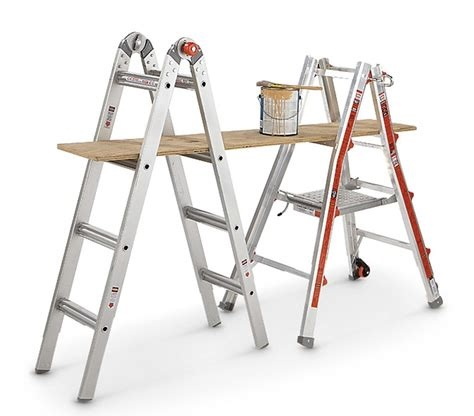
Little Giant Ladders are multi-position ladders made from durable, lightweight aircraft-grade aluminum. They can be configured in several ways, including A-frame ladders, extension ladders, staircase ladders, and notably, trestle-and-plank scaffolding systems. This adaptability allows users to handle a wide range of tasks with a single ladder system.
The Little Giant Ladder's design focuses on flexibility and safety, making it a popular choice in construction, home improvement, and maintenance. Its ability to transform into scaffolding is especially valuable for users who need a portable, easy-to-assemble work platform without investing in bulky scaffolding equipment.
Key Features of Little Giant Ladders
- Multi-Position Capability: Easily converts between ladder types and scaffolding.
- Lightweight Construction: Aluminum build for easy transport and setup.
- Safety Features: Wide-flared legs for stability, patented Tip & Glide wheels for mobility, and secure locking mechanisms.
- Accessory Compatibility: Works with Trestle Brackets and Telescoping Planks to form scaffolding platforms.
- Durability: Corrosion-resistant materials ensure long service life even in harsh environments.
- Compact Storage: Folds down into a compact size for easy storage and transport.
How to Convert the Little Giant Ladder into Scaffolding
Converting your Little Giant Ladder into scaffolding is straightforward but requires attention to detail for safety and stability.
Step 1: Disassemble the Ladder
Start by disassembling the ladder into its component parts. Pull the locking pins on the sides and telescope the outer sections down, effectively separating the two outer halves from the inner base. These outer halves will become the trestles (supports) for the scaffolding system.
Step 2: Attach the Trestle Brackets
Attach the Trestle Brackets to the top of each outer ladder section. These brackets hook securely onto the ladder rungs and lock in place, providing a stable resting point for the scaffolding plank. The brackets prevent the trestles from collapsing inward under load.
Step 3: Position the Trestles
Place the two trestle supports upright at the desired distance apart. The spacing depends on the length of the plank and the work area. Make sure the trestles stand on a firm, level surface for maximum stability.
Step 4: Install the Telescoping Plank
Position the Telescoping Plank across the brackets on the trestles. The plank is adjustable in length, typically ranging from 6 feet to 15 feet, allowing you to customize the platform size. Ensure the plank locks securely onto the brackets and that it is level.
Step 5: Add Safety Accessories (Optional but Recommended)
For added safety, especially when working at heights, consider installing guardrails or safety rails on the scaffolding platform. Ladder levelers can also be attached to the feet of the trestles to stabilize the scaffolding on uneven ground.
Safety Considerations When Using Little Giant Ladder Scaffolding
Safety should always be the top priority when working on ladders or scaffolding. Here are essential safety tips for using Little Giant ladder scaffolding:
- Inspect All Components: Before assembly, check the ladder, brackets, and plank for any damage or wear.
- Use on Level Ground: Always set up scaffolding on firm, level surfaces to prevent tipping.
- Lock All Pins and Brackets: Ensure all locking mechanisms are fully engaged.
- Avoid Overloading: Do not exceed the weight capacity of the plank (usually 500 lbs).
- Wear Proper Footwear: Use non-slip shoes to prevent falls.
- Do Not Use Trestles as Ladders: The trestles are designed for scaffolding only, not as standalone ladders.
- Use Guardrails When Possible: For elevated work, guardrails reduce the risk of falls.
- Follow Manufacturer Instructions: Always adhere to the guidelines provided by Little Giant for safe use.
Advantages of Using Little Giant Ladder Scaffolding
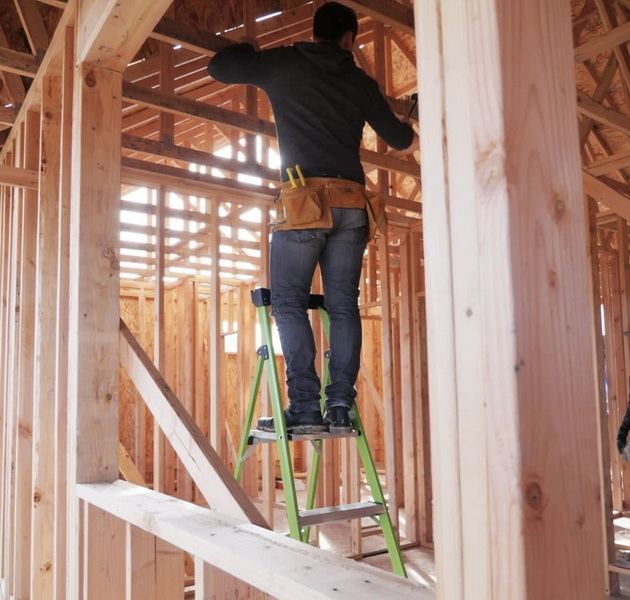
- Cost-Effective: Eliminates the need to purchase separate scaffolding equipment.
- Space-Saving: The ladder and accessories fold compactly for easy storage.
- Portable: Lightweight design and wheels make transport effortless.
- Versatile: Can be used for multiple tasks, indoors and outdoors.
- Quick Setup: Assembly and disassembly take just minutes.
- Adjustable Platform Size: Telescoping plank allows customization of the workspace.
Practical Applications of Little Giant Ladder Scaffolding
The Little Giant ladder scaffolding system is ideal for a variety of tasks across different industries and home projects:
- Construction: Painting walls and ceilings, installing drywall, roofing, and siding.
- Home Maintenance: Cleaning gutters, installing or repairing light fixtures, washing windows.
- Event Setup: Building stages, rigging lighting, hanging decorations.
- Electrical Work: Running cables, installing outlets or switches at height.
- Landscaping: Trimming trees, hedge shaping, and outdoor lighting installation.
Maintenance Tips for Little Giant Ladder Scaffolding
Proper maintenance extends the life of your ladder and scaffolding components and ensures safety:
- Regular Cleaning: Remove dirt, paint, or debris from ladder surfaces and accessories.
- Lubricate Moving Parts: Apply lubricant to hinges and locking mechanisms to maintain smooth operation.
- Check for Damage: Inspect for cracks, bends, or corrosion before each use.
- Store Properly: Keep ladder and accessories in a dry, sheltered place to prevent rust and damage.
- Replace Worn Parts: Use only genuine Little Giant replacement parts for repairs.
Conclusion
The Little Giant Ladder is not just a ladder but a versatile tool that can be converted into a reliable scaffolding system with the right accessories. Using Trestle Brackets and Telescoping Planks, users can create a stable, adjustable platform suitable for a wide range of tasks. This conversion saves time, space, and money by eliminating the need for separate scaffolding equipment. Always ensure proper setup and follow safety guidelines to maximize the benefits of your Little Giant ladder scaffolding system. With proper care and maintenance, your Little Giant ladder scaffolding will serve as an indispensable tool for years to come.
FAQ
1. What Accessories Are Needed to Convert a Little Giant Ladder to Scaffolding?
To convert your Little Giant Ladder into scaffolding, you need Trestle Brackets and a Telescoping Plank. The brackets create the trestle supports, and the plank forms the work platform.
2. How Do I Ensure the Scaffolding is Stable?
Ensure the trestles are fully locked open with the brackets securely attached. Use ladder levelers on uneven surfaces and always place the scaffolding on firm, level ground. Avoid using the trestles as separate step ladders.
3. What is the Weight Capacity of the Telescoping Plank?
The Little Giant Telescoping Plank is rated to hold up to 500 lbs, supporting two people safely.
4. Can I Use the Trestles as Separate Step Ladders?
No, the outer or inner ladder sections used as trestles should not be used as separate step ladders. They are designed to be part of the scaffolding system only.
5. How Do I Transport the Ladder and Scaffolding Components?
The ladder sections and accessories are lightweight and portable. Many Little Giant models feature Tip & Glide wheels for easy movement. Disassemble the ladder into sections and carry or wheel them to your worksite.
Citations:
[1] https://www.littlegiantladders.com/products/ladder-plank
[2] https://www.littlegiantladders.com/collections/trestle-and-plank
[3] https://www.youtube.com/watch?v=2OhricCX38o
[4] https://www.tp-scaffold.com/amp/how-to-make-little-giant-ladder-and-scaffolding.html
[5] https://www.tp-scaffold.com/how-does-the-little-giant-ladder-convert-to-scaffolding.html
[6] https://www.youtube.com/watch?v=65mroAZOTC8
[7] https://pdf.lowes.com/productdocuments/ad4ca58b-e94f-4ab6-bcc6-9c4485b29bc7/45420568.pdf
[8] https://www.zh-scaffolding.com/news/what-is-ladder-scaffolding.html
[9] https://www.youtube.com/watch?v=G8R_2Ur7UzQ
[10] https://www.littlegiantladders.com.au/faq/
[11] https://www.youtube.com/watch?v=euMjEgnVf-0