Content Menu
● What Are Scaffolding Plank Clamps?
● Types of Scaffolding Plank Clamps
● Compatibility of Scaffolding Plank Clamps with Wood and Metal Planks
>> Using Scaffolding Plank Clamps with Wood Planks
>> Using Scaffolding Plank Clamps with Metal Planks
● Installation Techniques for Scaffolding Plank Clamps
>> Securing Wood Planks
>> Securing Metal Planks
>> General Installation Tips
● Safety Considerations When Using Scaffolding Plank Clamps
● Conclusion
● FAQ
>> 1. What materials are scaffolding plank clamps typically made from?
>> 2. Can the same scaffolding plank clamp be used for both wood and metal planks?
>> 3. How do you prevent metal planks from slipping when using scaffolding plank clamps?
>> 4. Are there specific standards that scaffolding plank clamps must meet?
>> 5. How often should scaffolding plank clamps and planks be inspected?
● Citations:
Scaffolding plank clamps are critical components in scaffolding systems, designed to secure planks firmly to scaffold tubes, ensuring safety and stability for workers at height. A common question in construction and scaffolding industries is whether these clamps can be used effectively with both metal and wood planks.
What Are Scaffolding Plank Clamps?
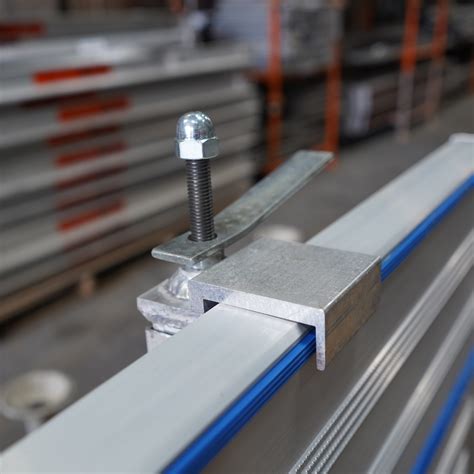
Scaffolding plank clamps are specialized couplers used to fasten scaffolding planks—either wood or metal—to the scaffold structure. They prevent planks from slipping or moving, which is essential for worker safety and scaffold integrity. These clamps are typically made of high-strength steel, often zinc-plated or galvanized to resist corrosion and wear.
Types of Scaffolding Plank Clamps
- Board Retaining Clamps: Specifically designed to hold scaffold boards or planks in place on ledgers or transoms.
- Fixed (Right Angle) Clamps: Connect scaffold tubes at 90 degrees, often used to secure horizontal members.
- Swivel Clamps: Allow connection at any angle, useful for complex scaffold geometries.
- U-Bolt Clamps: Used to clamp planks or tubes, providing a secure grip.
- Adjustable Clamps: Can accommodate different plank thicknesses and shapes.
Compatibility of Scaffolding Plank Clamps with Wood and Metal Planks
Using Scaffolding Plank Clamps with Wood Planks
Wooden planks have been a traditional choice for scaffolding platforms due to their natural grip, ease of handling, and cost-effectiveness. Scaffolding plank clamps are widely compatible with wood planks because:
- Wood provides a textured surface that clamps can grip securely without slipping.
- Clamps designed for scaffold boards typically fit standard wood plank thicknesses (usually around 38 mm).
- Wood planks can be grooved or shaped to fit snugly over scaffold tubes, enhancing stability when combined with clamps[4].
Using Scaffolding Plank Clamps with Metal Planks
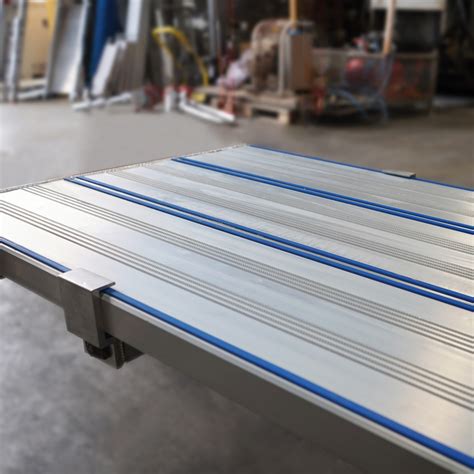
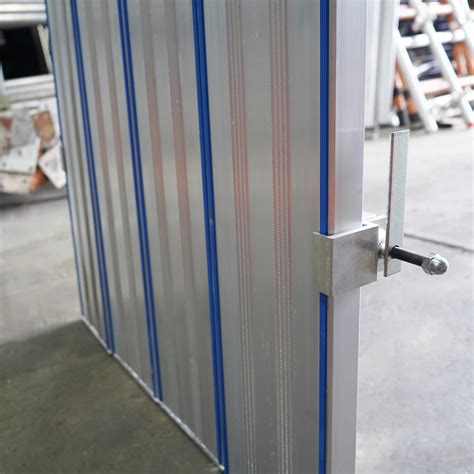
Metal planks, such as steel or aluminum scaffold boards, offer durability, weather resistance, and longer service life. Scaffolding plank clamps can be used with metal planks, but certain factors must be considered:
- Metal surfaces are smooth and may require clamps with rubber inserts or protective padding to prevent slipping and surface damage.
- Clamps must be compatible with the plank thickness and shape, which can differ from wood planks.
- Metal planks are often secured additionally with metal strapping or tie bars to prevent lateral movement, especially when planks are lapped over one another[5].
- Care must be taken to avoid galvanic corrosion when steel clamps contact aluminum planks.
Installation Techniques for Scaffolding Plank Clamps
Securing Wood Planks
- Inspect wood planks for cracks, splits, or warping before installation.
- Use clamps to grip the plank edges firmly without crushing the wood.
- Grooved planks can be fitted over scaffold tubes to improve grip.
- Ensure clamps are tightened sufficiently but not over-tightened to avoid damaging the wood.
- Position clamps at regular intervals to distribute load evenly.
Securing Metal Planks
- Use clamps with protective inserts or pads to avoid marring metal plank surfaces.
- Secure planks with additional fixings such as metal strapping or tie bars, especially for overlapping metal planks.
- Avoid mixing incompatible metals directly to reduce corrosion risks.
- Follow manufacturer guidelines for clamp torque settings to ensure secure fastening without damage.
General Installation Tips
- Always use the correct clamp type for the scaffold configuration (e.g., right-angle clamps for horizontal connections).
- Tighten clamps using appropriate tools to recommended torque levels (e.g., 45 foot-pounds for tube and clamp scaffolding[8]).
- Inspect clamps and planks regularly during scaffold use to detect wear or loosening.
- Avoid nailing or screwing laminated or plywood planks unless specified by the manufacturer, as moisture penetration can cause damage[5].
Safety Considerations When Using Scaffolding Plank Clamps
- Ensure all clamps comply with relevant standards such as BS1139.2 for scaffold couplers[2].
- Use clamps made from corrosion-resistant materials like zinc-plated steel or galvanized steel for longevity and safety.
- Do not overload scaffold planks; adhere to rated load capacities.
- Secure planks against wind uplift and lateral movement, especially for metal planks.
- Regularly inspect clamps and planks for damage, corrosion, or wear and replace as necessary.
Conclusion
Scaffolding plank clamps are versatile and can be effectively used with both metal and wood planks when proper clamp types and installation methods are employed. Wood planks benefit from clamps that grip textured surfaces securely, while metal planks require clamps designed to handle smooth surfaces and may need additional securing methods like metal strapping. Safety standards and regular inspections are crucial to ensure scaffold stability and worker safety. By understanding the compatibility and correct usage of scaffolding plank clamps, construction professionals can build safe, stable, and durable scaffolding platforms suitable for a variety of materials and job site conditions.
FAQ
1. What materials are scaffolding plank clamps typically made from?
Scaffolding plank clamps are usually made from galvanized or zinc-plated steel for corrosion resistance and strength. Some clamps are made from carbon steel or aluminum depending on application requirements[2][6].
2. Can the same scaffolding plank clamp be used for both wood and metal planks?
Yes, many clamps are designed to be versatile and can be used with both wood and metal planks, but the clamp type and installation method may need adjustment to accommodate differences in surface texture and thickness[3][4].
3. How do you prevent metal planks from slipping when using scaffolding plank clamps?
Using clamps with rubber or protective inserts, along with additional securing methods such as metal strapping or tie bars, helps prevent slipping and movement of metal planks on scaffolding[5].
4. Are there specific standards that scaffolding plank clamps must meet?
Yes, scaffolding plank clamps should comply with standards such as BS1139.2, which ensures clamps meet safety, strength, and durability requirements for scaffolding applications[2].
5. How often should scaffolding plank clamps and planks be inspected?
Regular inspections should be conducted before and after each use to check for damage, corrosion, or wear. Any defective clamps or planks should be replaced immediately to maintain scaffold safety[5].
Citations:
[1] https://brandsafway.com/uploads/files/orn401_bsl_tube_and_clamp_product_brochure.pdf
[2] https://firstfence.co.uk/board-clamps
[3] https://www.wm-scaffold.com/board-clamp/
[4] https://www.wm-scaffold.com/scaffold-plank.html
[5] https://www.safeworkaustralia.gov.au/system/files/documents/1703/scaffolds-scaffolding-work-general-guide.docx
[6] https://www.youtube.com/watch?v=CFRXKRoXzdw
[7] https://dss.net/walk-boards-stage-boards-and-planks/
[8] https://www.youtube.com/watch?v=ZM6Tlh_NAnQ