Content Menu
● What Is Single Clamp Scaffolding?
● Characteristics of Single Clamp Scaffolding
● Can Single Clamp Scaffolding Be Used in High-Rise Projects?
>> Load Capacity and Structural Strength
>> Stability and Safety Considerations
>> Practical Use Cases in High-Rise Projects
● Advantages of Single Clamp Scaffolding in High-Rise Construction
● Limitations and Challenges
● Installation and Best Practices for High-Rise Single Clamp Scaffolding
>> Planning and Design
>> Assembly
>> Inspection and Maintenance
● Conclusion
● FAQ
>> 1. What is single clamp scaffolding commonly used for?
>> 2. Can single clamp scaffolding support the loads required in high-rise construction?
>> 3. How does single clamp scaffolding compare to double clamp scaffolding?
>> 4. What safety measures are essential when using single clamp scaffolding in high-rise projects?
>> 5. Are single clamps reusable and durable for multiple projects?
● Citations:
Scaffolding is an indispensable element in construction, providing safe access and working platforms for workers at various heights. Among the many types of scaffolding systems, single clamp scaffolding is a popular choice due to its flexibility, ease of assembly, and adaptability. However, when it comes to high-rise projects, questions arise about whether single clamp scaffolding can meet the stringent safety, load, and stability requirements involved in working at great heights.
What Is Single Clamp Scaffolding?
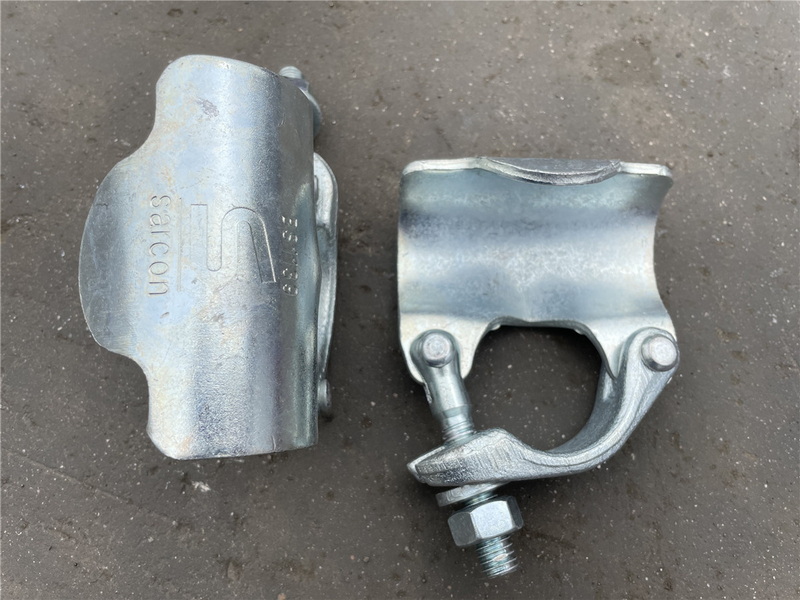
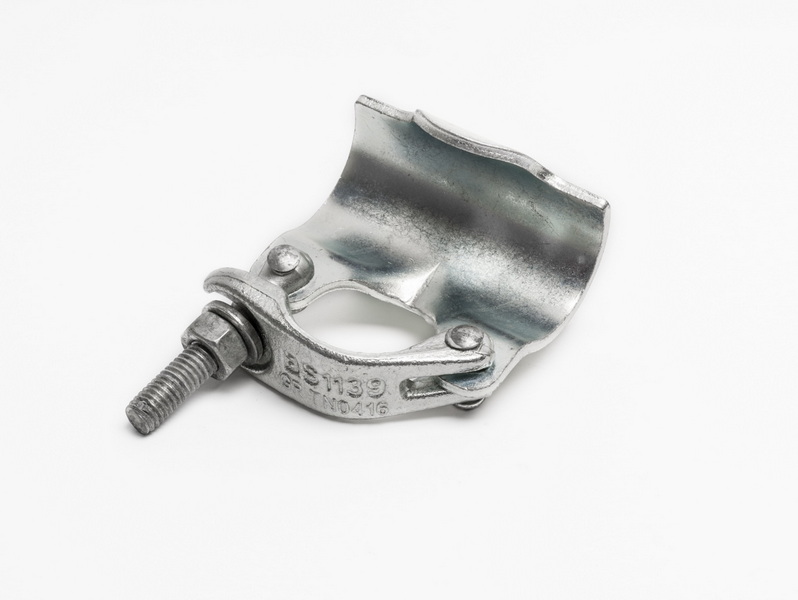
Single clamp scaffolding refers to a scaffolding system where pipes or tubes are connected primarily using single clamps (also called single couplers). These clamps attach one tube or pipe to another or to a supporting structure at a joint. Unlike double clamps (which join two tubes at right angles), single clamps typically secure a tube to a fixed point such as a wall or another pipe, often in cantilever or single-pole scaffolding setups.
Characteristics of Single Clamp Scaffolding
- Uses single clamps to connect tubes, typically steel or aluminum.
- Clamps are usually T-shaped or U-shaped with nuts and bolts for tightening.
- Allows for flexible angles and connections, including straight lines or angled joints.
- Commonly used in single-pole scaffolding, cantilever scaffolding, and temporary platforms.
- Easy to assemble and disassemble, making it suitable for fast-paced projects.
Can Single Clamp Scaffolding Be Used in High-Rise Projects?
The suitability of single clamp scaffolding for high-rise projects depends on multiple factors including load capacity, stability, design, and safety standards.
Load Capacity and Structural Strength
- Single clamps are designed to securely hold scaffold tubes, with some clamps rated for load capacities up to 6 tons or more, depending on the material and design[4].
- The overall scaffold strength depends on the number of clamps used, the quality of materials (steel is preferred for high strength and corrosion resistance), and the scaffold design.
- High-rise scaffolding requires the structure to bear not only the weight of workers and materials but also dynamic loads such as wind pressure and equipment movement.
- Single clamp scaffolding, when properly designed and reinforced with adequate bracing and support, can meet these load requirements.
Stability and Safety Considerations
- High-rise scaffolding demands enhanced lateral stability to resist wind and sway.
- Single clamp scaffolding, often used in tube and clamp systems, can be customized with diagonal bracing, tie-ins, and base supports to provide the necessary stability.
- According to industry standards, vertical joints in single-pole scaffolds should be spaced no more than 5 meters vertically and 5.5 meters horizontally to maintain stability[6].
- Safety rails, toe boards, and proper platform decking are essential components to ensure worker safety on high-rise scaffolds.
Practical Use Cases in High-Rise Projects
- Brewer Equipment Company successfully completed multi-phased high-rise scaffolding projects using tube and clamp systems that incorporate single clamps for flexible connections[2].
- Single clamp scaffolding is widely used in restoration and façade work on tall buildings due to its adaptability.
- It is also employed in erecting temporary stair towers and access platforms on high-rise construction sites.
Advantages of Single Clamp Scaffolding in High-Rise Construction
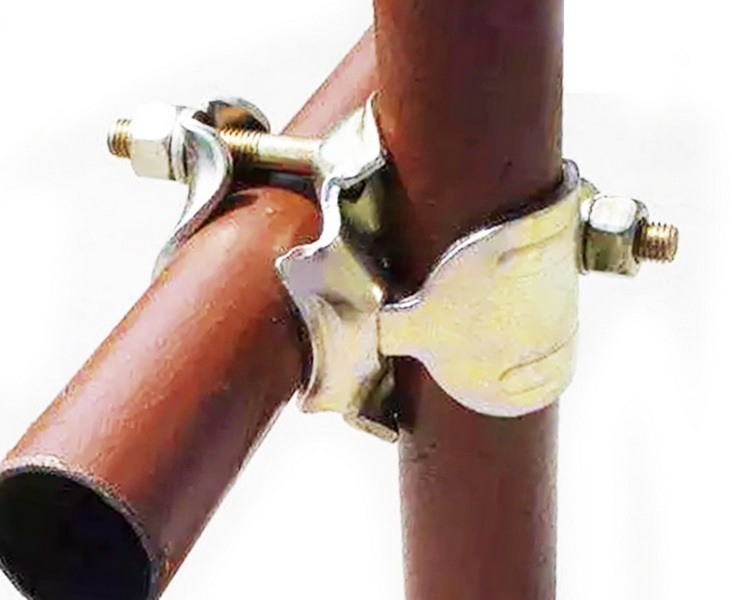
- Flexibility: Single clamps allow for adjustable angles and customized scaffold shapes, which is crucial for complex high-rise structures.
- Ease of Assembly: Single clamp scaffolding can be quickly assembled and modified onsite, saving time and labor costs.
- Reusability: Components including single clamps can be reused across multiple projects, making it cost-effective.
- Compatibility: Single clamps can connect tubes to various structures, including walls and existing framework, facilitating scaffold integration.
- Durability: Made from high-grade steel with corrosion-resistant finishes, single clamps withstand harsh weather conditions typical in high-rise environments.
Limitations and Challenges
- Load Limitations: While single clamps can handle significant loads, they are generally less rigid than double clamps, requiring careful design to avoid overstressing joints.
- Complex Engineering Required: High-rise scaffolding with single clamps must be engineered with precise calculations for load distribution, bracing, and anchoring.
- Inspection and Maintenance: Frequent inspections are necessary to ensure clamps remain tight and undamaged, as failure at any joint can compromise scaffold safety.
- Not Always Suitable for Primary Load-Bearing: Single clamps are often used for secondary supports or cantilevered sections rather than main scaffold frames.
Installation and Best Practices for High-Rise Single Clamp Scaffolding
Planning and Design
- Conduct a thorough site assessment including height, load requirements, and environmental conditions.
- Design scaffold layouts incorporating adequate vertical supports, horizontal ledgers, and diagonal bracing.
- Select single clamps with load ratings suitable for the expected stresses.
Assembly
- Use high-quality steel tubes and clamps, tightened with appropriate torque (usually around 54 Nm).
- Securely attach scaffolding to the building or structure at regular intervals.
- Install safety rails, toe boards, and non-slip decking to protect workers.
- Ensure proper base plates and foundations to distribute scaffold loads evenly.
Inspection and Maintenance
- Inspect clamps and tubes daily for signs of wear, corrosion, or loosening.
- Replace damaged clamps immediately.
- Conduct load testing if required by local regulations.
- Train workers on safe scaffold use and clamp handling.
Conclusion
Single clamp scaffolding can indeed be used in high-rise projects, provided that the system is carefully designed, engineered, and maintained to meet the stringent safety and load requirements of tall structures. Its flexibility, ease of assembly, and adaptability make it a valuable component in tube and clamp scaffolding systems widely employed in high-rise construction.
However, single clamp scaffolding must be supplemented with proper bracing, anchoring, and safety measures to ensure stability and worker protection. When used correctly, it offers a cost-effective and reliable solution for scaffolding in complex, high-altitude environments.
FAQ
1. What is single clamp scaffolding commonly used for?
Answer: Single clamp scaffolding is used to connect scaffold tubes in single-pole or cantilever scaffolding systems, providing flexible and secure joints for platforms, walkways, and support structures[4].
2. Can single clamp scaffolding support the loads required in high-rise construction?
Answer: Yes, when designed properly with high-quality steel clamps and adequate bracing, single clamp scaffolding can support the heavy loads and dynamic forces present in high-rise projects[4][6].
3. How does single clamp scaffolding compare to double clamp scaffolding?
Answer: Single clamps connect one tube to another or a structure, offering flexibility but less rigidity. Double clamps join two tubes at right angles, providing stronger, more rigid connections for primary scaffold frames[1][10].
4. What safety measures are essential when using single clamp scaffolding in high-rise projects?
Answer: Regular inspections, proper tightening of clamps, use of safety rails and toe boards, secure anchoring to the building, and compliance with load and spacing regulations are critical for safety[5][6].
5. Are single clamps reusable and durable for multiple projects?
Answer: Yes, single clamps made from galvanized steel are durable and reusable, making them cost-effective for repeated use across various construction projects[4].
Citations:
[1] https://www.tytruss.com/Clamp/Single-Clamp.shtml
[2] https://layherna.com/forsyth-medical-center-with-layher-materials/
[3] https://www.grinsulating.com/top-benefits-tube-and-clamp-scaffold/
[4] https://www.alibaba.com/showroom/scaffold-single-clamp.html
[5] https://safewayscaffolding.co.uk/when-to-use-tube-and-clamp-scaffolding/
[6] https://www.tokubetu.or.jp/text_ashiba_en/text_ashiba1-2c_en.html
[7] https://grsscaffolding.com/blog/scaffolding-couplers-types/
[8] https://rlsdhamal.com/scaffolding-couplers-working-load-capacity/
[9] https://dss.net/product/single-transom-clamp-for-ring-lock-scaffolding/
[10] https://www.wm-scaffold.com/scaffolding-coupler.html