Content Menu
● Introduction to Ringlock Scaffolding and Ledgers
● What Is a Double Ledger in Ringlock Scaffolding?
● How the Double Ledger Enhances Stability
>> 1. Increased Load-Bearing Capacity
>> 2. Improved Structural Rigidity
>> 3. Better Support for Large Platforms and Cantilevered Sections
>> 4. Enhanced Safety for Workers and Equipment
● Technical Specifications and Standards
● Installation and Connection Details
● Applications of Double Ledgers in Ringlock Scaffolding
● Advantages of Using Double Ledgers
● Common Misconceptions About Double Ledgers
● Conclusion
● FAQ
>> 1. What is the main difference between a single ledger and a double ledger in ringlock scaffolding?
>> 2. Can double ledgers be used in all ringlock scaffolding configurations?
>> 3. How does the double ledger improve worker safety?
>> 4. Are double ledgers heavier and harder to install than single ledgers?
>> 5. What standards do ringlock scaffolding double ledgers comply with?
The ringlock scaffolding double ledger is a crucial component designed to enhance the stability, load-bearing capacity, and overall safety of ringlock scaffolding systems. Ringlock scaffolding, known for its modular design and quick assembly, relies heavily on the quality and configuration of its horizontal members - the ledgers - to maintain structural integrity.
Introduction to Ringlock Scaffolding and Ledgers
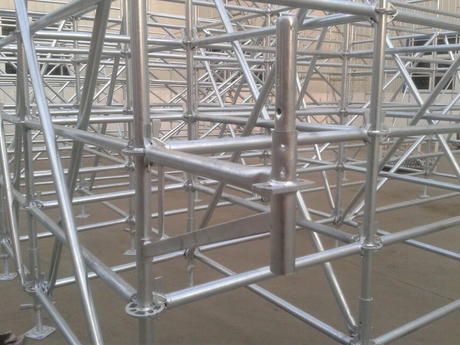
Ringlock scaffolding is a modular scaffolding system widely used in construction projects due to its versatility, strength, and ease of assembly. The system's unique feature is the rosette node, which allows horizontal and diagonal components to connect at multiple angles securely.
Ledgers are the horizontal members that connect vertical standards, providing lateral support and forming the base for working platforms. They play a vital role in distributing loads and maintaining scaffold rigidity.
What Is a Double Ledger in Ringlock Scaffolding?
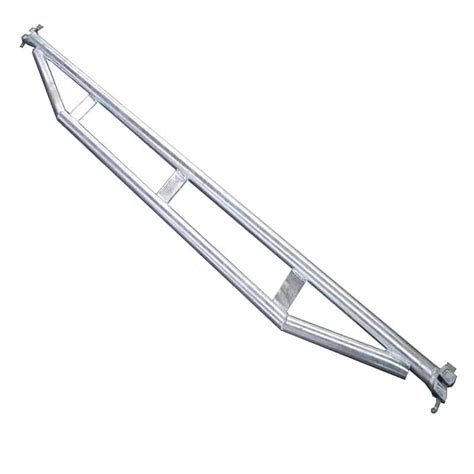
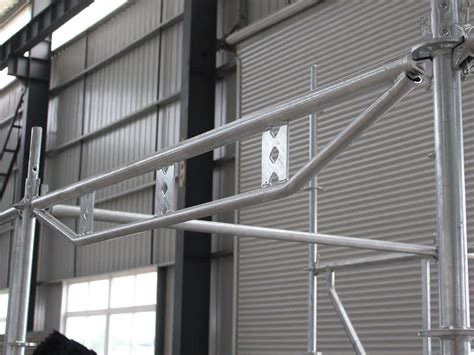
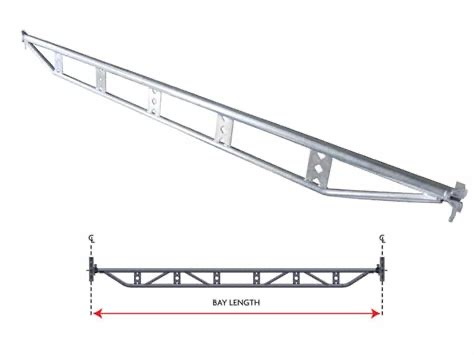
A double ledger consists of two horizontal tubes connected together with reinforcing plates or stiffeners, forming a truss-like structure. This design significantly increases the ledger's strength and stiffness compared to a single tube ledger.
- The double ledger typically features a main tube and a secondary reinforcing tube welded or bolted together.
- Stiffener plates are added to prevent deformation under heavy loads.
- Both tubes are connected to the rosette nodes on the vertical standards via wedge pins, ensuring a secure and stable connection.
How the Double Ledger Enhances Stability
1. Increased Load-Bearing Capacity
The double ledger's truss design allows it to support heavier loads than a single ledger. This is essential for scaffolding systems supporting heavy materials, equipment, or multiple workers.
- The reinforcing tube and stiffener plates distribute stress more evenly.
- This reduces bending and deflection under load.
- Enables larger bay sizes without compromising safety.
2. Improved Structural Rigidity
Double ledgers increase the lateral stiffness of the scaffold, reducing sway and movement.
- Enhanced rigidity helps maintain scaffold shape under dynamic loads such as wind or worker movement.
- This minimizes risk of structural failure or accidents.
3. Better Support for Large Platforms and Cantilevered Sections
In applications requiring extended platforms or cantilevered bays, double ledgers provide the necessary strength to safely span these distances.
- Supports wider decks or multiple scaffold planks.
- Essential for birdcage scaffolding or suspended scaffolds.
4. Enhanced Safety for Workers and Equipment
By reducing deflection and sway, double ledgers create a safer working environment.
- Stable platforms reduce trip hazards.
- Secure connections prevent accidental disengagement.
Technical Specifications and Standards
- Double ledgers are typically made from steel tubes with an outer diameter of 48.3 mm.
- Hot-dip galvanization is applied for corrosion resistance.
- Designed and tested to meet international standards such as EN 12810, ANSI/SSFI SC100-5/05, and AS/NZS 1576.
- Load capacities can reach up to 200 kN depending on design and application.
Installation and Connection Details
- Double ledgers connect to vertical standards using cast steel wedge heads that lock into the rosette.
- The wedge pins are captive, preventing accidental loosening.
- Installation is quick and tool-free, enhancing assembly efficiency.
- The double ledger's design allows for easy integration with other ringlock components such as transoms, braces, and platforms.
Applications of Double Ledgers in Ringlock Scaffolding
- Heavy-duty construction sites: Supporting heavy materials and equipment.
- Large-span scaffolds: Birdcage scaffolding, bridge work, and industrial maintenance.
- Cantilevered platforms: Extending working areas beyond the main scaffold footprint.
- Temporary roofing and shoring: Where high load capacity and stability are critical.
Advantages of Using Double Ledgers
| Advantage | Description |
| High Load Capacity | Supports heavier loads than single ledgers, suitable for demanding applications. |
| Increased Rigidity | Reduces lateral movement and sway, improving scaffold stability. |
| Versatility | Enables wider bays and cantilevered sections without compromising safety. |
| Quick Assembly | Compatible with standard ringlock components for fast, secure installation. |
| Durability | Hot-dip galvanized steel construction ensures long-term corrosion resistance and strength. |
Common Misconceptions About Double Ledgers
- Misconception: Double ledgers are unnecessarily heavy and difficult to handle.
- Reality: Despite added strength, double ledgers are designed to be lightweight and easy to install, with ergonomic features to aid handling.
- Misconception: Single ledgers are sufficient for all scaffolding needs.
- Reality: Single ledgers are suitable for light-duty applications, but double ledgers are essential for high-load or large-span scaffolds.
Conclusion
The ringlock scaffolding double ledger is a fundamental component that significantly enhances the stability, load capacity, and safety of ringlock scaffolding systems. Its truss-like design allows it to support heavier loads, reduce lateral movement, and enable wider and cantilevered platforms. By incorporating double ledgers, construction projects benefit from increased efficiency, safety, and adaptability. Understanding the role and advantages of double ledgers helps scaffold designers and site managers optimize their scaffolding setups for demanding applications.
FAQ
1. What is the main difference between a single ledger and a double ledger in ringlock scaffolding?
A double ledger consists of two tubes connected with stiffeners, providing higher load capacity and rigidity compared to a single tube ledger.
2. Can double ledgers be used in all ringlock scaffolding configurations?
Yes, double ledgers are compatible with standard ringlock components and can be used wherever higher strength or wider bays are required.
3. How does the double ledger improve worker safety?
By increasing scaffold rigidity and reducing sway, double ledgers create a more stable working platform, minimizing fall and trip risks.
4. Are double ledgers heavier and harder to install than single ledgers?
While slightly heavier, double ledgers are designed for ease of handling and quick installation with the ringlock system's wedge locking mechanism.
5. What standards do ringlock scaffolding double ledgers comply with?
They comply with international standards such as EN 12810, ANSI/SSFI SC100-5/05, and AS/NZS 1576, ensuring safety and performance.