Content Menu
● Understanding Ringlock Scaffolding Accessories
>> What is Ringlock Scaffolding?
>> Why Is Specification Comparison Important?
● Critical Parameters for Comparing Ringlock Scaffolding Accessories
>> 1. Material and Steel Grade
>> 2. Dimensions and Wall Thickness
>> 3. Rosette Design and Slot Configuration
>> 4. Surface Treatment and Coatings
>> 5. Load Capacity and Safety Standards
● Step-by-Step Guide to Comparing Ringlock Accessories Specifications
>> Step 1: Gather Technical Data Sheets
>> Step 2: Analyze Compatibility
>> Step 3: Verify Material and Manufacturing Quality
>> Step 4: Evaluate Surface Treatments
>> Step 5: Review Load Ratings and Certification
>> Step 6: Consider Price and Warranty
● Practical Tips for Effective Comparison
● Extended Comparison: Deep Dive into Specific Accessories
>> Standards (Vertical Posts)
>> Ledgers and Braces
>> Rosettes (Nodes)
● Safety and Certification Standards
● Cost Considerations and Value for Money
● Conclusion
● FAQ
>> 1. What are the most important specifications to check in ringlock scaffolding accessories?
>> 2. Can I mix ringlock scaffolding accessories from different brands?
>> 3. How does surface treatment affect the longevity of ringlock scaffolding accessories?
>> 4. What steel grades are commonly used in ringlock scaffolding?
>> 5. Where can I find reliable technical manuals and specifications for ringlock scaffolding?
● Citations:
Ringlock scaffolding system is a highly versatile, efficient, and safe modular scaffolding solution widely used in construction, maintenance, and industrial projects worldwide. Its popularity stems from its ease of assembly, adaptability to various structures, and high load-bearing capacity. When selecting ringlock scaffolding accessories, it's crucial to understand their specifications thoroughly. Comparing these specifications across different brands ensures compatibility, safety, durability, and cost-effectiveness.
Understanding Ringlock Scaffolding Accessories
What is Ringlock Scaffolding?
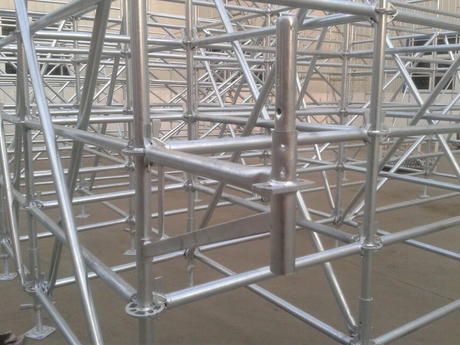
Ringlock scaffolding is a modular system characterized by its unique rosette-based connection mechanism. It consists of standardized components that can be assembled into various configurations, including vertical towers, bridges, and platforms. The main components include:
- Standards (Vertical Posts): The backbone of the scaffold, providing vertical support.
- Ledgers (Horizontal Members): Connect standards horizontally, forming the working platform.
- Diagonal Braces: Provide lateral stability.
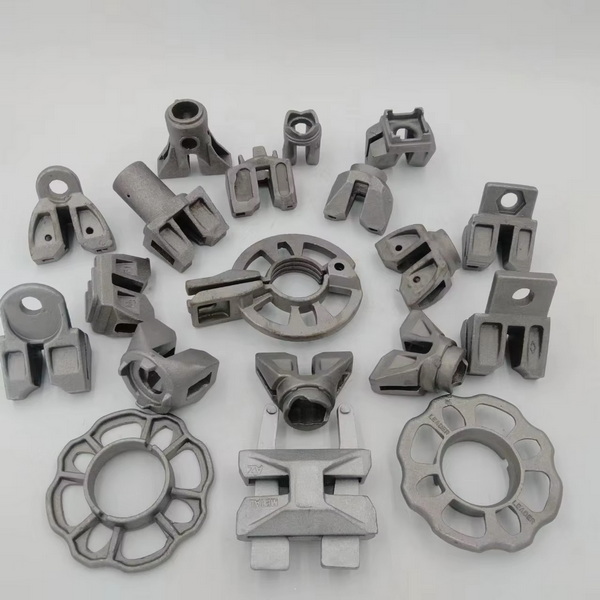
- Rosettes (Nodes): The central connecting disc with multiple slots, enabling multi-directional connections.
- Base Jacks and Base Collars: Foundation components that ensure stability.
- Additional Accessories: Such as ledger heads, pins, couplers, toe boards, and guardrails.
Why Is Specification Comparison Important?
Each accessory's specifications—material, dimensions, design, and load capacity—affect the overall safety, stability, and lifespan of the scaffolding. Choosing incompatible or low-quality components can lead to structural failure, accidents, or increased maintenance costs.
Critical Parameters for Comparing Ringlock Scaffolding Accessories
1. Material and Steel Grade
The backbone of any scaffolding component is its material. High-quality steel ensures strength, durability, and safety.
Common Steel Grades:
- Q345: A high-strength low-alloy steel widely used in scaffolding standards and ledgers.
- Q235: Mild steel suitable for braces and secondary components.
- S355: Higher strength steel used in heavy-duty applications.
- Q355: Similar to S355, offering excellent strength and toughness.
Impact on Accessories:
- Higher-grade steel (Q345, Q355) provides better load capacity and resistance to deformation.
- Steel quality influences the safety margins and lifespan of the accessories.
2. Dimensions and Wall Thickness
Accurate dimensions are vital for compatibility and load-bearing capacity.
- Tube Diameter: Usually 48.3mm (standard size), but some brands may offer variations.
- Wall Thickness: Typically ranges from 3.2mm to 3.5mm for standards; braces may be thinner (~2.75mm).
- Length Variations: Standards are available in multiple lengths (500mm, 1000mm, 1500mm, etc.) to suit different scaffolding heights.
3. Rosette Design and Slot Configuration
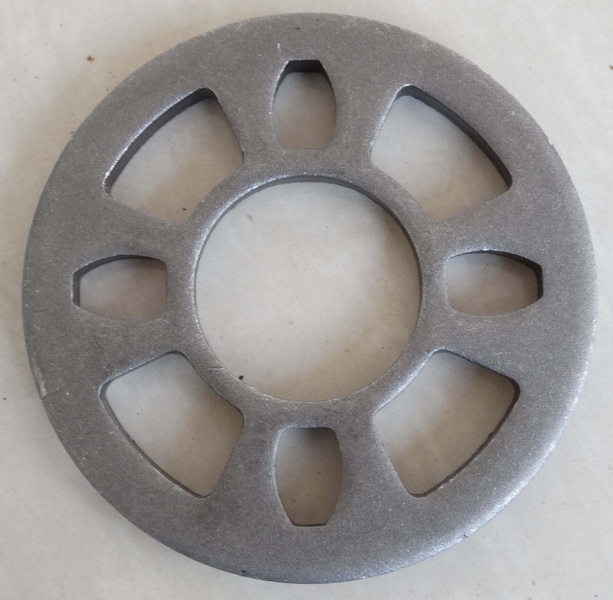
The rosette is the core connecting node in ringlock systems.
- Number of Slots: Usually 8, allowing multiple connection angles.
- Slot Dimensions: Must match the wedge and pin system for secure locking.
- Rosette Material: Cast steel or forged steel, affecting strength and durability.
- Size and Thickness: Larger and thicker rosettes provide higher load capacity.
4. Surface Treatment and Coatings
Corrosion resistance is essential, especially for outdoor applications.
- Hot-Dip Galvanizing: The most common and effective method, providing a thick zinc coating.
- Powder Coating: Offers additional aesthetic appeal and corrosion resistance.
- Painted Finishes: Less durable but more economical.
Impact on Longevity:
Proper surface treatment extends the lifespan of accessories, reduces maintenance, and ensures safety over time.
5. Load Capacity and Safety Standards
Each accessory must meet or exceed specific load ratings.
- Maximum Load per Standard: Usually specified in kilonewtons (kN).
- Compliance with Standards: EN 74 (European), ASTM, ISO, or local standards.
- Factor of Safety: Typically 4:1 or higher, depending on regulations.
Practical Tip:
Always verify the load ratings with the supplier and ensure they align with your project requirements.
Step-by-Step Guide to Comparing Ringlock Accessories Specifications
Step 1: Gather Technical Data Sheets
Request detailed datasheets from multiple manufacturers. These should include:
- Material specifications
- Dimensional drawings
- Load ratings
- Surface treatment details
- Certification and compliance information
Step 2: Analyze Compatibility
Ensure that the accessories' dimensions and connection features are compatible:
- Rosette slot size: Must match wedge and pin sizes.
- Tube diameter: Standards and ledgers should fit seamlessly.
- Connection methods: Verify wedge, pin, and coupler compatibility.
Step 3: Verify Material and Manufacturing Quality
- Confirm steel grades and manufacturing processes (cast vs. forged).
- Check for certifications such as ISO 9001, CE, or other relevant standards.
Step 4: Evaluate Surface Treatments
- Confirm if accessories are hot-dip galvanized or coated.
- Check the thickness of galvanization layers for durability.
Step 5: Review Load Ratings and Certification
- Cross-check maximum load capacities.
- Ensure compliance with international safety standards.
Step 6: Consider Price and Warranty
- Balance cost with quality.
- Review warranty terms and after-sales support.
Practical Tips for Effective Comparison
- Use standardized comparison templates to record specifications.
- Consult with experienced engineers for technical validation.
- Test sample components if possible, especially for large projects.
- Prioritize safety and compliance over cost savings.
- Check supplier reputation and reviews for reliability.
Extended Comparison: Deep Dive into Specific Accessories
Standards (Vertical Posts)
| Parameter | Brand A | Brand B | Brand C |
| Steel Grade | Q345 | S355 | Q355 |
| Length Options | 500mm - 3000mm | 500mm - 2500mm | 500mm - 3000mm |
| Wall Thickness | 3.2mm | 3.25mm | 3.2mm |
| Surface Treatment | Hot-dip galvanizing | Hot-dip galvanizing | Powder coated |
| Load Capacity | 10 kN | 12 kN | 10 kN |
Ledgers and Braces
| Parameter | Brand A | Brand B | Brand C |
| Material | Q235 | Q235 | Q235 |
| Diameter | 48.3mm | 48.3mm | 48.3mm |
| Wall Thickness | 2.75mm | 2.75mm | 2.75mm |
| Surface Treatment | Galvanized | Galvanized | Painted |
| Load Capacity | 8 kN | 8 kN | 8 kN |
Rosettes (Nodes)
| Parameter | Brand A | Brand B | Brand C |
| Material | Cast steel | Forged steel | Cast steel |
| Diameter | 150mm | 160mm | 150mm |
| Number of Slots | 8 | 8 | 8 |
| Slot Size | 12mm | 12mm | 12mm |
| Surface Treatment | Galvanized | Galvanized | Galvanized |
Safety and Certification Standards
Ensuring accessories meet international safety standards is vital. Some common standards include:
- EN 74 (European Standard): Specifies safety requirements for scaffolding components.
- ASTM Standards: North American standards for construction equipment.
- ISO Certifications: Ensuring quality management.
- CE Marking: Indicates conformity with European safety directives.
Always verify that accessories from different brands meet these standards before mixing or deploying.
Cost Considerations and Value for Money
While high-quality accessories may cost more initially, they often provide better safety margins, longer lifespan, and lower maintenance costs. When comparing prices:
- Assess total cost of ownership rather than just initial purchase price.
- Factor in warranties and after-sales support.
- Evaluate the reputation of the manufacturer for consistent quality.
Conclusion
Choosing the right ringlock scaffolding accessories requires a detailed comparison of specifications across brands. Key factors include material quality, dimensions, rosette design, surface treatment, load capacity, and compliance with safety standards. By systematically analyzing technical data sheets, verifying compatibility, and considering long-term durability, you can select accessories that ensure safety, efficiency, and cost-effectiveness.
Remember, safety should always be the priority in any scaffolding project. Investing in high-quality, compliant accessories not only protects workers but also enhances project success and longevity.
FAQ
1. What are the most important specifications to check in ringlock scaffolding accessories?
The most critical specifications include the steel grade, dimensions (diameter, length, wall thickness), rosette design and slot configuration, surface treatment (galvanization), and load capacity. Ensuring compliance with relevant safety standards is also vital.
2. Can I mix ringlock scaffolding accessories from different brands?
Mixing accessories is possible if their specifications—such as rosette slot size, tube diameter, and connection methods—are compatible. However, for safety and structural integrity, it's generally recommended to use components from the same brand or manufacturer.
3. How does surface treatment affect the longevity of ringlock scaffolding accessories?
Surface treatments like hot-dip galvanizing significantly improve corrosion resistance, especially in outdoor or humid environments. Proper galvanization extends the lifespan of accessories, reduces maintenance costs, and maintains safety standards over time.
4. What steel grades are commonly used in ringlock scaffolding?
Common steel grades include Q345, Q355, and S355. These high-strength low-alloy steels provide excellent load-bearing capacity and toughness, making them suitable for standards, ledgers, and rosettes.
5. Where can I find reliable technical manuals and specifications for ringlock scaffolding?
Manufacturers and authorized suppliers typically provide detailed technical manuals, datasheets, and certifications on their websites or upon request. Always ensure these documents are up-to-date and compliant with relevant standards.
Citations:
[1] https://www.adtomall.com/comparison-between-the-ringlock-scaffolding-and-the-cuplock-scaffolding-180831
[2] https://rapid-scafform.com/ringlock-scaffolding/
[3] https://www.turboscaffolding.com.au/catalog/category-pdf/Ringlock-Technical-Manual.pdf
[4] https://www.wm-scaffold.com/ringlock-scaffolding-standards.html
[5] https://www.youfaconstruction.com/scaffolding/ringlock-scaffolding/ringlock-scaffolding-system.html
[6] https://www.youtube.com/watch?v=rUq_iPVCkXg
[7] https://developers.google.com/search/docs/appearance/structured-data/product-snippet?hl=zh-cn
[8] https://www.wm-scaffold.com/ring-lock-scaffold.html
[9] https://www.youtube.com/watch?v=3a3fPWPDLZA
[10] https://www.youtube.com/watch?v=VrE5dj5KwQw
[11] https://www.youtube.com/watch?v=Szmkl6yeZUs