Content Menu
● What is Tube and Knuckle Scaffolding?
● Components and Assembly of Tube and Knuckle Scaffolding
>> Components
>> Assembly Process
● Types of Projects That Require Tube and Knuckle Scaffolding
>> 1. Complex and Irregular Structures
>> 2. High-Rise and Multi-Story Construction
>> 3. Heavy Load and Industrial Projects
>> 4. Large-Scale Infrastructure Projects
>> 5. Suspended and Special Purpose Scaffolding
● Benefits of Tube and Knuckle Scaffolding in These Projects
● Safety Considerations for Tube and Knuckle Scaffolding
● Comparison: Tube and Knuckle Scaffolding vs. Other Systems
● Conclusion
● FAQ
>> 1. What makes tube and knuckle scaffolding suitable for irregular structures?
>> 2. Can tube and knuckle scaffolding support heavy industrial equipment?
>> 3. How does tube and knuckle scaffolding compare to modular scaffolding systems?
>> 4. What safety standards apply to tube and knuckle scaffolding?
>> 5. Is specialized training required to erect tube and knuckle scaffolding?
● Citations:
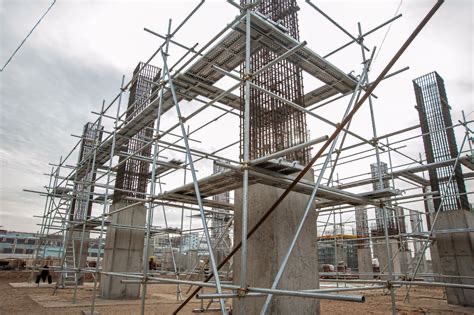
Tube and knuckle scaffolding, also known as tube and clamp or tube and coupler scaffolding, is one of the most versatile and widely used scaffolding systems in construction and industrial projects. Its modular design, strength, and adaptability make it ideal for projects with complex shapes, irregular surfaces, or heavy load requirements. This article explores in detail the types of projects that require tube and knuckle scaffolding, its components, benefits, safety considerations, and practical applications.
What is Tube and Knuckle Scaffolding?
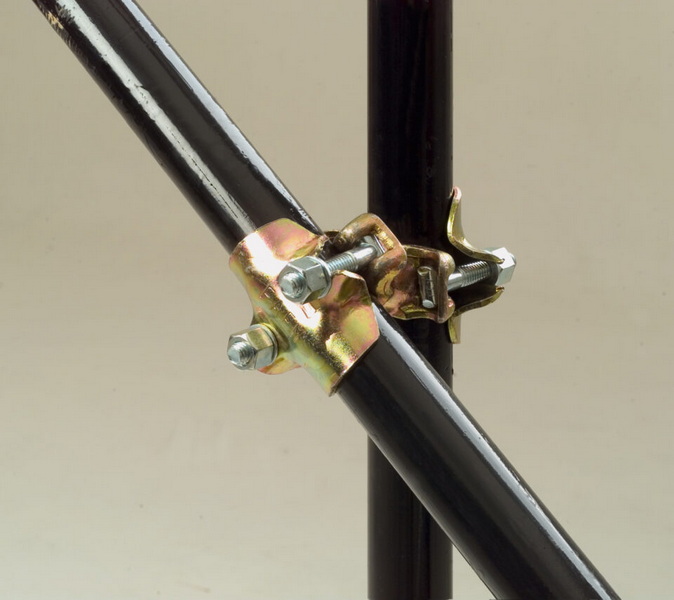
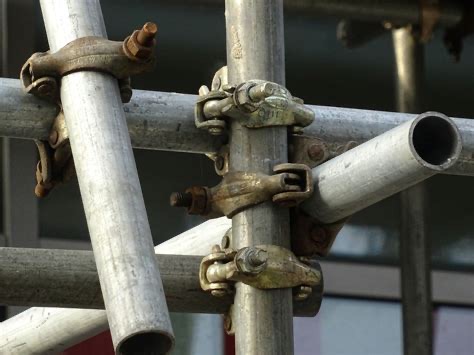
Tube and knuckle scaffolding is a system composed of steel tubes connected by knuckle clamps (also called couplers or clips) that allow for flexible connections at various angles. Unlike fixed modular scaffolding systems, tube and knuckle scaffolding can be assembled into almost any shape or size, making it suitable for irregular and complex structures.
- Steel Tubes: The main structural elements, usually galvanized for corrosion resistance.
- Knuckle Clamps: Connect tubes at right angles or any swivel angle, providing flexibility.
- Base Plates: Distribute load and provide stable footing.
- Bracing Tubes: Diagonal tubes that add rigidity and prevent swaying.
- Platforms: Wooden or metal planks placed on horizontal tubes for worker access.
This scaffolding type is known for its strength, adaptability, and ability to handle heavy loads, making it a preferred choice for demanding projects.
Components and Assembly of Tube and Knuckle Scaffolding
Components
- Vertical Standards: Upright tubes spaced at regular intervals to support the scaffold.
- Horizontal Ledgers: Tubes clamped between standards to form the framework.
- Transoms: Tubes placed perpendicular to ledgers to support platforms.
- Knuckle Clamps: Two main types — right-angle clamps for perpendicular connections and swivel clamps for angled connections.
- Base Plates and Sole Boards: Provide a stable base and distribute weight on uneven ground.
- Bracing: Diagonal tubes that increase scaffold stability.
- Platforms: Decking boards or metal planks for safe working surfaces.
- Guardrails and Toe Boards: Safety features to prevent falls and falling objects.
Assembly Process
1. Planning and Design: Assess project requirements including height, load, and shape.
2. Erection of Vertical Standards: Set vertical tubes on base plates.
3. Attachment of Horizontal Ledgers: Clamp ledgers between standards.
4. Installation of Transoms and Bracing: Add transoms and diagonal braces for support.
5. Platform Setup: Place decking and install guardrails.
6. Inspection: Check for level, plumb, and secure connections.
7. Adjustments: Make necessary corrections for safety and stability.
Types of Projects That Require Tube and Knuckle Scaffolding
1. Complex and Irregular Structures
Tube and knuckle scaffolding's greatest advantage is its adaptability. Projects involving irregularly shaped buildings, curved facades, or architectural details require scaffolding that can be customized precisely to the structure's contours.
- Restoration and renovation of historic buildings with intricate shapes.
- Construction of curved or non-rectangular modern buildings.
- Industrial plants with complex piping and machinery layouts.
2. High-Rise and Multi-Story Construction
Due to its strength and ability to support heavy loads, tube and knuckle scaffolding is frequently used in multi-story construction where multiple platforms are needed at different heights.
- Skyscrapers and office towers.
- Multi-level commercial buildings.
- Bridge construction requiring access at various elevations.
3. Heavy Load and Industrial Projects
Tube and knuckle scaffolding can bear substantial weight, making it suitable for projects involving heavy equipment or materials.
- Shipbuilding and repair yards.
- Oil refineries and chemical plants.
- Power plants and industrial maintenance.
4. Large-Scale Infrastructure Projects
Projects like bridges, tunnels, and stadiums often require scaffolding that can be configured to unusual shapes and large spans.
- Bridge piers and decks.
- Tunnel linings.
- Stadium seating and roofing structures.
5. Suspended and Special Purpose Scaffolding
Tube and knuckle scaffolding can be adapted for suspended scaffolding platforms, allowing workers to access difficult-to-reach areas.
- Window cleaning on high-rise buildings.
- Facade maintenance.
- Painting and cladding installation.
Benefits of Tube and Knuckle Scaffolding in These Projects
- Unmatched Flexibility: Can be built to any shape or height.
- Strong and Durable: Steel tubes and secure clamps support heavy loads safely.
- Customizable: Adjustable to fit any job site conditions.
- Reusability: Components can be dismantled and reused on multiple projects.
- Safety: Meets OSHA and international safety standards when properly assembled.
- Cost-Effective: Reduces need for multiple scaffolding systems on complex sites.
Safety Considerations for Tube and Knuckle Scaffolding
- Competent Assembly: Only trained personnel should erect and dismantle scaffolding.
- Regular Inspections: Daily and periodic inspections to identify wear, damage, or loose clamps.
- Stable Foundations: Use base plates and sole boards on firm, level ground.
- Proper Guardrails and Toe Boards: To prevent falls and falling objects.
- Load Limits: Never exceed the scaffold's rated load capacity.
- Fall Protection: Use harnesses and safety nets as required.
- Compliance: Follow OSHA, ANSI, BS 1139, and EN 12811 standards.
Comparison: Tube and Knuckle Scaffolding vs. Other Systems
Feature | Tube and Knuckle Scaffolding | Modular System Scaffolding | Frame Scaffolding |
Flexibility | Very High | Moderate | Low |
Load Capacity | High | Moderate to High | Moderate |
Customizability | Fully Customizable | Limited | Limited |
Assembly Complexity | Moderate | Easy | Easy |
Cost | Moderate | High | Low |
Ideal Applications | Complex, irregular, heavy load | Standard buildings | Small projects, DIY |
Conclusion
Tube and knuckle scaffolding is an essential solution for projects requiring strength, flexibility, and adaptability. It excels in complex, irregular, and heavy-load applications such as historic restorations, high-rise buildings, industrial sites, and large infrastructure projects. Its modular nature allows for custom configurations that fit unique job site needs while maintaining safety and durability. Proper planning, assembly, and maintenance ensure that tube and knuckle scaffolding provides a secure and efficient working platform across diverse construction and maintenance scenarios.
FAQ
1. What makes tube and knuckle scaffolding suitable for irregular structures?
Its modular design with swivel clamps allows tubes to be connected at any angle, enabling scaffolding to follow complex shapes and contours precisely.
2. Can tube and knuckle scaffolding support heavy industrial equipment?
Yes, the steel tubes and secure clamps provide high load capacity, making it ideal for heavy-duty industrial projects.
3. How does tube and knuckle scaffolding compare to modular scaffolding systems?
Tube and knuckle scaffolding offers greater flexibility and customization, while modular systems are quicker to assemble but less adaptable.
4. What safety standards apply to tube and knuckle scaffolding?
It must comply with OSHA, ANSI, BS 1139, and EN 12811 standards, covering materials, assembly, load capacity, and fall protection.
5. Is specialized training required to erect tube and knuckle scaffolding?
Yes, due to its complexity and safety requirements, trained and competent personnel should handle erection, inspection, and dismantling.
Citations:
[1] https://www.osha.gov/sites/default/files/publications/OSHA_FS-3759.pdf
[2] https://brandsafway.com/tube-and-clamp-scaffold-supported-scaffolding-systems
[3] https://scaffoldtype.com/tube-and-coupler-scaffolding/
[4] https://aaitscaffold.com/scaffolding-tube-and-clamps/why-tube-and-clamp-scaffolding-are-used-extensively/
[5] https://safewayscaffolding.co.uk/when-to-use-tube-and-clamp-scaffolding/
[6] https://www.youtube.com/watch?v=iUqDWjr6uok
[7] https://www.grinsulating.com/top-benefits-tube-and-clamp-scaffold/
[8] https://www.youtube.com/watch?v=RCdHJ2Dkjfg
[9] https://www.youtube.com/watch?v=ZM6Tlh_NAnQ