Content Menu
● What Are Scaffolding Planks?
● Comparing Aluminum Planks to Wooden Planks
>> 1. Strength and Load Capacity
>> 2. Durability
>> 3. Weight
>> 4. Safety Features
>> 5. Maintenance Requirements
● Applications of Aluminum vs Wooden Planks
>> Aluminum Planks
>> Wooden Planks
● Environmental Impact
● Cost Considerations
● Case Studies
>> Case Study 1: Industrial Construction
>> Case Study 2: Residential Renovation
>> Case Study 3: Bridge Maintenance
● Best Practices for Using Aluminum Planks
>> 1. Proper Installation
>> 2. Regular Inspections
>> 3. Storage and Handling
● Market Trends and Future Developments
● Comparison with Other Materials
● Conclusion
● FAQ
>> 1. Are aluminum planks suitable for outdoor use?
>> 2. How do aluminum planks compare in weight to wooden ones?
>> 3. What is the lifespan of aluminum scaffolding planks?
>> 4. Are aluminum planks more expensive than wood?
>> 5. Can aluminum scaffolding planks handle heavy loads?
● Citations:
Scaffolding planks are essential components of construction systems, providing safe platforms for workers to perform tasks at heights. Traditionally, wooden planks were the primary choice for scaffolding, but aluminum planks have emerged as a superior alternative in many cases. This article explores whether aluminum planks for scaffolding are stronger than wood, examining their features, benefits, and applications. Additionally, it provides guidance on choosing the right plank material and addresses frequently asked questions.
What Are Scaffolding Planks?
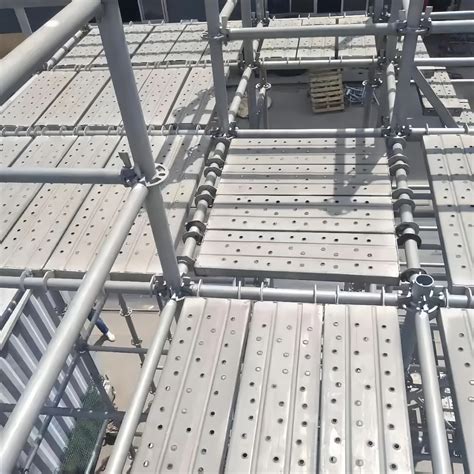
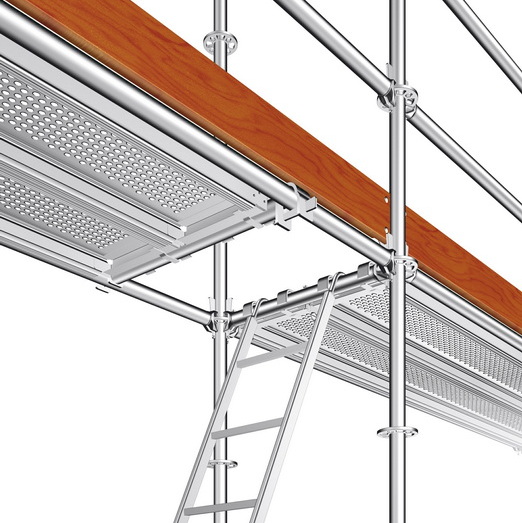
Scaffolding planks are horizontal platforms used in scaffolding systems to support workers and equipment. They can be made from various materials, including wood, aluminum, steel, and composite materials. Each type has distinct advantages and disadvantages.
Types of Scaffolding Planks:
1. Wooden Planks: Traditional option; cost-effective but prone to wear and tear.
2. Aluminum Planks: Lightweight, durable, and resistant to corrosion.
3. Steel Planks: Extremely strong but heavy.
4. Composite Planks: Engineered with wood and resin for specific applications.
Comparing Aluminum Planks to Wooden Planks
1. Strength and Load Capacity
Aluminum planks are engineered to handle higher loads compared to wooden planks. For example:
- Aluminum Planks: Can support up to 75 lbs per square foot or more, meeting OSHA heavy-duty standards.
- Wooden Planks: Typically have lower load-bearing capacities due to their fibrous nature, which makes them prone to bending and cracking under stress.
Key Advantage:
Aluminum's structural integrity ensures greater dependability at higher heights and under heavier loads.
2. Durability
Durability is a critical factor in scaffolding plank selection:
- Aluminum Planks: Resistant to rust, corrosion, warping, and cracking. They maintain their structural integrity even after prolonged exposure to harsh weather conditions.
- Wooden Planks: Susceptible to rotting, warping, moisture absorption, and splintering. They require frequent maintenance and proper storage.
Key Advantage:
Aluminum planks last longer with minimal maintenance compared to wooden planks.
3. Weight
Weight impacts portability, assembly time, and overall ease of use:
- Aluminum Planks: Lightweight design allows easy transportation and setup by one person.
- Wooden Planks: Heavier than aluminum when wet due to moisture absorption; less convenient for frequent movement.
Key Advantage:
Aluminum's light weight reduces labor costs and improves efficiency during assembly.
4. Safety Features
Safety is paramount in scaffolding systems:
- Aluminum Planks: Non-slip surfaces enhance worker safety by reducing the risk of falls. They are also fire-resistant.
- Wooden Planks: While they provide natural grip due to their texture, they are flammable unless chemically treated.
Key Advantage:
Aluminum planks offer better fire resistance and non-slip properties compared to wood.
5. Maintenance Requirements
Maintenance impacts long-term usability:
- Aluminum Planks: Require little maintenance; they do not rust or degrade over time.
- Wooden Planks: Require regular inspections, repairs, and chemical treatments to prevent rot and maintain strength.
Key Advantage:
Aluminum planks are more cost-effective over time due to lower maintenance needs.
Applications of Aluminum vs Wooden Planks
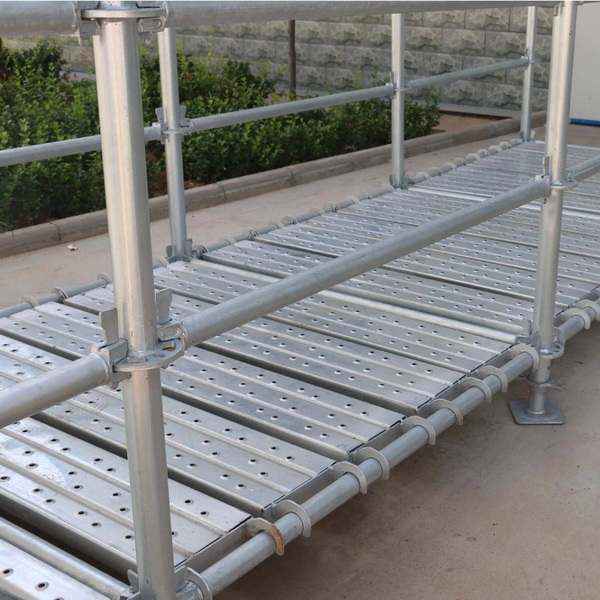
Aluminum Planks
Ideal for:
- High-rise construction projects
- Outdoor scaffolding exposed to harsh weather
- Long-term industrial applications
- Maintenance work requiring frequent movement
Wooden Planks
Suitable for:
- Temporary scaffolding setups
- Indoor projects with controlled environments
- Low-budget construction tasks
Environmental Impact
Aluminum planks are more environmentally friendly than wooden ones:
1. Recyclability: Aluminum can be recycled indefinitely without losing its quality.
2. Longevity: Longer lifespan reduces waste generation.
3. Sustainability: Using aluminum reduces the need for deforestation associated with wooden plank production.
Cost Considerations
While aluminum planks may have a higher upfront cost compared to wood, their durability and low maintenance requirements make them more cost-effective in the long run:
| Feature | Aluminum Planks | Wooden Planks |
| Initial Cost | Higher | Lower |
| Maintenance Costs | Minimal | High |
| Lifespan | 10+ years | 2–5 years |
Case Studies
Case Study 1: Industrial Construction
An industrial contractor replaced wooden planks with aluminum ones for a multi-year project involving high-rise buildings. The aluminum planks' durability reduced replacement costs by 40%, while their lightweight design improved worker efficiency.
Case Study 2: Residential Renovation
A homeowner used wooden planks for a temporary indoor renovation project due to budget constraints but experienced issues with warping after exposure to humidity.
Case Study 3: Bridge Maintenance
A bridge maintenance team selected aluminum planks for their scaffolding due to the harsh outdoor conditions. The planks' corrosion resistance ensured reliability and safety during the project.
Best Practices for Using Aluminum Planks
1. Proper Installation
Ensure that aluminum planks are installed correctly according to the manufacturer's instructions. This includes securing them firmly to the scaffolding frame to prevent shifting or sagging.
2. Regular Inspections
Conduct regular inspections to identify any signs of wear or damage. Check for dents, scratches, or corrosion that could compromise the plank's integrity.
3. Storage and Handling
Store aluminum planks in dry conditions when not in use. Handle them carefully to avoid damage during transportation or assembly.
Market Trends and Future Developments
The scaffolding industry is evolving with advancements in technology and changing regulatory requirements. Trends include:
1. Increased Use of Sustainable Materials: Suppliers are focusing on eco-friendly materials to reduce environmental impact.
2. Integration of Digital Technologies: Some suppliers are adopting digital tools for inventory management and customer service.
3. Enhanced Safety Features: New designs and materials are being developed to improve safety standards.
Comparison with Other Materials
| Material | Strength | Durability | Cost |
| Aluminum | High | Excellent | Moderate |
| Wood | Medium | Fair | Low |
| Steel | Very High | Excellent | High |
| Composite | Medium-High | Good | Moderate |
Conclusion
Aluminum planks for scaffolding are undeniably stronger than wood in terms of load capacity, durability, safety features, and maintenance requirements. While wooden planks may still be suitable for certain low-budget or temporary projects, aluminum offers superior performance across most applications.
Choosing aluminum planks ensures long-term safety, reliability, and cost-effectiveness—making them the ideal choice for construction professionals seeking high-quality scaffolding solutions.
FAQ
1. Are aluminum planks suitable for outdoor use?
Yes! Aluminum's corrosion-resistant properties make it ideal for outdoor applications where exposure to moisture or extreme weather conditions is common.
2. How do aluminum planks compare in weight to wooden ones?
Aluminum planks are significantly lighter than wooden ones. This makes them easier to transport and assemble while reducing labor costs.
3. What is the lifespan of aluminum scaffolding planks?
With proper care, aluminum scaffolding planks can last over 10 years due to their resistance to rust, warping, and cracking.
4. Are aluminum planks more expensive than wood?
Initially yes; however, their longer lifespan and minimal maintenance requirements make them more cost-effective in the long run.
5. Can aluminum scaffolding planks handle heavy loads?
Absolutely! Aluminum planks can support up to 75 lbs per square foot or more depending on their design—meeting OSHA heavy-duty standards.
Citations:
[1] https://aaitscaffold.com/scaffold-plank/why-aluminum-scaffold-planks-are-an-ideal-choice-for-scaffolding-system/
[2] https://veryform.weebly.com/blog/wood-vs-aluminum-scaffold-planks
[3] https://apacsafety.com/scaffold-planks-guide/
[4] https://www.kennisonforest.com/types-of-scaffolding-planks/
[5] https://scaffoldingrentalandsales.com/blog/scaffold-planks-and-boards-which-one-should-you-use/
[6] https://www.concreteconstruction.net/business/management/what-you-need-to-know-about-wood-scaffold-plank_o
[7] https://dss.net/scaffolding-planks-types-material-and-safety/
[8] https://www.happynetty.com/stories/are-aluminium-scaffolding-planks-better-than-wood