Content Menu
● Introduction to Beam Couplers and Adjustable Scaffolding
>> What Are Beam Couplers (Beam Clamps)?
>> What Is Adjustable Scaffolding?
● Types of Beam Couplers and Beam Clamps
>> Key Features
● Compatibility with Adjustable Scaffolding
>> Are Beam Couplers Compatible?
>> Why Is Compatibility Important?
>> How Compatibility Is Achieved
● Benefits of Using Beam Couplers with Adjustable Scaffolding
>> Enhanced Flexibility
>> Increased Safety
>> Cost and Time Efficiency
>> Compliance with Regulations
● Installation and Best Practices
>> Step-by-Step Installation Guide
>> Best Practices
● Safety Standards and Compliance
>> Key Safety Standards
>> Safety Tips
● Real-World Applications and Case Studies
>> High-Rise Construction
>> Bridge Maintenance
>> Industrial Facilities
● Maintenance and Inspection Tips
>> Inspection Checklist
>> Maintenance Best Practices
● Conclusion
● FAQ
>> 1. What is the primary function of a beam coupler (beam clamp) in scaffolding?
>> 2. Are adjustable beam clamps necessary for adjustable scaffolding systems?
>> 3. What safety standards should beam couplers comply with?
>> 4. Can beam couplers be reused in multiple projects?
>> 5. How often should beam couplers and clamps be inspected?
Beam couplers, also known as beam clamps or girder couplers, are critical components in the world of scaffolding. Their main function is to securely connect scaffolding tubes to steel beams or other structural members, ensuring stability and safety for workers at height. With the increasing adoption of adjustable scaffolding on modern construction sites, a common and important question arises: Are beam couplers compatible with adjustable scaffolding? This in-depth article explores the compatibility, types, installation methods, safety considerations, and best practices for using beam couplers with adjustable scaffolding systems.

Introduction to Beam Couplers and Adjustable Scaffolding
What Are Beam Couplers (Beam Clamps)?
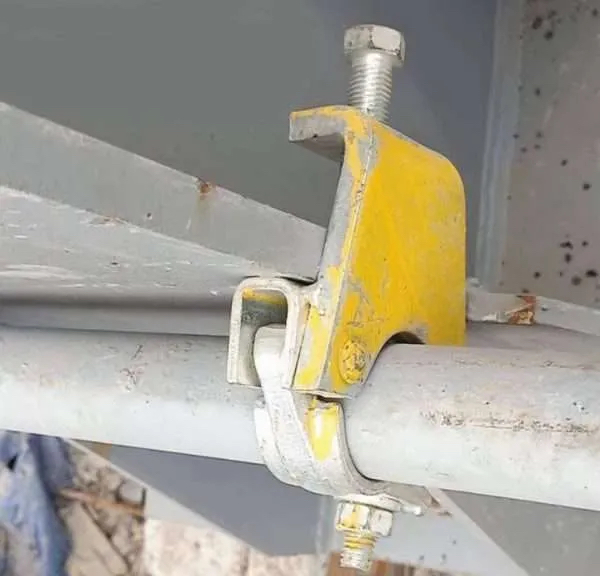
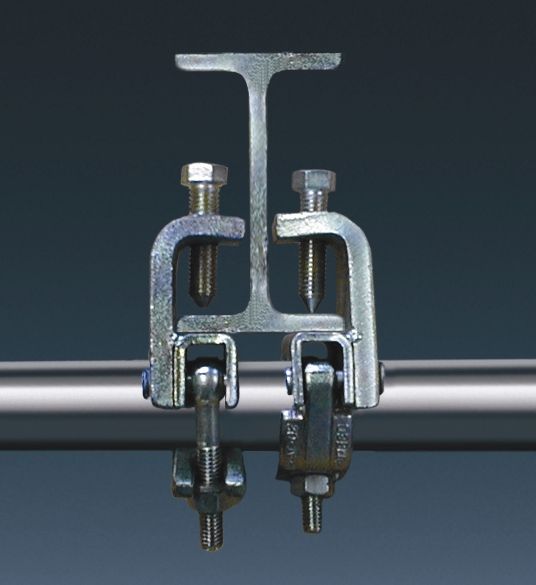
Beam couplers, also called beam clamps or girder couplers, are specialized fittings designed to attach scaffolding tubes to the flanges of steel beams or girders. These devices play a crucial role in construction, maintenance, and industrial projects where scaffolding must be anchored securely to existing structures for stability and safety.
What Is Adjustable Scaffolding?
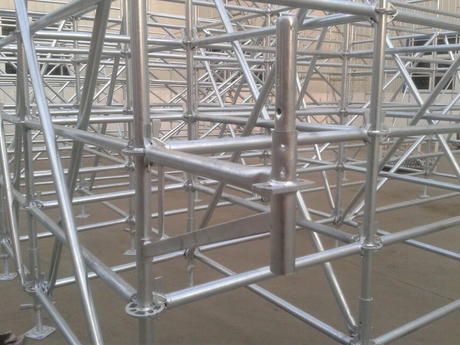
Adjustable scaffolding refers to modular scaffolding systems that allow for quick changes in height, width, and configuration. These systems are designed for flexibility, enabling workers to adapt scaffolding platforms to various project requirements efficiently.
Types of Beam Couplers and Beam Clamps
Beam couplers and clamps come in several types, each suited for specific applications and beam sizes. Understanding these types is crucial for ensuring compatibility with adjustable scaffolding systems.
| Type | Description | Typical Use Case |
| Fixed Beam Clamp | Rigid, non-adjustable; secures tubes at a right angle to the beam | Standard connections where beam size is known |
| Swivel Beam Clamp | Allows tubes to be connected at various angles | Complex scaffolding geometries, uneven surfaces |
| Adjustable Beam Clamp | Can be tightened to fit various beam flange sizes | Projects with unknown or varying beam sizes |
| Girder Coupler | Heavy-duty, designed for connecting tubes to large girders | High-load or suspended scaffolding |
| Extension Beam Clamp | For locking onto thick flanges (up to 81mm) | Industrial or bridge construction |
| JIS Fixed/Swivel Clamp | Japanese standard, for specific right-angle or adjustable connections | Projects requiring compliance with JIS standards |
Key Features
- High Load Capacity: Designed to support heavy scaffolding loads.
- Corrosion Resistance: Often hot-dip galvanized for durability.
- Quick Installation: Many feature quick-release or bolt-on mechanisms for fast assembly.
- Adjustability: Adjustable variants can accommodate a range of beam sizes and shapes.
Compatibility with Adjustable Scaffolding
Are Beam Couplers Compatible?
Yes, beam couplers (beam clamps) are generally compatible with adjustable scaffolding systems. The modular nature of adjustable scaffolding allows for the integration of various accessories, including beam couplers, to meet specific project demands.
Why Is Compatibility Important?
- Structural Stability: Secure connections between scaffolding and structural beams are vital for worker safety.
- Versatility: Adjustable scaffolding often requires flexible anchoring solutions, especially on complex sites.
- Safety Compliance: Proper use of compatible couplers ensures adherence to safety standards and reduces accident risk.
How Compatibility Is Achieved
- Standardized Tube Sizes: Most beam couplers are designed for OD48.3mm tubes, which are standard in adjustable scaffolding systems.
- Adjustable Clamps: These can fit a range of beam flange thicknesses, making them ideal for use with adjustable scaffolding that may be erected on beams of varying sizes.
- Accessory Integration: Adjustable scaffolding systems are engineered to accept a wide range of couplers, including beam clamps, right-angle couplers, and more.
Benefits of Using Beam Couplers with Adjustable Scaffolding
Enhanced Flexibility
Beam couplers allow scaffolding to be anchored to a wide variety of structural beams, no matter their size or orientation. This is particularly useful when working on projects with irregular or complex steelwork, such as bridges, industrial plants, or high-rise buildings.
Increased Safety
By providing a secure connection between the scaffolding and the structure, beam couplers reduce the risk of movement, tipping, or collapse. This is especially important for adjustable scaffolding, which may be reconfigured or repositioned frequently.
Cost and Time Efficiency
Beam couplers are designed for quick installation and removal, which reduces labor costs and project downtime. Their reusability also makes them a cost-effective solution for contractors managing multiple projects.
Compliance with Regulations
Using certified beam couplers and clamps ensures that your scaffolding setup meets local and international safety standards, helping you avoid costly fines or project delays.
Installation and Best Practices
Step-by-Step Installation Guide
1. Inspect Components: Ensure all beam couplers, scaffolding tubes, and adjustable frames are free from damage and corrosion.
2. Select the Correct Coupler: Choose the appropriate beam clamp (fixed, swivel, or adjustable) based on the beam type and required connection.
3. Position the Coupler: Place the coupler over the beam flange and align it with the scaffolding tube.
4. Secure the Connection: Tighten bolts or screws to achieve a firm grip. For adjustable clamps, ensure the fit is snug but not over-tightened.
5. Double-Check Alignment: Verify that the scaffolding is level and that all connections are secure.
6. Repeat as Needed: Use couplers in pairs for maximum stability, especially on suspended or high-load platforms.
Best Practices
- Use in Pairs: Always use beam couplers in pairs for balanced load distribution.
- Follow Manufacturer Guidelines: Adhere to specific installation instructions and torque settings.
- Regular Inspection: Check all couplers and clamps regularly for signs of wear, corrosion, or loosening.
- Compliance: Ensure all components meet local and international safety standards (e.g., BS 1139, EN 74).
Safety Standards and Compliance
Key Safety Standards
- BS 1139 and EN 74: International standards for scaffolding couplers, ensuring strength, durability, and safety.
- AS 1576: Australian standard for beam clamps, specifying maximum flange thickness and load requirements.
- JIS A 8951 and KSD 3501: Japanese standards for fixed and swivel beam clamps.
Safety Tips
- Never Overload: Respect the maximum safe working load for each coupler type and installation scenario.
- Use Genuine Parts: Only use certified and tested couplers and clamps.
- Training: Ensure all personnel are trained in proper installation and inspection procedures.
- Fall Protection: Always use guardrails, toeboards, and personal fall arrest systems when working at height.
Real-World Applications and Case Studies
High-Rise Construction
Beam couplers are used to anchor adjustable scaffolding to structural steel beams on high-rise buildings, providing stable platforms for façade work and window installation.
Bridge Maintenance
Adjustable beam clamps enable flexible scaffolding setups on bridges with varying beam sizes and angles, allowing for safe access during inspection and repair.
Industrial Facilities
In industrial plants, beam couplers secure scaffolding to overhead beams for maintenance of piping, HVAC, and electrical systems.
Maintenance and Inspection Tips
Proper maintenance and regular inspection of beam couplers and adjustable scaffolding are essential for long-term safety and performance.
Inspection Checklist
- Visual Inspection: Check for cracks, deformation, or corrosion on all beam couplers and clamps.
- Bolt Tightness: Ensure all bolts and fasteners are tight and free from rust.
- Fit and Alignment: Verify that couplers fit snugly on both the beam and the scaffolding tube.
- Lubrication: Apply anti-seize lubricant to threads if recommended by the manufacturer.
- Record Keeping: Maintain a log of inspections and any repairs or replacements made.
Maintenance Best Practices
- Clean After Use: Remove dirt, debris, and moisture from couplers after dismantling scaffolding.
- Store Properly: Store beam couplers in a dry, protected area to prevent corrosion.
- Replace Worn Parts: Immediately replace any couplers or clamps showing signs of excessive wear or damage.
Conclusion
Beam couplers (beam clamps) are fully compatible with adjustable scaffolding systems. Their robust design, range of types (fixed, swivel, adjustable), and adherence to international safety standards make them indispensable for modern construction projects. Whether you are working on high-rise buildings, bridges, or industrial facilities, beam couplers provide the secure, flexible connections needed for safe and efficient scaffolding assembly. Always select the right type, follow best practices, and prioritize safety to ensure the success of your project.
FAQ
1. What is the primary function of a beam coupler (beam clamp) in scaffolding?
Beam couplers are designed to securely connect scaffolding tubes to steel beams or girders, providing a stable and safe anchoring point for scaffolding structures.
2. Are adjustable beam clamps necessary for adjustable scaffolding systems?
Adjustable beam clamps are highly recommended for adjustable scaffolding systems, as they can accommodate varying beam sizes and shapes, offering greater flexibility on complex job sites.
3. What safety standards should beam couplers comply with?
Beam couplers should comply with international standards such as BS 1139, EN 74, and, where applicable, AS 1576 or JIS standards, ensuring strength, durability, and safety.
4. Can beam couplers be reused in multiple projects?
Yes, high-quality beam couplers made from durable materials like galvanized steel are designed for repeated use, provided they are regularly inspected and maintained.
5. How often should beam couplers and clamps be inspected?
Beam couplers should be inspected before each use and periodically during long-term projects to check for signs of wear, corrosion, or loosening. Damaged components must be replaced immediately to maintain safety.