Content Menu
● Introduction
● What Are Expandable Aluminum Scaffold Planks?
● What Are Traditional Wooden Planks?
● Key Differences: Expandable Aluminum vs. Wooden Planks
● Durability and Longevity
>> Expandable Aluminum Scaffold Planks
>> Traditional Wooden Planks
● Weight and Portability
>> Expandable Aluminum Scaffold Planks
>> Traditional Wooden Planks
● Safety Features
>> Expandable Aluminum Scaffold Planks
>> Traditional Wooden Planks
● Cost-Effectiveness
>> Expandable Aluminum Scaffold Planks
>> Traditional Wooden Planks
● Environmental Impact
>> Expandable Aluminum Scaffold Planks
>> Traditional Wooden Planks
● Maintenance Requirements
>> Expandable Aluminum Scaffold Planks
>> Traditional Wooden Planks
● Real-World Applications
>> Expandable Aluminum Scaffold Planks
>> Traditional Wooden Planks
● Expert Opinions and Case Studies
>> Expert Quote
>> Case Study: Industrial Contractor
>> Case Study: Coastal Marina Renovation
● Conclusion
● FAQ
>> 1. Are expandable aluminum scaffold planks more expensive than wooden planks?
>> 2. Are aluminum planks safer than wooden planks?
>> 3. How long do aluminum scaffold planks last compared to wooden planks?
>> 4. Can aluminum planks be used in all weather conditions?
>> 5. Are aluminum planks environmentally friendly?
In the construction industry, scaffolding is indispensable for tasks performed at elevated heights. The choice of plank material is crucial for ensuring worker safety, project efficiency, and cost-effectiveness. Expandable aluminum scaffold planks are increasingly favored over traditional wooden planks. But are they truly better? This comprehensive article explores the advantages and disadvantages of both options to provide a clear comparison.
Introduction
Scaffolding planks serve as the primary platforms for workers on scaffolding systems. Traditionally, wood has been the material of choice, but aluminum planks, particularly expandable designs, are gaining traction. This article delves into a detailed comparison to determine if expandable aluminum scaffold planks offer a superior alternative to wooden planks.
What Are Expandable Aluminum Scaffold Planks?
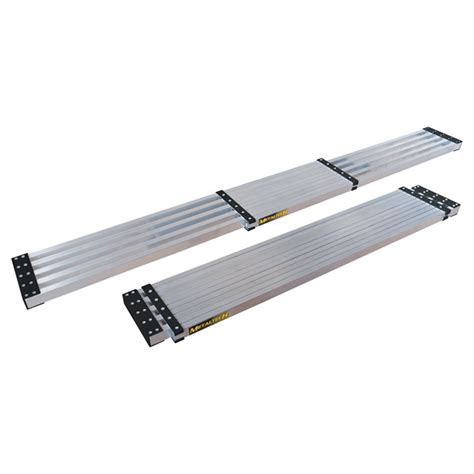
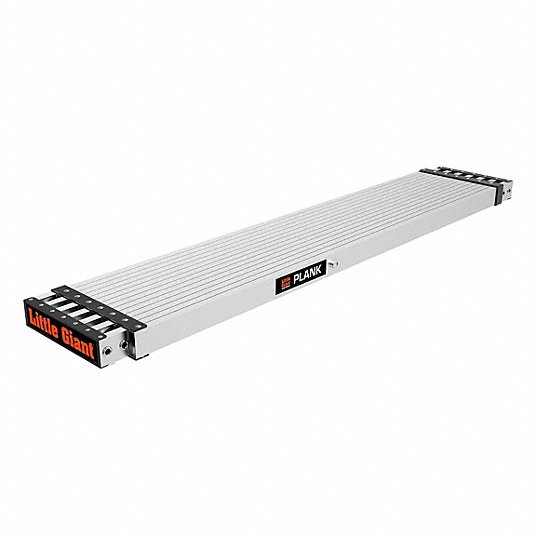
An expandable aluminum scaffold plank is a modular platform made from high-strength aluminum alloy, designed to adjust in length to fit varying scaffold spans. These planks typically feature:
- Adjustable Length: Allowing adaptability to different job sites.
- Lightweight Design: Facilitating easy handling and transport.
- Corrosion Resistance: Aluminum resists rust, enhancing longevity.
- Slip-Resistant Surface: Improving worker safety.
- Secure Locking Mechanisms: Ensuring stability at the desired length.
What Are Traditional Wooden Planks?
Traditional wooden planks are made from lumber, typically softwood like pine or fir. Key characteristics include:
- Fixed Length: Standard lengths with no adjustability.
- Heavier Weight: Can be cumbersome to move and install.
- Susceptibility to Weather: Prone to rot, warping, and splintering.
- Lower Load Capacity: Compared to aluminum, wood can support less weight.
- Lower Initial Cost: Generally more affordable upfront.
Key Differences: Expandable Aluminum vs. Wooden Planks
A head-to-head comparison highlights the strengths and weaknesses of each material.
| Feature | Expandable Aluminum Scaffold Planks | Traditional Wooden Planks |
| Adjustability | Adjustable length for versatile use | Fixed length, limiting adaptability |
| Weight | Lightweight, easy to handle | Heavier, more difficult to maneuver |
| Durability | Corrosion-resistant, long-lasting | Susceptible to rot, warping, and splintering |
| Safety | Slip-resistant surfaces, fire-resistant | Can become slippery when wet, flammable |
| Maintenance | Low maintenance | Requires regular inspection and treatment |
| Cost | Higher initial cost, lower long-term costs | Lower initial cost, higher long-term costs |
| Environmental Impact | Recyclable, reduces deforestation | Can contribute to deforestation if not sustainably sourced |
Durability and Longevity
Expandable Aluminum Scaffold Planks
Aluminum planks are known for their exceptional durability. They resist rust, corrosion, and warping, even in harsh weather conditions. This results in a longer lifespan, often exceeding 10 years with minimal maintenance. Their resistance to environmental factors such as moisture, UV exposure, and temperature fluctuations makes them ideal for prolonged outdoor use.
Traditional Wooden Planks
Wooden planks are prone to wear and tear. They can rot, warp, and splinter, especially when exposed to moisture. This necessitates frequent replacements and regular maintenance to ensure safety, reducing their lifespan to approximately 2-5 years. Additionally, wooden planks may suffer from insect damage or fungal growth if not properly treated.
Weight and Portability
Expandable Aluminum Scaffold Planks
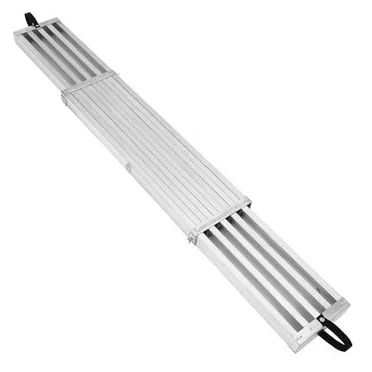
Aluminum's lightweight nature makes these planks easy to handle and transport. This reduces labor costs and improves efficiency, especially for projects requiring frequent setup and takedown. The modular and expandable design further enhances portability by allowing one plank to fit multiple scaffold widths.
Traditional Wooden Planks
Wooden planks are heavier, particularly when wet. This makes them more challenging to move and install, increasing labor and time requirements. Their fixed lengths also mean more planks are needed to cover varying scaffold widths, adding to transportation and storage difficulties.
Safety Features
Expandable Aluminum Scaffold Planks
Aluminum planks often feature slip-resistant surfaces, enhancing worker safety by reducing the risk of falls. They are also fire-resistant, providing an added layer of protection on construction sites. The locking mechanisms on expandable models ensure the plank remains secure at the desired length, preventing accidental slippage.
Traditional Wooden Planks
Wooden planks can become slippery when wet and are flammable unless chemically treated. Splintering can also pose a hazard to workers, increasing the risk of injury. Additionally, wooden planks may weaken over time, compromising structural integrity if not regularly inspected.
Cost-Effectiveness
Expandable Aluminum Scaffold Planks
While the initial cost of aluminum planks is higher, their durability and low maintenance requirements make them more cost-effective over the long term. Reduced replacement frequency and labor costs contribute to significant savings. The adaptability of expandable planks also reduces the number of planks needed, lowering inventory costs.
Traditional Wooden Planks
Wooden planks have a lower upfront cost but require frequent replacement and maintenance, leading to higher long-term expenses. The costs associated with potential safety incidents due to plank failure should also be considered.
| Cost Factor | Expandable Aluminum Scaffold Planks | Traditional Wooden Planks |
| Initial Cost | Higher | Lower |
| Maintenance Cost | Lower | Higher |
| Replacement Cost | Lower | Higher |
| Labor Cost | Lower | Higher |
Environmental Impact
Expandable Aluminum Scaffold Planks
Aluminum is recyclable, making it an environmentally friendly choice. The longer lifespan of aluminum planks also reduces waste generation. Additionally, manufacturing processes for aluminum are increasingly incorporating sustainable practices.
Traditional Wooden Planks
The production of wooden planks can contribute to deforestation if not sustainably harvested. Chemical treatments to prevent rot and fire hazards can also have environmental consequences. However, wood is a renewable resource when sourced responsibly.
Maintenance Requirements
Expandable Aluminum Scaffold Planks
Aluminum planks require minimal maintenance. Routine cleaning to remove debris is typically sufficient to keep them in good condition. Periodic inspection of locking mechanisms and structural integrity ensures continued safety and performance.
Traditional Wooden Planks
Wooden planks require regular inspections for damage, as well as chemical treatments to prevent rot and fire. This can be time-consuming and costly. Additionally, damaged planks must be replaced promptly to maintain safety.
Real-World Applications
Expandable Aluminum Scaffold Planks
- High-Rise Construction: Their durability and safety are ideal for multi-story projects.
- Bridge Maintenance: Corrosion resistance is crucial in harsh outdoor conditions.
- Industrial Sites: Lightweight design enhances efficiency in complex environments.
- Maritime and Coastal Projects: Aluminum's corrosion resistance makes it suitable for marine environments.
Traditional Wooden Planks
- Temporary Scaffolding: Suitable for short-term projects with limited budgets.
- Indoor Renovation: Acceptable for controlled environments with minimal weather exposure.
- Low-Budget Projects: An economical choice when initial costs are a primary concern.
Expert Opinions and Case Studies
Expert Quote
"Aluminum scaffolding boards are a better choice than traditional wooden scaffolding boards. They are more durable, lightweight, safer, and require less maintenance," says.
Case Study: Industrial Contractor
An industrial contractor replaced wooden planks with aluminum ones for a multi-year project involving high-rise buildings. The aluminum planks' durability reduced replacement costs by 40%, while their lightweight design improved worker efficiency.
Case Study: Coastal Marina Renovation
A marina renovation project opted for expandable aluminum scaffold planks due to their corrosion resistance. The planks maintained structural integrity despite constant exposure to saltwater, outperforming wooden alternatives.
Conclusion
Expandable aluminum scaffold planks generally offer a superior alternative to traditional wooden planks. Their adjustability, lightweight design, durability, and enhanced safety features make them a cost-effective and environmentally friendly choice for most applications. While wooden planks may have a lower initial cost, the long-term benefits of aluminum planks, including reduced maintenance, longer lifespan, and improved worker safety, often outweigh the higher upfront investment. For projects prioritizing safety, efficiency, and sustainability, expandable aluminum scaffold planks are the clear winner.
FAQ
1. Are expandable aluminum scaffold planks more expensive than wooden planks?
Yes, the initial cost of expandable aluminum scaffold planks is typically higher than wooden planks. However, their longer lifespan and reduced maintenance can make them more cost-effective over time.
2. Are aluminum planks safer than wooden planks?
Yes, aluminum planks generally offer enhanced safety features, such as slip-resistant surfaces and fire resistance, making them safer than wooden planks.
3. How long do aluminum scaffold planks last compared to wooden planks?
Aluminum scaffold planks can last 10 years or more with proper care, while wooden planks typically last 2-5 years due to their susceptibility to rot and wear.
4. Can aluminum planks be used in all weather conditions?
Yes, aluminum planks are resistant to corrosion and can withstand harsh weather conditions, making them suitable for outdoor use.
5. Are aluminum planks environmentally friendly?
Yes, aluminum is recyclable, and the longer lifespan of aluminum planks reduces waste generation, making them an environmentally friendly choice.