Content Menu
● What Are Scaffolding Walk Through Frames?
● OSHA's Role in Scaffolding Safety
>> Key OSHA Scaffold Requirements Relevant to Walk Through Frames
● Are Scaffolding Walk Through Frames Specifically OSHA Approved?
● Design and Construction Considerations for OSHA Compliance
>> Load Capacity and Structural Integrity
>> Access and Egress
>> Guardrails and Fall Protection
>> Inspection and Maintenance
● Best Practices for Using Scaffolding Walk Through Frames Safely
● Common Misconceptions About Scaffolding Walk Through Frames and OSHA Approval
>> Misconception 1: OSHA “Approves” Specific Scaffold Components
>> Misconception 2: All Walk Through Frames Automatically Comply with OSHA
>> Misconception 3: Cross Braces Can Be Used as Access
● Integration with Other Scaffolding Systems
● Conclusion
● FAQ
>> 1. Are scaffolding walk through frames considered a safe means of access under OSHA?
>> 2. What load capacity must scaffolding walk through frames support?
>> 3. Can cross braces be used as access to scaffolding walk through frames?
>> 4. Who is responsible for inspecting scaffolding walk through frames?
>> 5. What fall protection is required around scaffolding walk through frames?
Scaffolding walk through frames are a common component in construction scaffolding systems, designed to provide safe access and egress for workers and sometimes pedestrians. Given the critical role scaffolding plays in workplace safety, a frequent question arises: Are scaffolding walk through frames OSHA approved? This article provides a comprehensive examination of OSHA regulations related to scaffolding walk through frames, their compliance requirements, safety standards, and best practices.
What Are Scaffolding Walk Through Frames?
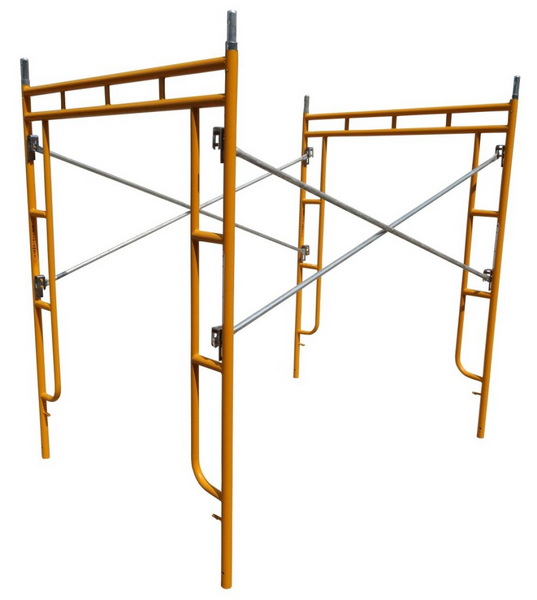
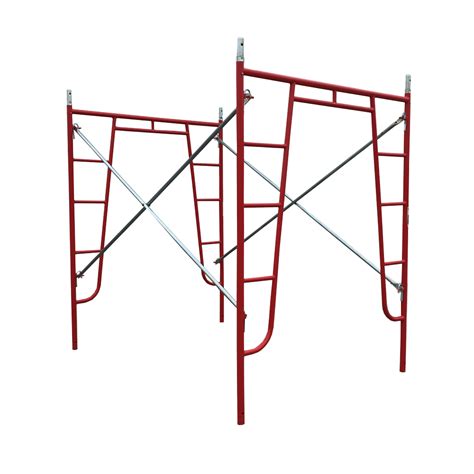
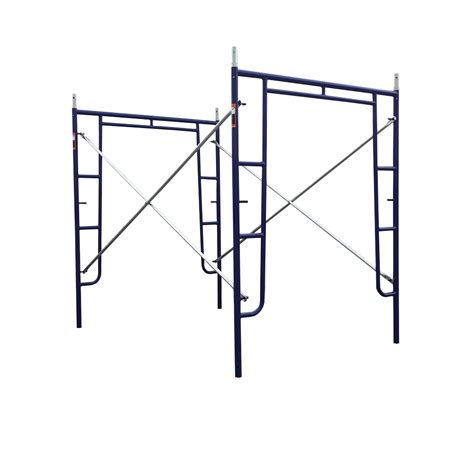
Scaffolding walk through frames are vertical scaffold frames designed with an open space or “walk-through” area that allows workers or pedestrians to pass through safely beneath or within the scaffold structure. These frames are often used to create covered walkways (scaffold sheds) on construction sites to protect people from falling debris or to provide access points within scaffolding systems.
Walk through frames are typically constructed from steel or aluminum tubing and come in various sizes to accommodate different site requirements. They are designed to be modular, allowing for quick assembly and disassembly, which is essential on dynamic construction sites.
OSHA's Role in Scaffolding Safety
The Occupational Safety and Health Administration (OSHA) sets and enforces standards to ensure safe working conditions, including comprehensive regulations for scaffolding systems. OSHA's scaffolding standards are primarily found in 29 CFR 1926 Subpart L, which covers requirements for scaffold design, construction, use, and inspection.
Key OSHA Scaffold Requirements Relevant to Walk Through Frames
- Load Capacity: Scaffold components must support their own weight plus at least four times the maximum intended load without failure.
- Safe Access: Employers must provide safe access to scaffolds when platforms are more than 2 feet above or below a point of access. Permitted access methods include ladders, stair towers, ramps, walkways, and integral prefabricated frames.
- Guardrails and Fall Protection: Guardrails or personal fall arrest systems are required on scaffolds more than 10 feet above a lower level.
- Inspection and Competent Person: A competent person must inspect scaffolds before each work shift and after any event that could affect structural integrity.
- Prohibition on Cross Braces as Access: Cross braces cannot be used as a means of access.
Are Scaffolding Walk Through Frames Specifically OSHA Approved?
OSHA does not certify or “approve” specific scaffold components or brands. Instead, OSHA sets performance and safety standards that all scaffolding components, including walk through frames, must meet or exceed.
- Integral Prefabricated Frames: OSHA allows the use of integral prefabricated frames as a means of access if they are specifically designed and constructed for that purpose.
- Compliance with Load and Safety Standards: Walk through frames must be capable of supporting the required loads and must be installed following OSHA's general scaffolding requirements.
- Safe Access Compliance: If walk through frames are used as access points, they must comply with OSHA's access requirements, including safe distances and proper design.
In summary, scaffolding walk through frames are OSHA compliant if they meet OSHA's design, load, and safety requirements and are installed properly. They are not “approved” by OSHA per se but must comply with OSHA regulations.
Design and Construction Considerations for OSHA Compliance
Load Capacity and Structural Integrity
- Frames must support their own weight plus four times the intended load to ensure safety under working conditions.
- Components should be made from durable materials such as steel or aluminum and meet recognized standards (e.g., BS standard scaffolding tubes or EN standards).
- The quality of welds, couplers, and fasteners is critical to maintaining structural integrity.
Access and Egress
- Walk through frames must allow safe passage without obstruction.
- The opening dimensions should accommodate workers, materials, and equipment safely.
- Access points should be equipped with guardrails and toeboards where necessary.
- The design should prevent tripping hazards and allow for easy movement of personnel and materials.
Guardrails and Fall Protection
- Guardrails must be installed on platforms adjacent to walk through frames if the scaffold height exceeds 10 feet.
- Personal fall arrest systems may be required depending on scaffold type and height.
- Toeboards should be installed to prevent tools or debris from falling off the platform.
Inspection and Maintenance
- A competent person must inspect walk through frames regularly for damage, loose fittings, or wear.
- Damaged or defective frames must be repaired or replaced immediately to maintain compliance and safety.
- Regular maintenance includes checking for corrosion, deformation, and secure fastening of all components.
Best Practices for Using Scaffolding Walk Through Frames Safely
- Training: Workers must be trained on scaffold hazards, proper use, and emergency procedures.
- Clear Signage: Mark walk through areas clearly to direct pedestrian and worker traffic safely.
- Regular Cleaning: Keep walk through frames and surrounding platforms free of debris and obstructions.
- Weather Considerations: Secure frames and platforms against wind and weather to prevent accidents.
- Integration with Other Systems: Use compatible accessories such as forged couplers, aluminum scaffold planks, and Cuplock fittings to ensure structural stability.
- Load Management: Avoid overloading the scaffold and ensure even distribution of materials.
- Emergency Access: Maintain clear access routes for emergency situations.
Common Misconceptions About Scaffolding Walk Through Frames and OSHA Approval
Misconception 1: OSHA “Approves” Specific Scaffold Components
Many believe OSHA issues certifications or approvals for specific scaffold products. In reality, OSHA sets performance standards and relies on manufacturers and employers to ensure compliance. Components like scaffolding walk through frames must meet these standards but are not individually “approved” by OSHA.
Misconception 2: All Walk Through Frames Automatically Comply with OSHA
Not all walk through frames comply with OSHA by default. Compliance depends on proper design, load capacity, installation, and maintenance. Using substandard or damaged frames can lead to OSHA violations and safety hazards.
Misconception 3: Cross Braces Can Be Used as Access
Some workers mistakenly use cross braces to climb scaffolds. OSHA explicitly prohibits this practice due to safety risks.
Integration with Other Scaffolding Systems
Scaffolding walk through frames are often integrated with other scaffolding components and systems to enhance safety and functionality:
- Cuplock Scaffolding: Modular and quick to assemble, Cuplock fittings can be used to connect walk through frames securely.
- Layher Metric All-Round Scaffolding: Popular in Europe, this system's metric dimensions allow compatibility with walk through frames for comprehensive site protection.
- Aluminum Scaffold Planks: Lightweight planks provide stable decking on frames.
- Forged Couplers and Clamps: These ensure secure connections between frames and braces.
Proper integration ensures the scaffold system meets all safety requirements and functions efficiently.
Conclusion
Scaffolding walk through frames are not individually “OSHA approved,” but they must comply with OSHA's comprehensive scaffolding standards. Compliance includes meeting load capacity requirements, providing safe access, ensuring structural integrity, and incorporating fall protection measures. Proper assembly, regular inspection by a competent person, and worker training are essential to maintaining safety and OSHA compliance. When installed and maintained correctly, scaffolding walk through frames contribute significantly to safe scaffold use on construction sites.
FAQ
1. Are scaffolding walk through frames considered a safe means of access under OSHA?
Yes, if they are specifically designed and constructed for access, comply with OSHA's load and safety requirements, and are properly installed, scaffolding walk through frames are an acceptable means of access.
2. What load capacity must scaffolding walk through frames support?
They must support at least four times the maximum intended load plus their own weight without failure.
3. Can cross braces be used as access to scaffolding walk through frames?
No, OSHA prohibits the use of cross braces as a means of access.
4. Who is responsible for inspecting scaffolding walk through frames?
A competent person trained to identify hazards and ensure compliance must inspect scaffolding walk through frames before each work shift and after any event that could affect structural integrity.
5. What fall protection is required around scaffolding walk through frames?
Guardrails or personal fall arrest systems are required on scaffolds more than 10 feet above a lower level, including platforms adjacent to walk through frames.