Content Menu
● Introduction to Pipe Coupler Scaffolding
>> Importance of Scaffolding Couplers
>> Types of Scaffolding Couplers
● Applications of Pipe Coupler Scaffolding
● Benefits of Pipe Coupler Scaffolding
● Materials Used in Pipe Coupler Scaffolding
● Steel vs. Aluminum
● Setting Up Pipe Coupler Scaffolding
● Safety Considerations
● Safety Tips
● Advanced Scaffolding Techniques
>> Innovative Scaffolding Solutions
>> Case Studies
● Environmental Considerations
● Sustainable Scaffolding Practices
● Future of Pipe Coupler Scaffolding
● Emerging Trends
● Conclusion
● FAQ
>> 1. What are the primary materials used for scaffolding couplers?
>> 2. How do girder couplers work?
>> 3. What are the benefits of using quality scaffold tube couplers?
>> 4. How do you ensure safety when using pipe coupler scaffolding?
>> 5. What types of projects typically use pipe coupler scaffolding?
● Citations:
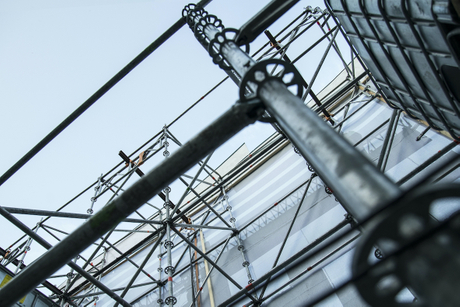
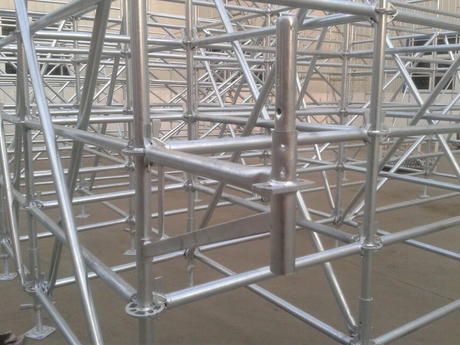
In the realm of construction and heavy-duty projects, scaffolding plays a crucial role in ensuring safety and efficiency. Among the various components of scaffolding systems, pipe coupler scaffolding stands out as a vital element. This article will delve into the world of pipe coupler scaffolding, exploring its importance, types, applications, and benefits, along with visual aids and videos to enhance understanding.
Introduction to Pipe Coupler Scaffolding
Pipe coupler scaffolding involves using couplers to connect scaffolding tubes, creating stable platforms for workers and materials at different heights. These couplers are essential for building scaffolding frames, ensuring safety and efficiency on construction sites.
Importance of Scaffolding Couplers
Scaffolding couplers are the backbone of scaffolding systems. They connect horizontal parts to vertical poles, making strong frameworks that can handle heavy loads. A single scaffold tube can support up to 35 kN, meeting structural needs. The couplers ensure the structure is safe and stable by joining two scaffold tubes, either end-to-end or at an angle, using different types of couplers like sleeve and swivel couplers.
Types of Scaffolding Couplers
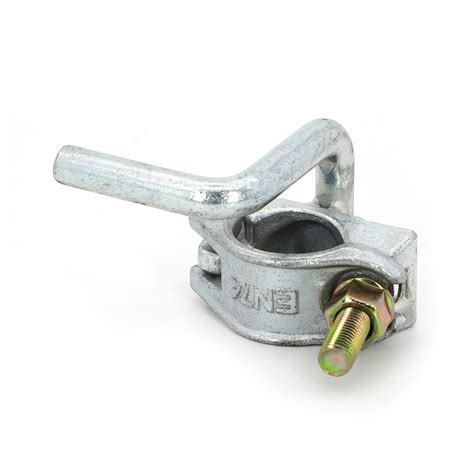
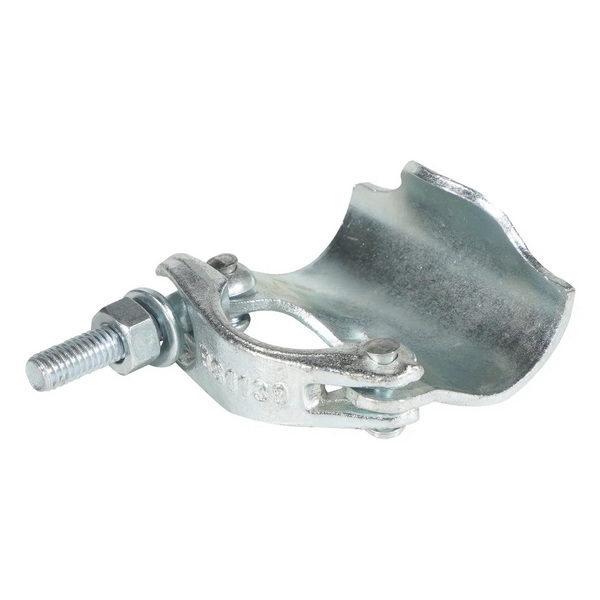
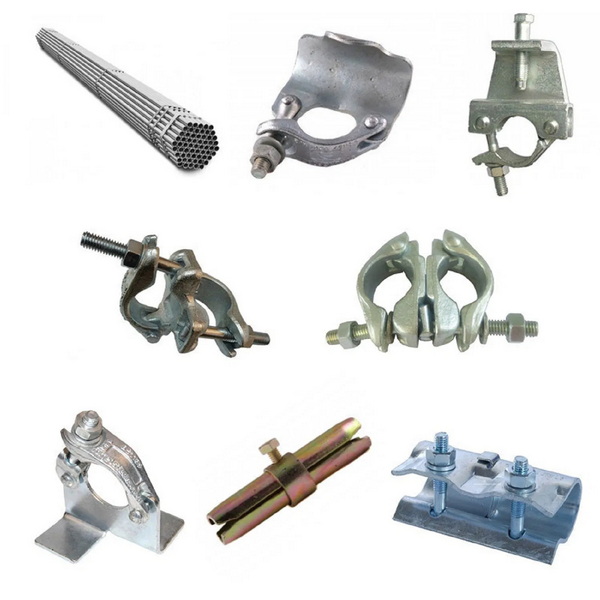
There are several types of scaffolding couplers, each designed for specific tasks:
- Right Angle Couplers: Used for connecting tubes at a 90-degree angle.
- Swivel Couplers: Allow for connections at various angles.
- Sleeve Couplers: Connect tubes end-to-end.
- Girder Couplers: Link scaffold tubes to beams and columns.
Applications of Pipe Coupler Scaffolding
Pipe coupler scaffolding is versatile and can be adapted to various construction projects, including government buildings, sports stadiums, and complex architectural designs. Its demand is increasing globally, particularly in regions with rapid infrastructure development.
Benefits of Pipe Coupler Scaffolding
1. Safety: Ensures a stable working platform, reducing the risk of accidents.
2. Flexibility: Can be adjusted to fit around complex shapes or obstacles.
3. Durability: Made from strong materials like steel and aluminum, offering long-term use.
4. Cost-Effectiveness: Reduces labor and material costs by facilitating quick setup and teardown.
Materials Used in Pipe Coupler Scaffolding
The choice of material for scaffolding tubes and couplers is crucial for the overall strength and durability of the structure. Steel is preferred for heavy-duty projects due to its strength, while aluminum is lighter and easier to handle, making it suitable for most tasks.
Steel vs. Aluminum
- Steel Couplers: Best for heavy-duty jobs due to their high strength.
- Aluminum Couplers: Lighter, easier to move, and still strong enough for most tasks.
Setting Up Pipe Coupler Scaffolding
Setting up scaffolding requires careful planning and execution to ensure safety and stability. Here are some steps to consider:
1. Plan the Scaffold Layout: Determine the size and shape of the scaffold based on the project's requirements.
2. Assemble the Base: Use right angle clamps to secure the base tubes.
3. Add Horizontal Members: Install bearers and ledgers at regular intervals.
4. Install Work Planks: Ensure they are securely fastened to the scaffold frame.
Safety Considerations
Safety is paramount when working with scaffolding. Ensure that all couplers are properly secured, and the structure is regularly inspected for any signs of wear or damage.
Safety Tips
- Always follow manufacturer guidelines for coupler usage.
- Regularly inspect scaffolding for damage or wear.
- Ensure proper training for scaffolding assembly and disassembly.
Advanced Scaffolding Techniques
For complex projects, advanced scaffolding techniques are employed to ensure stability and safety. These include using specialized couplers for unique angles and shapes, as well as integrating scaffolding with other construction equipment.
Innovative Scaffolding Solutions
- Modular Scaffolding Systems: Allow for quick assembly and disassembly.
- Cantilever Scaffolding: Useful for projects where space is limited.
- Suspended Scaffolding: Ideal for high-rise buildings.
Case Studies
1. Construction of High-Rise Buildings: Scaffolding is used to provide access to exterior walls for painting, repairs, and maintenance.
2. Bridge Maintenance: Scaffolding is essential for accessing hard-to-reach areas under bridges.
3. Historical Building Restoration: Scaffolding allows for delicate work on intricate architectural details.
Environmental Considerations
In recent years, there has been a growing emphasis on environmental sustainability in construction. Scaffolding systems can be designed to minimize waste and reduce environmental impact by using recyclable materials and optimizing scaffold layout to reduce material usage.
Sustainable Scaffolding Practices
- Use of Recyclable Materials: Many scaffolding components can be recycled, reducing waste.
- Energy Efficiency: Optimize scaffold design to reduce the need for lighting and heating.
Future of Pipe Coupler Scaffolding
As technology advances, scaffolding systems are becoming more sophisticated. Innovations include the use of advanced materials, digital tools for scaffold design, and automation in assembly processes.
Emerging Trends
- Digital Scaffolding Design: Software tools allow for precise planning and simulation.
- Automated Assembly: Robots and drones are being explored for faster setup and teardown.
Conclusion
Pipe coupler scaffolding is a critical component in the construction industry, providing a safe and efficient way to access high areas during projects. By understanding the different types of couplers, their applications, and benefits, construction teams can optimize their scaffolding systems for better outcomes.
FAQ
1. What are the primary materials used for scaffolding couplers?
Scaffolding couplers are typically made from steel or aluminum, with steel being preferred for heavy-duty tasks due to its strength and durability.
2. How do girder couplers work?
Girder couplers clamp onto the flanges of structural sections like beams, preventing slipping and ensuring stability. They are crucial for linking scaffold tubes to structural elements.
3. What are the benefits of using quality scaffold tube couplers?
Quality scaffold tube couplers offer increased durability, cost-effectiveness, and enhanced safety by providing a stable framework that can withstand heavy loads.
4. How do you ensure safety when using pipe coupler scaffolding?
Safety is ensured by following proper assembly and disassembly procedures, regularly inspecting the scaffolding for damage, and ensuring all couplers are securely fastened.
5. What types of projects typically use pipe coupler scaffolding?
Pipe coupler scaffolding is commonly used in large-scale construction projects, including government buildings, sports stadiums, and complex architectural designs where access to high areas is necessary.
Citations:
[1] https://scaffoldtype.com/scaffolding-coupler/
[2] https://www.youtube.com/watch?v=a5VG7k_boDs
[3] https://patents.google.com/patent/CN211693891U/en
[4] https://scaffoldtype.com/scaffold-tube-couplers/
[5] https://www.youtube.com/watch?v=ZM6Tlh_NAnQ
[6] https://patents.google.com/patent/WO2003091512A1/zh
[7] https://shop.leachs.com/blogs/news/top-8-essential-scaffold-fixings-protect-your-projects-and-avoid-the-risks-of-unsecured-scaffolding
[8] https://www.youtube.com/watch?v=8pc8EyZFXsI
[9] https://patents.google.com/patent/CN103213782A/en