Content Menu
● What Is a 6 Aluminum Plank?
● Key Advantages
● Technical Specifications of 6 Aluminum Plank
● Can a 6 Aluminum Plank Be Used for Decking?
● Common Applications
● Installation Process of 6 Aluminum Plank Decking
>> 1. Preparation and Framing
>> 2. Cutting and Fitting
>> 3. Laying Planks
>> 4. Fastening
>> 5. Finishing Touches
● Real-World Examples and Applications
>> Residential Decks
>> Commercial Walkways
>> Docks and Marinas
>> Bleacher Seating
● Conclusion
● FAQ
>> 1. What is the weight capacity of a 6 aluminum plank?
>> 2. Is a 6 aluminum plank decking system waterproof?
>> 3. How do you clean and maintain a 6 aluminum plank deck?
>> 4. Can I install 6 aluminum plank decking myself?
>> 5. Does aluminum decking get hot in the sun?
Aluminum decking has rapidly gained popularity as a durable, low-maintenance alternative to traditional wood and composite decks. Among the various options available, the 6 inch aluminum plank stands out for its strength, versatility, and ease of installation. But can a 6 aluminum plank truly be used for decking? This comprehensive guide explores the technical details, installation process, benefits, drawbacks, and real-world applications of 6 aluminum plank decking.
What Is a 6 Aluminum Plank?
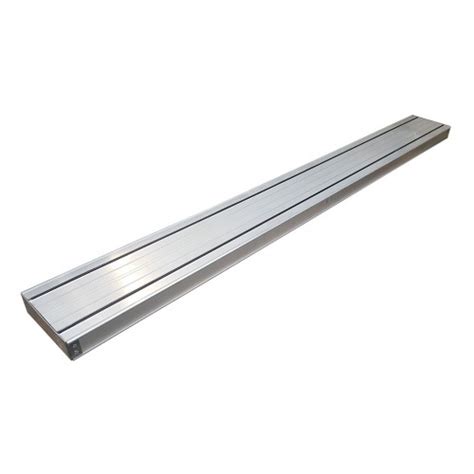
A 6 aluminum plank typically refers to an extruded aluminum board that is 6 inches wide and designed for use as a decking surface. These planks are available in various lengths (commonly 12', 16', 20', and even up to 24') and usually have a thickness or profile of about 1 inch. The planks feature interlocking or pressure-locked designs to ensure waterproofing and structural stability.
The 6-inch width is a standard size that balances ease of handling with coverage efficiency, making it a popular choice for both residential and commercial decking projects. Aluminum planks are often anodized or powder-coated to enhance corrosion resistance and aesthetic appeal.
Key Advantages
- Exceptional Durability: Aluminum planks do not warp, crack, split, or rot, even after years of exposure to the elements. Unlike wood, they resist moisture damage and insect infestation.
- Low Maintenance: No need for staining, sealing, or painting. Occasional cleaning with soap and water is sufficient to keep the deck looking new.
- Fire and Slip Resistance: Aluminum is non-combustible and, with the right coatings, provides excellent slip resistance, even when wet. This makes it ideal for areas prone to rain or snow.
- Lightweight and Strong: Aluminum decking is up to four times lighter than wood or composite but can support heavy loads (often over 200 lbs per square foot). This makes handling and installation easier and reduces stress on supporting structures.
- Eco-Friendly: Aluminum is recyclable and often contains a significant percentage of recycled material, reducing environmental impact.
- Aesthetic Versatility: Available in various finishes, including mill, anodized, and powder-coated colors, allowing customization to match architectural styles.
Technical Specifications of 6 Aluminum Plank
Specification |
Typical Value |
Width |
6 inches |
Thickness/Profile |
1 inch |
Lengths Available |
12', 14', 16', 18', 20', 24' |
Weight Capacity |
225–260 lbs/sq ft or higher |
Finish Options |
Mill, anodized, powder-coated |
Surface Texture |
Non-skid, grooved, smooth |
Waterproof Options |
Pressure-locked, watertight |
These specifications ensure that 6 aluminum planks are engineered to withstand the rigors of outdoor use, including heavy foot traffic, weather extremes, and UV exposure.
Can a 6 Aluminum Plank Be Used for Decking?
Yes, a 6 aluminum plank is specifically designed for decking applications. These planks are engineered to provide a stable, weather-resistant, and long-lasting surface for outdoor decks, docks, bleachers, and even rooftop platforms. The 6-inch width is a standard size, making it easy to plan layouts and achieve a seamless, professional finish.
Common Applications
- Residential decks and patios
- Commercial walkways and balconies
- Docks and marine platforms
- Bleachers and stadium seating
- Rooftop terraces and observation decks
The versatility of the 6 aluminum plank means it can be adapted to various design requirements, including curved layouts and multi-level decks.

Installation Process of 6 Aluminum Plank Decking
1. Preparation and Framing
- Ensure the substructure is level and built to code, using either wood or aluminum framing. Aluminum framing is preferred for maximum corrosion resistance.
- Joist spacing is critical; most 6 aluminum plank systems recommend 12" to 24" on-center spacing depending on load requirements.
2. Cutting and Fitting
- Use a carbide-tipped, non-ferrous saw blade for cutting planks to length.
- File any burrs for a smooth finish to prevent injury and ensure proper fit.
3. Laying Planks
- Place the 6 aluminum planks perpendicular to the joists.
- Interlock or pressure-lock the planks if using a waterproof system to prevent water infiltration and improve structural integrity.
4. Fastening
- Secure the planks to the joists with manufacturer-recommended screws or hidden fasteners.
- Stainless steel fasteners are preferred to avoid galvanic corrosion between aluminum and other metals.
5. Finishing Touches
- Install edge trims, end caps, and railing as needed for safety and aesthetics.
- Seal any exposed cut ends with aluminum-compatible sealant to prevent corrosion.
- Routine Cleaning: Use mild soap and water with a soft brush every 2-3 months to remove dirt and debris.
- Stubborn Stains: Apply a vinegar solution or commercial aluminum cleaner to remove stains such as bird droppings or mildew.
- Avoid Harsh Chemicals: Do not use bleach or ammonia, as these can damage the protective coating and cause discoloration.
- Seasonal Inspection: Check for loose screws, dents, or signs of oxidation and address promptly to maintain safety and appearance.
- Snow Removal: Use a rubber-edged shovel to avoid scratching the surface. Avoid salt or ice melt products that can corrode aluminum.
Proper maintenance ensures the deck remains safe, attractive, and functional for decades.
Pros |
Cons |
Extremely durable and long-lasting |
Higher upfront cost than wood/composite |
Low maintenance |
Limited color/style options |
Fire, mold, and insect resistant |
Can be slippery when icy |
Lightweight and easy to handle |
May feel less comfortable underfoot |
Waterproof and watertight options |
May produce a hollow sound when walked on |
Eco-friendly and recyclable |
Repairs can be costly |
Stays cooler than wood/composite |
Requires special tools for cutting |
The benefits of 6 aluminum plank decking often outweigh the drawbacks, especially for those seeking longevity and minimal upkeep.
Real-World Examples and Applications
Residential Decks
Homeowners choose 6 aluminum plank decking for its clean look and durability. It works well for pool decks, rooftop terraces, and garden patios, providing a modern aesthetic that complements contemporary architecture.
Commercial Walkways
In commercial settings, 6 aluminum plank decks are used for elevated walkways, balconies, and outdoor seating areas. Their fire resistance and slip-resistant surfaces meet stringent safety codes.
Docks and Marinas
Aluminum planks resist saltwater corrosion, making them ideal for docks and marina platforms. Their waterproof and non-absorbent nature prevents swelling and damage common with wood decks in marine environments.
Bleacher Seating
Sports venues benefit from 6 aluminum plank bleachers due to their strength, weather resistance, and ease of cleaning. Lightweight planks also facilitate quick installation and replacement.
Conclusion
A 6 aluminum plank is not only suitable but highly recommended for decking applications. Its unmatched durability, low maintenance requirements, fire and slip resistance, and eco-friendly profile make it a top choice for both residential and commercial projects. While the initial investment may be higher than traditional materials, the longevity and performance of 6 aluminum plank decking provide excellent long-term value. Whether you're building a backyard retreat, a commercial walkway, or a dock, 6 aluminum planks deliver a safe, attractive, and enduring solution.

FAQ
1. What is the weight capacity of a 6 aluminum plank?
A 6 aluminum plank can typically support between 225–260 lbs per square foot, with some brands tested to over 1,000 lbs/sq ft when properly installed on recommended joist spacing.
2. Is a 6 aluminum plank decking system waterproof?
Most 6 aluminum plank systems feature pressure-locked or interlocking designs that create a watertight seal, preventing water from passing through the deck surface.
3. How do you clean and maintain a 6 aluminum plank deck?
Clean with mild soap and water every few months. For tough stains, use a vinegar solution or commercial aluminum cleaner. Avoid bleach and harsh chemicals.
4. Can I install 6 aluminum plank decking myself?
Yes, DIY installation is possible with basic tools and some experience. Use a carbide-tipped saw blade for cutting and follow manufacturer instructions for fastening and waterproofing.
5. Does aluminum decking get hot in the sun?
Aluminum decking can warm up in direct sunlight, but it generally stays cooler than wood or composite decking due to its heat-dissipating properties.