Content Menu
● What Is Tube and Clamp Scaffolding?
● Why Assembly Speed Matters
● How a Tube and Clamp Scaffolding Manual Boosts Assembly Speed
>> 1. Clear, Step-by-Step Instructions
>> 2. Component Identification and Usage
>> 3. Standardized Procedures
>> 4. Pre-Assembly Tips and Tricks
>> 5. Efficient Erection Techniques
>> 6. Safety Integration
● Real-World Assembly: Manual vs. No Manual
● Step-by-Step Assembly Using a Manual
>> 1. Planning and Preparation
>> 2. Foundation Setup
>> 3. Building Frames and Zones
>> 4. Platform and Guardrail Installation
>> 5. Anchoring and Inspection
● Best Practices Highlighted in Manuals
● Advanced Techniques and Troubleshooting
● Expanding the Value of Manuals: Training, Safety, and Efficiency
>> Training New Workers
>> Ensuring Regulatory Compliance
>> Reducing Rework and Downtime
>> Supporting Ongoing Maintenance and Safety Audits
● Conclusion
● FAQ
>> 1. How does a tube and clamp scaffolding manual improve assembly speed?
>> 2. Can beginners use a manual to assemble scaffolding safely?
>> 3. Are there video resources that complement tube and clamp scaffolding manuals?
>> 4. What are the most common mistakes that a manual helps prevent?
>> 5. Where can I download a tube and clamp scaffolding manual?
Tube and clamp scaffolding is a staple in construction, maintenance, and renovation projects worldwide due to its strength, flexibility, and adaptability. However, its customizable nature also means that assembly can be complex-especially for those new to the system or working under tight deadlines. This raises an important question: Can a tube and clamp scaffolding manual actually help you assemble tube and clamp scaffolding faster? In this article, we'll explore the answer in depth, drawing on best practices, expert advice, and real-world examples.

What Is Tube and Clamp Scaffolding?
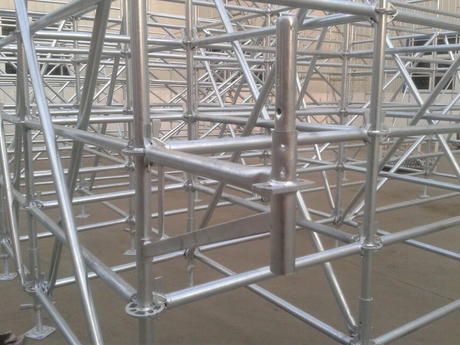
Tube and clamp scaffolding-sometimes called tube and coupler scaffolding-consists of steel or aluminum tubes connected by a variety of clamps (couplers). This system can be built to virtually any shape or height, making it ideal for irregular structures or challenging site conditions.
Key components include:
- Tubes: Steel or aluminum pipes, typically 1.5 to 2 inches in diameter, available in various lengths.
- Clamps (Couplers): Right-angle clamps for perpendicular connections, swivel clamps for angled connections, and other specialty fittings.
- Base Plates: Distribute the scaffold's load and stabilize the structure.
- Boards/Platforms: Provide safe working surfaces.
- Braces: Add stability and prevent swaying.
Why Assembly Speed Matters
Efficient assembly of tube and clamp scaffolding saves time, reduces labor costs, and minimizes downtime on site. For projects with tight schedules, every hour counts. Incorrect or slow assembly not only delays the project but can also compromise safety and increase the risk of accidents.
How a Tube and Clamp Scaffolding Manual Boosts Assembly Speed
1. Clear, Step-by-Step Instructions
A well-designed tube and clamp scaffolding manual breaks down the assembly process into logical, manageable steps. This eliminates guesswork and helps even inexperienced crews follow industry best practices.
Example Steps from a Manual:
- Planning and drawing the scaffold structure
- Preparing the foundation and base plates
- Assembling vertical and horizontal frames
- Installing platforms and guardrails
- Conducting safety checks
2. Component Identification and Usage
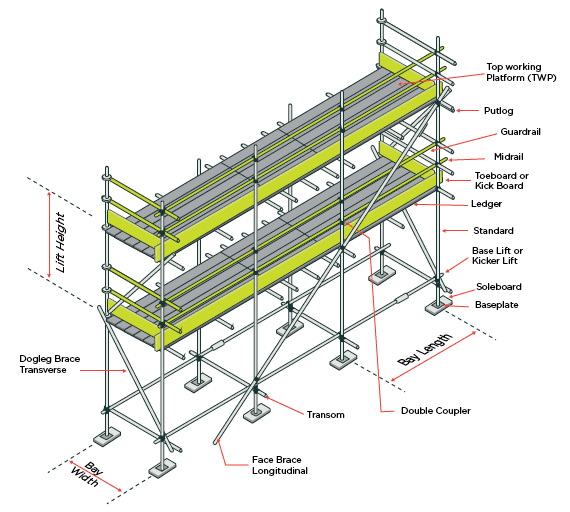
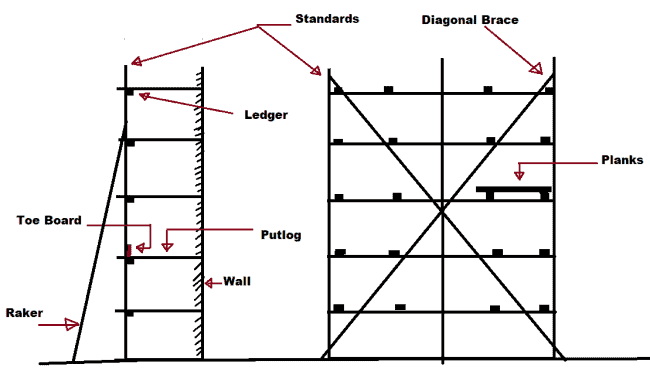
Manuals typically include diagrams and photos of each component, along with their correct usage. This visual reference ensures that workers select the right parts quickly, reducing errors and rework.
3. Standardized Procedures
A tube and clamp scaffolding manual standardizes assembly procedures across teams, ensuring everyone works the same way. This consistency reduces confusion, prevents mistakes, and accelerates the build process-especially on large or complex projects.
4. Pre-Assembly Tips and Tricks
Many manuals offer tips for pre-assembly, such as installing clamps on bearers at ground level before lifting them into place. This reduces work at height and speeds up overall assembly.
5. Efficient Erection Techniques
Manuals often highlight efficient techniques, like building scaffolding in zones or frames, and using measuring sticks for consistent spacing. These best practices help crews work methodically and avoid time-consuming adjustments later.
6. Safety Integration
By embedding safety checks into each step, a tube and clamp scaffolding manual helps crews avoid unsafe shortcuts that could lead to costly accidents or required rework.
Real-World Assembly: Manual vs. No Manual
| Scenario | With Manual | Without Manual |
| Component Selection | Fast, accurate (visual reference) | Mistakes, delays finding correct parts |
| Sequence of Assembly | Clear, step-by-step (no skipped steps) | Trial and error, possible rework |
| Safety Checks | Integrated into workflow | Often missed or inconsistent |
| Training New Workers | Quick onboarding with clear instructions | Slow learning curve, reliance on experienced staff |
| Overall Assembly Time | Faster, more predictable | Slower, more errors |
Step-by-Step Assembly Using a Manual
1. Planning and Preparation
- Draw a detailed scaffold plan, including dimensions, platforms, braces, and access points.
- Gather all components and tools.
- Review the manual's checklist for required parts.
2. Foundation Setup
- Level the ground and install base plates or mudsills.
- Refer to the manual for correct base plate placement and spacing.
3. Building Frames and Zones
- Assemble vertical standards and connect horizontal ledgers using right-angle clamps.
- Use the manual's diagrams to ensure correct spacing and alignment.
- Add diagonal braces as shown in the manual to prevent sway.
4. Platform and Guardrail Installation
- Lay scaffold boards or platforms across the frame.
- Install guardrails, midrails, and toe boards as per manual instructions for safety compliance.
5. Anchoring and Inspection
- Anchor the scaffold to the structure if required.
- Use the manual's inspection checklist to verify stability and safety before use.
Best Practices Highlighted in Manuals
- Tighten clamps to 45 foot-pounds using a tube and clamp wrench for secure connections.
- Erect horizontal members at vertical intervals of no more than 6.5 feet for stability.
- Use only scaffold-grade planking for platforms.
- Design scaffolding to support at least four times the maximum intended load.
Advanced Techniques and Troubleshooting
A comprehensive tube and clamp scaffolding manual also covers:
- Advanced bracing techniques for complex projects
- Customizing scaffolding for irregular shapes
- Troubleshooting common issues (e.g., sway, uneven ground)
- Maintenance and inspection routines
Expanding the Value of Manuals: Training, Safety, and Efficiency
Training New Workers
A tube and clamp scaffolding manual is a powerful onboarding tool. By following standardized tube and clamp scaffolding instructions, new workers can quickly become familiar with the system, reducing the time required for one-on-one training and minimizing the risk of costly mistakes. Manuals often include troubleshooting charts, component checklists, and real-world scenarios that reinforce learning.
Ensuring Regulatory Compliance
Many construction sites are governed by strict safety standards and inspection protocols. A comprehensive manual ensures that every step of assembly and dismantling meets regulatory requirements, reducing the risk of fines, shutdowns, or accidents. Manuals often reference OSHA, EN, or local standards and provide checklists for compliance.
Reducing Rework and Downtime
Mistakes during scaffold assembly can lead to dangerous conditions, project delays, and extra costs. By providing clear tube and clamp scaffolding instructions, manuals help teams get it right the first time, minimizing the need for rework and ensuring that the scaffold is ready for use as quickly as possible.
Supporting Ongoing Maintenance and Safety Audits
A good manual doesn't just cover assembly-it also includes maintenance routines, inspection intervals, and troubleshooting advice. This helps scaffolding remain safe and compliant throughout its use, not just at the time of erection.
Conclusion
A tube and clamp scaffolding manual is an invaluable tool for anyone assembling this versatile system. By providing clear tube and clamp scaffolding instructions, visual references, and standardized procedures, a manual can dramatically speed up the assembly process while enhancing safety and consistency. Whether you're a seasoned scaffolder or a beginner, using a manual is the fastest, safest, and most reliable way to build tube and clamp scaffolding efficiently.
FAQ
1. How does a tube and clamp scaffolding manual improve assembly speed?
A manual provides step-by-step instructions, visual aids, and best practices, reducing guesswork and minimizing errors for faster, safer assembly.
2. Can beginners use a manual to assemble scaffolding safely?
Yes, comprehensive manuals are designed for all skill levels and include safety checks, diagrams, and troubleshooting tips to help beginners assemble scaffolding correctly.
3. Are there video resources that complement tube and clamp scaffolding manuals?
Absolutely. Videos like [Tube & Clamp Scaffold Erection Training](https://www.youtube.com/watch?v=ZM6Tlh_NAnQ) and [Safway Tube and Clamp Scaffold Training](https://www.youtube.com/watch?v=iUqDWjr6uok) visually demonstrate each step, making learning faster and more effective.
4. What are the most common mistakes that a manual helps prevent?
A manual helps prevent improper component selection, incorrect assembly sequence, missed safety checks, and under-tightened clamps, all of which can slow down assembly and compromise safety.
5. Where can I download a tube and clamp scaffolding manual?
You can download manuals from manufacturer websites, safety organizations, and technical portals. Many are available in PDF format for free and include detailed tube and clamp scaffolding instructions.