Content Menu
● What is Aluminum Tube and Coupler Scaffolding?
● Advantages of Aluminum Scaffolding Indoors
>> 1. Lightweight and Portable
>> 2. Corrosion Resistance
>> 3. Non-Sparking
>> 4. Modular Flexibility
>> 5. Floor Protection
● Key Considerations for Indoor Use
>> Load Capacity
>> Height Limitations
>> Ventilation
>> Noise Reduction
>> Floor Type Compatibility
● Safety Standards and Compliance
>> Global Standards
>> Testing and Certification
● Installation Best Practices
>> Step-by-Step Guide
>> Common Mistakes
● Maintenance and Longevity
● Case Studies
>> 1. Theater Stage Renovation
>> 2. Retail Store Remodeling
>> 3. Semiconductor Cleanroom Maintenance
● Aluminum vs. Steel Scaffolding Indoors
● Environmental and Cost Benefits
● Challenges and Limitations
● Innovations in Aluminum Scaffolding
>> Smart Couplers
>> Hybrid Systems
>> 3D-Printed Components
● Conclusion
● FAQ
>> 1. What is the maximum load capacity for indoor aluminum scaffolding?
>> 2. Can aluminum scaffolding scratch hardwood floors?
>> 3. Is aluminum scaffolding OSHA-compliant indoors?
>> 4. How tall can aluminum scaffolding be indoors?
>> 5. Does aluminum scaffolding require special tools?
Aluminum tube and coupler scaffolding has become a cornerstone of modern construction and maintenance due to its lightweight design and adaptability. But a critical question persists: Is it safe and effective for indoor use? This article delves into the advantages, limitations, safety protocols, and best practices for deploying aluminum scaffolding indoors, supported by technical data, industry standards, and real-world examples.
What is Aluminum Tube and Coupler Scaffolding?
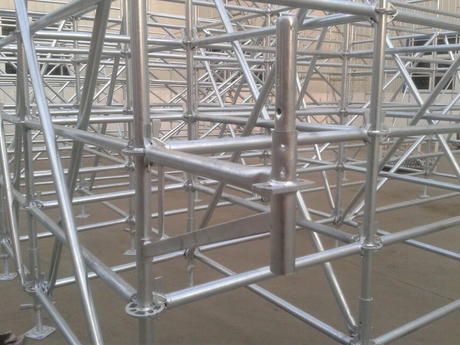
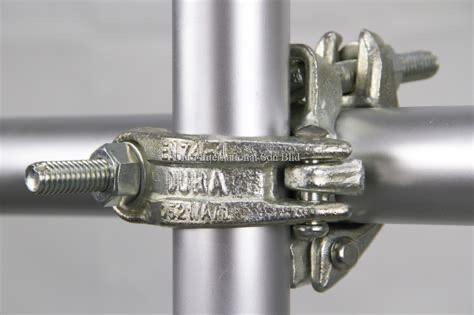
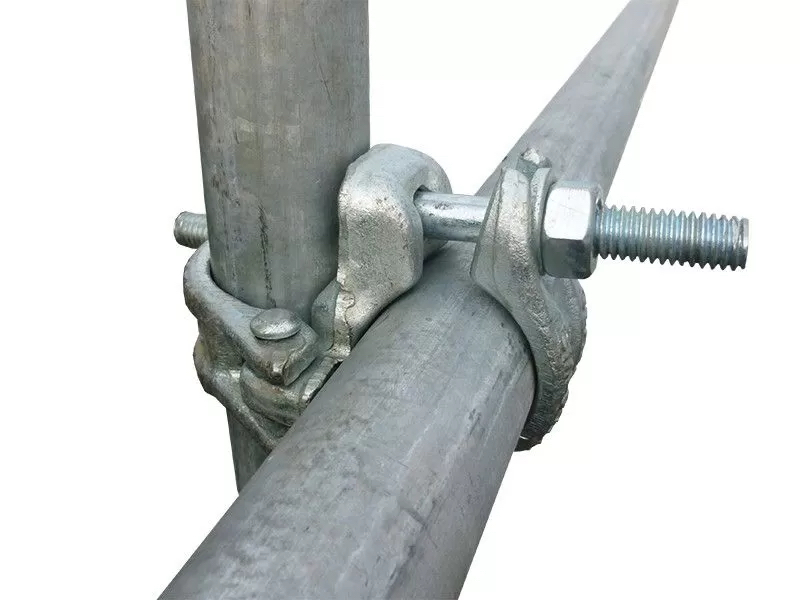
Aluminum tube and coupler scaffolding is a modular system comprising lightweight aluminum tubes connected by forged or pressed couplers. These couplers enable rigid 90° connections or adjustable angles, allowing customization for complex structures. Unlike steel, aluminum systems are 30–40% lighter, making them ideal for indoor projects requiring frequent repositioning.
The system typically uses 6061-T6 aluminum alloy, known for its high tensile strength (up to 45,000 psi) and corrosion resistance. Couplers are often forged from galvanized steel or aluminum to ensure durability while maintaining a lightweight profile.
Advantages of Aluminum Scaffolding Indoors
1. Lightweight and Portable
Aluminum's low density reduces labor fatigue and simplifies assembly in tight spaces like stairwells or elevators. A typical 6-foot aluminum scaffold bay weighs 25–30 lbs, compared to 50–60 lbs for steel.
2. Corrosion Resistance
The natural oxide layer prevents rust, making it suitable for humid environments (e.g., swimming pools, food processing plants). Unlike steel, it requires no additional coatings, reducing long-term maintenance.
3. Non-Sparking
Safe near electrical systems or flammable materials, critical for indoor industrial settings like chemical plants or fuel storage facilities.
4. Modular Flexibility
Couplers adapt to irregular layouts, such as arched ceilings or mezzanines, where prefabricated systems fail. Adjustable legs (up to 12 inches) accommodate uneven floors.
5. Floor Protection
Less likely to scratch finished surfaces compared to steel. Use rubber mats or nylon glide pads for added protection on delicate floors like marble or epoxy.
Key Considerations for Indoor Use
Load Capacity
- Light-duty: 25 lbs/sq.ft (125 kg/m²) – painting, electrical work.
- Medium-duty: 50 lbs/sq.ft (250 kg/m²) – drywall installation.
- Heavy-duty: Requires steel reinforcements (e.g., material storage).
Height Limitations
Most systems support up to 40–50 feet. Taller structures need engineering approval and additional bracing.
Ventilation
Ensure airflow in enclosed spaces to mitigate dust from aluminum oxidation (rare in typical conditions). In high-heat environments (>200°F), monitor for thermal expansion.
Noise Reduction
Quieter assembly than steel, ideal for hospitals, offices, or schools. Use nylon washers to minimize clanging during disassembly.
Floor Type Compatibility
- Concrete: Ideal; use base plates for stability.
- Wood: Distribute weight with plywood sheets to prevent indentation.
- Tile/Marble: Combine rubber mats with adjustable jacks to avoid cracking.
Safety Standards and Compliance
Global Standards
- OSHA 1926.451 (USA): Mandates guardrails, toeboards, and platforms overlapping supports by ≥6 inches.
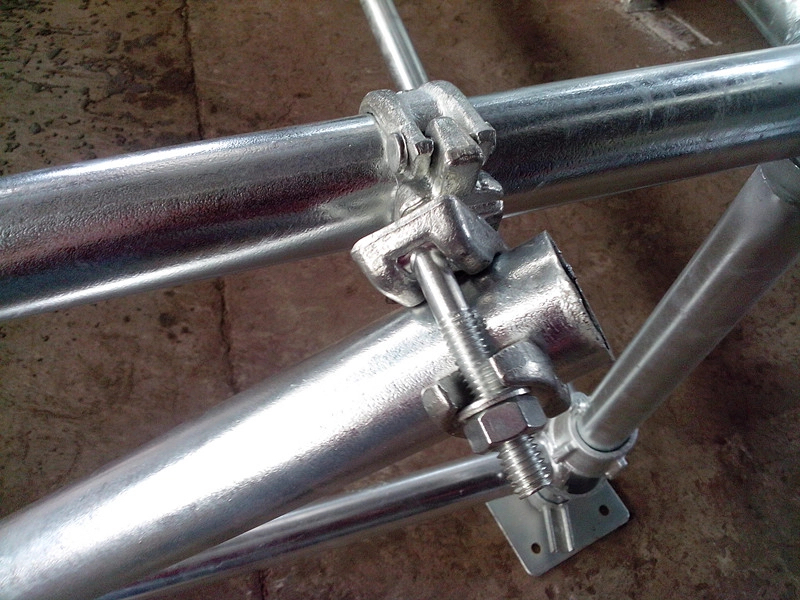
- EN 1004 (EU): Requires diagonal bracing every 6.5 feet vertically and couplers tightened to 50 Nm torque.
- AS/NZS 1576 (Australia/NZ): Specifies maximum deflection limits (1/60 of span) for platforms.
Testing and Certification
Third-party certifications like TÜV or SGS ensure couplers meet load ratings. Always check for stamped markings (e.g., "EN 74-1") on components.
Installation Best Practices
Step-by-Step Guide
1. Plan Layout: Use laser levels to identify obstructions (e.g., HVAC ducts).
2. Level Base: Adjust screw jacks on uneven floors; ensure a tolerance of ≤1/4 inch over 10 feet.
3. Secure Couplers: Tighten to 50 Nm torque using a calibrated wrench – under-tightening risks slippage, over-tightening may strip threads.
4. Install Platforms: Use aluminum planks or plywood rated for the load.
5. Inspect: Conduct daily checks for loose couplers or damaged tubes.
Common Mistakes
- Mixing Materials: Combining aluminum and steel tubes accelerates galvanic corrosion.
- Skipping Cross Braces: Omitting diagonal braces increases lateral movement by up to 30%.
Maintenance and Longevity
- Cleaning: Wipe with a damp cloth; avoid acidic cleaners that degrade the oxide layer.
- Storage: Stack horizontally on pallets in a dry, ventilated area.
- Lifespan: 15–20 years with proper care. Replace couplers showing cracks or deformation.
- Lubrication: Apply silicone spray to coupler threads annually to prevent seizing.
Case Studies
1. Theater Stage Renovation
A Broadway theater used aluminum scaffolding to install lighting rigs above the stage. The non-sparking couplers prevented fire hazards near pyrotechnics, while the lightweight design allowed quick repositioning during rehearsals.
2. Retail Store Remodeling
A mall deployed modular aluminum scaffolding to refurbish high ceilings. Rubber-coated couplers protected glass display cases, and the system's adjustability accommodated irregular pillar placements.
3. Semiconductor Cleanroom Maintenance
In a sterile environment, aluminum scaffolding's corrosion resistance and non-shedding materials met ISO Class 5 cleanliness standards, preventing contamination during HVAC upgrades.
Aluminum vs. Steel Scaffolding Indoors
| Factor | Aluminum Scaffolding | Steel Scaffolding |
| Weight | 30–40% lighter | Heavy, requires machinery |
| Corrosion Resistance | High (no rust) | Requires galvanization |
| Cost | Higher initial cost | Lower initial cost |
| Spark Risk | None | Possible with steel tools |
| Noise | Low | High |
| Thermal Conductivity | High (dissipates heat) | Low (retains heat) |
Environmental and Cost Benefits
- Recyclability: 100% recyclable, with 75% of all aluminum ever produced still in use.
- Energy Efficiency: Recycling aluminum saves 95% energy vs. primary production, reducing CO₂ emissions by 8 tons per ton recycled.
- Lifecycle Cost: Over 20 years, aluminum systems cost 20% less than steel due to lower maintenance and transport expenses.
Challenges and Limitations
- Load Restrictions: Unsuitable for heavy industrial tasks (e.g., concrete pouring).
- Heat Sensitivity: Softens at 660°C (1,221°F) – avoid near welding or furnace operations.
- Static Electricity: In dry environments, ground the scaffold to prevent static discharge near sensitive electronics.
Innovations in Aluminum Scaffolding
Smart Couplers
- Torque Sensors: Alert via LED if under-tightened.
- RFID Tags: Track usage history and maintenance schedules.
Hybrid Systems
Combine aluminum tubes with carbon fiber platforms for ultra-lightweight setups (up to 50% lighter).
3D-Printed Components
Custom couplers for non-standard angles reduce waste and improve fit in complex layouts.
Conclusion
Yes, aluminum tube and coupler scaffolding is exceptionally suited for indoor use. Its lightweight, corrosion-resistant, and non-sparking properties make it ideal for renovations, electrical work, and sensitive environments. Adherence to load limits, safety standards, and regular inspections ensures optimal performance. While not a substitute for steel in heavy-duty applications, aluminum scaffolding offers unmatched versatility and efficiency for most indoor projects.With advancements in smart technology and sustainable materials, aluminum systems are poised to dominate indoor scaffolding, aligning with global trends toward greener, safer construction practices.
FAQ
1. What is the maximum load capacity for indoor aluminum scaffolding?
Light-duty systems hold 25 lbs/sq.ft, while medium-duty supports 50 lbs/sq.ft. Always check manufacturer ratings.
2. Can aluminum scaffolding scratch hardwood floors?
No, if base plates or rubber mats are used to distribute weight evenly.
3. Is aluminum scaffolding OSHA-compliant indoors?
Yes, provided guardrails, toeboards, and stable foundations are installed.
4. How tall can aluminum scaffolding be indoors?
Typically 40–50 feet. Taller setups require engineering approval.
5. Does aluminum scaffolding require special tools?
No-standard wrenches suffice. Quick-release couplers simplify assembly.