Content Menu
● Introduction to BS Standard Scaffolding Tubes
● Understanding the BS1139 Standard
● Durability and Reusability
>> Why Are BS Standard Scaffolding Tubes Reusable?
>> How Many Times Can They Be Reused?
● Inspection and Maintenance
>> Best Practices for Ensuring Safe Reuse
>> Routine Inspection Checklist
>> When Should Tubes Be Retired?
● Environmental and Economic Benefits of Reuse
>> Sustainability in Construction
>> Cost Savings
● Real-World Case Studies
>> Case Study 1: High-Rise Construction
>> Case Study 2: Infrastructure Projects
>> Case Study 3: Event Industry
● Alternative Uses and Adaptability
>> Beyond Construction: Creative Reuse
>> Scaffold Basics and Standards
● Conclusion
● FAQ
>> 1. How often should BS standard scaffolding tubes be inspected?
>> 2. What are the signs that a scaffolding tube should not be reused?
>> 3. Can damaged BS standard scaffolding tubes be repaired or shortened for reuse?
>> 4. Are BS standard scaffolding tubes compatible with different types of couplers and fittings?
>> 5. Can old or retired scaffolding tubes be used for other purposes?
Scaffolding is a cornerstone of modern construction, providing safe access and support for workers at height. Among the various types of scaffolding, BS standard scaffolding tubes—manufactured to the British Standard BS1139—are recognized worldwide for their strength, reliability, and versatility. One of the most frequently asked questions in the industry is: Can BS standard scaffolding tubes be reused for multiple projects? This comprehensive guide explores the answer, delving into standards, maintenance, inspection, real-world examples, and best practices for maximizing the lifespan and safety of these essential construction materials.
Introduction to BS Standard Scaffolding Tubes
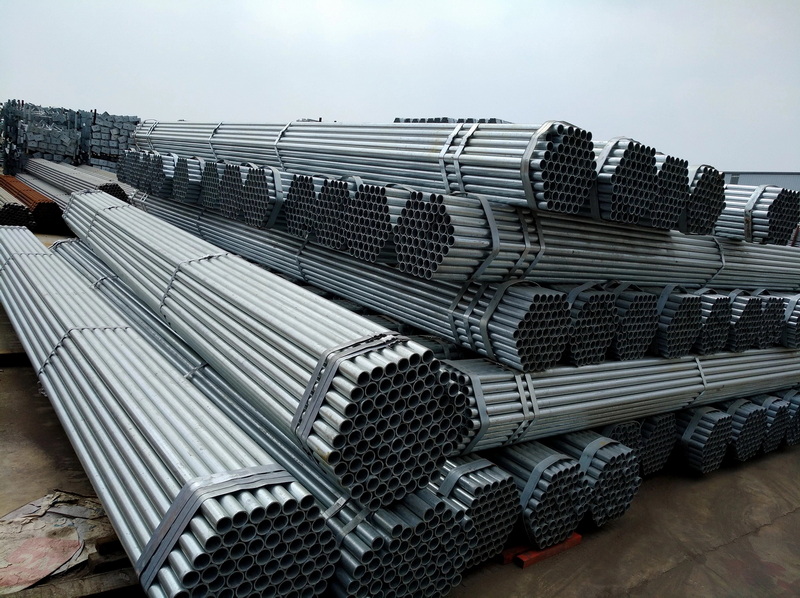
BS standard scaffolding tubes are steel pipes conforming to the British Standard BS1139. They are widely used in construction for erecting temporary platforms, supporting structures, and ensuring worker safety at various heights. Their popularity stems from their:
- High strength and load-bearing capacity
- Standardized dimensions (typically 48.3 mm outside diameter, 3.2–4.0 mm wall thickness)
- Corrosion resistance (often hot-dip galvanized)
- Compatibility with a wide range of couplers and fittings
These features make BS standard scaffolding tubes a preferred choice for contractors seeking reliable, modular, and reusable scaffolding solutions.
Understanding the BS1139 Standard
The BS1139 standard specifies the size, thickness, material, and load capacity of scaffolding tubes and related fittings. Key parameters include:
- Diameter: 48.3 mm (±0.5 mm)
- Wall thickness: 3.2 mm, 3.6 mm, 3.8 mm, or 4.0 mm
- Material: Steel, often hot-dip galvanized for enhanced durability
- Straightness: Maximum deviation of 3 mm per meter
- Load capacity: Must meet strict requirements for safety and performance
These specifications ensure that BS standard scaffolding tubes are robust, uniform, and suitable for repeated use in demanding environments. Compliance with BS1139 also means that tubes are interchangeable and compatible with a wide range of scaffolding systems and accessories, further enhancing their reusability.
Durability and Reusability
Why Are BS Standard Scaffolding Tubes Reusable?
BS standard scaffolding tubes are engineered for longevity and multiple cycles of use. Their reusability is a result of:
- High-quality steel construction: Provides resistance to bending, cracking, and deformation
- Galvanized coating: Protects against corrosion, even in humid or marine environments
- Standardized dimensions: Allow for easy integration with new or existing scaffolding systems
- Strict manufacturing standards: Ensures consistent performance across projects
How Many Times Can They Be Reused?
With proper care, BS standard scaffolding tubes can be reused for dozens or even hundreds of projects over many years. Their lifespan depends on:
- Frequency and type of use
- Environmental exposure (rain, chemicals, salt air)
- Quality of maintenance and storage
- Regular inspection and prompt replacement of damaged tubes
Many scaffolding companies report that with diligent inspection and maintenance, it is not uncommon for BS standard scaffolding tubes to remain in service for 10 years or more, underscoring their remarkable durability.

Inspection and Maintenance
Best Practices for Ensuring Safe Reuse
To safely reuse BS standard scaffolding tubes, rigorous inspection and maintenance protocols are essential:
- Regular Inspections: Tubes should be checked every 1-2 weeks for signs of wear, corrosion, cracks, or bends.
- Sorting and Grading: Only straight, undamaged tubes with no excessive rust or bends should be reused. Severely bent, cracked, or rusted tubes must be scrapped.
- Cleaning: Remove debris, mud, or slippery substances before storage or reuse.
- Preventive Maintenance: Apply protective coatings, especially after cleaning or if the galvanized layer is worn.
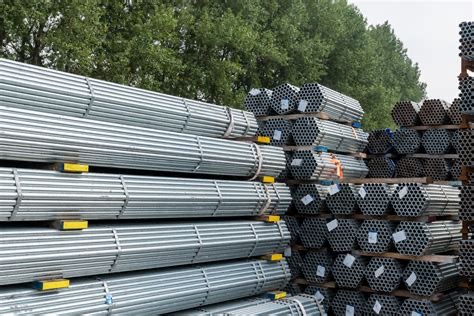
- Proper Storage: Store tubes in a dry, well-ventilated area away from harsh weather to extend their lifespan by up to 40%.
- Cutting and Repurposing: Damaged ends can be cut off, allowing the remainder of the tube to be reused as a shorter section.
Routine Inspection Checklist
- Check for straightness and absence of major bends
- Inspect for cracks, splits, or deep dents
- Examine the surface for rust, especially at joints and ends
- Test the integrity of the galvanized coating
- Ensure ends are not deformed or mushroomed
When Should Tubes Be Retired?
- Severe bends or cracks
- Excessive rust compromising structural integrity
- Deformation beyond allowable limits
- Any doubt about the tube's safety or load capacity
Retired tubes should be clearly marked and separated from reusable stock to prevent accidental use.
Environmental and Economic Benefits of Reuse
Sustainability in Construction
Reusing BS standard scaffolding tubes is not only a matter of cost efficiency but also a significant contributor to sustainable construction practices. By extending the life of each tube, contractors reduce the demand for new steel production, which in turn:
- Reduces carbon emissions associated with mining, manufacturing, and transportation
- Minimizes waste sent to landfills
- Conserves natural resources
Cost Savings
The economic benefits of reusing BS standard scaffolding tubes are substantial. Each reuse cycle reduces the average cost per project, allowing contractors to allocate resources to other critical areas such as safety training or advanced equipment. Over time, the savings from reusing scaffolding tubes can amount to thousands of dollars for large-scale construction firms.
Real-World Case Studies
Case Study 1: High-Rise Construction
A leading UK construction company reported using the same batch of BS standard scaffolding tubes across more than 50 high-rise projects over a span of 8 years. Through diligent inspection, cleaning, and storage, the company maintained a reuse rate of over 90%, with only a small percentage of tubes being retired due to damage or excessive wear.
Case Study 2: Infrastructure Projects
In bridge and tunnel construction, BS standard scaffolding tubes are exposed to harsh environments. One infrastructure contractor implemented a rigorous maintenance schedule, including regular recoating and end-cap protection, allowing them to reuse their tubes for over a decade with minimal replacements.
Case Study 3: Event Industry
Event companies frequently use BS standard scaffolding tubes for temporary stages and grandstands. Their modularity and ease of assembly/disassembly make them ideal for rapid deployment and reuse across multiple events, reducing setup costs and environmental impact.
Alternative Uses and Adaptability
Beyond Construction: Creative Reuse
Even after their primary service life, BS standard scaffolding tubes can be repurposed for a variety of applications:
- Furniture design: Industrial-style tables, chairs, and shelving
- Temporary event structures: Stages, seating, exhibition stands
- Art installations and sculptures: Large-scale, durable frameworks
- Outdoor recreational equipment: Climbing frames, parkour setups, fitness rigs
- Agricultural frameworks: Polytunnels, animal enclosures, trellises
- Retail displays and fixtures: Industrial-themed shelving and racks
- Safety railings, barriers, and signage supports
Repurposing old tubes not only extends their usefulness but also contributes to a circular economy, where materials are kept in use for as long as possible.
Scaffold Basics and Standards
Learn about compliance, safety, and the importance of following standards like TG20 and BS1139 when erecting and reusing scaffold tubes.
Conclusion
BS standard scaffolding tubes are specifically designed for repeated use across multiple projects. Their robust construction, standardized dimensions, and protective galvanizing make them a cost-effective, sustainable, and safe choice for construction professionals worldwide. By adhering to best practices in inspection, maintenance, and storage, contractors can maximize the lifespan and performance of their scaffolding inventory, ensuring safety and compliance on every job.
When tubes reach the end of their service life, they can be creatively repurposed for a wide range of alternative uses, further extending their value and reducing waste. The key to safe and effective reuse is a rigorous commitment to quality control, regular inspection, and adherence to industry standards.
FAQ
1. How often should BS standard scaffolding tubes be inspected?
BS standard scaffolding tubes should be inspected every 1-2 weeks during use, and before each reuse, to check for damage, corrosion, or deformation. Promptly replace any tubes that show signs of significant wear or compromise.
2. What are the signs that a scaffolding tube should not be reused?
Do not reuse tubes with severe bends, cracks, excessive rust, or any deformation beyond the allowable limits. Tubes with any doubt about their structural integrity should be scrapped or repurposed for non-load-bearing applications.
3. Can damaged BS standard scaffolding tubes be repaired or shortened for reuse?
Yes, if only the ends are damaged, they can be cut off and the remaining section reused as a shorter tube, provided it still meets safety and load requirements.
4. Are BS standard scaffolding tubes compatible with different types of couplers and fittings?
Yes, BS standard scaffolding tubes (48.3 mm diameter) are designed to be compatible with a wide range of standard couplers and fittings, making them highly adaptable for various scaffolding systems.
5. Can old or retired scaffolding tubes be used for other purposes?
Absolutely. Retired BS standard scaffolding tubes are often repurposed for furniture, event structures, art installations, agricultural frameworks, and more, thanks to their durability and modular design.