Content Menu
● What Is Folding Tube Scaffolding?
● Key Features of Folding Tube Scaffolding
● Advantages of Folding Tube Scaffolding in Compact Workspaces
>> 1. Space-Saving Storage and Transport
>> 2. Quick and Easy Assembly
>> 3. Enhanced Mobility
>> 4. Versatility and Adaptability
>> 5. Safety Features
● Comparison: Folding Tube Scaffolding vs. Traditional Tubular Scaffolding for Compact Spaces
● Applications of Folding Tube Scaffolding in Compact Workspaces
>> 1. Interior Maintenance and Renovation
>> 2. Industrial Plants and Factories
>> 3. Residential Construction and Repairs
>> 4. Commercial Facilities
>> 5. Confined Space Access
● Considerations and Limitations
● Maintenance and Safety Tips for Folding Tube Scaffolding
● Additional Benefits of Folding Tube Scaffolding in Compact Workspaces
>> Enhanced Worker Productivity
>> Reduced Storage Costs
>> Environmental Considerations
● Innovations in Folding Tube Scaffolding Technology
● Conclusion
● FAQ
>> 1. Can folding tube scaffolding be used outdoors in confined spaces?
>> 2. How much weight can folding tube scaffolding support?
>> 3. Is folding tube scaffolding easy to move once assembled?
>> 4. How does folding tube scaffolding compare cost-wise to traditional scaffolding?
>> 5. Are there height limitations when using folding tube scaffolding?
Folding tube scaffolding has emerged as a practical solution for construction, maintenance, and industrial tasks, especially in compact or confined workspaces. This article explores the suitability of folding tube scaffolding in tight environments by examining its design, features, advantages, challenges, and real-world applications.
What Is Folding Tube Scaffolding?
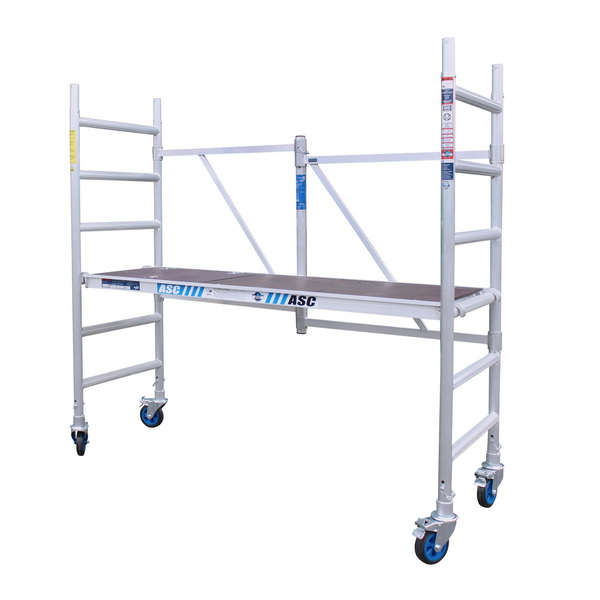
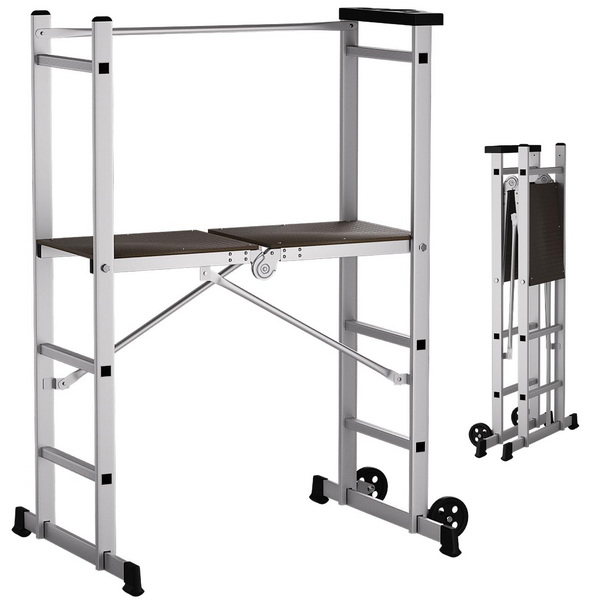
Folding tube scaffolding is a type of tubular scaffolding system that integrates foldable frames or bases, allowing the scaffold to collapse into a compact form for easy transport, storage, and maneuverability. It is primarily constructed from durable metals such as aluminum or steel tubes connected by hinges and couplers, enabling quick assembly and disassembly.
Unlike traditional tubular scaffolding, which requires separate tubes and couplers to be manually assembled on-site, folding tube scaffolding frames come pre-assembled with self-locking hinges. This design significantly reduces setup time and allows the scaffold to fold flat, making it ideal for use in confined or restricted spaces where storage and movement are challenging.
Key Features of Folding Tube Scaffolding
- Foldable Frame Design: The core feature enabling compact storage and transport. Frames fold inward or flat, reducing volume by up to 50-70%.
- Lightweight Materials: Typically made from aluminum or lightweight steel tubing, enhancing portability without compromising strength.
- Self-Locking Hinges: Secure locking mechanisms ensure stability when the scaffold is erected and safety during use.
- Modular Components: Folding tube scaffolding can be combined with additional tubes, platforms, and guardrails to customize height and configuration.
- Castors and Mobility: Many models include swivel castors with brakes, allowing easy movement even in tight spaces.
- Slip-Resistant Platforms: Platforms often feature non-slip surfaces and trapdoors for safe ascent and descent.
Advantages of Folding Tube Scaffolding in Compact Workspaces
1. Space-Saving Storage and Transport
Folding tube scaffolding's ability to collapse into a flat, compact form makes it highly suitable for storage in limited spaces such as small warehouses, service vehicles, or tight storage rooms. This feature also simplifies transport through narrow doorways, staircases, or corridors on job sites.
2. Quick and Easy Assembly
The pre-assembled folding frames reduce the number of loose components and eliminate the need for complex coupling on-site. This accelerates setup and breakdown times, allowing workers to focus more on the task and less on scaffold construction.
3. Enhanced Mobility
Equipped with swivel castors, folding tube scaffolding can be easily repositioned within cramped work areas without disassembly. This mobility is crucial for tasks requiring frequent scaffold relocation, such as interior painting, electrical work, or maintenance in congested industrial plants.
4. Versatility and Adaptability
Despite their compact design, folding tube scaffolding systems are modular and can be extended vertically or horizontally with additional tubes and platforms. This adaptability allows them to fit various workspace dimensions and project requirements.
5. Safety Features
Folding tube scaffolding often includes safety rails, toe boards, and slip-resistant platforms, ensuring secure working conditions even in confined areas. The self-locking hinges and robust materials provide structural stability comparable to traditional scaffolding
Comparison: Folding Tube Scaffolding vs. Traditional Tubular Scaffolding for Compact Spaces
| Feature | Folding Tube Scaffolding | Traditional Tubular Scaffolding |
| Storage Space | Very compact when folded | Requires large storage area |
| Assembly Time | Fast (pre-assembled frames) | Slower (manual tube and coupler assembly) |
| Mobility | High (castors included) | Limited (heavy and bulky) |
| Suitability for Tight Spaces | Excellent | Moderate |
| Customizability | Modular but limited by frame size | Highly customizable |
| Weight | Lightweight aluminum or steel | Heavier steel or aluminum tubes |
This table highlights that folding tube scaffolding excels in compactness, mobility, and quick assembly, making it a superior option for confined workspaces compared to traditional tubular scaffolding.
Applications of Folding Tube Scaffolding in Compact Workspaces
1. Interior Maintenance and Renovation
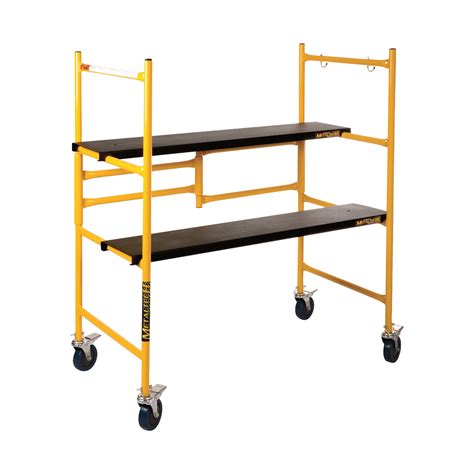
Folding tube scaffolding is ideal for indoor projects such as painting, ceiling repairs, HVAC installation, and electrical work where space is limited. Its compact design allows easy maneuvering through doorways and hallways.
2. Industrial Plants and Factories
In industrial environments with congested machinery layouts, folding scaffolds provide safe elevated access without requiring large clearances. Their corrosion-resistant aluminum frames also withstand harsh industrial conditions.
3. Residential Construction and Repairs
For home renovations, folding tube scaffolding fits easily into garages, basements, or small yards. It enables safe working platforms for window installation, gutter cleaning, or roofing in tight spaces.
4. Commercial Facilities
Retail stores, warehouses, and office buildings benefit from folding scaffolding's portability and compact storage, facilitating maintenance tasks with minimal disruption.
5. Confined Space Access
Specialized folding scaffolding can be designed to fit stairwells, narrow corridors, or confined shafts where traditional scaffolding cannot be erected.
Considerations and Limitations
While folding tube scaffolding offers many advantages for compact workspaces, some limitations exist:
- Load Capacity: Folding scaffolds generally support moderate loads. For heavy-duty industrial tasks requiring high load-bearing capacity, traditional tubular scaffolding may be necessary.
- Height Restrictions: Folding frames come in fixed sizes; extending beyond certain heights may require additional components or alternative scaffolding types.
- Cost: Folding tube scaffolding can have a higher initial cost due to specialized hinges and manufacturing, though savings in labor and transport may offset this.
- Customization Limits: While modular, folding scaffolding systems have less configurational flexibility than tube-and-coupler scaffolding, which can be custom-built on-site.
Maintenance and Safety Tips for Folding Tube Scaffolding
- Regular Inspection: Check hinges, locking mechanisms, and castors for wear or damage before use.
- Proper Locking: Ensure all hinges and locks are fully engaged before climbing.
- Weight Limits: Adhere to manufacturer's specified load capacities.
- Safe Surface: Use on flat, stable ground to prevent tipping.
- Training: Workers should be trained in correct assembly, use, and dismantling procedures.
Additional Benefits of Folding Tube Scaffolding in Compact Workspaces
Enhanced Worker Productivity
The ease of assembly and mobility of folding tube scaffolding significantly reduce downtime during projects. Workers spend less time setting up and moving scaffolds and more time performing their tasks. This efficiency is particularly valuable in projects with tight deadlines or frequent relocation needs.
Reduced Storage Costs
Because folding tube scaffolding collapses into a compact form, companies can minimize storage space requirements. This reduction translates into cost savings, especially for contractors and maintenance teams operating in urban areas where storage rental fees are high.
Environmental Considerations
Folding tube scaffolding's lightweight design reduces transportation fuel consumption and emissions compared to heavier traditional scaffolding. Additionally, many manufacturers use recyclable materials in production, supporting sustainable construction practices.
Innovations in Folding Tube Scaffolding Technology
Recent advancements have improved the functionality and safety of folding tube scaffolding:
- Integrated Tool Trays: Some models include built-in trays for tools and materials, reducing the need for workers to climb up and down frequently.
- Adjustable Height Frames: Innovations allow slight height adjustments within the folding frames to better fit uneven surfaces or specific workspace heights.
- Enhanced Locking Systems: New locking mechanisms provide greater security and ease of use, minimizing the risk of accidental collapse.
- Lightweight Composites: Some manufacturers are experimenting with composite materials that maintain strength while further reducing weight.
Conclusion
Folding tube scaffolding is an excellent solution for compact workspaces where storage, transport, and maneuverability are critical. Its foldable design, lightweight construction, and quick assembly make it highly suitable for interior maintenance, industrial plants, residential repairs, and confined space access. While it may not replace traditional tubular scaffolding for very heavy or complex projects, folding tube scaffolding offers unmatched convenience and safety in tight environments, making it a valuable asset for contractors and maintenance professionals.
The additional benefits of enhanced productivity, reduced storage costs, and environmental advantages further strengthen its appeal. With ongoing innovations, folding tube scaffolding continues to evolve, providing even greater flexibility and safety for compact workspace applications.
FAQ
1. Can folding tube scaffolding be used outdoors in confined spaces?
Yes, folding tube scaffolding is suitable for both indoor and outdoor use, provided it is made of corrosion-resistant materials like aluminum and used on stable ground. Its compactness makes it ideal for confined outdoor areas as well.
2. How much weight can folding tube scaffolding support?
Load capacity varies by model but typically ranges from 150 to 275 kg per platform, sufficient for most maintenance and light construction tasks. Always check manufacturer specifications.
3. Is folding tube scaffolding easy to move once assembled?
Yes, most folding tube scaffolds come with swivel castors that allow easy repositioning within confined spaces without disassembly.
4. How does folding tube scaffolding compare cost-wise to traditional scaffolding?
Folding scaffolding may have a higher upfront cost due to specialized components but saves money on labor and transport, especially in projects requiring frequent moves or storage in tight areas.
5. Are there height limitations when using folding tube scaffolding?
Yes, folding frames come in fixed sizes and may limit maximum platform height. For very tall structures, modular tube-and-coupler scaffolding may be more appropriate.