Content Menu
● Why Choose Aluminum Scaffolding for Home Projects?
● Benefits of Aluminum Scaffolding
● Types of Aluminum Scaffolding
>> Rolling Scaffolding
>> Folding Scaffolding
>> Ladder Scaffolding
>> Pump Jack Scaffolding
>> Multi-Purpose Scaffolding
● Key Features to Look For When You Aluminum Scaffolding Buy
>> Load Capacity
>> Height Adjustability
>> Safety Features
>> Mobility
>> Ease of Assembly
>> Durability and Build Quality
● Safety Tips for Using Aluminum Scaffolding
● Where Can You Aluminum Scaffolding Buy?
>> Home Improvement Stores
>> Online Marketplaces
>> Specialty Scaffolding Suppliers
>> Rental Services
● Aluminum Scaffolding vs. Traditional Ladders: A Comparison
● Legal and Regulatory Considerations
● Setting Up Aluminum Scaffolding Safely: A Detailed Guide
>> Step-by-Step Instructions
● Maintaining Your Aluminum Scaffolding
● Environmental and Ergonomic Benefits
● Conclusion
● FAQ
>> 1. Is aluminum scaffolding safe for DIY home projects?
>> 2. What are the most important safety features to look for when I aluminum scaffolding buy?
>> 3. Can I use aluminum scaffolding indoors?
>> 4. How high can I safely go with aluminum scaffolding?
>> 5. Is it better to aluminum scaffolding buy or rent for a home project?
Aluminum scaffolding has become a favorite for homeowners embarking on DIY projects requiring work at height. Whether you're painting, repairing siding, cleaning gutters, or engaging in other home improvement tasks, aluminum scaffolding offers a safer and more versatile alternative to traditional ladders. But can you buy aluminum scaffolding for home projects, and if so, what factors should you consider? This detailed guide explores the benefits, types, safety aspects, and purchasing considerations for aluminum scaffolding.
Why Choose Aluminum Scaffolding for Home Projects?
Benefits of Aluminum Scaffolding
- Lightweight and Portable: Aluminum scaffolding is significantly lighter than steel, making it easy to move, transport, and set up even by a single person. This portability is invaluable for home projects where access points may be limited.
- Rust-Resistant: Aluminum naturally resists corrosion, which means your scaffolding will maintain its integrity and appearance even when exposed to outdoor elements like rain or humidity. This durability translates into a longer lifespan and less maintenance.
- Stability and Safety: Compared to ladders, aluminum scaffolding provides a broader, more stable platform to work on. This stability reduces the risk of falls and allows you to carry tools and materials safely while working at height.
- Adjustable Height: Many aluminum scaffolding systems come with adjustable heights, allowing you to customize the platform to the specific needs of your project, whether you're working on a single-story or multi-story home.
- Easy Storage: Aluminum scaffolding often features folding or modular designs, making it compact and easy to store in your garage or shed when not in use.
- Cost-Effective: While the initial investment may be higher than a ladder, aluminum scaffolding reduces the need for multiple trips up and down, increasing efficiency and potentially lowering overall project time and costs.
Types of Aluminum Scaffolding
Choosing the right type of aluminum scaffolding depends on your project's specific needs, space constraints, and budget. Here are the most common types suitable for home projects:
| Type | Description | Best Use Case |
| Rolling Scaffolding | Equipped with wheels for easy movement | Indoor projects, painting, drywalling |
| Folding Scaffolding | Compact and portable, easy to store | Small projects, tight spaces |
| Ladder Scaffolding | Uses ladders as the main support structure | Light-duty tasks at moderate heights |
| Pump Jack Scaffolding | Adjustable height using a pump mechanism, attached to vertical poles | Siding, roofing, and exterior work |
| Multi-Purpose Scaffolding | Can be configured in multiple ways | Versatile for various project requirements |
Rolling Scaffolding
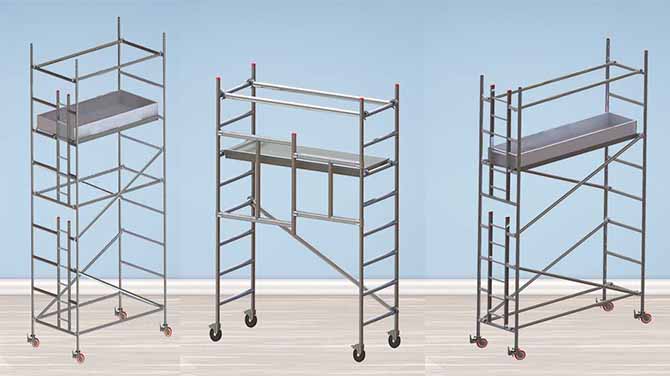
Rolling scaffolding is ideal for indoor projects such as painting walls, installing drywall, or ceiling work. The wheels allow you to easily move the scaffold around your workspace without the need to disassemble and reassemble it. Look for locking wheels to ensure stability when the scaffold is in use.
Folding Scaffolding
Folding scaffolding is perfect for homeowners with limited storage space. It folds down to a compact size and can be quickly set up when needed. This type is suitable for smaller tasks like window washing or minor repairs.
Ladder Scaffolding
Ladder scaffolding combines the portability of ladders with the stability of scaffolding platforms. It is best for light-duty work at moderate heights, such as changing light fixtures or cleaning gutters.
Pump Jack Scaffolding
Pump jack scaffolding is a more specialized system that uses adjustable poles and a pump jack mechanism to raise and lower platforms. It is excellent for exterior work on siding, roofing, and gutters, allowing you to maintain a consistent working height.
Multi-Purpose Scaffolding
Multi-purpose scaffolding systems offer the greatest flexibility. They can be configured as ladders, stairways, or scaffolding platforms, making them a versatile choice for various home projects.
Key Features to Look For When You Aluminum Scaffolding Buy
When you decide to aluminum scaffolding buy, consider these critical features to ensure you select the best product for your needs:
Load Capacity
Your scaffolding must support not only your weight but also the weight of your tools and materials. Most aluminum scaffolding for home use supports between 250 to 500 pounds per platform. Always check the manufacturer's specifications and choose scaffolding with a suitable safety margin.
Height Adjustability
Depending on your project, you may need scaffolding that adjusts to different heights. Look for systems with easy-to-use locking mechanisms that allow smooth height adjustments without compromising stability.
Safety Features
Safety should be your top priority. Essential safety features include:
- Guardrails: Prevent falls from the platform.
- Toe Boards: Stop tools or materials from sliding off.
- Non-Slip Platforms: Reduce the risk of slipping.
- Locking Wheels: Ensure the scaffold stays in place during use.
- Sturdy Braces: Provide lateral stability.
Mobility
If your project requires moving the scaffold frequently, choose rolling scaffolding with lockable wheels. For outdoor or uneven surfaces, consider scaffolding with adjustable legs or stabilizers.
Ease of Assembly
Look for scaffolding systems that can be assembled and disassembled quickly without specialized tools. Features like quick-release pins, wing nuts, and lightweight components make setup easier, especially for solo users.
Durability and Build Quality
High-quality aluminum scaffolding will have smooth welds, corrosion-resistant finishes, and robust construction. Avoid cheap or uncertified products that may compromise safety.
Safety Tips for Using Aluminum Scaffolding
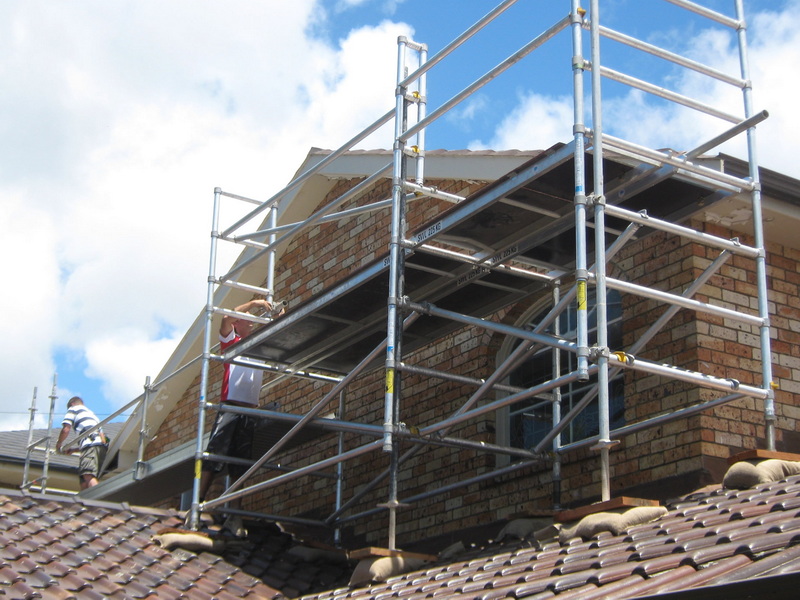
Using aluminum scaffolding safely is crucial to prevent accidents and injuries. Here are essential safety tips:
1. Inspect Before Use: Always check for damage, loose parts, or corrosion before setting up.
2. Set Up on Level Ground: Ensure the surface is stable and flat. Use leveling jacks or adjustable feet if necessary.
3. Use Guardrails and Toe Boards: Install these safety features on all open sides of the platform.
4. Lock Wheels: If using rolling scaffolding, lock the wheels before climbing.
5. Do Not Overload: Adhere strictly to the load capacity limits.
6. Wear Protective Gear: Use helmets, gloves, and non-slip footwear.
7. Avoid Adverse Weather: Do not use scaffolding in high winds, rain, or icy conditions.
8. Follow Manufacturer Instructions: Always assemble and use scaffolding according to the provided guidelines.
9. Maintain Three Points of Contact: When climbing on or off scaffolding, keep two hands and one foot or two feet and one hand in contact with the scaffold.
10. Keep Platforms Clear: Avoid cluttering the platform with unnecessary tools or materials.
Where Can You Aluminum Scaffolding Buy?
There are multiple options for purchasing aluminum scaffolding:
Home Improvement Stores
Large retailers like Home Depot, Lowe's, and Menards stock a range of aluminum scaffolding suitable for home projects. Visiting a store allows you to see the product physically and ask questions.
Online Marketplaces
Amazon, eBay, and specialized online scaffolding retailers offer a wide variety of scaffolding options. Online shopping provides access to customer reviews, detailed specifications, and competitive pricing.
Specialty Scaffolding Suppliers
Local scaffolding suppliers or rental companies often sell new or used aluminum scaffolding. These suppliers can offer expert advice and customized solutions.
Rental Services
If your project is short-term, renting aluminum scaffolding might be more economical. Rental companies provide scaffolding in good condition and may offer delivery and setup services.
Aluminum Scaffolding vs. Traditional Ladders: A Comparison
| Feature | Aluminum Scaffolding | Traditional Ladder |
| Stability | High (wide base, guardrails) | Lower (narrow base, no guardrails) |
| Platform Space | Large, allows tools/materials | Limited |
| Height Flexibility | Adjustable, multi-level | Fixed or limited adjustment |
| Mobility | Often has wheels for easy movement | Must be carried and repositioned |
| Safety | Superior for extended work at height | Adequate for short, low tasks |
Aluminum scaffolding provides a safer, more comfortable working environment, especially for tasks requiring extended periods at height. Ladders are more portable but come with increased risk and limited workspace.
Legal and Regulatory Considerations
Before purchasing and using aluminum scaffolding, familiarize yourself with relevant regulations:
- OSHA Standards: The Occupational Safety and Health Administration (OSHA) sets safety standards for scaffolding, including requirements for guardrails, load capacity, and fall protection.
- Local Building Codes: Some municipalities have additional rules regarding scaffolding use on residential properties.
- Fall Protection: For heights above 10 feet, OSHA requires guardrails or personal fall arrest systems.
- Insurance: Using scaffolding safely and according to regulations can affect your homeowner's insurance coverage.
Setting Up Aluminum Scaffolding Safely: A Detailed Guide
Step-by-Step Instructions
1. Choose a Level Surface: Use a spirit level to ensure the ground is flat and stable.
2. Assemble the Base Frames: Connect the base frames according to the manufacturer's instructions.
3. Attach Wheels or Base Plates: Install wheels for mobility or base plates for stability on uneven surfaces.
4. Install Vertical Frames: Insert vertical frames into the base frames and secure them with locking pins.
5. Add Horizontal Braces: Connect horizontal braces between the vertical frames for added stability.
6. Install the Platform: Place the platform on top of the frames, ensuring it is securely locked in place.
7. Attach Guardrails and Toe Boards: Install guardrails and toe boards on all open sides of the platform.
8. Adjust Height (if applicable): If using adjustable scaffolding, adjust the height to the desired level.
9. Final Safety Check: Double-check all connections and stability before climbing onto the scaffolding.
Maintaining Your Aluminum Scaffolding
- Regular Cleaning: Remove dirt, debris, and chemicals after each use.
- Lubrication: Lubricate moving parts (wheels, locks, adjustable components) regularly.
- Inspection: Check for cracks, bends, corrosion, and wear on all components before each use.
- Repair or Replacement: Replace damaged parts immediately. Do not use makeshift repairs.
- Storage: Store scaffolding in a dry, protected area to prevent corrosion and damage.
Environmental and Ergonomic Benefits
- Reduced Fatigue: Standing on a wide platform is less tiring than balancing on ladder rungs.
- Fewer Trips Up and Down: Tools and materials can be kept on the platform, saving time and reducing risk.
- Lower Injury Rates: The stable base and guardrails significantly reduce the likelihood of slips and falls.
- Recyclable Material: Aluminum is a recyclable material, making it an environmentally friendly choice.
Conclusion
Yes, you can buy aluminum scaffolding for home projects, and it is often a worthwhile investment for safety and efficiency. By understanding the types, features, safety tips, and purchasing considerations, you can make an informed decision and select the right aluminum scaffolding for your needs. Always prioritize safety, follow manufacturer's instructions, and comply with local regulations to ensure a safe and productive working environment.
FAQ
1. Is aluminum scaffolding safe for DIY home projects?
Yes, when used correctly and with proper safety measures, aluminum scaffolding is a safe and stable option for DIY projects.
2. What are the most important safety features to look for when I aluminum scaffolding buy?
Guardrails, toe boards, non-slip platforms, and a secure locking mechanism are essential safety features.
3. Can I use aluminum scaffolding indoors?
Yes, aluminum scaffolding is suitable for both indoor and outdoor use, provided you ensure adequate ventilation and follow safety guidelines.
4. How high can I safely go with aluminum scaffolding?
The safe height depends on the type of scaffolding and local regulations, but guardrails are required for platforms over 10 feet.
5. Is it better to aluminum scaffolding buy or rent for a home project?
If you plan to use scaffolding frequently, buying may be more cost-effective. Renting is a good option for short-term or occasional projects.