Content Menu
● Understanding Scaffolding Clamp Nuts and Their Sizes
>> What is a Scaffolding Clamp Nut?
>> Common Scaffolding Clamp Nut Sizes
>> Why Does Nut Size Matter?
● Can You Replace a Scaffolding Clamp Nut with a Different Size?
>> The Short Answer: No, You Should Not Replace It with a Different Size
>> Detailed Explanation
● When Might Replacement of a Nut Be Necessary?
● How to Identify the Correct Scaffolding Clamp Nut Size
>> Step 1: Check Manufacturer Specifications
>> Step 2: Measure the Bolt Diameter and Thread Pitch
>> Step 3: Match the Nut Size to the Bolt
● Risks of Using Incorrect Nut Sizes
● Best Practices for Replacing Scaffolding Clamp Nuts
● Industry Standards and Nut Sizes in Scaffolding
● The Role of Nut Size in Different Scaffolding Systems
● Maintenance Tips for Scaffolding Clamp Nuts
● Additional Considerations: Impact of Nut Material and Coating
● Conclusion
● FAQ
>> 1. Can I use a smaller or larger scaffolding clamp nut size as a replacement?
>> 2. How do I know what size nut my scaffolding clamp uses?
>> 3. What tools do I need to tighten scaffolding clamp nuts?
>> 4. Can I replace a rusty scaffolding clamp nut with a stainless steel one?
>> 5. What happens if I use a non-certified nut on a scaffolding clamp?
In scaffolding construction and maintenance, every component plays a critical role in ensuring safety and structural integrity. Among these components, the scaffolding clamp nut size is a vital specification that must be carefully considered. A common question arises: Can I replace a scaffolding clamp nut with a different size? This comprehensive article explores this question in depth, covering the importance of correct nut sizing, potential risks of using incorrect sizes, industry standards, and best practices for replacement.
Understanding Scaffolding Clamp Nuts and Their Sizes
What is a Scaffolding Clamp Nut?
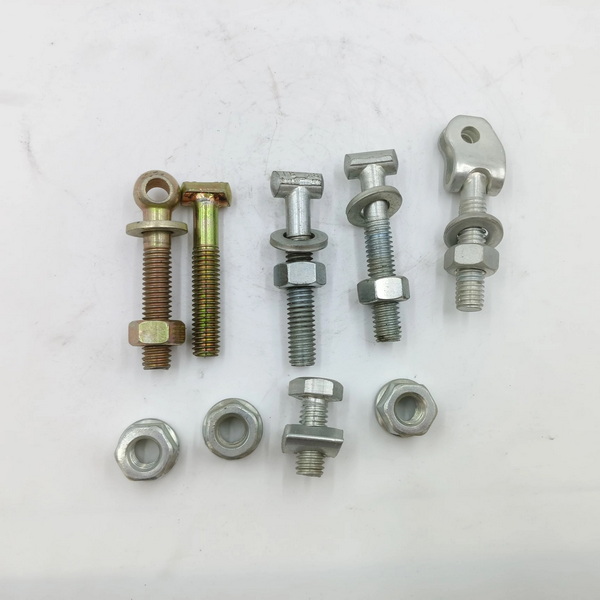
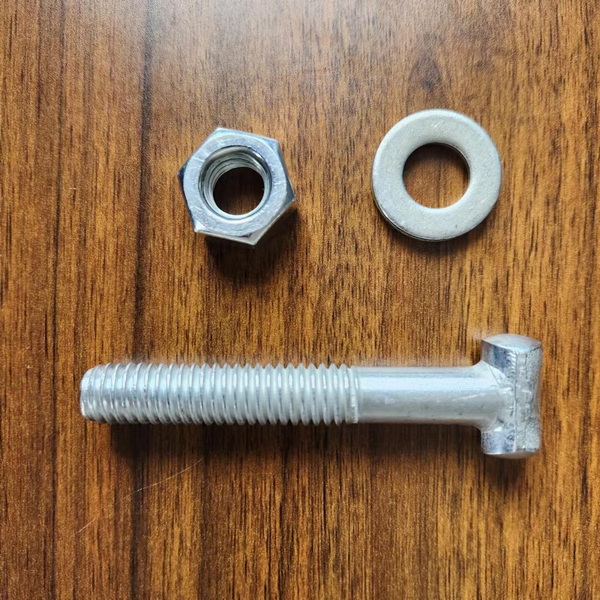
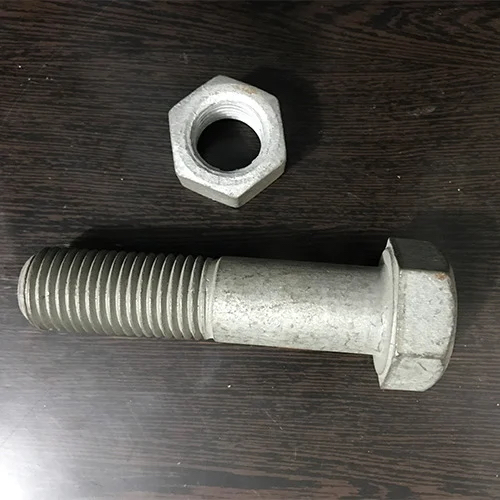
A scaffolding clamp nut is the fastening element that secures the bolt in a scaffolding clamp assembly, ensuring the clamp tightly grips the scaffolding tubes. The nut works in tandem with the bolt (often a T-bolt or threaded bolt) to maintain the structural connection.
Common Scaffolding Clamp Nut Sizes
Scaffolding clamp nuts come in various sizes, typically measured by the width across flats (AF) of the nut, which corresponds to the wrench size needed to tighten or loosen it. Common scaffolding clamp nut sizes include:
- 17 mm
- 19 mm
- 21 mm
- 22 mm
- 23 mm
These sizes correspond to different bolt diameters and thread pitches used in scaffolding clamps, such as M12, M14, or imperial sizes like 1/2".
Why Does Nut Size Matter?
The nut size must match the bolt it is paired with to:
- Ensure proper thread engagement and load transfer.
- Allow correct torque application for safe tightening.
- Prevent stripping or damage to threads.
- Maintain compliance with safety standards such as BS1139, EN74, and ISO 9001.
Can You Replace a Scaffolding Clamp Nut with a Different Size?
The Short Answer: No, You Should Not Replace It with a Different Size
Replacing a scaffolding clamp nut with one of a different size than specified is generally not recommended due to safety and compatibility concerns.
Detailed Explanation
- Thread Compatibility: Nuts and bolts must have matching thread diameters and pitches. For example, an M14 bolt requires an M14 nut with the correct thread pitch. Using a nut designed for a different size (e.g., M12 or M16) will not fit properly and can cause thread damage or failure.
- Torque Requirements: Different nut sizes require different torque values to achieve the correct clamping force. Using the wrong size nut can lead to under-tightening or over-tightening, both of which compromise scaffold safety.
- Tool Fitment: Wrenches or spanners are sized to specific nut sizes. Using a nut with a different AF size may require different tools, complicating onsite work.
- Safety Standards Compliance: Certified scaffolding clamps are tested with specific bolt and nut sizes. Altering components may void certifications and violate safety regulations.
- Structural Integrity: The clamp's ability to hold scaffold tubes securely depends on the correct bolt-nut pairing. Incorrect nuts can loosen under load or vibration, risking collapse.
When Might Replacement of a Nut Be Necessary?
- Damaged or Worn Nuts: Nuts can become rounded, stripped, or corroded, requiring replacement.
- Lost Nuts: On-site mishaps may cause nuts to be lost.
- Upgrading Components: Sometimes, nuts are replaced during maintenance or upgrade to higher-grade materials (e.g., switching to galvanized or stainless steel nuts).
In these cases, it is essential to replace the nut with one of the exact same size, thread pitch, and grade as the original.
How to Identify the Correct Scaffolding Clamp Nut Size
Step 1: Check Manufacturer Specifications
Refer to the scaffolding clamp manufacturer's datasheet or manual. For example, common clamps use nuts sized 21mm or 23mm across flats, matching bolts of M12 or M14 diameter.
Step 2: Measure the Bolt Diameter and Thread Pitch
Use a caliper and thread gauge to measure the bolt's diameter and pitch. This ensures you select a nut that fits perfectly.
Step 3: Match the Nut Size to the Bolt
Select a nut with the correct internal thread size and external wrench size (AF). For example, a bolt of M14 x 2.0 mm pitch usually pairs with a nut sized 22 mm AF.
Risks of Using Incorrect Nut Sizes
- Thread Stripping: Mismatched threads can strip, leading to loss of clamping force.
- Unsafe Load Bearing: Incorrect nuts may not withstand the required load, risking structural failure.
- Increased Wear and Tear: Improper fit accelerates wear on bolts and nuts.
- Non-Compliance: Using non-standard nuts can violate safety regulations and invalidate insurance.
- Operational Delays: Wrong sizes cause delays due to tool incompatibility and rework.
Best Practices for Replacing Scaffolding Clamp Nuts
- Always use nuts specified by the manufacturer or meeting the same standards.
- Use nuts made from the same or higher-grade material (e.g., grade 8.8 steel).
- Replace nuts in sets with bolts when possible.
- Use proper tools sized for the nut (e.g., 21 mm or 23 mm spanner).
- Inspect nuts regularly for damage or corrosion.
- Maintain documentation of replacements for safety audits.
Industry Standards and Nut Sizes in Scaffolding
Certified scaffolding clamps conform to standards such as:
- BS1139 / EN74: British and European standards specifying clamp dimensions and nut sizes.
- ISO 9001: Quality management ensuring consistent manufacturing.
- OSHA: Safety regulations in the USA.
Typical nut sizes linked to these standards include 21 mm and 23 mm AF for the most common clamps.
The Role of Nut Size in Different Scaffolding Systems
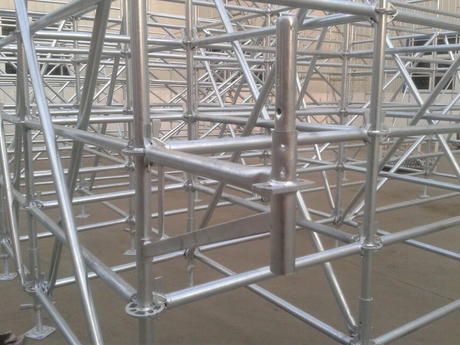
Different scaffolding systems, such as Cuplock, Layher Metric Allround, Liba, and traditional tube and clamp systems, have specific requirements for clamp components, including nuts.
- Cuplock System: Uses forged clamps with specific bolt and nut sizes, often requiring 23 mm nuts for secure locking.
- Layher Metric Allround: Employs precision-engineered clamps with standardized nut sizes for compatibility and safety.
- Liba Scaffolding: Utilizes modular clamps with specific nut sizes to maintain system integrity.
- Traditional Tube and Clamp: Often uses standard M12 or M14 bolts paired with 21 mm or 23 mm nuts.
Understanding these system-specific requirements helps ensure the correct scaffolding clamp nut size is used, preserving the structural integrity and safety of the scaffold.
Maintenance Tips for Scaffolding Clamp Nuts
- Regular Inspection: Check nuts for corrosion, wear, or damage before use.
- Proper Lubrication: Apply anti-seize compounds if recommended to prevent galling.
- Storage: Keep spare nuts in dry, clean environments to avoid rust.
- Replacement Schedule: Replace nuts showing signs of wear or damage immediately.
- Training: Ensure workers are trained to recognize and handle correct nut sizes and replacements.
Additional Considerations: Impact of Nut Material and Coating
Choosing the right material and coating for scaffolding clamp nuts is as important as selecting the correct size. Common materials include:
- Carbon Steel: Standard material for most scaffolding nuts, offering strength and affordability.
- Galvanized Steel: Provides corrosion resistance, essential for outdoor or humid environments.
- Stainless Steel: Offers superior corrosion resistance and durability, often used in marine or chemical environments.
Coatings such as hot-dip galvanizing or zinc plating extend the lifespan of nuts and maintain safety by preventing rust and weakening of the threads.
Conclusion
Replacing a scaffolding clamp nut with a different size is not advisable due to the critical role nut size plays in ensuring safety, structural integrity, and compliance with industry standards. Always use the exact scaffolding clamp nut size specified by the manufacturer, and ensure nuts are of appropriate material and certification. Proper maintenance, careful measurement, and adherence to standards guarantee safe and reliable scaffolding operations.
FAQ
1. Can I use a smaller or larger scaffolding clamp nut size as a replacement?
Answer: No. Using a nut with a different size than specified can cause thread damage, improper tightening, and safety risks. Always replace with the exact nut size required by the clamp manufacturer.
2. How do I know what size nut my scaffolding clamp uses?
Answer: Check the manufacturer's datasheet or measure the bolt diameter and thread pitch. Common sizes include 21 mm and 23 mm across flats for scaffold clamp nuts.
3. What tools do I need to tighten scaffolding clamp nuts?
Answer: Standard scaffold spanners sized to the nut, typically 21 mm or 23 mm. Using the correct tool prevents rounding off the nut edges.
4. Can I replace a rusty scaffolding clamp nut with a stainless steel one?
Answer: Yes, provided the stainless steel nut matches the original size and thread pitch. Stainless steel offers better corrosion resistance but ensure compatibility with bolts.
5. What happens if I use a non-certified nut on a scaffolding clamp?
Answer: Non-certified nuts may not meet strength and safety requirements, potentially leading to clamp failure, safety hazards, and non-compliance with regulations.