Content Menu
● The Role of the 30 Foot Aluminum Plank in Scaffolding
● Technical Specifications and Standards
>> What Makes a 30 Foot Aluminum Plank Unique?
● Benefits of Using a 30 Foot Aluminum Plank
>> Lightweight and Portable
>> Strength and Durability
>> Corrosion Resistance
>> Versatility
>> Cost-Effectiveness
● Safety Considerations and OSHA Compliance
>> Is a 30 Foot Aluminum Plank Safe for Scaffolding?
● Installation Guide: Setting Up a 30 Foot Aluminum Plank
>> Step-by-Step Assembly
● Maintenance and Longevity
>> How to Care for a 30 Foot Aluminum Plank
● Real-World Applications and Case Studies
>> Where Are 30 Foot Aluminum Planks Used?
● Environmental Impact and Sustainability
>> Aluminum as a Sustainable Choice
● Common Mistakes and How to Avoid Them
>> Pitfalls in Using a 30 Foot Aluminum Plank
● User Experiences and Testimonials
>> What Do Real Users Say?
● Conclusion
● FAQ
>> 1. Is a 30 foot aluminum plank safe for scaffolding?
>> 2. How much weight can a 30 foot aluminum plank support?
>> 3. How do I install a 30 foot aluminum plank on scaffolding?
>> 4. How should I maintain and clean a 30 foot aluminum plank?
>> 5. What are the main advantages of a 30 foot aluminum plank over wood or steel?
Aluminum scaffolding planks have revolutionized the way construction, maintenance, and industrial projects are performed at height. Among the various sizes available, the 30 foot aluminum plank stands out for its impressive reach, strength, and adaptability. But is it suitable-and safe-for scaffolding? This comprehensive article explores the technical, practical, and safety aspects of using a 30 foot aluminum plank for scaffolding, supported by expert insights, standards.
The Role of the 30 Foot Aluminum Plank in Scaffolding
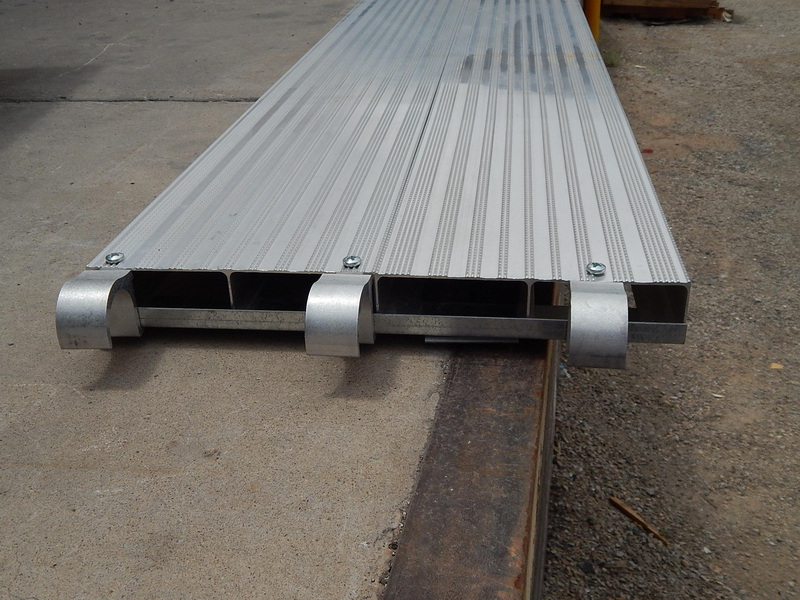
A 30 foot aluminum plank is a long, lightweight, and durable platform designed to span significant distances on scaffolding structures. Its primary purpose is to provide a stable, secure working surface for multiple workers, tools, and materials, especially in large-scale or high-access projects.
Technical Specifications and Standards
What Makes a 30 Foot Aluminum Plank Unique?
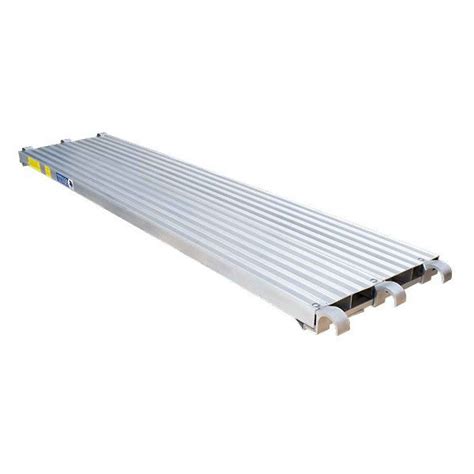
- Length: 30 feet (9.1 meters)
- Width: Commonly 12 to 28 inches
- Load Capacity: Typically rated for 500 lbs (2-person duty rating)
- Weight: Approximately 199 lbs for a 28-inch wide plank
- Material: High-strength aluminum alloy
- Certifications: ANSI and OSHA certified
- Features:
- Slip-resistant decking
- Reinforcing web braces
- Ergonomic handles
- Optional modular handrail system
Key Specs of Leading 30 Foot Aluminum Planks
| Brand/Model | Length | Width | Load Capacity | Weight | Certification |
| Werner 2330 | 30 ft | 12 in | 500 lbs | ~ | OSHA, ANSI |
| Louisville P22830 | 30 ft | 28 in | 500 lbs | 199 lbs | OSHA, ANSI |
| MSC Direct | 30 ft | 20 in | 500 lbs | ~ | OSHA, ANSI |
Benefits of Using a 30 Foot Aluminum Plank
Lightweight and Portable
Aluminum planks are much lighter than wood or steel, making them easier to transport and install, even at 30 feet in length. This reduces worker fatigue and speeds up assembly.
Strength and Durability
A 30 foot aluminum plank is engineered to support heavy loads without sagging or bending. Reinforced construction and high-quality alloys ensure long-term structural integrity, even under demanding conditions.
Corrosion Resistance
Aluminum does not rust. The natural oxide layer protects the plank from moisture, chemicals, and harsh weather, making it ideal for outdoor and industrial use.
Versatility
These planks can be used for:
- Scaffolding platforms
- Walkways and bridges
- Temporary stages
- Elevated work surfaces in industrial, commercial, and residential settings
Cost-Effectiveness
Although the initial investment is higher than wood, the extended lifespan and minimal maintenance requirements make 30 foot aluminum planks more economical over time.
Safety Considerations and OSHA Compliance
Is a 30 Foot Aluminum Plank Safe for Scaffolding?
Yes-if used according to manufacturer guidelines and OSHA standards. Leading 30 foot aluminum planks are specifically designed for scaffolding and are certified by OSHA and ANSI for 2-person, 500 lb duty ratings.
Key Safety Features:
- Slip-resistant decking: Reduces the risk of falls, even in wet or muddy conditions.
- Reinforcing web braces: Prevent flexing and provide additional support.
- Optional handrails: Enhance fall protection for workers.
- Surface holes: Allow liquids to drain, preventing pooling and slips.
OSHA Requirements:
- Load Ratings: Must not exceed rated capacity (usually 500 lbs for a 30 foot aluminum plank).
- Guardrails: Required for platforms more than 10 feet above ground.
- Plank Overlap and Support: Planks must be properly supported and secured to prevent movement.
- Inspection: All planks must be inspected before each use for damage or excessive wear.
Installation Guide: Setting Up a 30 Foot Aluminum Plank
Step-by-Step Assembly
1. Organize All Parts: Ensure all scaffold frames, planks, braces, and hardware are present.
2. Assemble Base and Frames: Set up scaffold frames on a level, stable surface.
3. Install Cross Braces: Secure frames with cross braces for stability.
4. Level the Scaffold: Use adjustable feet and check with a level.
5. Install the 30 Foot Aluminum Plank:
- Lift the plank with two or more people due to its length and weight.
- Position the plank so that both ends are securely supported by the scaffold frames.
- Engage the hooks or locking devices to prevent movement.
6. Secure Guardrails and Toe Boards: Attach guardrails and toe boards as required for fall protection.
7. Inspect Before Use: Check all connections and the plank surface for damage or debris.

Maintenance and Longevity
How to Care for a 30 Foot Aluminum Plank
- Regular Cleaning: Sweep debris and wash with mild soap and water. Avoid bleach and harsh chemicals.
- Inspect for Damage: Check for dents, cracks, or loose hardware before each use.
- Prevent Oxidation: Apply a UV-resistant protective coating if exposed to strong sunlight.
- Storage: Store planks off the ground and protected from heavy impacts or chemical spills.
Real-World Applications and Case Studies
Where Are 30 Foot Aluminum Planks Used?
- High-rise construction: Spanning large sections of facade or window installations.
- Industrial maintenance: Accessing equipment or machinery over wide gaps.
- Event staging: Creating temporary walkways or platforms for concerts and festivals.
- Bridge and infrastructure projects: Providing safe passage for workers over water or hazardous terrain.
Case Study:
A commercial painting contractor used 30 foot aluminum planks to bridge the entire length of an office building's facade, reducing the number of scaffold moves and increasing productivity. The lightweight nature allowed for easy repositioning, and the slip-resistant surface ensured worker safety, even during rainy conditions.
Environmental Impact and Sustainability
Aluminum as a Sustainable Choice
Aluminum is recognized for its sustainability in the construction industry. A 30 foot aluminum plank is not only long-lasting but also eco-friendly:
- Recyclability: Aluminum can be recycled indefinitely without loss of quality. Many planks are made with a high percentage of recycled material.
- Energy Efficiency: Recycling aluminum uses only about 5% of the energy required to produce new aluminum from raw ore.
- Reduced Waste: The extended lifespan of a 30 foot aluminum plank means fewer replacements and less landfill waste compared to wood or steel alternatives.
Common Mistakes and How to Avoid Them
Pitfalls in Using a 30 Foot Aluminum Plank
1. Improper Support Spacing:
Not supporting the entire length of the plank can lead to dangerous flexing or collapse. Always follow manufacturer guidelines for support intervals.
2. Overloading:
Exceeding the 500 lb rating can cause permanent damage or sudden failure. Consider the combined weight of workers, tools, and materials.
3. Skipping Inspections:
Failing to inspect for dents, cracks, or loose hardware increases the risk of accidents. Make inspections a daily routine.
4. Incorrect Fastening:
Not engaging locking devices or hooks can allow the plank to shift or tip. Always double-check all connections before use.
5. Exposure to Harsh Chemicals:
While aluminum is corrosion-resistant, prolonged exposure to certain chemicals can cause pitting or discoloration. Clean spills promptly and store planks properly.
User Experiences and Testimonials
What Do Real Users Say?
Testimonial 1: Construction Contractor
"Switching to 30 foot aluminum planks for our scaffolding was a game-changer. They're lighter, easier to move, and we haven't had to replace a single one in five years, even with heavy daily use."
Testimonial 2: Industrial Maintenance Supervisor
"We use 30 foot aluminum planks to access machinery across large gaps. The stability and slip resistance are unmatched, and setup is quick and easy."
Testimonial 3: Event Organizer
"Setting up temporary stages is much easier with aluminum planks. The slip-resistant surface is a big plus for safety, and we save money on replacements."
Conclusion
A 30 foot aluminum plank is not only suitable but highly effective for scaffolding applications-provided it is installed and used according to manufacturer guidelines and OSHA standards. Its combination of lightweight design, exceptional strength, corrosion resistance, and safety features makes it a top choice for professionals who require long-span, stable platforms. With proper care and maintenance, a 30 foot aluminum plank will deliver reliable service for years, making it a smart investment for any construction or industrial operation. The environmental benefits and recyclability of aluminum also make it a responsible choice for the future.
FAQ
1. Is a 30 foot aluminum plank safe for scaffolding?
Yes, when used according to manufacturer instructions and OSHA/ANSI standards, a 30 foot aluminum plank is safe for scaffolding. It is designed for heavy-duty use, with slip-resistant decking, reinforcing web braces, and the option for handrails.
2. How much weight can a 30 foot aluminum plank support?
Most 30 foot aluminum planks are rated for a 500 lb load capacity, supporting two workers and their tools. Always check the specific product's rating before use.
3. How do I install a 30 foot aluminum plank on scaffolding?
Assemble the scaffold frames and braces, level the structure, and then lift the plank into position with at least two people. Secure the plank's hooks or locks to prevent movement, and install guardrails and toe boards as required.
4. How should I maintain and clean a 30 foot aluminum plank?
Regularly sweep debris, wash with mild soap and water, and inspect for damage before each use. Avoid bleach or harsh chemicals, and store the plank properly when not in use.
5. What are the main advantages of a 30 foot aluminum plank over wood or steel?
Aluminum planks are lighter, rust-proof, more durable, and require less maintenance than wood or steel. They are also easier to handle and have a longer service life, making them more cost-effective in the long run.