Content Menu
● Introduction to Ladders and Scaffolding
● Use of Ladders on Scaffolding
● Safety Considerations
>> Regulations and Standards
>> Best Practices for Safety
● Design and Setup of Scaffolding
● Maintenance and Inspection
● Training and Certification
● Conclusion
● FAQ
>> 1. What is the recommended angle for placing a ladder on scaffolding?
>> 2. What are the key safety considerations for using ladders on scaffolding?
>> 3. What regulations govern the use of ladders and scaffolding in Canada?
>> 4. How often should ladders be inspected before use?
>> 5. What is the minimum width required for scaffold platforms?
● Citations:
In construction and maintenance projects, working at heights is a common requirement. Both ladders and scaffolding are essential tools for accessing elevated areas, but they serve different purposes and have distinct safety considerations. The question of whether you can put a ladder on scaffolding is crucial for ensuring safe and efficient work practices. This article will explore the use of ladders on scaffolding, safety guidelines, and best practices for working at heights.
Introduction to Ladders and Scaffolding
Ladders and scaffolding are both used to access elevated areas, but they differ in their design and application:
- Ladders: These are typically portable, self-supporting structures used for climbing. They are ideal for tasks that require minimal time at height and are often used for maintenance or repair work. Ladders come in various types, including step ladders, extension ladders, and platform ladders, each designed for specific tasks.
- Scaffolding: This is a more complex structure designed to support workers and materials over longer periods. Scaffolding provides a stable platform for tasks that require extensive work at height, such as construction or renovation projects. It can be customized to fit different building shapes and sizes.
Use of Ladders on Scaffolding
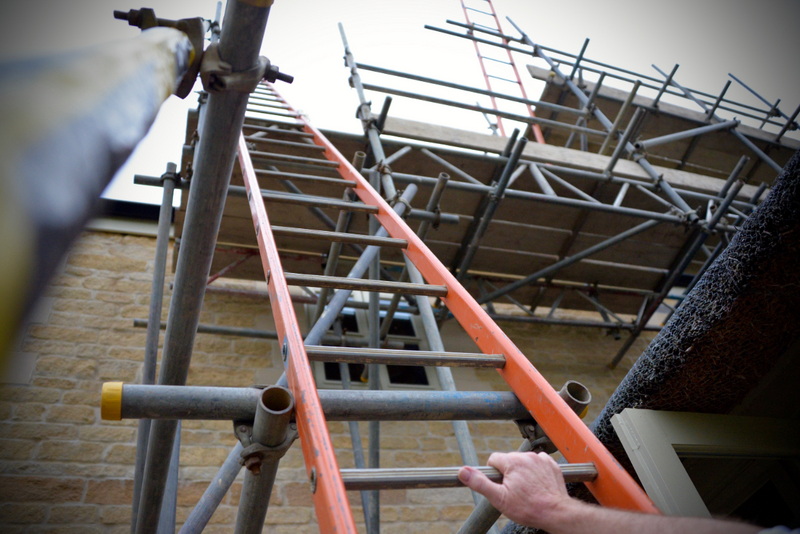
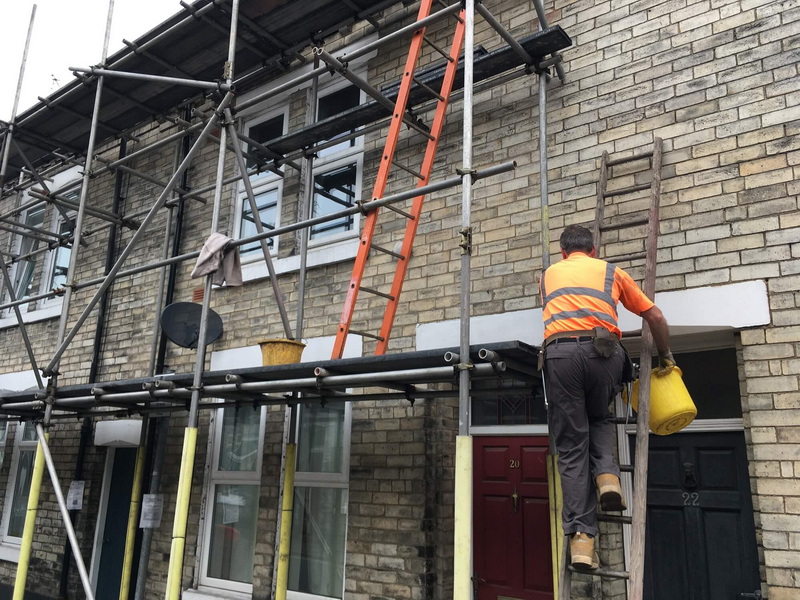
While ladders can be used on scaffolding, it is crucial to follow strict safety guidelines to avoid accidents. Ladders on scaffolding are primarily used to access different levels of the scaffold structure. Here are some key considerations:
1. Permitted Access Points: Ladders should only be placed at designated access points on the scaffolding structure. This ensures that workers can safely ascend and descend.
2. Angle of the Ladder: The ladder should be positioned at an angle between 75 and 80 degrees from the vertical to prevent it from falling backward and to increase stability.
3. Height of the Ladder: Ensure the ladder extends at least 3 feet above the top surface to provide a secure handhold for workers.
Safety Considerations
Safety is paramount when using ladders on scaffolding. Here are some critical safety considerations:
Regulations and Standards
In many countries, including Canada and the United States, there are strict regulations governing the use of ladders and scaffolding. For example, in Canada, employers must comply with the Canada Occupational Health and Safety Regulations (COHSR) and provincial regulations. In the U.S., OSHA (Occupational Safety and Health Administration) sets standards for ladder and scaffolding safety.
Best Practices for Safety
To ensure safety, follow these best practices:
- Proper Training: Ensure all workers are trained in safe ladder and scaffolding practices, including setup, maintenance, and use of fall protection equipment. Training should cover how to inspect equipment, how to properly climb ladders, and how to secure scaffolding.
- Ladder Inspection: Inspect ladders before each use for defects such as broken rungs, loose parts, or worn-out feet. The inspection should be documented to ensure accountability.
- Three Points of Contact: Maintain three points of contact (two hands and one foot, or two feet and one hand) when climbing ladders to reduce the risk of falling.
- Stable Surfaces: Use ladders only on stable, level surfaces. Ensure the ground is firm and even to prevent the ladder from slipping.
- Fall Protection: Use personal fall arrest systems (PFAS) when working at heights. This includes harnesses, lanyards, and anchor points.
Design and Setup of Scaffolding
Scaffolding design and setup are critical for safety and efficiency:
- Scaffold Design: Scaffolding must be designed by a professional engineer and erected according to the design specifications. It should be capable of supporting at least four times the maximum load without overturning.
- Platform Width: Scaffold platforms must be at least 20 inches wide and consist of planks laid tightly side by side if they are more than 8 feet above a surface.
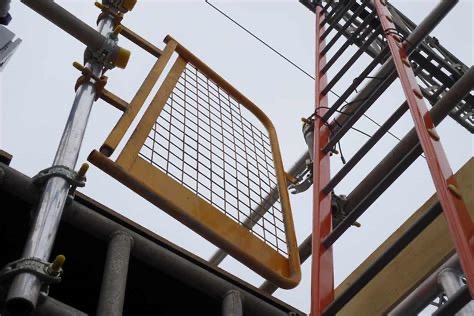
- Guardrails: Guardrails are required on scaffolds more than 10 feet above a lower level. A mid rail is also necessary to prevent tools and materials from falling off.
- Tie-Offs: Scaffolding should be securely tied off to the building to prevent it from tipping over in the wind.
Maintenance and Inspection
Regular maintenance and inspection of scaffolding and ladders are essential to ensure they remain safe for use:
- Daily Inspections: Conduct daily visual inspections of scaffolding and ladders for signs of wear or damage.
- Weekly Inspections: Perform more detailed inspections weekly, checking for structural integrity and ensuring all components are securely fastened.
- Repair and Replacement: Address any issues found during inspections promptly. Replace damaged parts or equipment to prevent accidents.
Training and Certification
Proper training and certification are vital for workers using ladders and scaffolding:
- Training Programs: Implement comprehensive training programs that cover safety procedures, equipment use, and emergency response.
- Certification: Ensure that workers are certified in scaffolding erection and use. This certification should be renewed periodically to keep workers updated on the latest safety standards.
Conclusion
Using ladders on scaffolding can be safe and efficient if proper safety guidelines and best practices are followed. It is essential to ensure that ladders are used at designated access points, positioned correctly, and inspected regularly. By adhering to these standards, workers can minimize risks and complete tasks safely at heights.
FAQ
1. What is the recommended angle for placing a ladder on scaffolding?
The recommended angle for placing a ladder on scaffolding is between 75 and 80 degrees from the vertical. This angle helps prevent the ladder from falling backward and increases stability.
2. What are the key safety considerations for using ladders on scaffolding?
Key safety considerations include using ladders only at designated access points, maintaining three points of contact while climbing, and ensuring the ladder extends at least 3 feet above the top surface.
3. What regulations govern the use of ladders and scaffolding in Canada?
In Canada, the use of ladders and scaffolding is governed by the Canada Occupational Health and Safety Regulations (COHSR) and provincial regulations such as those enforced by WorkSafeBC and Ontario's Ministry of Labour.
4. How often should ladders be inspected before use?
Ladders should be inspected before each use to check for defects such as broken rungs or loose parts. The inspection should be documented.
5. What is the minimum width required for scaffold platforms?
Scaffold platforms must be at least 20 inches (50 centimeters) wide.
Citations:
[1] https://dss.net/guide-to-ladders-and-scaffolding-in-construction/
[2] https://blog.wordvice.cn/title-capitalization-rules-for-research-papers/
[3] https://ohse.ca/ladder-and-scaffolding-safety-ensuring-safe-working-at-heights/
[4] https://www.tru.ca/__shared/assets/ladder-and-scaffolding58269.pdf
[5] https://riskmanagement.nd.edu/assets/445123/ladder_and_scaffold_procedure_october_2019.pdf
[6] https://www.agc.org/sites/default/files/Files/Safety%20&%20Health/2%20Scaffolds,%20Ladders,%20&%20Lifts.pdf
[7] https://www.omag.org/news/2021/2/4/staying-safe-on-ladders-and-scaffolds
[8] https://www.fallprotect.com/blog/ladder-scaffolding-safety-are-crucial-elements-in-protecting-job-site-workers