Content Menu
● What Are Scaffolding Clamps?
● Understanding Scaffolding Clamp Weight
● Does Scaffolding Clamp Weight Affect Load Bearing?
>> Direct vs. Indirect Influence
>> Key Factors Affecting Load Bearing
● Load Capacity of Scaffolding Clamps
● Factors Influencing Load Bearing Beyond Clamp Weight
>> 1. Clamp Material and Treatment
>> 2. Tube Size and Quality
>> 3. Assembly Quality
>> 4. Environmental Conditions
>> 5. Dynamic Loads
● How to Calculate Load Capacity Considering Clamp Weight
>> Example Calculation
● Types of Scaffolding Clamps and Their Weight-Load Profiles
>> Right-Angle Coupler
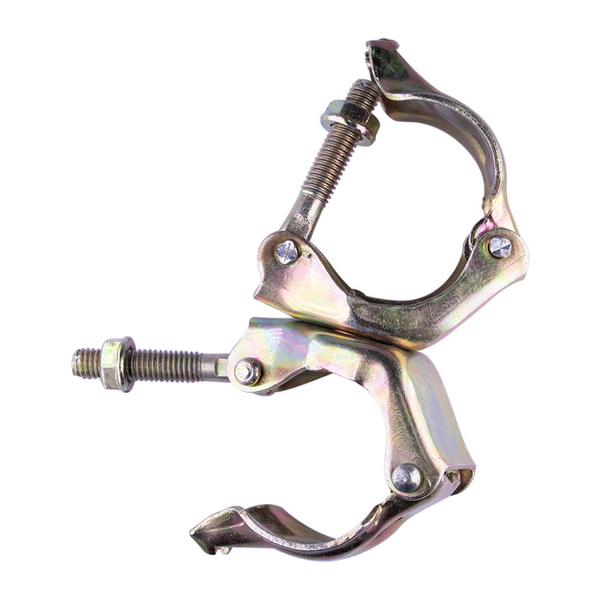
>> Swivel Coupler
>> Sleeve Coupler
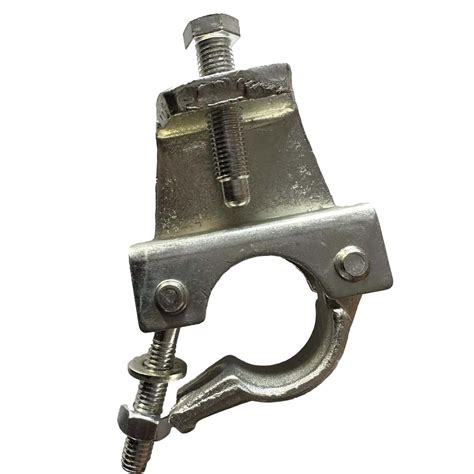
>> Beam Clamp
● Best Practices for Selecting Scaffolding Clamps
● Environmental Impact and Sustainability of Scaffolding Clamps
● Common Misconceptions About Scaffolding Clamp Weight
>> Misconception 1: Heavier Clamps Always Mean Stronger Clamps
>> Misconception 2: Clamp Weight Affects Scaffold Stability
>> Misconception 3: Lighter Clamps Are Unsafe
● Innovations in Scaffolding Clamp Design
● Conclusion
● FAQ
>> 1. Does a heavier scaffolding clamp mean it can bear more load?
>> 2. What is the typical load capacity of scaffolding clamps?
>> 3. How does clamp weight affect scaffold assembly?
>> 4. Can damaged or corroded clamps affect load-bearing capacity?
>> 5. Are there standards regulating scaffolding clamp load capacities?
Understanding the relationship between scaffolding clamp weight and load-bearing capacity is crucial for ensuring safe and efficient scaffolding structures. Scaffolding clamps, also known as couplers, are essential components that connect tubes and provide structural integrity. This article explores how the weight of scaffolding clamps influences their load-bearing capacity, the factors that affect scaffold strength, types of clamps, and best practices for safe scaffolding design.
What Are Scaffolding Clamps?
Scaffolding clamps are mechanical devices used to join scaffolding tubes securely. They come in various types such as right-angle clamps, swivel clamps, and sleeve clamps. These clamps ensure the stability and safety of scaffolding by maintaining the structural framework.
- Material: Usually made from forged steel or pressed steel for durability.
- Finish: Hot-dip galvanized or electroplated for corrosion resistance.
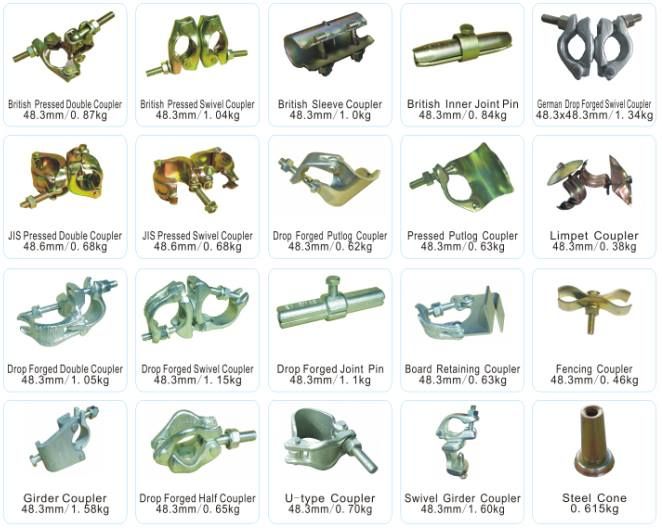
- Weight: Varies by type and size, generally ranging from 1.5 kg to 3 kg per clamp.
Understanding Scaffolding Clamp Weight
The scaffolding clamp weight refers to the physical mass of the clamp itself. This weight depends on the clamp's size, material, and design. For example:
- A typical right-angle clamp weighs approximately 1.8 to 2.2 kg.
- Heavy-duty swivel clamps may weigh up to 3 kg.
- Lightweight aluminum clamps weigh less but are less common in heavy-duty scaffolding.
The weight of the clamp is a factor of its robustness and the amount of material used in manufacturing.
Does Scaffolding Clamp Weight Affect Load Bearing?
Direct vs. Indirect Influence
The weight of the scaffolding clamp itself does not directly increase or decrease the load-bearing capacity of the scaffolding system. Instead, it is the design, material strength, and manufacturing quality of the clamp that primarily determine load capacity.
- Heavier clamps often indicate more material and potentially higher strength.
- However, a well-designed lighter clamp made from high-grade steel can have equal or better load capacity than a heavier, poorly designed clamp.
Key Factors Affecting Load Bearing
1. Material Strength: Steel clamps with high tensile strength withstand greater loads.
2. Manufacturing Quality: Forged clamps generally have higher strength than pressed ones.
3. Clamp Type and Design: Swivel clamps, right-angle clamps, and sleeve clamps have different load ratings.
4. Tightening Torque: Proper tightening ensures maximum slip resistance and load capacity.
5. Wear and Corrosion: Over time, corrosion or damage reduces clamp strength regardless of weight.
Load Capacity of Scaffolding Clamps
The load capacity, or safe working load (SWL), of scaffolding clamps is tested and certified by regulatory bodies. Typical values include:
| Clamp Type | Typical Weight (kg) | Load Capacity (kg) | Load Capacity (kN) |
| Right-Angle Clamp | 1.8 - 2.2 | 2,500 - 3,000 | ~24 - 30 |
| Swivel Clamp | 2.0 - 3.0 | 2,000 - 3,000 | ~20 - 30 |
| Sleeve Clamp | 1.5 - 2.0 | 1,500 - 2,500 | ~15 - 25 |
| Beam Clamp | ~2.0 | 2,800 - 3,000 | ~28 - 30 |
Factors Influencing Load Bearing Beyond Clamp Weight
1. Clamp Material and Treatment
- Forged Steel: High strength and durability.
- Pressed Steel: Cost-effective but lower strength.
- Galvanization: Protects against corrosion, maintaining strength over time.
2. Tube Size and Quality
Standard scaffolding tubes are usually 48.3 mm in diameter with varying wall thicknesses. The tube's strength directly impacts the overall scaffold load capacity.
3. Assembly Quality
Proper tightening and correct assembly techniques ensure clamps achieve their rated load capacity. Under-tightening or incorrect installation can significantly reduce safety margins.
4. Environmental Conditions
Exposure to chemicals, moisture, and extreme temperatures can degrade clamp materials, affecting load capacity.
5. Dynamic Loads
Wind, vibrations, and sudden impacts can produce dynamic loads exceeding static load ratings, requiring safety factors in design.
How to Calculate Load Capacity Considering Clamp Weight
While the weight of the clamp is not directly used in load calculations, the load capacity rating provided by manufacturers and standards is crucial. For example, OSHA requires scaffolding components to support at least four times the maximum intended load.
Example Calculation
If two workers and equipment weigh 525 lbs (238 kg), the scaffolding system must support at least 2,100 lbs (952 kg). Clamps used must have a load rating exceeding this, factoring in safety margins.
Types of Scaffolding Clamps and Their Weight-Load Profiles
Right-Angle Coupler
- Connects tubes at 90 degrees.
- Weight: ~2 kg.
- Load Capacity: Up to 3,000 kg.
- Use: Standard vertical and horizontal connections.
Swivel Coupler
- Connects tubes at any angle.
- Weight: 2-3 kg.
- Load Capacity: Up to 3,000 kg.
- Use: Diagonal bracing and complex angles.
Sleeve Coupler
- Joins tubes end-to-end.
- Weight: 1.5-2 kg.
- Load Capacity: Up to 2,500 kg.
- Use: Extending tube length.
Beam Clamp
- Attaches scaffold tubes to structural beams.
- Weight: ~2 kg.
- Load Capacity: Up to 3,000 kg.
- Use: Securing scaffold to building.
Best Practices for Selecting Scaffolding Clamps
- Choose Certified Products: Ensure clamps meet EN 74, OSHA, or ANSI standards.
- Match Clamp to Application: Use swivel clamps for angled connections, right-angle for orthogonal.
- Consider Clamp Weight as Quality Indicator: Heavier clamps often indicate robust construction but verify material and certification.
- Regular Inspection: Replace clamps showing wear, corrosion, or deformation.
- Proper Assembly: Use torque wrenches to achieve recommended tightening.
Environmental Impact and Sustainability of Scaffolding Clamps
The choice of scaffolding clamps also impacts environmental sustainability. Forged steel clamps, though heavier, often have longer service lives, reducing the need for frequent replacements. Galvanized finishes protect against corrosion, extending lifespan and minimizing waste. Additionally, many manufacturers now incorporate recycled steel in clamp production, reducing environmental footprint.
Common Misconceptions About Scaffolding Clamp Weight
Misconception 1: Heavier Clamps Always Mean Stronger Clamps
While heavier clamps often use more material and can be stronger, design and manufacturing quality are equally important. A well-engineered lightweight clamp can outperform a heavier, poorly designed one.
Misconception 2: Clamp Weight Affects Scaffold Stability
The overall scaffold stability depends on the entire system, including tubes, braces, and assembly quality, not just clamp weight.
Misconception 3: Lighter Clamps Are Unsafe
Lightweight clamps made from high-quality materials and tested to standards can be safe and effective.
Innovations in Scaffolding Clamp Design
Recent advances include:
- High-Strength Alloys: Using stronger steels to reduce weight without compromising strength.
- Ergonomic Designs: Easier handling and faster assembly.
- Smart Clamps: Embedded sensors to monitor load and stress in real-time.
- Corrosion-Resistant Coatings: Advanced coatings to extend lifespan in harsh environments.
Conclusion
The scaffolding clamp weight itself does not directly determine load-bearing capacity; rather, the clamp's material quality, design, manufacturing, and proper installation govern its strength. While heavier clamps often correlate with stronger construction, lightweight clamps made from premium materials can perform equally well. Understanding the load capacities, adhering to safety standards, and ensuring proper assembly are paramount for scaffold safety and performance. Selecting the right clamp type and maintaining it properly ensures scaffolding systems can safely support intended loads, protecting workers and equipment.
FAQ
1. Does a heavier scaffolding clamp mean it can bear more load?
Not necessarily. While heavier clamps often use more material and can be stronger, design, material quality, and manufacturing processes are more critical factors.
2. What is the typical load capacity of scaffolding clamps?
Load capacities vary but generally range from 1,500 kg to 3,000 kg depending on clamp type and quality.
3. How does clamp weight affect scaffold assembly?
Heavier clamps may be more durable but can increase labor effort during assembly. Lightweight clamps ease handling but must meet strength requirements.
4. Can damaged or corroded clamps affect load-bearing capacity?
Yes, corrosion and damage significantly reduce clamp strength and can compromise scaffold safety.
5. Are there standards regulating scaffolding clamp load capacities?
Yes, standards like EN 74, OSHA, and ANSI specify testing, load ratings, and safety factors for scaffolding clamps.