Content Menu
● Understanding the Core Principles of a Scaffolding Tag System
● How a Scaffolding Tag System Enhances Workplace Safety Compliance
>> 1. Enhanced Safety Awareness and Accident Prevention
>> 2. Streamlined Processes and Improved Efficiency
>> 3. Enhanced Accountability and Documentation
>> 4. Compliance with Regulations
● Implementing an Effective Scaffolding Tag System
● Conclusion
● FAQ
>> 1. What is a scaffolding tag system?
>> 2. What are the benefits of using a scaffolding tag system?
>> 3. What do the different colors of scaffold tags signify?
>> 4. How often should scaffolding be inspected when using a tag system?
>> 5. What are some best practices for implementing a scaffolding tag system?
● Citations:
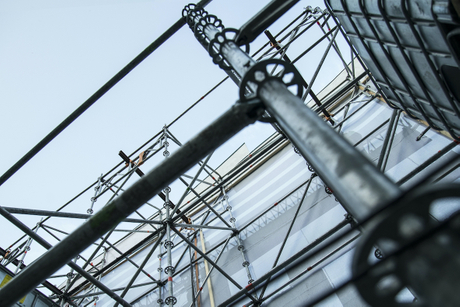
A scaffolding tag system is a visual management tool used to communicate the safety status of scaffolding structures on a construction site. By providing clear, concise information about the condition and inspection status of scaffolding, a scaffolding tag system helps to prevent accidents, promote a culture of safety, and ensure compliance with safety regulations. Implementing an effective scaffolding tag system can significantly improve workplace safety compliance and create a safer working environment for all personnel involved in scaffolding operations. This article delves into how a scaffolding tag system contributes to workplace safety compliance, covering aspects like enhanced safety awareness, streamlined processes, accountability, and documentation.
Understanding the Core Principles of a Scaffolding Tag System
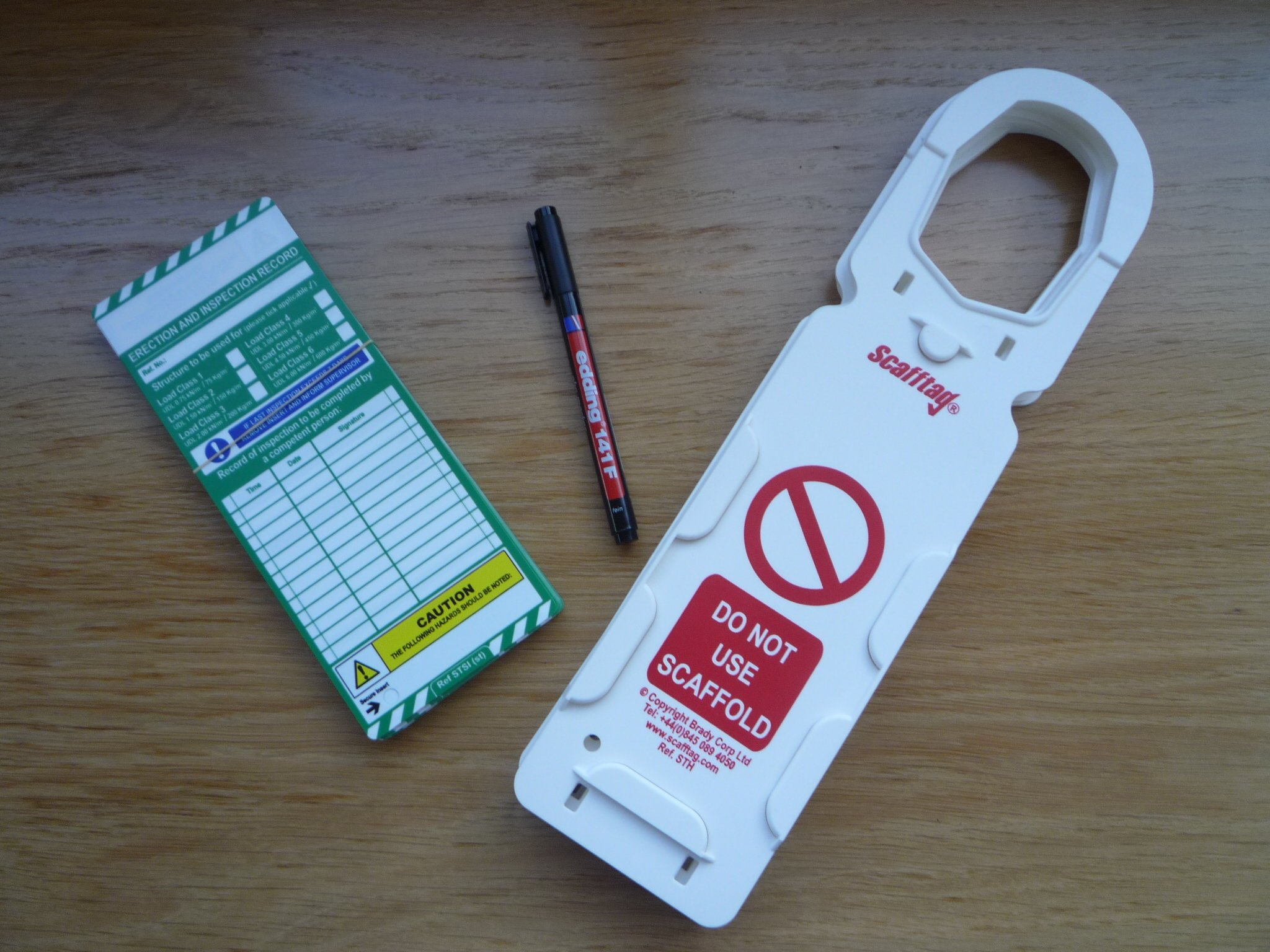
A scaffolding tag system operates on several core principles:
- Visual Communication: Tags provide immediate visual cues about the safety status of a scaffold.
- Standardization: Standardized tag colors and wording ensure consistent communication across the worksite.
- Inspection and Maintenance: Tags are used to document inspections, maintenance, and repairs, ensuring that scaffolding is regularly checked and maintained.
- Compliance: A well-implemented scaffolding tag system helps to demonstrate compliance with OSHA and other safety regulations.
- Accessibility: Tags are placed in highly visible locations, easily accessible to all workers.
How a Scaffolding Tag System Enhances Workplace Safety Compliance
A scaffolding tag system enhances workplace safety compliance in several key ways:
1. Enhanced Safety Awareness and Accident Prevention
- Clear Visual Indicators: Scaffold tags provide a clear visual indication of a scaffold's safety status, raising awareness among workers[4]. By clearly communicating whether a scaffold is safe or unsafe, tags help prevent accidents and injuries, promoting a culture of safety and vigilance[4].
- Color-Coded System: Scaffold tags use a color-coded system to quickly communicate the safety status of a scaffold[3]. The commonly used colors and their meanings are:
- Green Tag: Indicates that the scaffold has been inspected and is safe for use[3][6]. It signifies that thorough inspections have been done, certifying the scaffold's secure use[6]. This tag affirms that every part, connection, and detail has been carefully checked, meeting strict safety standards[6]. A green tag with “Safe for Use”, or similar wording, to indicate it is safe for use[1].
- Yellow Tag: Indicates caution, potential hazards, or limitations[3][6]. The yellow tag highlights potential hazards[6]. It shows that the scaffolding is around an area being worked on – a place where being careful is crucial[6]. It doesn't mean you can't use it, but it's a gentle reminder of the changing situation and the need to be cautious in these situations[6]. A yellow tag with “Caution: Potential or Unusual Hazard”, or similar wording, to indicate the presence of a potential or unusual hazard[1].
- Red Tag: Indicates that the scaffold is unsafe for use due to ongoing construction or known defects[3][6]. In the midst of setting up and taking down scaffolds, the red tag becomes crucial[6]. This tag shows a temporary danger, indicating that the scaffold is in-between – not fully ready or completely safe[6]. It's like a guard during any changes, reminding everyone to stay watchful[6]. A red tag with “Unsafe for Use”, or similar wording, to indicate it is not safe to use[1].
- Visual Reminders: Scaffold tags serve as visual reminders for workers to prioritize safety and follow proper procedures[2].
2. Streamlined Processes and Improved Efficiency
- Quick Identification of Safe Scaffolds: With properly implemented scaffolding tags, workers can quickly identify which scaffolds are safe for use, reducing time spent on unnecessary inspections[4].
- Efficient Communication: Scaffold tagging systems facilitate clear communication and make it easier to identify safe scaffolds quickly[2].
- Simplified Inspection and Maintenance: Scaffold tags provide a clear record of inspections, making it easier to track maintenance requirements and schedule repairs[4].
3. Enhanced Accountability and Documentation
- Record of Scaffold Inspections: Each tag serves as a record of scaffold inspections, indicating that safety measures have been taken and demonstrating compliance with regulatory requirements[4]. This documentation protects the company's reputation and legal standing in case of inspections or legal proceedings[4].
- Tracking and Documentation: Scaffold tags also serve as a valuable documentation tool, allowing companies to track and document scaffold inspection results over time[3]. This record-keeping not only ensures compliance with regulatory requirements but also provides a historical reference for future inspections and maintenance[3].
- Improved Accountability: Through the use of scaffold tags, construction site workers and supervisors are held accountable for the integrity of the scaffold, ensuring that it is properly inspected, maintained, and accessible only when it is safe to do so[2]. This increased level of accountability contributes to a safer work environment[2].
4. Compliance with Regulations
- Meeting Scaffold Inspection Requirements: Implementing scaffold tagging systems that align with OSHA standards not only facilitates compliance but also enhances communication and documentation of scaffold inspection results[3]. By prioritizing scaffold safety and conducting regular inspections, companies can create a safer work environment for their employees, minimizing risks and ensuring compliance with industry regulations[3].
- Following Scaffold Tag Requirements: Following scaffold tag requirements ensures compliance with relevant safety regulations and standards[2].
- OSHA Compliance: Our scaffold tags comply with OSHA's regulations and will help warn employees when scaffolding is not safe[5].
Implementing an Effective Scaffolding Tag System
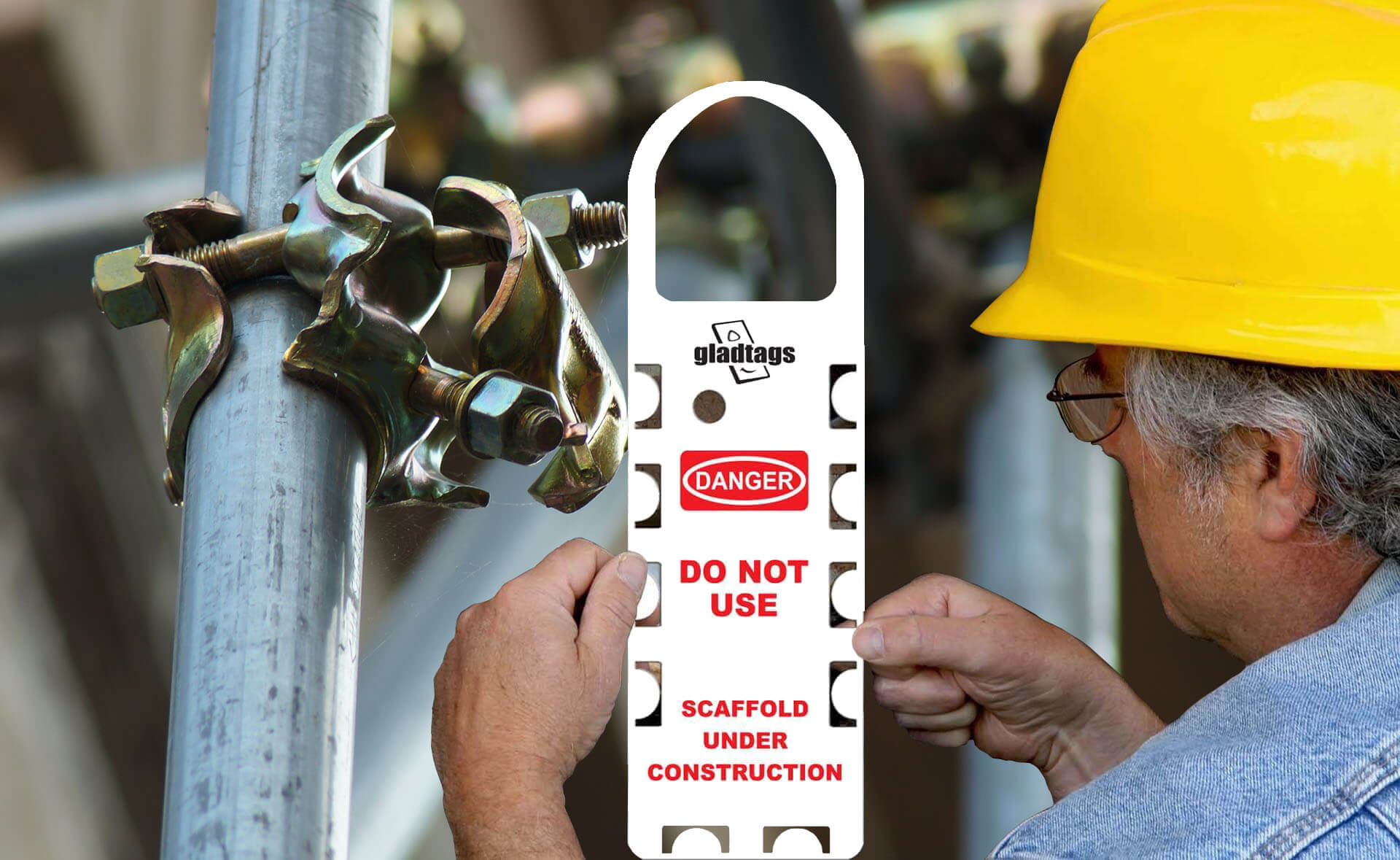
To implement a scaffolding tag system effectively, consider the following steps:
1. Develop a Written Program: Create a comprehensive written program that outlines the procedures for scaffold inspection, tagging, and maintenance.
2. Train Employees: Provide thorough training to all employees involved in scaffolding operations, covering the proper use of scaffold tags, inspection procedures, and hazard recognition.
3. Select Durable Tags: Choose durable and weather-resistant tags that can withstand the harsh conditions often encountered on construction sites[3].
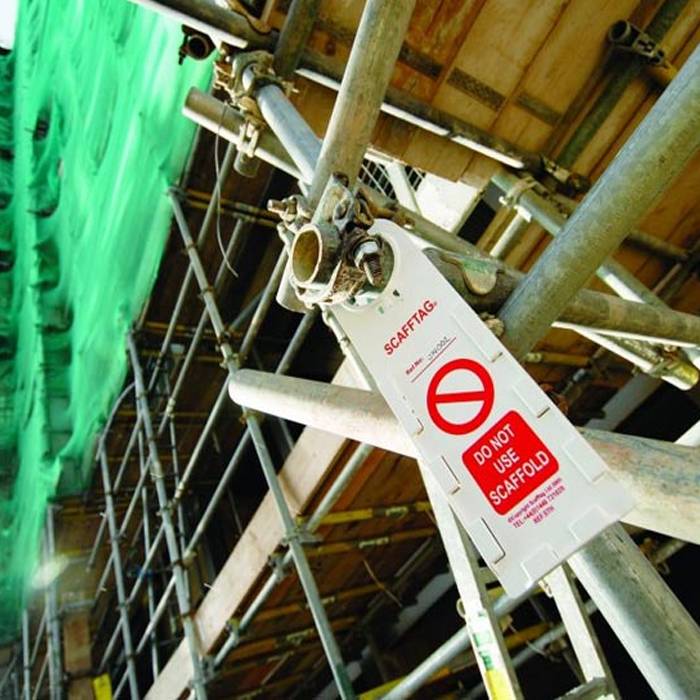
4. Ensure Proper Tag Placement: Place tags in highly visible locations near access points, ensuring that they are easily noticeable by anyone using the scaffold[3][6].
5. Conduct Regular Inspections: Conduct regular inspections of scaffolding structures, documenting the findings on the scaffold tags[3].
6. Maintain Accurate Records: Keep accurate records of all scaffold inspections, maintenance, and repairs.
7. Regularly Update Tags: Scaffold tags are not permanent fixtures; they should be regularly inspected and updated as needed.
Conclusion
A scaffolding tag system is an essential tool for improving workplace safety compliance in construction and other industries. By providing clear visual indicators of a scaffold's safety status, streamlining processes, enhancing accountability, and facilitating compliance with regulations, a scaffolding tag system helps to prevent accidents, promote a culture of safety, and create a safer working environment for all personnel involved in scaffolding operations. Implementing an effective scaffolding tag system requires careful planning, training, and ongoing maintenance, but the benefits in terms of safety and compliance make it a worthwhile investment.
FAQ
1. What is a scaffolding tag system?
A scaffolding tag system is a visual management tool used to communicate the safety status of scaffolding structures on a construction site[2].
2. What are the benefits of using a scaffolding tag system?
The benefits include enhanced safety awareness, streamlined processes, improved accountability, and compliance with regulations[2][4].
3. What do the different colors of scaffold tags signify?
Green indicates that the scaffold is safe for use, yellow indicates caution or potential hazards, and red indicates that the scaffold is unsafe for use[3][6].
4. How often should scaffolding be inspected when using a tag system?
Scaffolding should be inspected by a competent person before each work shift and after any incident or adverse weather condition that may affect the scaffold's integrity[3].
5. What are some best practices for implementing a scaffolding tag system?
Best practices include developing a written program, training employees, selecting durable tags, ensuring proper tag placement, conducting regular inspections, and maintaining accurate records[3].
Citations:
[1] https://search-ohs-laws.alberta.ca/legislation/occupational-health-and-safety-code/part-23-scaffolds-and-temporary-work-platforms/
[2] https://scaffoldtype.com/scaffold-tagging-system/
[3] https://scaffoldtype.com/scaffold-tagging-systems/
[4] https://trdsf.com/blogs/news/scaffolding-tags-safety-compliance-guidelines
[5] https://www.bradycanada.ca/scaffold-inspection-tags
[6] https://www.linkedin.com/pulse/what-scaffold-tagging-types-enhancing-safety-height-youngman-india
[7] https://www.seton.ca/tags/osha-and-safety-tags/scaffold-tags.html
[8] https://constructionmaguk.co.uk/the-importance-of-scaffolding-tagging-in-construction/