Content Menu
● Understanding the Kwikstage System Scaffolding Manual
● The Role of the Kwikstage System Scaffolding Manual in Accident Prevention
>> 1. Promoting Safe Planning and Pre-Start Checks
>> 2. Standardized Assembly Procedures
>> 3. Clear Load and Height Limits
>> 4. Guidance on Bracing and Tying for Stability
>> 5. Emphasizing Safe Use and Work Practices
>> 6. Dismantling Procedures to Prevent Accidents
>> 7. Maintenance and Inspection Protocols
>> 8. Visual and Practical Learning Resources
>> 9. Compliance with Occupational Safety and Health Standards
>> 10. Training and Certification
>> 11. Fostering a Culture of Safety and Accountability
>> 12. Adapting to Project-Specific Challenges
>> 13. Communication and Coordination
● Case Study: Accident Prevention Through Manual Compliance
● Conclusion
● FAQ
>> 1. How does the kwikstage system scaffolding manual address scaffold stability?
>> 2. What are the key inspection points highlighted in the manual?
>> 3. Can the manual help non-certified workers assemble scaffolding safely?
>> 4. How does the manual help prevent overloading and collapse?
>> 5. Are there visual resources included in the kwikstage system scaffolding manual?
In the construction industry, safety is paramount. Scaffolding accidents can result in serious injuries or fatalities, costly project delays, and legal liabilities. The kwikstage system scaffolding manual is a critical resource designed to prevent on-site accidents by providing clear, standardized instructions for the safe assembly, use, and dismantling of kwikstage scaffolding. This comprehensive article explores how the kwikstage system scaffolding manual supports accident prevention, enhances safety culture, and ensures compliance with industry standards.
Understanding the Kwikstage System Scaffolding Manual
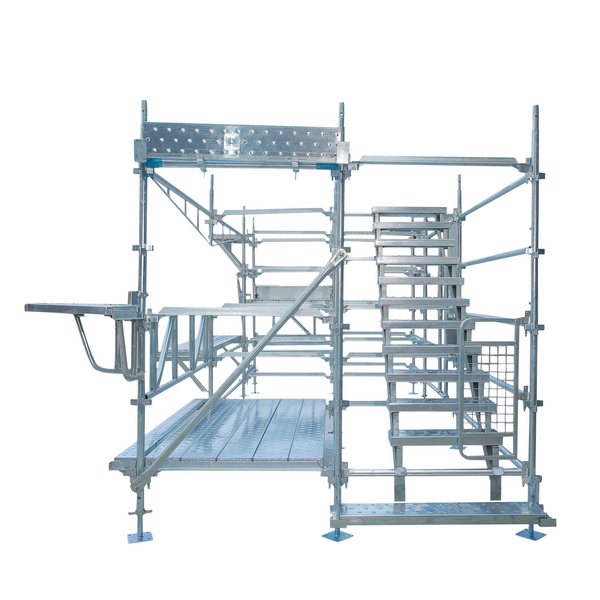
The kwikstage system scaffolding manual is a detailed document issued by manufacturers and safety authorities. It covers every aspect of scaffold use, from pre-assembly checks to dismantling, including:
- Component identification and inspection
- Step-by-step assembly and dismantling procedures
- Tying and bracing requirements
- Load limits and platform configurations
- Occupational safety and health requirements
- Maintenance and storage guidelines
By following the manual, workers and supervisors can ensure that every scaffold is erected and used safely, minimizing the risk of accidents.
The Role of the Kwikstage System Scaffolding Manual in Accident Prevention
1. Promoting Safe Planning and Pre-Start Checks
Accident prevention begins before the first component is installed. The manual emphasizes:
- Site assessment: Ensuring ground conditions can support the scaffold's load.
- Component inspection: Checking for damaged, corroded, or missing parts.
- Skill verification: Only trained and competent workers should erect or dismantle scaffolding.
- Load calculation: Verifying that the scaffold can safely support intended loads.
2. Standardized Assembly Procedures
The kwikstage system scaffolding manual provides a step-by-step guide for safe assembly:
- Base setup: Positioning adjustable base jacks, aligning standards, and ensuring a level foundation.
- Ledger and transom placement: Securely attaching horizontal and vertical components using the wedge-lock system.
- Platform installation: Properly placing scaffold planks and ensuring secure support.
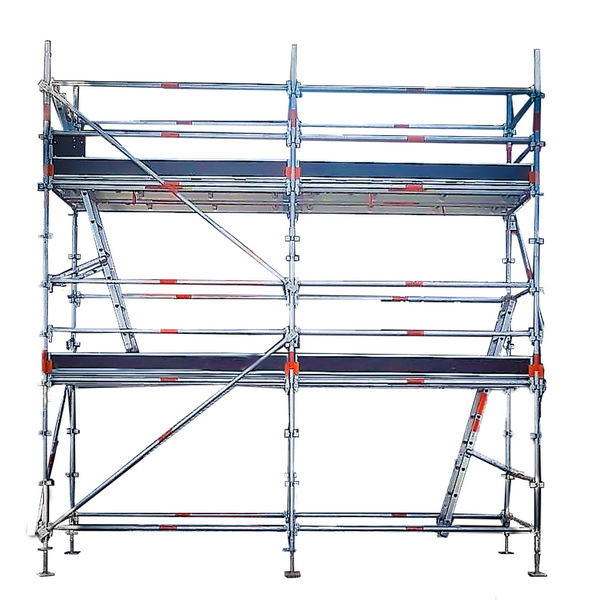
- Bracing and tying: Installing longitudinal and transverse bracing, and tying the scaffold to the structure as required by height and configuration.
- Guardrails and toe boards: Ensuring all working platforms are protected from falls and dropped objects.
3. Clear Load and Height Limits
Overloading and excessive height are major causes of scaffold collapse. The manual specifies:
- Maximum working platform heights (e.g., up to 30m for partially planked scaffolds, with design verification for higher structures).
- Maximum number of planked and working platforms per scaffold.
- Jack height limits and requirements for additional engineering input at greater heights.
- Load distribution guidelines to avoid point loading and ensure even weight spread.
By adhering to these limits, workers prevent overloading, tipping, and structural failure.
4. Guidance on Bracing and Tying for Stability
A scaffold's stability is critical for safety. The manual details:
- When and how to tie scaffolds to supporting structures (e.g., if height exceeds three times the base width).
- Correct bracing patterns (longitudinal and transverse) for different configurations.
- Spacing and placement of ties and braces to prevent sway, collapse, or movement during use.
5. Emphasizing Safe Use and Work Practices
The manual addresses common unsafe behaviors and prescribes best practices:
- No climbing on standards or ledgers: Always use designated access ladders or stairways.
- No working from incomplete or improvised platforms: Only use fully decked, properly assembled platforms.
- No overloading of platforms: Remove debris and unused materials regularly.
- No removal of components during use: Guardrails, toe boards, and bracing must remain in place.
- Daily inspections: Supervisors should check the scaffold before each shift for damage, loose components, or hazards.
6. Dismantling Procedures to Prevent Accidents
Improper dismantling can be as hazardous as unsafe assembly. The manual instructs:
- Progressive dismantling: Remove components lift by lift, not all at once.
- Remove ties only as the scaffold is lowered: Maintain stability until the last section.
- No dropping of materials: Lower components safely to prevent injuries and damage.
- Leave the site tidy: Remove all debris and unused parts to prevent tripping and other hazards.
7. Maintenance and Inspection Protocols
Ongoing safety depends on regular maintenance. The manual includes:
- Routine inspection checklists for all components.
- Guidelines for cleaning, storage, and repair to prevent deterioration.
- Record-keeping requirements for inspections and maintenance actions.
8. Visual and Practical Learning Resources
The manual is often supplemented by:
- Photographs and diagrams illustrating correct and incorrect practices.
- Case studies and real-world examples of both safe and unsafe scaffolding.
- Safety posters and signage for on-site reminders.
These visuals reinforce written instructions, making safety protocols easy to understand and remember.
9. Compliance with Occupational Safety and Health Standards
The kwikstage system scaffolding manual incorporates national and international safety standards, such as:
- OSHA (USA)
- AS/NZS 1576 (Australia/New Zealand)
- EN 12810/12811 (Europe)
- BS 1139 (UK)
By following the manual, companies ensure legal compliance and reduce liability in the event of an incident.
10. Training and Certification
The manual is an essential training tool:
- New workers learn safe assembly, use, and dismantling procedures.
- Experienced workers refresh knowledge and stay updated on best practices.
- Supervisors and safety officers use the manual for toolbox talks and safety briefings.
11. Fostering a Culture of Safety and Accountability
Beyond technical instructions, the kwikstage system scaffolding manual encourages a proactive safety culture. By making the manual a central reference on-site, companies foster a shared sense of responsibility. Workers are empowered to:
- Report hazards or unsafe practices immediately.
- Participate in regular safety meetings and toolbox talks.
- Suggest improvements to procedures based on real-world experience.
This culture of accountability and continuous improvement is essential for accident prevention, especially as projects grow in size and complexity.
12. Adapting to Project-Specific Challenges
Every construction site is unique. The kwikstage system scaffolding manual provides guidance on adapting standard procedures to project-specific challenges such as:
- Working at extreme heights or in confined spaces.
- Erecting scaffolding on sloped or uneven ground.
- Integrating with temporary roofs, hoists, or suspended platforms.
- Managing environmental factors like wind, rain, or extreme temperatures.
By consulting the manual and, when necessary, seeking engineering input, teams can develop safe solutions for even the most complex scenarios.
13. Communication and Coordination
The manual emphasizes the importance of communication among all parties involved in scaffold use. This includes:
- Clear signage indicating scaffold status (e.g., safe to use, under construction, do not use).
- Coordination between scaffolders, site supervisors, and other trades to avoid unauthorized modifications.
- Documentation of inspections, alterations, and incidents for accountability and learning.
Case Study: Accident Prevention Through Manual Compliance
A construction company implemented a strict policy requiring all teams to follow the kwikstage system scaffolding manual. Over a year, they reported:
- Zero scaffold-related injuries
- Faster, more efficient assembly and dismantling
- Improved worker confidence and morale
- No regulatory fines or stop-work orders
This real-world example demonstrates the manual's power in fostering a safety culture and preventing accidents.
Conclusion
The kwikstage system scaffolding manual is a vital tool for preventing on-site accidents. By providing clear, standardized procedures for every phase of scaffolding work, it ensures that all workers understand and implement best safety practices. From pre-assembly checks to dismantling and maintenance, the manual addresses the most common causes of scaffold accidents and prescribes proven solutions. Supplemented by visual aids, videos, and regular training, the manual not only helps companies comply with legal requirements but also fosters a proactive safety culture. For any project using kwikstage scaffolding, strict adherence to the manual is the most effective way to protect workers and ensure project success.

FAQ
1. How does the kwikstage system scaffolding manual address scaffold stability?
The manual provides detailed instructions for bracing, tying, and platform configuration to ensure that the scaffold remains stable under all load and weather conditions. It includes diagrams and spacing requirements for all braces and ties.
2. What are the key inspection points highlighted in the manual?
The manual emphasizes pre-use, daily, and post-use inspections, focusing on component integrity, secure connections, proper bracing, guardrails, toe boards, and safe access points.
3. Can the manual help non-certified workers assemble scaffolding safely?
No. The manual clearly states that only trained and certified scaffolders should erect, alter, or dismantle kwikstage system scaffolding. It is, however, an essential training and reference tool for all workers.
4. How does the manual help prevent overloading and collapse?
It specifies maximum load limits, platform heights, and the number of working platforms. It also outlines proper load distribution and warns against stacking materials or debris on platforms.
5. Are there visual resources included in the kwikstage system scaffolding manual?
Yes. Most manuals include diagrams, photos, and sometimes links to instructional videos. These visuals help workers understand correct assembly, bracing, and safe use procedures, reinforcing written instructions.