Content Menu
● Overview of Aluminum Scaffolding Components
● Base Plates and Sole Plates
>> Function and Importance
>> How They Work Together
>> Description
>> Connection and Load Transfer
>> Spacing
>> Role in the Scaffold
>> How Ledgers Integrate
>> Purpose
>> Interaction with Other Components
>> Types of Bracing
>> How Bracing Works
>> Materials and Design
>> Integration
>> Safety Components
>> Assembly
>> Connection Devices
>> Function
>> Purpose
>> Placement
>> Stability Enhancers
>> Usage
● Maintenance of Aluminum Scaffolding Components
● Conclusion
● FAQ
>> 1. What are the essential aluminum scaffolding components?
>> 2. How do base plates and sole plates contribute to scaffold stability?
>> 3. What is the role of diagonal bracing in aluminum scaffolding?
>> 4. How are platforms supported in aluminum scaffolding?
>> 5. Why are guardrails and toe boards important?
Aluminum scaffolding is a versatile, lightweight, and durable system widely used in construction, maintenance, and DIY projects. Understanding how aluminum scaffolding components work together is essential for safe and efficient assembly, use, and disassembly. This article provides a comprehensive overview of the key components, their functions, and how they interconnect to form a stable and secure working platform.
Overview of Aluminum Scaffolding Components
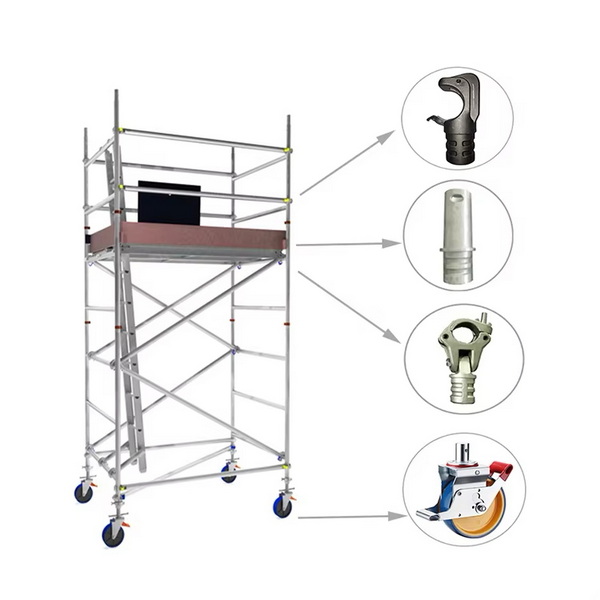
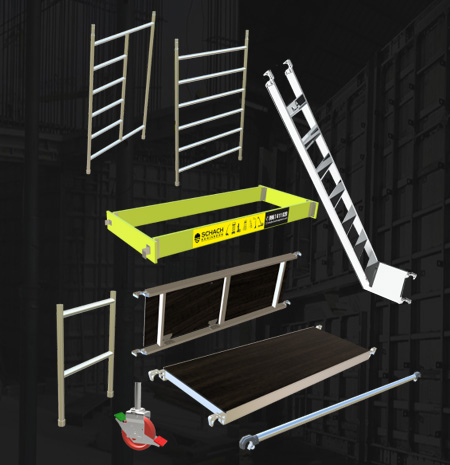
Aluminum scaffolding consists of multiple components designed to interlock and support each other, creating a modular and adjustable structure. The main components include:
- Base Plates and Sole Plates
- Standards (Vertical Posts)
- Ledgers (Horizontal Runners)
- Transoms (Cross Members)
- Bracing (Diagonal and Horizontal)
- Platforms/Decking
- Guardrails and Toe Boards
- Couplers and Clamps
- Access Ladders
- Ties and Outriggers
Each component plays a specific role, and their proper integration ensures the scaffold's stability, load-bearing capacity, and safety.
Base Plates and Sole Plates
Function and Importance
Base plates are flat metal plates attached to the bottom of the vertical standards. They distribute the load from the scaffold legs evenly onto the ground, preventing sinking or damage to the surface. When scaffolding is erected on soft or uneven ground, sole plates (usually timber or steel boards) are placed under the base plates to further distribute the load and provide a stable footing.
How They Work Together
- The sole plate rests directly on the ground, providing a broad, stable base.
- The base plate sits on top of the sole plate and connects to the bottom of the standard.
- This combination prevents the scaffold from sinking or tilting, ensuring vertical stability.
Description
Standards are the primary vertical components of the scaffold. They bear the weight of the scaffold structure and the load applied on the working platform. Typically made of aluminum tubes with a diameter of about 48.3 mm and a wall thickness of 4 mm, standards are designed to be strong yet lightweight.
Connection and Load Transfer
- Standards are placed vertically on the base plates.
- When scaffolding height exceeds the length of a single standard, multiple standards are connected end-to-end using pin and socket joints that lock securely.
- They transfer the load from the platform down to the base plates and sole plates.
Spacing
- For light-duty work, standards are spaced about 2 meters apart.
- For heavy-duty or high-load applications, spacing is reduced to approximately 1.8 meters for enhanced support.
Role in the Scaffold
Ledgers run horizontally along the length of the scaffold, connecting the standards and providing lateral support. They define the height of the working platform and stabilize the vertical posts.
How Ledgers Integrate
- Ledgers are attached to the standards using clamps or couplers.
- They form the horizontal framework on which transoms and platforms rest.
- Multiple bays of scaffolding are connected via ledgers at both the front and back.
Purpose
Transoms run perpendicular to the ledgers and provide direct support for the working platform or decking. They distribute the load from the platform to the ledgers and standards.
Interaction with Other Components
- Transoms rest on or clamp to the ledgers.
- They create a grid framework that supports the platform planks.
- Proper placement and secure locking of transoms are critical for platform stability.
Types of Bracing
- Diagonal Bracing: Provides resistance against lateral forces and prevents the scaffold from swaying or collapsing sideways.
- Horizontal Bracing: Adds rigidity and can double as guardrails on some scaffolding systems.
How Bracing Works
- Diagonal braces connect from one standard to another at an angle, forming triangles that stabilize the structure.
- Horizontal braces connect standards at the same height, reinforcing the frame.
- Braces are secured using snap-on claws or couplers, ensuring a firm connection.
Materials and Design
Platforms are the surfaces workers stand on. They can be made from aluminum planks, scaffold-grade timber, or composite materials. Aluminum decking is popular for its lightweight and durability.
Integration
- Platforms rest on transoms and ledgers.
- They must be securely locked or fixed to prevent movement.
- Platforms often feature non-slip surfaces for safety.
Safety Components
Guardrails include top rails and mid-rails installed along the edges of the platform to prevent falls. Toe boards are installed at the platform base to prevent tools or materials from falling off.
Assembly
- Guardrails are attached to standards or dedicated posts.
- Toe boards are fixed along platform edges.
- Together, they create a safe working environment compliant with safety regulations.
Connection Devices
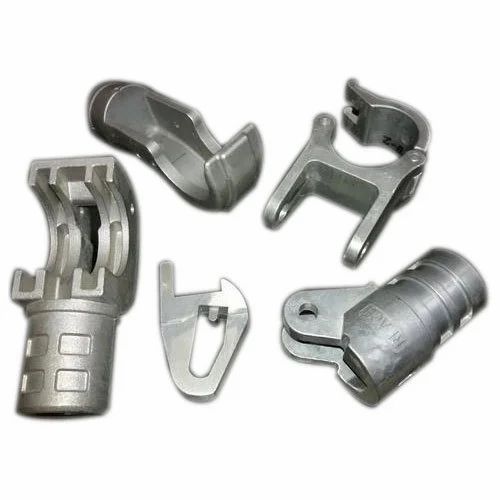
Couplers and clamps are used to join scaffolding tubes and components securely. Types include right-angle clamps, swivel clamps, and sleeve couplers.
Function
- They provide rigid connections between standards, ledgers, and transoms.
- Allow flexibility in scaffold configuration.
- Ensure structural integrity under load.
Purpose
Access ladders provide safe entry and exit points to the scaffold platforms.
Placement
- Ladders are fixed inside or outside the scaffold frame.
- Must be securely attached to prevent movement.
- Platforms are designed with trapdoors or openings to facilitate ladder access.
Stability Enhancers
- Ties secure the scaffold to the adjacent structure, preventing tipping.
- Outriggers extend the base width, increasing stability, especially for tall scaffolds.
Usage
1. Base Preparation: Place sole plates on the ground, then attach base plates to the bottom of standards.
2. Erect Standards: Position vertical standards on base plates.
3. Install Ledgers: Attach horizontal ledgers between standards at the desired platform height.
4. Add Transoms: Place transoms perpendicular to ledgers, creating the platform frame.
5. Secure Bracing: Attach diagonal and horizontal braces to stabilize the frame.
6. Lay Platforms: Place decking on transoms and secure.
7. Install Guardrails and Toe Boards: Attach safety rails and toe boards around the platform.
8. Add Access Ladders: Fix ladders for safe access.
9. Secure with Ties and Outriggers: Attach ties to the building and install outriggers for additional stability.
Maintenance of Aluminum Scaffolding Components
Proper maintenance ensures the longevity and safety of your aluminum scaffolding system.
- Regular Inspections: Check all components for cracks, dents, corrosion, or wear before each use.
- Cleaning: Remove dirt, debris, and any corrosive substances from all parts.
- Lubrication: Apply lubricant to moving parts like couplers and locking pins to ensure smooth operation.
- Storage: Store scaffolding components in a dry, covered area to prevent environmental damage.
- Replacement: Immediately replace any damaged or worn components to maintain safety.
Conclusion
The strength and safety of aluminum scaffolding depend on the precise interaction of its components. Each part—from base plates to guardrails—has a specific role that contributes to the overall structural integrity. Understanding how aluminum scaffolding components work together enables users to assemble scaffolds safely and efficiently, ensuring a secure working environment. Proper maintenance and adherence to safety standards further enhance scaffold performance and longevity.
FAQ
1. What are the essential aluminum scaffolding components?
The essential components include base plates, standards, ledgers, transoms, bracing, platforms, guardrails, couplers, access ladders, and ties.
2. How do base plates and sole plates contribute to scaffold stability?
Base plates distribute the load from standards to the ground, while sole plates provide a stable footing on soft or uneven surfaces, preventing sinking and tilting.
3. What is the role of diagonal bracing in aluminum scaffolding?
Diagonal bracing prevents lateral movement and swaying, ensuring the scaffold remains rigid and stable under load.
4. How are platforms supported in aluminum scaffolding?
Platforms rest on transoms, which are supported by ledgers and standards, forming a sturdy grid that distributes weight evenly.
5. Why are guardrails and toe boards important?
Guardrails prevent workers from falling off the platform, and toe boards stop tools or materials from falling, enhancing overall safety.