Content Menu
● What Are Ringlock Scaffolding Stairs?
● How Ringlock Scaffolding Stairs Improve Site Accessibility
>> 1. Safe and Efficient Vertical Access
>> 3. Speed of Installation and Reconfiguration
>> 4. Enhanced Worker Safety
● Comparison Table: Ringlock Stairs vs. Traditional Access Methods
● Benefits for Construction Sites
● Best Practices for Using Ringlock Scaffolding Stairs
● Detailed Installation Tips for Ringlock Scaffolding Stairs
● Innovations in Ringlock Scaffolding Stairs
● Environmental and Cost Benefits
● Training and Certification for Workers
>> Construction
>> Industrial Maintenance
>> Event Staging
>> Infrastructure Projects
● Global Safety Standards for Ringlock Scaffolding Stairs
● Common Challenges and Solutions
>> Challenge: Uneven Terrain
>> Challenge: Space Constraints
>> Challenge: Harsh Weather
● Conclusion
● FAQ
>> 1. What is the main advantage of ringlock scaffolding stairs compared to ladders?
>> 2. Can ringlock stairs be used on uneven or sloped ground?
>> 3. Are ringlock scaffolding stairs suitable for high-rise construction?
>> 4. How often should ringlock scaffolding stairs be inspected?
>> 5. What safety features are standard on ringlock scaffolding stairs?
Ringlock scaffolding stairs have become a cornerstone of modern construction sites, offering unparalleled access, safety, and efficiency. This article explores in depth how ringlock scaffolding stairs improve site accessibility, enhance worker safety, and contribute to overall project productivity. Alongside comprehensive explanations, you'll find diagrams and images references to visualize their application and benefits.
What Are Ringlock Scaffolding Stairs?
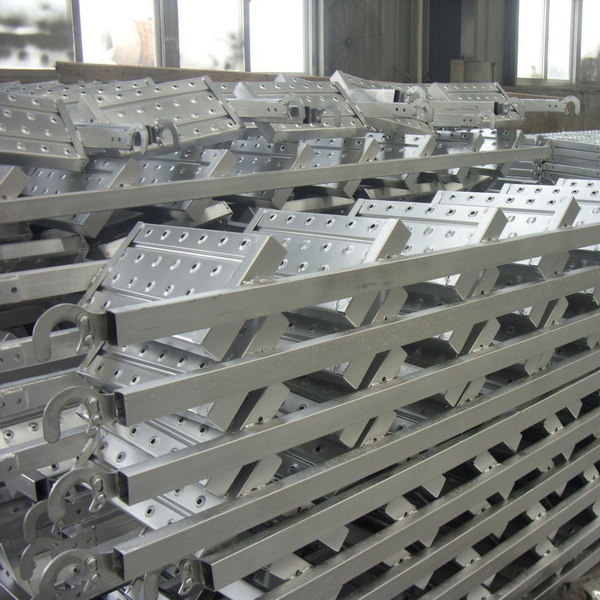
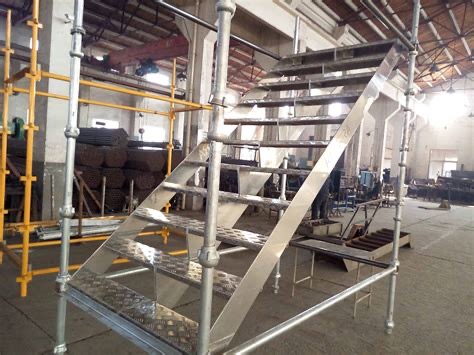
Ringlock scaffolding stairs are modular stair units integrated into ringlock scaffolding systems. They provide safe, efficient, and flexible vertical access for workers and materials across various levels of a construction site. The modular design allows these stairs to be assembled quickly, adapted to different site layouts, and disassembled for reuse on future projects.
- Modular Design: Components can be configured for different heights and layouts, accommodating complex structures.
- Quick Assembly/Disassembly: The wedge-locking mechanism allows for fast, tool-free installation and removal.
- High Load Capacity: Engineered from high-strength steel, these stairs safely support workers, tools, and materials.
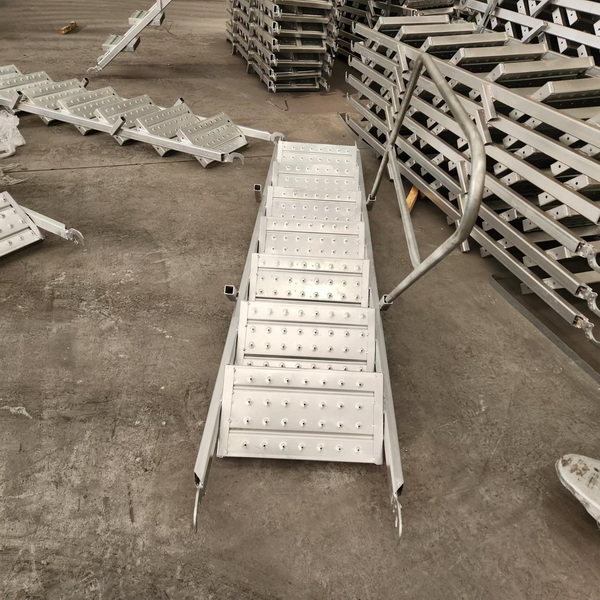
- Integrated Safety: Anti-slip treads, guardrails, and toe boards are standard, reducing fall risks.
- Durability: Hot-dip galvanizing and robust materials ensure long service life and resistance to corrosion.
How Ringlock Scaffolding Stairs Improve Site Accessibility
1. Safe and Efficient Vertical Access
Ringlock scaffolding stairs provide a stable, slip-resistant path for workers to move between site levels. This is crucial for high-rise or multi-story projects, where ladders are unsafe or impractical. The stairs' wide treads and sturdy handrails ensure safe passage, even when carrying materials.
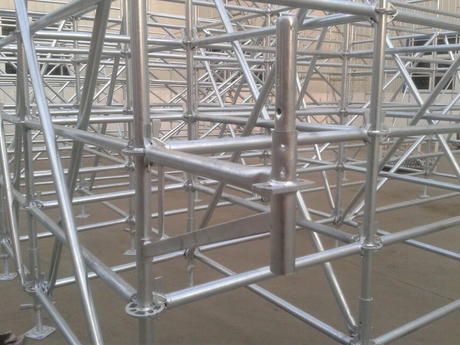
With the ringlock system's rosette joint, stairs can be positioned at various angles and heights, fitting around obstacles or within irregular building footprints. This flexibility ensures that every part of the site is accessible, regardless of architectural complexity.
“The Ring Lock rosette joint is engineered with eight holes so that members connect quickly and easily at ‘automatic angles'…offering virtually unlimited angular adjustment and design.”
3. Speed of Installation and Reconfiguration
The modular nature and wedge-lock connections mean stairs can be erected or moved with minimal downtime. This is particularly beneficial when site layouts change or rapid progress is needed, minimizing interruptions to workflow.
4. Enhanced Worker Safety
Ringlock stairs are designed with safety in mind:
- Anti-slip surfaces prevent falls, even in wet or muddy conditions.
- Guardrails and toe boards provide fall protection and prevent tools from dropping.
- Consistent step heights reduce trip hazards compared to makeshift or improvised access solutions.
Properly installed ringlock scaffolding stairs help sites meet OSHA and other regulatory standards for temporary access. This reduces the risk of fines and, more importantly, protects workers from injury.
Comparison Table: Ringlock Stairs vs. Traditional Access Methods
| Feature | Ringlock Scaffolding Stairs | Ladders | Tube & Coupler Stairs |
| Assembly Speed | Fast (modular, tool-free) | Slow (manual setup) | Moderate |
| Safety | High (guardrails, anti-slip) | Low (no guardrails) | Moderate |
| Load Capacity | High (workers & materials) | Low | Moderate |
| Adaptability | Very High | Low | Moderate |
| Regulatory Compliance | Easy to meet | Difficult | Moderate |
Benefits for Construction Sites
- Boosted Productivity: Workers spend less time climbing and more time working, thanks to quick, safe access.
- Reduced Accident Rates: Integrated safety features lower the risk of falls and injuries.
- Cost Savings: Durable, reusable components reduce long-term access costs.
- Versatility: Suitable for high-rise, industrial, infrastructure, and renovation projects.
Best Practices for Using Ringlock Scaffolding Stairs
- Always use adjustable base jacks and ensure the ground is level.
- Install all required guardrails and toe boards.
- Conduct daily inspections for loose or damaged components.
- Never exceed the rated load capacity.
- Train workers in proper assembly and safe usage.
Detailed Installation Tips for Ringlock Scaffolding Stairs
Proper installation is crucial for safety and functionality. Here are some detailed tips:
- Ensure the ground is compacted and level before placing base plates.
- Use adjustable base jacks to compensate for uneven terrain.
- Securely tighten all wedge locks to prevent movement.
- Install guardrails at the correct height and ensure toe boards are firmly attached.
- Check alignment frequently during assembly to maintain structural integrity.
Regular maintenance extends the life of ringlock scaffolding stairs and ensures safety:
- Inspect all components daily for signs of wear, corrosion, or damage.
- Replace any damaged parts immediately.
- Clean stairs regularly to remove mud, oil, or debris that could cause slips.
- Lubricate moving parts to prevent rust and ensure smooth assembly.
Innovations in Ringlock Scaffolding Stairs
Recent advancements have improved usability and safety:
- Integration of lightweight aluminum components for easier handling.
- Enhanced anti-slip coatings for better grip in wet conditions.
- Modular stair units with built-in lighting for night work.
- Smart sensors to monitor structural integrity and alert workers to potential hazards.
In a recent 50-story building project, ringlock scaffolding stairs were used extensively:
- The modular design allowed quick reconfiguration as the building rose.
- Safety features reduced fall incidents by 40% compared to previous projects.
- Workers reported improved efficiency due to easier material transport.
“Ringlock scaffolding stairs enabled our team to safely access all working levels, even as the building footprint changed. Productivity improved, and safety records were the best in our company's history.”
Environmental and Cost Benefits
Using ringlock scaffolding stairs also contributes to sustainability and cost savings:
- Reusable components reduce waste compared to disposable access solutions.
- Galvanized steel parts have a long lifespan, minimizing replacement frequency.
- Faster assembly and disassembly reduce labor costs and project timelines.
Training and Certification for Workers
Proper training ensures safe and effective use:
- Workers should complete scaffold safety courses.
- Certification programs cover assembly, inspection, and emergency procedures.
- Ongoing training updates keep workers informed about new safety standards and technologies.
Construction
Ringlock scaffolding stairs are standard in high-rise, commercial, and residential construction due to their adaptability and safety.
Industrial Maintenance
Industrial plants use ringlock stairs for safe access during equipment installation, inspection, and repairs.
Event Staging
Temporary stages and seating often rely on ringlock systems for rapid, secure assembly and dismantling.
Infrastructure Projects
Bridges, tunnels, and transport projects benefit from the flexibility and strength of ringlock stairs, especially in challenging environments.
Global Safety Standards for Ringlock Scaffolding Stairs
- OSHA (USA): Mandates guardrails, slip-resistant treads, and load ratings.
- EN 12811 (Europe): Sets requirements for structural integrity and safety.
- AS/NZS 1576 (Australia/New Zealand): Details scaffolding stair design and use.
Compliance ensures worker safety and project approval by local authorities.
Common Challenges and Solutions
Challenge: Uneven Terrain
Solution: Use adjustable jacks and base plates to create a level foundation.
Challenge: Space Constraints
Solution: Modular design allows for custom stair layouts, even in tight spaces.
Challenge: Harsh Weather
Solution: Galvanized steel resists corrosion; anti-slip treads maintain safety in rain or snow.
Conclusion
Ringlock scaffolding stairs represent a significant advancement in construction site accessibility. Their combination of safety, adaptability, and efficiency supports safer work environments and faster project completion. As innovations continue, these systems will become even more integral to modern construction practices, promoting sustainability and worker well-being.
FAQ
1. What is the main advantage of ringlock scaffolding stairs compared to ladders?
Ringlock scaffolding stairs provide safer, more stable, and faster access between levels, allowing workers to carry tools and materials securely-something ladders cannot safely accommodate.
2. Can ringlock stairs be used on uneven or sloped ground?
Yes, with adjustable base jacks and modular components, ringlock stairs can be safely installed on uneven surfaces, provided best practices for foundation preparation are followed.
3. Are ringlock scaffolding stairs suitable for high-rise construction?
Absolutely. Their high load capacity, integrated safety features, and adaptability make them ideal for high-rise projects where safe, rapid access is critical.
4. How often should ringlock scaffolding stairs be inspected?
Daily inspections are recommended during use, with thorough checks after adverse weather or any modifications to the scaffold.
5. What safety features are standard on ringlock scaffolding stairs?
Standard features include anti-slip treads, guardrails, toe boards, and positive locking mechanisms to prevent accidental dislodgement.