Content Menu
● Introduction to Key Clamp Scaffolding
● Components of Key Clamp Scaffolding
● Step-by-Step Assembly Instructions
>> 1. Planning and Preparation
>> 2. Setting Up the Foundation
>> 3. Building the Scaffold Frame
>> 4. Installing Platforms
>> 5. Adding Guardrails and Toe Boards
>> 6. Final Inspection
● Safety Considerations
● Advanced Techniques for Complex Structures
>> Using Specialized Clamps
>> Adding Additional Support
● Maintenance and Storage
>> Cleaning and Inspection
>> Storage Practices
● Conclusion
● FAQ
>> 1. What are the primary components of key clamp scaffolding?
>> 2. How often should horizontal members be installed in key clamp scaffolding?
>> 3. What type of planking should be used for platforms in key clamp scaffolding?
>> 4. How should clamps be tightened in key clamp scaffolding?
>> 5. What safety measures should be taken when working at heights on key clamp scaffolding?
● Citations:
Assembling key clamp scaffolding efficiently and safely is crucial for construction and maintenance projects. This type of scaffolding, also known as tube and clamp scaffolding, is widely used due to its versatility and ease of assembly. In this article, we will guide you through the step-by-step process of assembling key clamp scaffolding, highlighting safety measures and providing visual aids to ensure clarity.
Introduction to Key Clamp Scaffolding
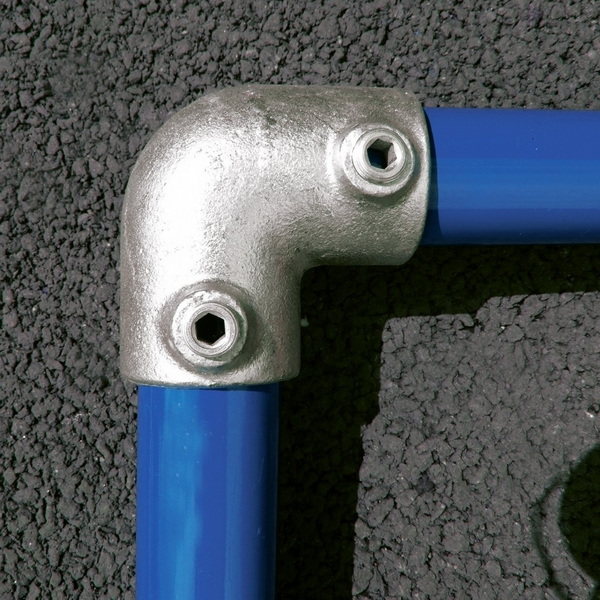
Key clamp scaffolding consists of three primary components: base plates, galvanized steel tubing, and clamps. The clamps are available in two types: right angle clamps for connecting tubes at right angles and swivel clamps for connecting tubes at any angle. These components are designed to provide a sturdy framework for scaffolding structures.
Components of Key Clamp Scaffolding
- Base Plates: These are essential for distributing the weight of the scaffold evenly on the ground, ensuring stability.
- Galvanized Steel Tubing: Available in different lengths, this tubing forms the framework of the scaffold.
- Right Angle Clamps: Used for connecting tubes at right angles, these clamps provide structural integrity.
- Swivel Clamps: Allow for flexibility in connecting tubes at various angles.
Step-by-Step Assembly Instructions
1. Planning and Preparation
Before assembling the scaffold, it's crucial to plan the structure accurately. Determine the dimensions, layout, and required components such as platforms, cross braces, ladders, and anchor points. Ensure that all necessary permits and approvals are obtained before commencing work. Consider the type of project, the terrain, and any environmental factors that might affect the scaffold's stability.
2. Setting Up the Foundation
Ensure the ground is level and stable. Use mudsills on unstable ground to prevent settling or shifting of the scaffold. Base plates should be securely positioned under each leg of the scaffold to distribute the weight evenly. If the scaffold is to be erected on a slope, ensure that the base plates are adjusted to maintain levelness.
3. Building the Scaffold Frame
- Step 1: Begin by erecting the vertical legs of the scaffold using the galvanized steel tubing. Connect these legs using right angle clamps to form a stable base frame.
- Step 2: Add horizontal members at vertical intervals of no greater than six and one-half feet. Use swivel clamps for flexibility if needed.
- Step 3: Tighten all clamps to 45 foot-pounds using a tube and clamp wrench. Ensure that all connections are secure and that there are no loose parts.
4. Installing Platforms
Only scaffold-grade planking should be used for platforms in key clamp scaffolding. Ensure that platforms are securely attached to the scaffold frame using platform brackets. The planks should be overlapped by at least six inches and should not extend beyond the scaffold frame by more than six inches.
5. Adding Guardrails and Toe Boards
Once the scaffold reaches working height, attach guardrails to prevent falls. Install toe boards along the platforms to prevent tools and materials from falling. Guardrails should be at least 38 inches high and toe boards should be at least 3.5 inches high.
6. Final Inspection
Before using the scaffold, conduct a thorough inspection to ensure all components are secure and there are no loose or missing parts. Pay close attention to the locking mechanisms and braces. Check for any signs of wear or damage on the tubing and clamps.
Safety Considerations
Safety is paramount when assembling and using key clamp scaffolding. Here are some key safety considerations:
- Fall Protection: Ensure that guardrails are installed and that personal fall protection systems are used when necessary.
- Stability: Ensure the scaffold is stable and securely tied to a substantial structure if it exceeds the maximum allowable height.
- Electrical Safety: Do not erect scaffolding near live power lines unless proper precautions are taken.
- Weather Conditions: Avoid using scaffolding during strong winds, heavy rain, or icy conditions.
Advanced Techniques for Complex Structures
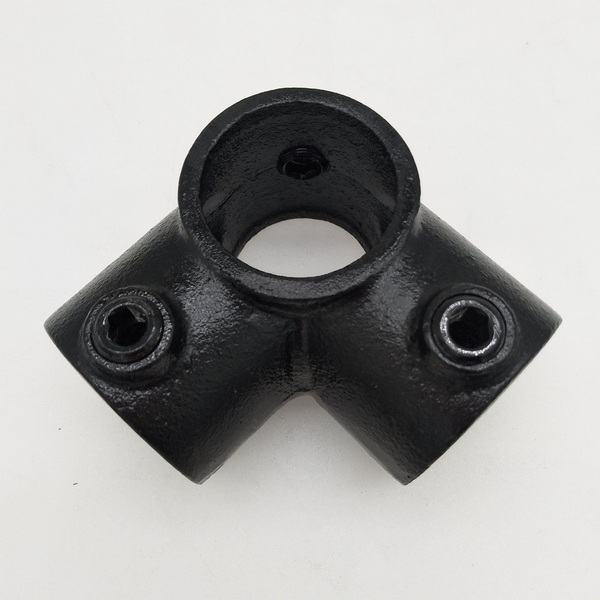
For more complex scaffolding structures, such as those requiring multiple levels or irregular shapes, additional planning and specialized components may be necessary. This includes using specialized clamps for unique angles or adding additional support structures for stability.
Using Specialized Clamps
- Putlog Clamps: These are used for connecting ledgers to the building facade.
- Beam Clamps: Useful for securing beams to the scaffold structure.
Adding Additional Support
- Cross Bracing: Essential for providing lateral stability to the scaffold.
- Diagonal Bracing: Adds additional stability and helps prevent racking.
Maintenance and Storage
After use, scaffolding components should be cleaned and stored properly to extend their lifespan. Regularly inspect components for signs of wear or damage and replace them as needed.
Cleaning and Inspection
- Use mild detergents to clean components.
- Inspect for rust, corrosion, or mechanical damage.
Storage Practices
- Store components in a dry, secure area.
- Keep components organized to facilitate easy retrieval.
Conclusion
Assembling key clamp scaffolding quickly and safely requires careful planning, attention to detail, and adherence to safety guidelines. By following the step-by-step instructions outlined in this guide and ensuring that all safety measures are in place, you can efficiently construct a stable and secure scaffolding structure for your construction or maintenance projects.

FAQ
1. What are the primary components of key clamp scaffolding?
Key clamp scaffolding consists of base plates, galvanized steel tubing, and clamps (right angle and swivel).
2. How often should horizontal members be installed in key clamp scaffolding?
Horizontal members should be erected at vertical intervals of no greater than six and one-half feet.
3. What type of planking should be used for platforms in key clamp scaffolding?
Only scaffold-grade planking should be used for platforms in key clamp scaffolding.
4. How should clamps be tightened in key clamp scaffolding?
Clamps should be tightened to 45 foot-pounds using a tube and clamp wrench.
5. What safety measures should be taken when working at heights on key clamp scaffolding?
Ensure that guardrails are installed and that personal fall protection systems are used when necessary. The scaffold should also be securely tied to a substantial structure if it exceeds the maximum allowable height.
Citations:
[1] https://biljax.com/how-to-assemble-scaffolding
[2] https://skyclimberaccesssolutions.com/wp-content/uploads/2023/02/COSP-for-Frame-System-Tube-and-Clamp-and-Rolling-Scaffolds.pdf
[3] https://patents.google.com/patent/WO2023071385A1/zh
[4] https://www.tp-scaffold.com/what-are-the-step-by-step-instructions-for-tube-and-clamp-scaffolding.html
[5] https://www.osha.gov/sites/default/files/publications/osha3150.pdf
[6] https://www.bbc.com/learningenglish/chinese/features/q-and-a/ep-200318
[7] https://scaffoldmart.com/scaffolding-setup-instructions.html
[8] https://www.keesafety.com/media/hcnluj0x/kee_klamp_technical_specification.pdf
[9] https://patents.google.com/patent/EP4407122A1/en
[10] https://brandsafway.com/uploads/files/orn402_bsl_tube_and_clamp_safety_guidelines.pdf