Content Menu
● Understanding Frame Scaffolding Safety
● Key Hazards Associated with Frame Scaffolding
● Frame Scaffolding Safety: Step-by-Step Best Practices
>> 1. Pre-Planning and Site Assessment
>> 2. Training and Supervision
>> 3. Assembly: Building Safe Frame Scaffolds
>>> A. Inspection Before Assembly
>>> B. Foundation and Base Setup
>>> C. Erecting the Scaffold
>>> E. Final Inspection
>> 4. Using Frame Scaffolding Safely
>>> A. General Rules
>>> B. Fall Protection
>>> C. Communication and Awareness
>> 5. Inspection and Maintenance
● Frame Scaffolding Safety: Do's and Don'ts
● Special Considerations for Frame Scaffolding Safety
>> Load Capacity and Classification
>> Anchoring and Bracing
>> Working Near Power Lines
>> Weather and Environmental Factors
>> Emergency Preparedness
● Common Frame Scaffolding Safety Mistakes
● Frame Scaffolding Safety Checklist
● Case Studies: Real-World Frame Scaffolding Safety
>> Case Study 1: High-Rise Residential Construction
>> Case Study 2: School Renovation Project
● The Future of Frame Scaffolding Safety
● Conclusion
● FAQ
>> 1. What is the minimum fall protection requirement for frame scaffolding?
>> 2. Who is considered a “competent person” for frame scaffolding safety?
>> 3. How often should frame scaffolding be inspected?
>> 4. What should I do if I find damage or instability in the scaffold?
>> 5. Can I use frame scaffolding in bad weather?
Frame scaffolding is a cornerstone of construction and maintenance projects worldwide, but its benefits come with significant safety responsibilities. This in-depth guide will walk you through every essential aspect of frame scaffolding safety, from planning and assembly to daily use, inspections, and best practices.
Understanding Frame Scaffolding Safety
Frame scaffolding safety refers to the comprehensive set of practices, procedures, and equipment designed to prevent accidents, injuries, and fatalities when using frame scaffolds. It covers the entire lifecycle of scaffold use-planning, assembly, inspection, operation, and dismantling-ensuring that hazards like falls, collapses, and falling objects are minimized.
- High Risk: About 65% of construction workers use scaffolds, with thousands of injuries and dozens of fatalities annually in the U.S. alone.
- Legal Compliance: Strict regulations (e.g., OSHA, HSE) require specific safety measures, and non-compliance can result in severe penalties.
- Efficiency: Safe scaffolding reduces downtime, boosts productivity, and protects both workers and bystanders.
- Reputation: Adhering to frame scaffolding safety standards enhances a company's reputation and can be a deciding factor in winning contracts.
Key Hazards Associated with Frame Scaffolding
- Falls from height
- Scaffold collapse
- Falling objects
- Electrocution (proximity to power lines)
- Slips and trips on platforms
- Overloading
- Improper access and egress
- Weather-related hazards
Frame Scaffolding Safety: Step-by-Step Best Practices
1. Pre-Planning and Site Assessment
Before any scaffold is erected, conduct a thorough site assessment:
- Check ground conditions for stability and levelness.
- Identify overhead hazards like power lines and obstructions.
- Determine access points and safe routes for workers and materials.
- Calculate load requirements based on the number of workers, tools, and materials.
2. Training and Supervision
- All workers must be trained in scaffold safety, hazard recognition, and emergency procedures.
- A competent person (authorized and experienced) must supervise assembly, use, and dismantling.
- Toolbox talks and regular safety briefings are essential before each shift.
Training should include:
- Identifying scaffold components and their correct use
- Recognizing hazards and unsafe conditions
- Emergency response procedures
- Fall protection systems
3. Assembly: Building Safe Frame Scaffolds
A. Inspection Before Assembly
- Inspect all frames, braces, planks, and components for damage, rust, or excessive wear.
- Use only manufacturer-approved parts and ensure compatibility.
- Ensure all locking pins, couplers, and fasteners are present and functional.
B. Foundation and Base Setup
- Remove debris and level the ground.
- Use mudsills or base plates on soil to distribute weight evenly and prevent sinking.
- Nail or screw base plates to mudsills for extra stability.
C. Erecting the Scaffold
- Assemble the first level, ensuring it is square and level.
- Secure all cross-bracing and locking devices.
- Install ladders or stairways as you build up, ensuring safe access at every stage.
- Fasten all guardrails (top, mid, and toe boards) as required by law.
- Secure the scaffold to the building at regular intervals, especially as height increases.
- Inspect planks for cracks, warping, or other damage.
- Ensure platforms are fully decked at each level before adding the next.
- Platforms must be secured to prevent movement.
E. Final Inspection
- Double-check all connections, braces, and guardrails.
- Tag the scaffold with inspection status (green for safe, red for unsafe).
4. Using Frame Scaffolding Safely
A. General Rules
- Never overload the scaffold; adhere to manufacturer's load ratings (must support at least four times the intended load).
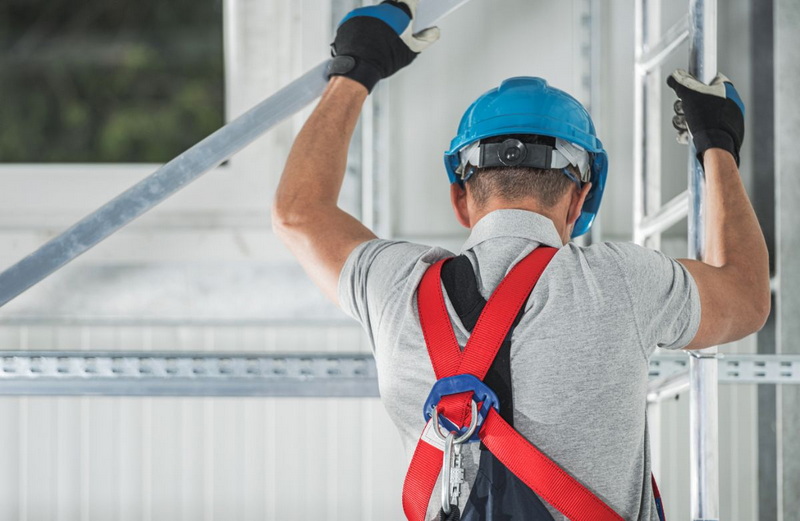
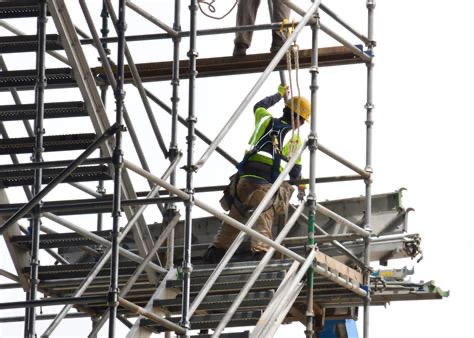
- Wear appropriate PPE: hard hats, non-slip footwear, harnesses, and lanyards for work above 10 feet.
- Use ladders or stairways for access; never climb cross-braces or frames not intended for climbing.
- Keep platforms clear of debris, tools, and unnecessary materials.
- Do not use scaffolds in adverse weather (high winds, rain, snow, or ice).
- Never move a scaffold while anyone is on it.
B. Fall Protection
- Guardrails, midrails, and toeboards are mandatory on all open sides and ends above 10 feet.
- Personal fall arrest systems (PFAS) must be used where guardrails are not feasible.
- Use debris nets or canopies to protect workers below from falling objects.
C. Communication and Awareness
- Be mindful of coworkers above and below.
- Never throw materials from the scaffold; use hoists or ropes.
- Always communicate before moving materials or making adjustments.
5. Inspection and Maintenance
- Daily inspections by a competent person are required before each shift.
- Check for: loose connections, damaged planks, missing guardrails, and signs of instability.
- Tag out and restrict access to unsafe scaffolds immediately.
- Document all inspections and repairs for compliance.
- Only trained personnel should dismantle scaffolding, following the reverse order of assembly.
- Lower materials safely; never drop components.
- Inspect and clean all parts before storage to prevent corrosion and damage.
- Store components in a dry, secure area to extend their lifespan and ensure frame scaffolding safety for future use.
Frame Scaffolding Safety: Do's and Don'ts
| Do's | Don'ts |
| Inspect before use | Don’t overload the scaffold |
| Use proper PPE | Don’t use damaged or makeshift parts |
| Secure guardrails and toeboards | Don’t climb cross-braces |
| Level and stabilize base | Don’t use in bad weather |
| Tag and document inspections | Don’t move with people on it |
| Train all workers | Don’t leave debris on platforms |
Special Considerations for Frame Scaffolding Safety
Load Capacity and Classification
- Scaffolds are classified by load capacity (Class 1–6). Ensure the scaffold matches the job requirements.
- Never exceed the rated capacity, including workers, tools, and materials.
Anchoring and Bracing
- Anchor scaffolding to the structure at regular intervals and at the top level.
- Use additional bracing if using netting, tarpaulins, or working in windy conditions.
Working Near Power Lines
- Maintain minimum clearance from electrical hazards.
- Use warning signs and barriers when working near live wires.
Weather and Environmental Factors
- Avoid using scaffolding in high winds, heavy rain, snow, or icy conditions.
- Monitor weather forecasts and suspend work if unsafe conditions arise.
- Use weather-resistant platforms and guardrails for outdoor projects.
Emergency Preparedness
- Have a rescue plan in place for falls or other emergencies.
- Ensure all workers know the location of first aid kits and emergency exits.
Common Frame Scaffolding Safety Mistakes
- Skipping inspections or using damaged components.
- Failing to install or secure guardrails and toeboards.
- Overreaching or leaning outside the scaffold platform.
- Using makeshift ladders or supports.
- Ignoring weather conditions.
- Allowing untrained personnel to erect or use scaffolding.
- Not properly tagging or documenting inspection status.
Frame Scaffolding Safety Checklist
- Site assessed for hazards and ground stability
- All components inspected and undamaged
- Scaffold assembled by trained personnel under competent supervision
- Guardrails, midrails, and toeboards installed
- Platforms fully decked and secured
- Scaffold anchored to structure as required
- Access ladders or stairways installed and secured
- Load limits clearly posted and not exceeded
- Daily inspections documented
- PPE provided and used
- Weather conditions monitored
- Emergency plan in place
Case Studies: Real-World Frame Scaffolding Safety
Case Study 1: High-Rise Residential Construction
A large residential project in Chicago implemented a strict frame scaffolding safety program, including daily inspections, mandatory PPE, and real-time weather monitoring. Over two years, the site reported zero scaffold-related injuries, demonstrating the effectiveness of comprehensive safety protocols.
Case Study 2: School Renovation Project
During a school renovation, workers encountered unexpected ground instability. By following frame scaffolding safety best practices-using base plates and mudsills, and conducting frequent inspections-they prevented a potential scaffold collapse and kept the project on schedule.
The Future of Frame Scaffolding Safety
Advancements in technology are making frame scaffolding safety even more robust:
- IoT Sensors: Real-time monitoring of scaffold stability and load.
- Mobile Apps: Digital checklists and inspection documentation.
- Virtual Reality Training: Simulated hazard recognition and emergency response.
These innovations, combined with rigorous adherence to established safety protocols, are shaping a safer future for construction workers worldwide.
Conclusion
Frame scaffolding safety is not just a regulatory requirement-it's a critical responsibility that protects lives and ensures project success. By rigorously following best practices in planning, assembly, inspection, and daily use, you can dramatically reduce the risk of accidents and create a culture of safety on every job site. Remember: every incident prevented is a life protected. Make frame scaffolding safety your top priority on every project.
FAQ
1. What is the minimum fall protection requirement for frame scaffolding?
Fall protection (guardrails or personal fall arrest systems) is required for any scaffold platform more than 10 feet above a lower level.
2. Who is considered a “competent person” for frame scaffolding safety?
A competent person is someone capable of identifying existing and predictable hazards and authorized to take prompt corrective action. They must supervise assembly, inspection, and dismantling.
3. How often should frame scaffolding be inspected?
Scaffolding must be inspected before each work shift and after any event that could affect its structural integrity (e.g., severe weather, impact).
4. What should I do if I find damage or instability in the scaffold?
Immediately tag the scaffold as unsafe, restrict access, and report the issue to a supervisor. Do not use the scaffold until repairs are made and it passes re-inspection.
5. Can I use frame scaffolding in bad weather?
No. Scaffolding should not be used during high winds, heavy rain, snow, or icy conditions. Weather can compromise stability and increase the risk of slips and falls.