Content Menu
● What Is a Scaffolding Ladder Clamp?
● Types of Scaffold Ladder Clamps
● Why Use a Ladder Clamp on Scaffolding?
● Tools and Materials Needed
● Step-by-Step Guide: How to Secure a Ladder to Scaffolding with a Clamp
>> Step 1: Choose the Correct Ladder Clamp
>> Step 2: Position the Ladder on the Scaffold
>> Step 3: Open the Ladder Clamp
>> Step 4: Attach the Clamp to the Scaffold Tube
>> Step 5: Hook the Clamp Over the Ladder Stile
>> Step 6: Tighten the Clamp Bolts
>> Step 7: Repeat for Additional Clamps
>> Step 8: Inspect the Installation
● Additional Tips for Securing Ladders to Scaffolding
● Safety Standards and Regulations
● Common Mistakes to Avoid
● Advantages of Using Scaffolding Ladder Clamps
● How to Maintain Your Scaffolding Ladder Clamps
● Conclusion
● FAQ
>> 1. What size scaffold tube do ladder clamps fit?
>> 2. How many clamps are needed to secure a ladder?
>> 3. Can ladder clamps be used on any ladder material?
>> 4. How tight should ladder clamps be?
>> 5. Is it safe to climb the scaffold structure without a ladder?
Securing a ladder to scaffolding is a critical safety step in construction, maintenance, and industrial work. Using a scaffolding ladder clamp ensures that ladders remain firmly attached to scaffold structures, preventing slips, falls, and accidents. This article provides a detailed, step-by-step guide on how to properly secure a ladder to scaffolding using clamps, including the types of ladder clamps, installation techniques, safety tips, and best practices.
What Is a Scaffolding Ladder Clamp?
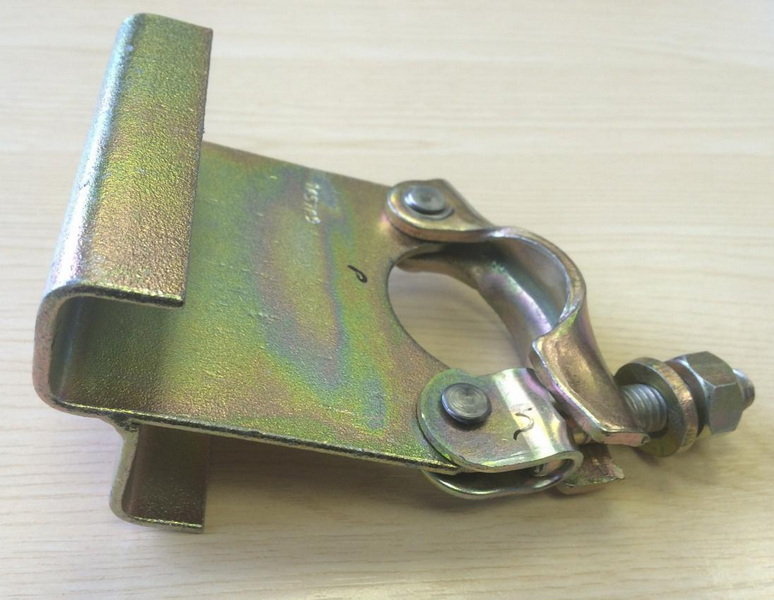
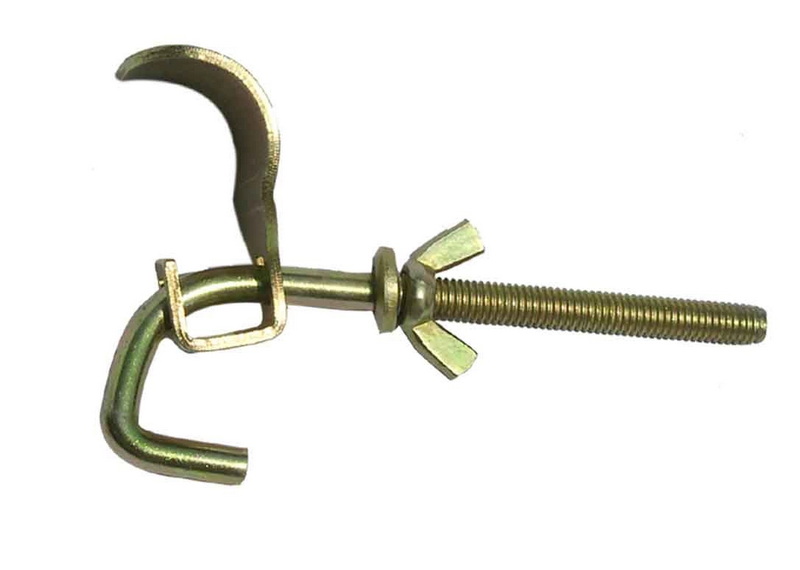
A scaffolding ladder clamp is a specialized fitting designed to securely fasten a ladder to a scaffold frame or tube. It prevents the ladder from moving laterally or slipping away from the scaffold, providing a safer access route for workers ascending or descending the scaffold.
Types of Scaffold Ladder Clamps
- Double-sided clamps: Clamp both sides of the ladder stile to the scaffold tube, providing maximum stability.
- Pressed steel hook type: Lightweight clamps that hook onto scaffold tubes, ideal for quick installation.
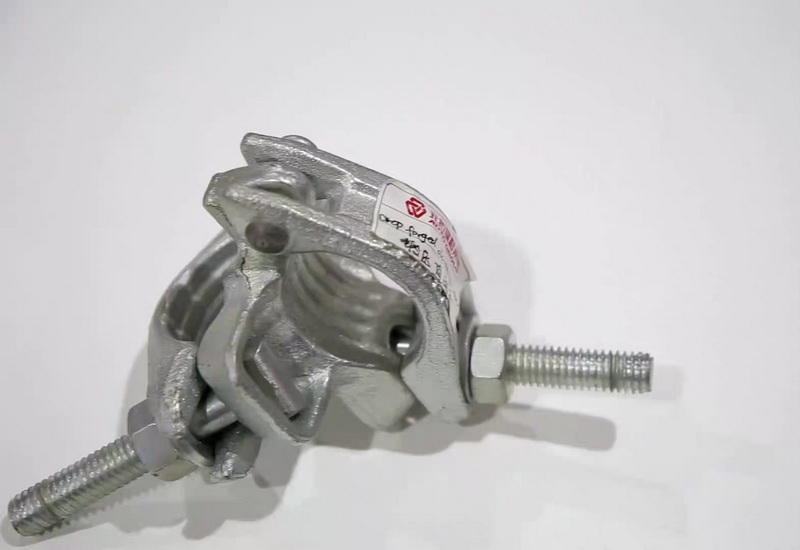
- Drop forged clamps: Heavy-duty clamps designed for robust applications, offering superior strength and durability.
These clamps are manufactured to comply with standards such as BS1139 and EN 74, ensuring reliability and safety on job sites.
Why Use a Ladder Clamp on Scaffolding?
- Prevents ladder movement: Secures the ladder firmly, reducing the risk of slips and falls.
- Improves worker safety: Provides a stable, secure access point to scaffolding platforms.
- Complies with regulations: Meets safety standards required on construction sites.
- Facilitates scaffold access: Enables safe climbing without risk of ladder detachment.
- Reduces liability: Properly secured ladders minimize the risk of workplace accidents and associated legal consequences.
Tools and Materials Needed
- Scaffolding ladder clamp(s)
- Socket wrench or adjustable spanner
- Ladder compatible with scaffold tube diameter (usually 48mm)
- Scaffold tube or frame
- Safety gloves and helmet
- Protective mats (optional, for floor protection during installation)
Step-by-Step Guide: How to Secure a Ladder to Scaffolding with a Clamp
Step 1: Choose the Correct Ladder Clamp
Select a scaffolding ladder clamp that fits the diameter of your scaffold tube (typically 48.3mm OD) and the ladder stile width (usually between 55mm-95mm). Ensure the clamp is compatible with the ladder material (wood, aluminum, GRP) to avoid damage.
Step 2: Position the Ladder on the Scaffold
Place the ladder at the desired position on the scaffold. The ladder should be installed at a safe angle between 65° and 75°, extending at least one rung above the scaffold platform for safe access.
Step 3: Open the Ladder Clamp
Loosen the adjuster nuts on the ladder clamp to open the clamp wide enough to fit over the scaffold tube and ladder stile.
Step 4: Attach the Clamp to the Scaffold Tube
Place the clamp over the scaffold tube, ensuring it seats properly against the curved face of the reaction block or clamp body.
Step 5: Hook the Clamp Over the Ladder Stile
Hook the clamp's return leg over the ladder stile, pulling back so the clamp prevents the ladder from slipping off.
Step 6: Tighten the Clamp Bolts
Hand tighten the clamp bolts or nuts evenly on both sides. Avoid overtightening, especially on GRP ladders, to prevent cracking.
Step 7: Repeat for Additional Clamps
For added safety, use at least two clamps per ladder section — one near the top and one near the bottom. For multi-section ladders, secure each section similarly.
Step 8: Inspect the Installation
Check that the ladder is firmly secured, cannot slide or move, and that clamps are tight. Ensure the ladder is stable before use.
Additional Tips for Securing Ladders to Scaffolding
- Always install ladder clamps from a safe position, never stand on the unsecured ladder while fitting clamps.
- Use clamps designed to fit your ladder type and scaffold tube size.
- Check clamps daily for tightness and signs of wear or damage.
- Ensure the scaffold itself is stable and properly braced before attaching a ladder.
- Follow manufacturer instructions and local safety regulations.
- Use protective mats or padding if the scaffold tube or ladder stile has sharp edges to avoid damage.
- When working at height, always wear appropriate personal protective equipment (PPE) such as a hard hat, gloves, and non-slip footwear.
- Avoid using damaged or rusted clamps; replace immediately to maintain safety.
Safety Standards and Regulations
Ladder clamps and scaffold access ladders must comply with safety standards such as:
- BS1139 (British Standard for scaffolding components)
- EN 74 (European Standard for couplers and fittings)
- OSHA regulations on scaffold access and fall protection (in the United States)
Using certified scaffolding ladder clamps helps meet these requirements and reduces liability risks on site.
Common Mistakes to Avoid
- Using clamps that do not fit the scaffold tube diameter.
- Over-tightening clamps causing ladder damage.
- Attaching clamps only on one side of the ladder.
- Ignoring scaffold stability before ladder installation.
- Failing to extend the ladder above the scaffold platform by at least one rung.
- Neglecting to inspect clamps regularly during the project.
- Using incompatible clamps with ladder material, especially GRP ladders which are prone to cracking.
Advantages of Using Scaffolding Ladder Clamps
- Enhanced Safety: Prevents ladder slippage and lateral movement.
- Compliance: Meets industry safety standards.
- Efficiency: Quick and easy installation saves time.
- Durability: High-quality clamps withstand harsh site conditions.
- Versatility: Compatible with various scaffold and ladder types.
How to Maintain Your Scaffolding Ladder Clamps
- Regularly inspect clamps for corrosion, cracks, or deformations.
- Lubricate moving parts to prevent rust and ease tightening.
- Store clamps in a dry, protected environment when not in use.
- Replace any damaged or worn clamps immediately.
- Train workers on proper clamp usage and maintenance procedures.
Conclusion
Securing a ladder to scaffolding using a scaffolding ladder clamp is essential for safe and efficient scaffold access. By selecting the correct clamp type, following proper installation steps, and adhering to safety standards, workers can minimize the risk of accidents and ensure stable ladder positioning. Regular inspection and maintenance of clamps and scaffold structures further enhance safety on site. Whether you are erecting a tube and clamp scaffold or a modular system, using ladder clamps correctly is a fundamental part of scaffold safety.
FAQ
1. What size scaffold tube do ladder clamps fit?
Most scaffolding ladder clamps fit scaffold tubes with a diameter of 48.3mm (1.9 inches), which is standard for tube and clamp scaffolding systems.
2. How many clamps are needed to secure a ladder?
At least two clamps are recommended per ladder section — one near the top and one near the bottom — to ensure stability and prevent movement.
3. Can ladder clamps be used on any ladder material?
Clamps are available for various ladder materials including aluminum, wood, and GRP. It is important to use clamps designed for your ladder type to avoid damage, especially on GRP ladders.
4. How tight should ladder clamps be?
Clamps should be hand-tightened until snug with 1 or 2 threads visible on the bolts. Over-tightening can damage ladder stiles, particularly GRP ladders.
5. Is it safe to climb the scaffold structure without a ladder?
No. Scaffold structures must have proper access ladders secured with clamps. Climbing the scaffold frame itself is unsafe and against most safety regulations.