Content Menu
● Introduction to Pole and Clamp Scaffolding
● Components of Pole and Clamp Scaffolding
● Planning and Preparation
● Risk Assessment
● Setting Up the Foundation
● Erecting the Scaffold
>> Step 1: Install Standards
>> Step 2: Install Bearers
>> Step 3: Install Runners
>> Step 4: Add Diagonal Bracing
● Adding Levels and Work Platforms
● Platform Safety
● Safety Considerations
>> Weather Conditions
>> Fall Protection
● Maintenance and Dismantling
>> Regular Maintenance
>> Dismantling Procedures
● Advanced Scaffolding Techniques
>> Cantilevered Scaffolding
>> Suspended Scaffolding
● Legal and Regulatory Compliance
● Compliance Checklist
● Conclusion
● FAQ
>> 1. What are the basic components of pole and clamp scaffolding?
>> 2. How do you ensure the ground is stable for scaffolding?
>> 3. What is the maximum vertical interval for horizontal members in scaffolding?
>> 4. How do you ensure the scaffold is square during erection?
>> 5. What safety gear should be used when working on scaffolding?
● Citations:
Setting up pole and clamp scaffolding safely is crucial for ensuring the stability and security of the structure, protecting workers from potential hazards, and facilitating efficient construction or maintenance work. This article provides a comprehensive guide on how to safely erect pole and clamp scaffolding, including planning, preparation, and step-by-step installation procedures.
Introduction to Pole and Clamp Scaffolding
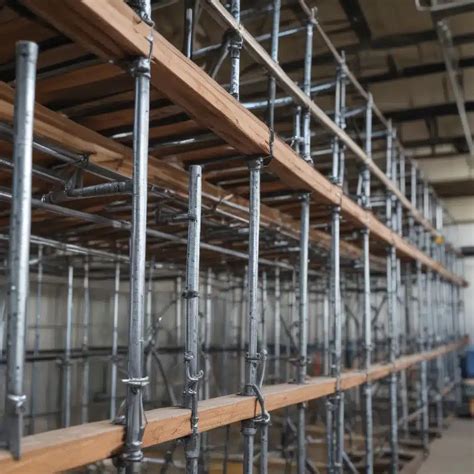
Pole and clamp scaffolding, also known as tube and clamp scaffolding, is a versatile and widely used system in construction and maintenance projects. It consists of three primary components: base plates, galvanized steel tubing, and clamps. The tubing comes in various lengths, typically ranging from 4 to 16 feet, with twist lock fittings on each end. There are two types of clamps: right angle (rigid) clamps for connecting tubes at right angles and swivel clamps for joining tubes at any angle.
Components of Pole and Clamp Scaffolding
- Base Plates: These are essential for distributing the weight of the scaffold evenly on the ground, ensuring stability.
- Galvanized Steel Tubing: Available in different lengths, this tubing forms the framework of the scaffold.
- Right Angle Clamps: Used for connecting tubes at right angles, these clamps provide structural integrity.
- Swivel Clamps: Allow for flexibility in connecting tubes at various angles.
Planning and Preparation
Before setting up the scaffolding, it's crucial to plan the structure accurately. This includes determining the dimensions, layout, and required components such as platforms, cross braces, ladders, and anchor points. Consider the type of work to be performed, the number of workers, and the materials that will be used. Ensure that all necessary permits and approvals are obtained before commencing work.
Risk Assessment
Conduct a thorough risk assessment to identify potential hazards such as uneven ground, overhead obstructions, and weather conditions. This assessment will help in planning appropriate safety measures and adjustments to the scaffold design.
Setting Up the Foundation
1. Ensure Ground Stability: The ground should be level and stable. Use mudsills on unstable ground to prevent settling or shifting of the scaffold.
2. Position Base Plates: Base plates should be securely positioned under each leg of the scaffold to distribute the weight evenly.
Erecting the Scaffold
Step 1: Install Standards
- Place the first standard on a base plate and twist to lock it.
- Ensure the standard is plumb using a level.
Step 2: Install Bearers
- Measure and mark the position for the bearers, typically 41 inches apart for a four-plank scaffold.
- Assemble right angle clamps on the bearers and attach them to the standards.
Step 3: Install Runners
- Mark the length of the bay on both runners according to the scaffold plan.
- Install right angle clamps on both runners at the marks and tighten them.
Step 4: Add Diagonal Bracing
- Install diagonal bracing to maintain the squareness of the scaffold.
- Use the 3-4-5 method to ensure the scaffold is square.
Adding Levels and Work Platforms
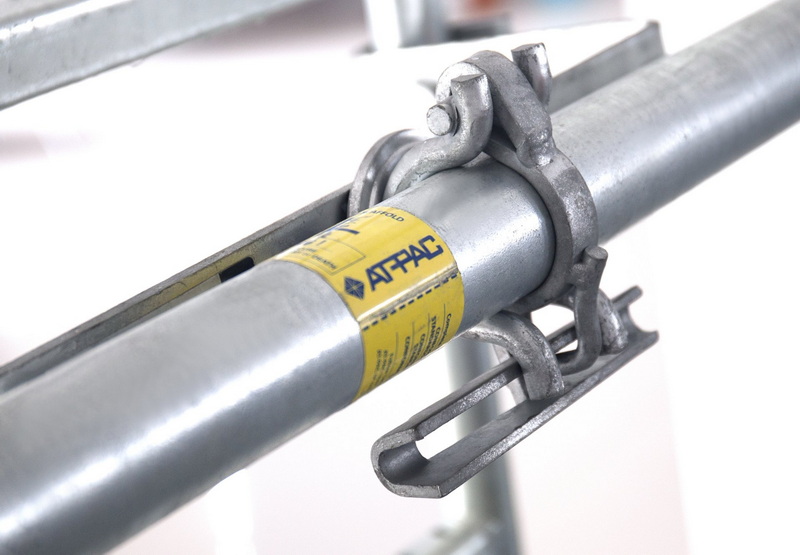
1. Install Work Planks: Use at least two scaffold planks for each level.
2. Ensure Vertical Intervals: Horizontal members should be erected at vertical intervals of no greater than six and one-half feet.
Platform Safety
Ensure that all platforms are securely attached to the scaffold frame and that guardrails are installed to prevent falls. The platform should be wide enough to accommodate workers comfortably and allow for easy movement.
Safety Considerations
- Regular Inspections: Regularly inspect the scaffold for any damage or wear.
- Proper Training: Ensure all workers are properly trained in scaffold erection and use.
- Safety Gear: Use appropriate safety gear such as harnesses and hard hats.
Weather Conditions
Be aware of weather conditions that could affect scaffold stability, such as strong winds or rain. In such cases, consider using additional stabilizing measures or postponing work until conditions improve.
Fall Protection
Implement fall protection systems such as safety nets or personal fall arrest systems (PFAS) to protect workers from falls.
Maintenance and Dismantling
Regular Maintenance
Regularly check the scaffold for any signs of wear or damage. Replace any damaged components promptly to maintain the structural integrity of the scaffold.
Dismantling Procedures
When dismantling the scaffold, follow the reverse procedure of erection. Ensure that all components are safely removed and stored for future use.
Advanced Scaffolding Techniques
Cantilevered Scaffolding
Cantilevered scaffolding is used when part of the scaffold extends over an obstruction, such as a window or door. Ensure that the cantilever is properly supported and secured to prevent collapse.
Suspended Scaffolding
Suspended scaffolding is used for high-rise buildings where the scaffold is suspended from the roof or upper floors. Ensure that all suspension points are secure and regularly inspected.
Legal and Regulatory Compliance
Ensure that all scaffolding operations comply with local and national regulations. This includes obtaining necessary permits, adhering to safety standards, and maintaining accurate records of scaffold inspections and maintenance.
Compliance Checklist
- Obtain necessary permits before commencing work.
- Ensure all workers are trained and certified.
- Conduct regular scaffold inspections.
Conclusion
Setting up pole and clamp scaffolding safely requires meticulous planning, careful execution, and adherence to safety protocols. By following these steps and ensuring that all components are properly installed and maintained, you can create a stable and secure working environment for construction and maintenance projects.

FAQ
1. What are the basic components of pole and clamp scaffolding?
Pole and clamp scaffolding consists of base plates, galvanized steel tubing, and clamps (right angle and swivel).
2. How do you ensure the ground is stable for scaffolding?
Use mudsills on unstable ground to prevent settling or shifting of the scaffold. Ensure the ground is level and stable before setting up the base plates.
3. What is the maximum vertical interval for horizontal members in scaffolding?
Horizontal members should be erected at vertical intervals of no greater than six and one-half feet.
4. How do you ensure the scaffold is square during erection?
Use the 3-4-5 method to ensure the scaffold is square. Measure 3 feet along the bearer, 4 feet along the runner, and check if the diagonal distance is 5 feet.
5. What safety gear should be used when working on scaffolding?
Use appropriate safety gear such as harnesses, hard hats, and ensure regular inspections of the scaffold.
Citations:
[1] https://www.youtube.com/watch?v=ZM6Tlh_NAnQ
[2] https://www.youtube.com/watch?v=iUqDWjr6uok
[3] https://patents.google.com/patent/WO2023071385A1/zh
[4] https://www.tp-scaffold.com/what-are-the-step-by-step-instructions-for-tube-and-clamp-scaffolding.html
[5] https://www.shutterstock.com/video/search/scaffolding-clamp
[6] https://patents.google.com/patent/WO2019144468A1/zh
[7] https://www.scaffold.my/en/post/scaffolding-installation-guide
[8] https://www.shutterstock.com/video/search/scaffold-pole
[9] https://max.book118.com/html/2017/0425/102172593.shtm
[10] https://patents.google.com/patent/CN202164829U/en