Content Menu
● What Is a Folding Scaffolding Ladder?
● Key Features and Components
>> 1. Hinged Joints and Locking Mechanisms
>> 2. Platform Planks
>> 3. Wheels (Optional)
>> 4. Stabilizers and Non-Slip Feet
>> 5. Height Adjustment
● How Does a Folding Scaffolding Ladder Work?
>> A. As a Ladder
>> B. As a Scaffold Platform
>> C. As a Workbench or Cart
● Common Configurations and Uses
● Step-by-Step Setup Guide
>> Step 1: Unfold the Ladder
>> Step 2: Lock Hinges Securely
>> Step 3: Attach Platform Plank
>> Step 4: Adjust Height (If Needed)
>> Step 5: Inspect for Stability
>> Step 6: Begin Work
● Safety Tips and Best Practices
>> 1. Weight Limits
>> 2. Proper Angle and Positioning
>> 3. Hinge and Lock Checks
>> 4. Use of Platform
>> 5. Environmental Awareness
● Advanced Applications and Tips
>> 1. Working on Stairs
>> 2. Multi-Person Use
>> 3. Outdoor Work
>> 4. Accessory Integration
>> 5. Reaching Difficult Angles
● Maintenance and Storage
>> Cleaning
>> Inspection
>> Lubrication
>> Storage
● Product Comparisons and Recommendations
>> Popular Folding Scaffolding Ladder Models
● Conclusion
● FAQ
>> 1. How much weight can a folding scaffolding ladder hold?
>> 2. Can I use a folding scaffolding ladder on stairs or uneven ground?
>> 3. Is it safe to use a folding scaffolding ladder alone?
>> 4. How do I maintain my folding scaffolding ladder for long-term use?
>> 5. What are the main advantages of a folding scaffolding ladder over a traditional ladder or scaffold?
Folding scaffolding ladders have revolutionized the way professionals and DIYers access heights safely and efficiently. These versatile tools combine the portability of a ladder with the stability and workspace of a scaffold, making them indispensable for construction, maintenance, painting, and home improvement projects. In this comprehensive guide, you'll learn exactly how a folding scaffolding ladder works, its key features, how to use it safely, and why it's become a staple on job sites and in homes worldwide.
What Is a Folding Scaffolding Ladder?
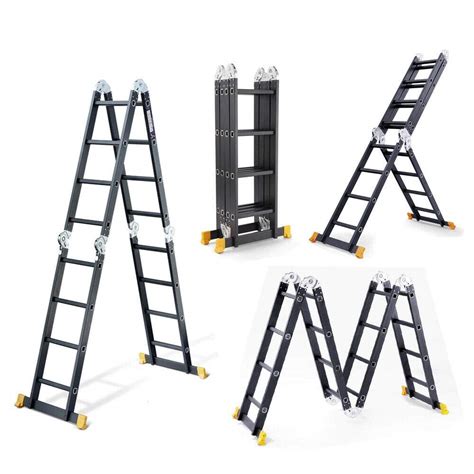
A folding scaffolding ladder is a multi-functional access tool that can be quickly transformed between a ladder, a scaffold platform, or a workbench. Unlike traditional ladders, folding scaffolding ladders are engineered with multiple hinges and locking mechanisms, allowing them to fold compactly for storage and transport, or to unfold into various stable configurations for work at different heights and positions.
Key advantages:
- Portability: Folds down for easy transport and storage.
- Versatility: Can be used as a straight ladder, A-frame ladder, or scaffold platform.
- Stability: Wide base and locking mechanisms ensure a secure working surface.
- Adjustability: Platform height and ladder length can often be adjusted for different tasks.
Key Features and Components
1. Hinged Joints and Locking Mechanisms
Folding scaffolding ladders are equipped with robust hinges at multiple points. These allow the ladder to be folded or unfolded into different shapes, such as a straight ladder, A-frame, or platform. The locking mechanisms ensure the ladder stays securely in the desired position during use.
2. Platform Planks
Many folding scaffolding ladders come with removable or integrated platform planks. These planks create a stable walking or standing surface when the ladder is used in scaffold mode, allowing users to move side-to-side without repeatedly repositioning the ladder.
3. Wheels (Optional)
Some models include locking wheels for easy mobility. This feature is particularly beneficial for moving the scaffold around a worksite without dismantling it.
4. Stabilizers and Non-Slip Feet
Wide stabilizer bars and non-slip feet help prevent the ladder from tipping or sliding, providing additional safety on various surfaces.
5. Height Adjustment
The working height of the platform can often be adjusted by changing the ladder's configuration or by moving the platform plank to different rungs.
How Does a Folding Scaffolding Ladder Work?
A folding scaffolding ladder works by utilizing its hinged joints, locking mechanisms, and platform planks to transform between multiple configurations. Here's a breakdown of how it functions in its main modes:
A. As a Ladder
- Straight Ladder: Unfold the ladder fully and lock the hinges to create a long, straight ladder for accessing high points.
- A-Frame Ladder: Fold the ladder at its center hinge to form an A-shape, ideal for free-standing use without needing a wall for support.
B. As a Scaffold Platform
- Scaffold Mode: Unfold the ladder into two parallel sections, lock them in place, and lay the platform plank across the rungs. This creates a stable, elevated platform for standing, walking, or placing tools and materials.
- Adjustable Height: Move the platform plank up or down to set the working height that best suits your task.
C. As a Workbench or Cart
- Workbench: Some models can be configured as a sturdy workbench for cutting, assembling, or painting.
- Rolling Cart: Models with wheels can serve as a mobile platform for moving tools and materials around a jobsite.
Common Configurations and Uses
| Configuration |
Description |
Typical Use Cases |
| Straight Ladder |
Fully extended, single-section ladder |
Reaching high shelves, roof access |
| A-Frame Ladder |
Self-supporting, hinged in the middle |
Changing light bulbs, indoor painting |
| Scaffold Platform |
Two parallel supports with a plank across |
Wall painting, window installation |
| Rolling Scaffold |
Scaffold platform with locking wheels |
Moving along walls, large projects |
| Workbench |
Folded into a horizontal surface |
Tool setup, assembly, cutting |
Typical applications include:
- Painting and decorating large wall areas
- Installing or repairing ceilings and lights
- Cleaning windows or gutters
- Warehouse organization and inventory
- Home renovation and maintenance
Step-by-Step Setup Guide
Setting up a folding scaffolding ladder is straightforward but must be done carefully for safety and stability.
Step 1: Unfold the Ladder
- Remove the ladder from storage and place it on a flat surface.
- Unlock the hinges and unfold the ladder into the desired configuration (A-frame, straight, or scaffold).
Step 2: Lock Hinges Securely
- Ensure all hinges and locking mechanisms click into place.
- Double-check that each joint is fully locked before proceeding.
Step 3: Attach Platform Plank
- If using scaffold mode, lay the platform plank across the rungs or supports as per manufacturer instructions.
- Some ladders have integrated platforms that simply fold out.
Step 4: Adjust Height (If Needed)
- Move the platform plank to a higher or lower set of rungs to reach the optimal working height.
- For rolling models, ensure wheels are locked before climbing on the platform.
Step 5: Inspect for Stability
- Gently shake the ladder to ensure it is stable and all parts are secure.
- Check that non-slip feet or stabilizer bars are in firm contact with the ground.
Step 6: Begin Work
- Climb carefully, always maintaining three points of contact.
- Only one person should use the ladder at a time, unless the manufacturer specifies otherwise.

Safety Tips and Best Practices
1. Weight Limits
- Never exceed the manufacturer's weight limit (typically 150–300 kg including user and tools).
- Only one person should be on the folding scaffolding ladder at a time unless rated for multiple users.
2. Proper Angle and Positioning
- When using as a straight ladder, maintain a 75-degree angle for optimal safety.
- Ensure the ladder is placed on a firm, level surface.
3. Hinge and Lock Checks
- Always verify that all hinges and locks are fully engaged before climbing.
- Never force a hinge or lock; if it won't engage, inspect for obstructions or defects.
4. Use of Platform
- Only use the platform when it is securely attached.
- Never use a folding scaffolding ladder in platform mode without the platform in place.
5. Environmental Awareness
- Avoid using the ladder near power lines or in wet, windy, or unstable conditions.
- Use non-slip end caps or mats on slippery surfaces.
Advanced Applications and Tips
Folding scaffolding ladders are not just for simple tasks-they can be adapted for a wide range of advanced applications:
1. Working on Stairs
Many folding scaffolding ladders can be configured to different heights on each side, allowing safe use on staircases. This is especially useful for painting stairwells or accessing high points above stairs.
2. Multi-Person Use
Some heavy-duty models are rated for two users. Always check the manufacturer's guidelines, and never exceed the combined weight limit.
3. Outdoor Work
When using a folding scaffolding ladder outdoors, secure the base with sandbags or stakes if working on grass or uneven surfaces. Always check for wind gusts and avoid use in inclement weather.
4. Accessory Integration
You can enhance your folding scaffolding ladder with accessories such as tool trays, paint can holders, or extension planks. These add-ons increase efficiency and safety by keeping tools within reach and reducing the need to climb up and down.
5. Reaching Difficult Angles
Thanks to their adjustable hinges, folding scaffolding ladders can be set up in unique shapes (such as a 90-degree angle) to work around corners, over obstacles, or in tight spaces where traditional ladders would not fit.
Maintenance and Storage
Proper maintenance and storage are essential for the long-term safety and performance of your folding scaffolding ladder.
Cleaning
- Wipe down the ladder after each use to remove dirt, paint, or debris.
- Avoid harsh chemicals that could corrode metal or damage fiberglass finishes.
Inspection
- Before each use, inspect for cracks, dents, loose hinges, or worn feet.
- Replace any damaged parts immediately.
Lubrication
- Apply a silicone-based lubricant to hinges and locks periodically to ensure smooth operation.
Storage
- Store the ladder in a dry, covered area.
- Hang horizontally or stand upright to prevent warping or damage.
Product Comparisons and Recommendations
Popular Folding Scaffolding Ladder Models
| Model Name |
Max Height |
Platform Included |
Wheels |
Weight Capacity |
Key Features |
| MetalTech 5 Ft Portable Scaffold |
5 ft |
Yes |
Yes |
300 lbs |
Adjustable, foldable, mobile |
| Little Giant Multi-Position Ladder |
6–18 ft |
Optional |
No |
300 lbs |
Multiple positions, telescoping |
| Ktaxon 12.5FT Foldable Ladder |
12.5 ft |
Yes |
No |
330 lbs |
Lightweight, compact, sturdy |
Conclusion
A folding scaffolding ladder is a highly adaptable, portable, and safe solution for working at heights. Its multi-hinged design allows it to function as a ladder, scaffold, or workbench, making it an essential tool for professionals and DIYers alike. By understanding how a folding scaffolding ladder works, following best practices for setup and use, and maintaining it properly, you can maximize both your safety and productivity on any project. Whether you're painting, renovating, or tackling a complex construction job, a folding scaffolding ladder offers the flexibility and stability you need.
FAQ
1. How much weight can a folding scaffolding ladder hold?
Most folding scaffolding ladders are rated for 150–330 lbs, including the user and any tools or materials. Always check the manufacturer's specifications before use.
2. Can I use a folding scaffolding ladder on stairs or uneven ground?
Yes, many models are designed to adjust for uneven surfaces or staircases. Ensure all feet are stable and the ladder is locked securely in place before use.
3. Is it safe to use a folding scaffolding ladder alone?
Yes, provided you follow safety guidelines: lock all hinges, use the platform correctly, and never exceed the weight limit. Only one person should use the ladder at a time unless otherwise specified.
4. How do I maintain my folding scaffolding ladder for long-term use?
Clean the ladder regularly, inspect for damage, lubricate hinges, and store it in a dry place. Replace any worn or damaged parts immediately to ensure ongoing safety.
5. What are the main advantages of a folding scaffolding ladder over a traditional ladder or scaffold?
Folding scaffolding ladders are more portable, versatile, and space-efficient. They can be used in multiple configurations, folded for storage, and often include platforms for safer, more comfortable work at height.