Content Menu
● Understanding Scaffold Roofing Systems
● Key Components of a Scaffold Roofing System
● How a Scaffold Roofing System Improves Safety
● Benefits of Using a Scaffold Roofing System
● System Scaffolding and Safety
● Materials Used in Scaffold Roofing Systems
● Key Takeaways for Temporary Roof Scaffolding
● Conclusion
● FAQ
>> 1. What is a scaffold roofing system?
>> 2. How does a scaffold roofing system improve safety?
>> 3. What materials are commonly used in scaffold roofing systems?
>> 4. Are scaffold roofing systems compliant with safety regulations?
>> 5. What are the key benefits of using a scaffold roofing system?
● Citations:
In the dynamic and often hazardous environment of construction sites, ensuring worker safety is paramount. Working at heights, dealing with unpredictable weather, and handling heavy materials all contribute to the inherent risks of the job. A scaffold roofing system is an innovative solution designed to mitigate these risks and significantly improve safety on building sites. This article explores the various ways a scaffold roofing system enhances safety, supported by relevant research and examples.
Understanding Scaffold Roofing Systems
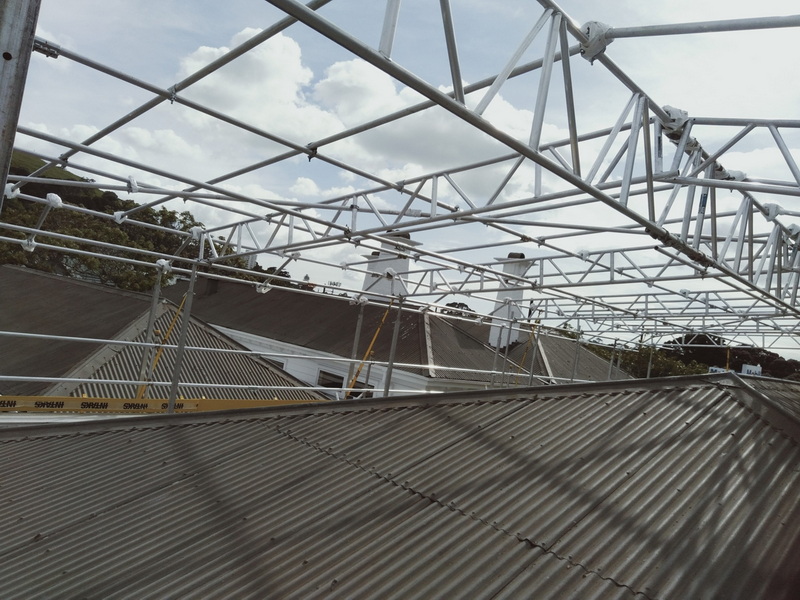
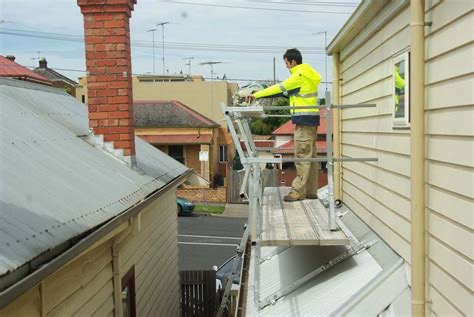
A scaffold roofing system is a temporary roof structure erected over scaffolding to provide a protective cover for construction sites. It shields workers and materials from adverse weather conditions, such as rain, snow, wind, and extreme heat, creating a more controlled and safer working environment[5][1]. These systems are typically modular, allowing for customization to fit various project needs and site specifications[5].
Key Components of a Scaffold Roofing System
1. Scaffolding Frames: These provide the structural support for the entire system[5].
2. Roofing Sheets: Durable materials like Monarflex sheeting or corrugated iron are used to create a weather-resistant cover[5].
3. Cross Bracing: This adds stability to the scaffolding structure[5].
4. Connectors and Fittings: These components ensure that all parts of the system are securely connected[5].
How a Scaffold Roofing System Improves Safety
1. Weather Protection
- A scaffold roofing system provides a crucial barrier against adverse weather conditions, allowing work to continue uninterrupted, even in rain, snow, or extreme heat[1][5]. This protection not only keeps workers dry and comfortable but also safeguards construction materials and equipment from potential weather damage[1].
- By minimizing weather-related delays, scaffold roofing systems help maintain project timelines and reduce associated costs[1].
2. Fall Protection
- Scaffold roofing systems significantly reduce the risk of falls by providing a secure working platform at elevated heights[1][4]. These systems often include guardrails and safety nets, which further enhance fall protection[4].
- By creating a safe perimeter, scaffold roofing systems negate the need for additional harnesses or fall-arrest systems[3].
3. Debris Containment
- A scaffold roofing system helps prevent debris and tools from falling from heights, creating a safer environment for everyone on the site, including workers and passersby[1]. This containment is especially important in urban areas where public safety is a concern.
4. Enhanced Stability
- System scaffolding, often used in conjunction with roofing systems, meets and exceeds federal and local safety standards due to its strength and stability[2]. This robust structure provides a secure base for workers, minimizing the risk of accidents[2].
5. Improved Working Conditions
- By creating a more controlled environment, scaffold roofing systems improve overall working conditions on construction sites[5]. Workers can focus on their tasks without worrying about weather interruptions or unsafe conditions, leading to increased productivity[1].
Benefits of Using a Scaffold Roofing System
1. Reduced Risk of Accidents and Injuries
- The primary benefit of a scaffold roofing system is the significant reduction in the risk of accidents and injuries on construction sites[1][4]. By providing weather protection, fall prevention, and debris containment, these systems create a safer working environment for all personnel[1].
2. Compliance with Safety Regulations
- Scaffold roofing systems help construction companies comply with safety regulations and standards set by organizations like OSHA[2]. Adhering to these regulations demonstrates a commitment to worker safety and can help avoid costly penalties[4].
3. Increased Productivity
- By allowing work to continue uninterrupted, even in adverse weather, scaffold roofing systems promote increased productivity on construction sites[1]. Workers can focus on their tasks without weather-related distractions, leading to faster project completion[1].
4. Cost-Effectiveness
- Scaffold roofing systems can lead to cost savings in various ways[1]:
- Reduced Weather-Related Delays: Protection from adverse weather conditions minimizes costly project delays[1].
- Lower Compensation Claims: Enhanced safety measures reduce the risk of workplace accidents, leading to fewer compensation claims[1].
- Minimized Downtime: The ability to continue working in unfavorable weather prevents potential financial losses associated with project downtime[1].
5. Versatility and Flexibility
- Scaffold roofing systems are versatile and adaptable to different types of construction projects, including new builds, renovations, and maintenance work[1][5]. Their modular nature allows for quick assembly and disassembly, making them easy to move and reuse in different projects[1][5].
System Scaffolding and Safety
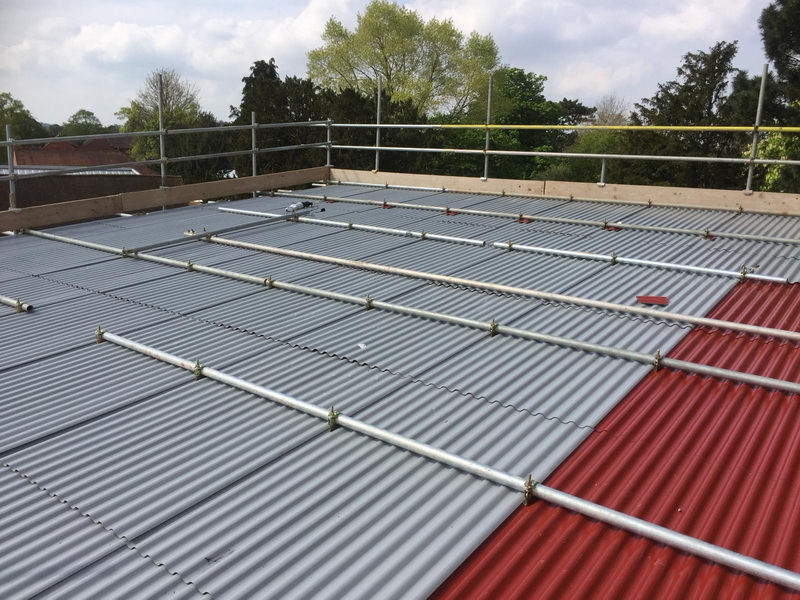
System scaffolding, often used with scaffold roofing systems, offers several advantages that enhance safety[2]:
- Strength and Stability: System scaffolding meets and exceeds federal and local safety standards, providing a strong and stable base[2].
- Ease of Operation: It is easy to operate, reducing the risk of errors during assembly and use[2].
- Frequent Examination: System scaffolding allows for frequent examination of the work area, tools, and scaffolding structure to prevent hazards from going unnoticed[2].
- Daily Compliance Checks: Daily compliance checks for hazards are easier to conduct, ensuring a safer working environment[2].
Materials Used in Scaffold Roofing Systems
The materials used in scaffold roofing systems play a crucial role in their effectiveness and durability[5]:
- Monarflex Sheeting: Known for its durability and weather-resistant properties[5].
- Corrugated Iron Sheets: Used for added strength and protection[5].
- Lightweight Frames: Provide structural support without adding excessive weight[5].
Key Takeaways for Temporary Roof Scaffolding
- Temporary roof scaffolding is crucial for uninterrupted construction work[5].
- These systems are modular and customizable to fit project needs[5].
- Reliable roofing protects sites and workers from weather-related issues[5].
Conclusion
A scaffold roofing system is an essential investment for any construction company prioritizing safety on building sites. By providing weather protection, fall prevention, and debris containment, these systems create a safer and more productive working environment. As construction projects become increasingly complex, the use of scaffold roofing systems will continue to be a critical component of ensuring worker well-being and project success.
FAQ
1. What is a scaffold roofing system?
A scaffold roofing system is a temporary roof structure erected over scaffolding to provide a protective cover for construction sites, shielding workers and materials from adverse weather conditions.
2. How does a scaffold roofing system improve safety?
It improves safety by providing weather protection, fall prevention, debris containment, enhanced stability, and improved working conditions.
3. What materials are commonly used in scaffold roofing systems?
Common materials include Monarflex sheeting, corrugated iron sheets, and lightweight frames, which provide durability and weather resistance.
4. Are scaffold roofing systems compliant with safety regulations?
Yes, when properly installed and maintained, scaffold roofing systems can help construction companies comply with safety regulations and standards set by organizations like OSHA.
5. What are the key benefits of using a scaffold roofing system?
The key benefits include reduced risk of accidents and injuries, compliance with safety regulations, increased productivity, cost-effectiveness, and versatility.
Citations:
[1] https://kwscaffolding.co.uk/the-top-advantages-of-temporary-scaffolding-roof-systems/
[2] https://www.scaffoldingsolutions.com/articles/why-system-scaffolding-is-the-safest-scaffolding/
[3] https://www.worksmartplatforms.com/about-the-scaffold
[4] https://therooftechnician.ca/roof-safety-tips/guide-to-implementing-construction-roof-safety-systems/
[5] https://www.acescaffolding-uk.com/articles/temporary-roof-scaffolding
[6] https://ukconstructionblog.co.uk/2023/06/14/scaffolding-temporary-roof/
[7] https://layherna.com/scaffolding-cassette-roof/
[8] https://www.ihsa.ca/rtf/health_safety_manual/pdfs/equipment/Scaffolds.pdf