Content Menu
● Introduction to Aluminum and Wood Planks
>> Aluminum Walking Planks
>> Wood Planks
● Durability Comparison
>> Aluminum Planks
>> Wood Planks
● Weight and Handling
>> Aluminum Planks
>> Wood Planks
● Safety Features
>> Aluminum Planks
>> Wood Planks
● Maintenance Requirements
>> Aluminum Planks
>> Wood Planks
● Environmental Considerations
>> Aluminum Planks
>> Wood Planks
● Conclusion
● FAQ
>> 1. What are the primary advantages of aluminum walking planks over wood planks?
>> 2. How do the environmental impacts of aluminum and wood planks compare?
>> 3. What are the safety concerns associated with wood planks?
>> 4. How does the maintenance of aluminum planks compare to wood planks?
>> 5. What are the typical applications of aluminum walking planks?
● Citations:
In the realm of construction and scaffolding, the choice between aluminum walking planks and traditional wood planks is a critical one. Both materials have their advantages and disadvantages, which can significantly impact the efficiency, safety, and cost-effectiveness of projects. This article delves into the comparison of aluminum and wood planks, exploring their durability, weight, safety features, maintenance requirements, and environmental considerations.
Introduction to Aluminum and Wood Planks
Aluminum Walking Planks
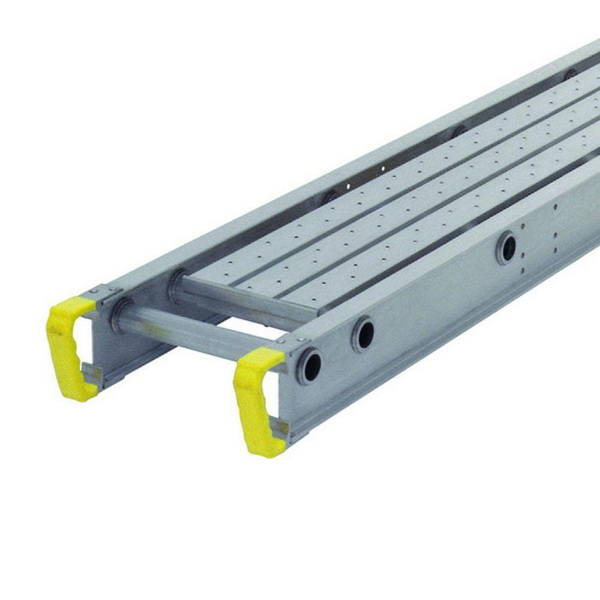
Aluminum walking planks are made from aluminum alloys, which are renowned for their lightweight yet robust nature. These planks are fabricated through processes like extrusion, where molten aluminum is forced through a mold to create the desired shape. Aluminum planks often feature a ribbed or diamond pattern to enhance grip and prevent slipping, making them ideal for various applications, including industrial sites, commercial spaces, and residential areas[9].
Extruded Aluminum Planks:
These are lightweight, durable, and maintenance-free. They can be customized to fit different sizes and shapes, making them versatile for various projects[9].
Aluminum Alloy Casting Planks:
These have a smooth surface that is easy to clean and are used in industrial facilities and commercial spaces[9].
Wood Planks
Wood planks, on the other hand, are made from natural wood and have been used for centuries in construction. They are relatively inexpensive and can provide a traditional aesthetic appeal. However, wood is more prone to wear and tear, requiring regular maintenance to protect it from moisture and deformation[4].
Durability Comparison
Aluminum Planks
Aluminum planks are highly durable and resistant to corrosion, making them suitable for harsh weather conditions. They do not rot or decay like wood, which means they can last significantly longer without needing replacement[1][4].
Wood Planks
Wood planks are more susceptible to environmental factors such as moisture, which can lead to warping, cracking, or rotting. This reduces their lifespan and requires frequent inspections and maintenance[4].
Weight and Handling
Aluminum Planks
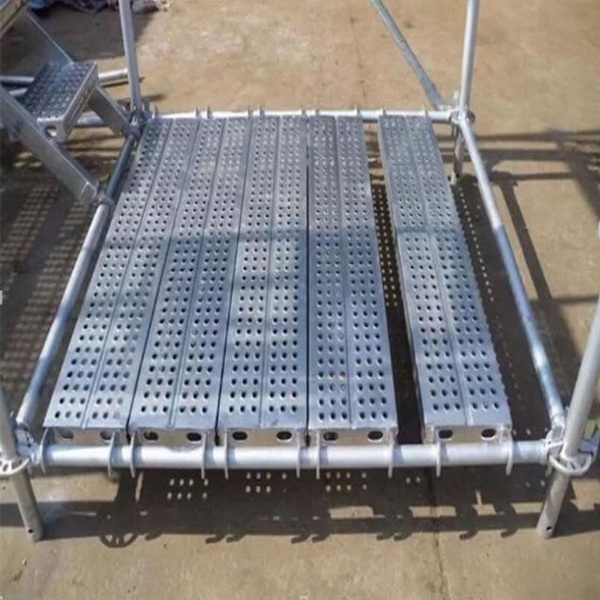
Aluminum planks are significantly lighter than wood, making them easier to transport and install, especially at elevated heights. This reduces the risk of strain injuries for workers[1][2].
Wood Planks
While wood planks are also relatively lightweight, they can become heavier when wet, complicating handling and transport. Additionally, wood's susceptibility to moisture can lead to deformation, affecting its structural integrity[4].
Safety Features
Aluminum Planks
Aluminum planks often feature non-slip surfaces, which reduce the risk of accidents. They can also withstand more weight than wooden planks, enhancing safety for workers[1].
Wood Planks
Wood planks can become slippery when wet and may splinter, causing injuries. Their lower load-bearing capacity makes them less safe for heavy-duty applications[4].
Maintenance Requirements
Aluminum Planks
Aluminum planks require minimal maintenance. They do not need painting or varnishing and are resistant to corrosion, making them a low-maintenance option[1][5].
Wood Planks
Wood planks need regular maintenance to protect them from environmental factors. This includes frequent painting or varnishing to prevent decay[5].
Environmental Considerations
Aluminum Planks
Aluminum is recyclable and can be reused multiple times, reducing waste and environmental impact. Aluminum planks also do not contribute to deforestation or habitat destruction associated with wood harvesting[5].
Wood Planks
While wood is a natural, renewable resource, the harvesting process can contribute to deforestation if not managed sustainably. Additionally, wood treatment chemicals can have environmental impacts[5].
Conclusion
In conclusion, aluminum walking planks offer several advantages over traditional wood planks, including durability, lightweight handling, enhanced safety features, and minimal maintenance requirements. While wood planks have their place in certain aesthetic or budget-conscious projects, aluminum planks are generally preferred for their long-term benefits and environmental sustainability.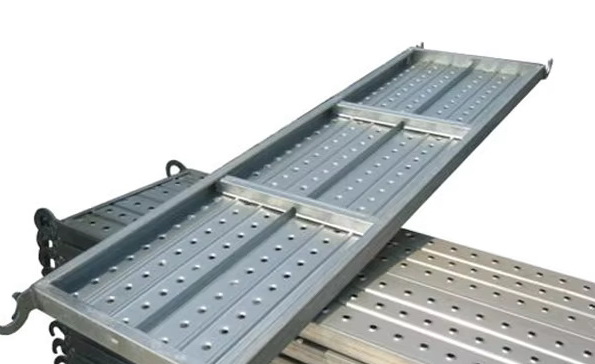
FAQ
1. What are the primary advantages of aluminum walking planks over wood planks?
Aluminum planks are more durable, lighter, safer, and require less maintenance compared to wood planks. They are also corrosion-resistant and can withstand harsh weather conditions[1][4].
2. How do the environmental impacts of aluminum and wood planks compare?
Aluminum planks are recyclable and do not contribute to deforestation. However, wood planks are made from a renewable resource but can lead to deforestation if not sustainably harvested[5].
3. What are the safety concerns associated with wood planks?
Wood planks can become slippery when wet, may splinter, and have a lower load-bearing capacity, making them less safe for heavy-duty applications[4].
4. How does the maintenance of aluminum planks compare to wood planks?
Aluminum planks require minimal maintenance as they do not need painting or varnishing and are resistant to corrosion. Wood planks, however, need regular maintenance to protect them from environmental factors[1][5].
5. What are the typical applications of aluminum walking planks?
Aluminum walking planks are commonly used in industrial sites, commercial spaces, and residential areas for constructing walkways, decks, and platforms due to their durability and lightweight nature[9].
Citations:
[1] https://scaffoldingrentalandsales.com/blog/the-aluminum-walk-board-vs-traditional-boards/
[2] https://www.chiefdelphi.com/t/wood-vs-aluminum/77104
[3] https://blog.csdn.net/weixin_40289064/article/details/79669930
[4] https://apacsafety.com/scaffold-planks-guide/
[5] https://aluminumfencesdirect.net/blog/aluminum-vs-wood-fence-the-complete-comparison/
[6] https://www.sohu.com/a/229746319_498025
[7] https://www.badgerladder.com/scaffold-plank/
[8] https://www.youtube.com/watch?v=ApchYezv1kg
[9] https://www.alibaba.com/showroom/aluminum-walkway-planks.html
[10] https://patents.google.com/patent/CN108729619A/zh