Content Menu
● Introduction
● What Is a Boat Lift Aluminum Walkway Plank?
● Construction and Materials
>> Marine-Grade Aluminum: The Backbone of Durability
● Key Features That Enhance Durability
>> 1. Corrosion Resistance
>> 2. Structural Strength
>> 3. Slip Resistance
>> 4. Lightweight Design
>> 5. Modular Options
● Performance in Harsh Environments
>> Saltwater and Freshwater Applications
>> Weather and UV Exposure
>> Load-Bearing Capacity
● Maintenance and Longevity
>> Low Maintenance Requirements
>> Expected Lifespan
>> Common Maintenance Tips:
● Real-World User Experiences
>> Positive Feedback
>> Concerns and Considerations
● Detailed Installation Guide
>> Tools and Materials Needed:
>> Step-by-Step Installation:
● Comparative Analysis: Aluminum vs. Wood vs. Steel
● Case Studies: Marina Applications
>> Case Study 1: Coastal Marina in Florida
>> Case Study 2: Lakeside Resort in Wisconsin
>> Case Study 3: Commercial Dock in Seattle
● Technical Specifications Deep Dive
>> Material Composition
>> Dimensions
>> Load Capacity
>> Surface Treatment
>> Fasteners
>> Standards Compliance
● Conclusion
● FAQ
>> 1. How long does a boat lift aluminum walkway plank typically last?
>> 2. Can aluminum walkway planks be used in saltwater environments?
>> 3. How much weight can a boat lift aluminum walkway plank support?
>> 4. Are aluminum walkway planks slippery when wet?
>> 5. What maintenance is required for aluminum walkway planks?
Boat lift aluminum walkway planks are essential components for safe and convenient access to boats, especially when performing maintenance or docking tasks. But just how durable are these planks? In this comprehensive guide, we'll explore the construction, lifespan, maintenance, and performance of boat lift aluminum walkway planks, supported by expert insights, technical data, and real-world feedback.
Introduction
Aluminum walkway planks for boat lifts are increasingly popular due to their lightweight, corrosion-resistant properties and ease of installation. Whether you're a marina operator or a private dock owner, understanding the durability of these planks is crucial for safety, investment value, and peace of mind.
What Is a Boat Lift Aluminum Walkway Plank?
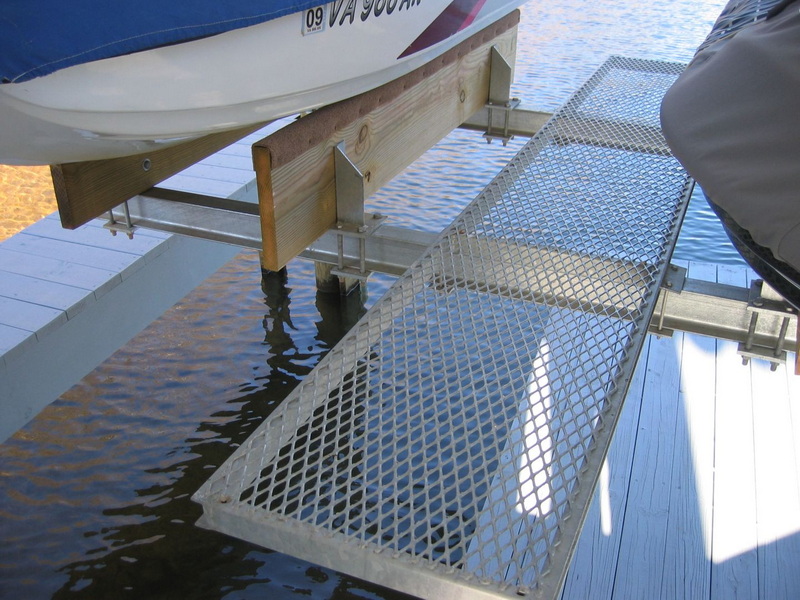
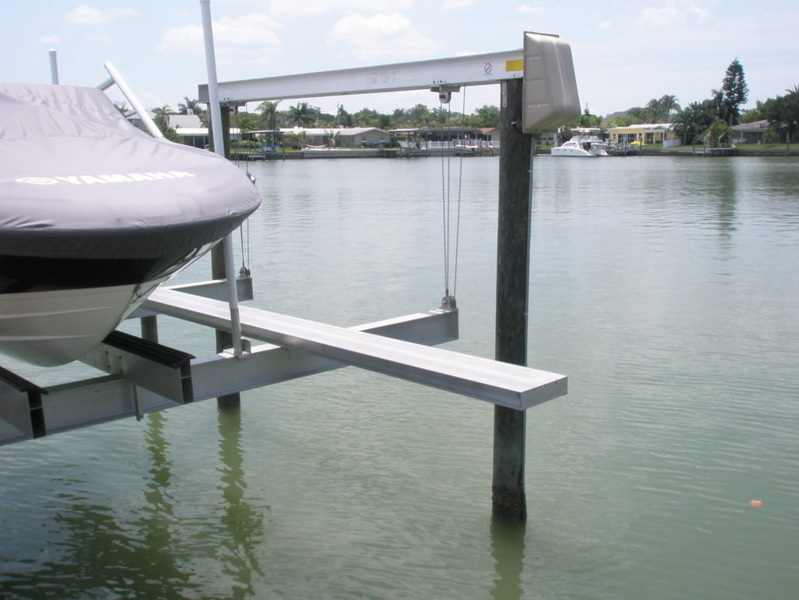
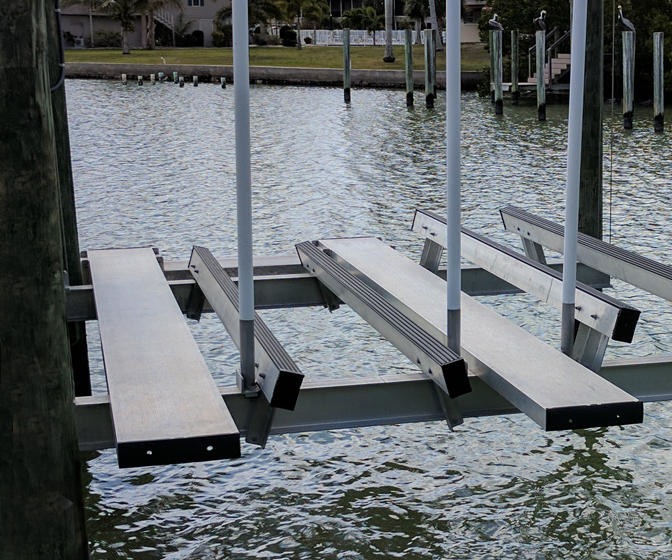
A boat lift aluminum walkway plank is a specialized platform, typically made from marine-grade aluminum, designed to span boat slips or attach to boat lifts. It provides a stable surface for walking, working, or accessing your vessel while suspended above the water.
Construction and Materials
Marine-Grade Aluminum: The Backbone of Durability
Most boat lift aluminum walkway planks are constructed from 6061-T6 marine-grade aluminum. This alloy is renowned for its strength, lightweight nature, and exceptional resistance to corrosion, especially in marine environments.
Key Construction Details:
- Extruded Aluminum Profiles: Planks are extruded for uniform strength and precision.
- Dimensions: Common sizes include 11.5" wide by 1.75" thick, and lengths up to 20 feet.
- Surface Treatment: Grooved or textured surfaces improve traction and reduce slipping hazards.
- Fastening Hardware: Typically uses stainless steel bolts and machined aluminum brackets for secure attachment.
Key Features That Enhance Durability
1. Corrosion Resistance
Aluminum's natural oxide layer shields it from further oxidation, making it highly resistant to rust and corrosion even in saltwater environments.
2. Structural Strength
6061-T6 aluminum offers a high strength-to-weight ratio, allowing planks to support multiple workers and withstand heavy foot traffic without bending or warping.
3. Slip Resistance
Extruded grooves or slip-resistant surfaces are standard, providing secure footing and reducing the risk of accidents, even when wet.
4. Lightweight Design
Despite their strength, aluminum walkway planks are easy to handle and install, reducing labor and shipping costs.
5. Modular Options
Some modern walkway planks are modular, allowing for easier repair and replacement of damaged sections without removing the entire walkway.
Performance in Harsh Environments
Saltwater and Freshwater Applications
Aluminum walkway planks excel in both freshwater and saltwater settings. Their resistance to corrosion and marine growth ensures longevity, especially when compared to untreated wood or steel alternatives.
Weather and UV Exposure
Aluminum does not degrade under UV exposure and withstands extreme temperatures, making it suitable for year-round outdoor use.
Load-Bearing Capacity
Most aluminum walkway planks are rated to support several hundred pounds, accommodating multiple users and equipment simultaneously.
Maintenance and Longevity
Low Maintenance Requirements
Aluminum walkway planks require minimal maintenance. Routine rinsing with fresh water, especially after saltwater exposure, is usually sufficient to preserve their appearance and function.
Expected Lifespan
With proper installation and basic care, a boat lift aluminum walkway plank can last decades—often 20 years or more—without significant degradation.
Common Maintenance Tips:
- Regularly rinse to remove salt and debris.
- Inspect brackets and fasteners annually for tightness and corrosion.
- Avoid direct contact with dissimilar metals to prevent galvanic corrosion.
- Do not cantilever the plank more than recommended (typically 6 feet).
Real-World User Experiences
Positive Feedback
Users consistently praise aluminum walkway planks for their durability, safety, and ease of use. Customer reviews highlight the long service life and minimal maintenance required, even in challenging marine environments.
Concerns and Considerations
Some users note that while aluminum is highly durable, it can still be slippery when muddy or covered with algae, underscoring the importance of textured surfaces and regular cleaning.
Detailed Installation Guide
Tools and Materials Needed:
- Aluminum walkway plank
- Stainless steel mounting brackets
- Stainless steel bolts, nuts, and washers
- Drill with appropriate drill bits
- Wrench set
- Measuring tape
- Level
- Safety glasses
- Work gloves
Step-by-Step Installation:
1. Preparation:
- Ensure the boat lift or dock structure is stable and capable of supporting the walkway and anticipated loads.
2. Measure and Mark:
- Determine the desired location and length of the walkway. Mark the positions for the mounting brackets, ensuring they align with the structural supports.
3. Attach Mounting Brackets:
- Drill pilot holes at the marked locations.
- Secure the mounting brackets to the boat lift or dock structure using stainless steel bolts, nuts, and washers. Ensure the brackets are level and properly aligned.
4. Position the Walkway Plank:
- Carefully lift the aluminum walkway plank and position it onto the mounting brackets.
- Ensure the plank is centered and evenly supported by the brackets.
5. Secure the Plank:
- Drill pilot holes through the plank and into the mounting brackets.
- Fasten the plank to the brackets using stainless steel bolts, nuts, and washers. Tighten all fasteners securely.
6. Final Inspection:
- Double-check all connections to ensure they are tight and secure.
- Test the walkway by applying moderate pressure to different areas to verify stability and load-bearing capacity.
- Ensure the surface is clean and free of any debris.
Comparative Analysis: Aluminum vs. Wood vs. Steel
Feature | Aluminum | Wood | Steel |
Weight | Lightweight | Moderate | Heavy |
Corrosion Resistance | Excellent | Poor (unless treated) | Moderate (if galvanized or coated) |
Strength | High strength-to-weight ratio | Moderate | Very high |
Maintenance | Low | High (requires regular sealing or painting) | Moderate (requires rust prevention) |
Lifespan | 20+ years | 5-15 years (depending on treatment and climate) | 10-25 years (depending on coating and maintenance) |
Cost | Moderate to High (initial cost) | Low (initial cost) | Moderate (initial cost) |
Environmental Impact | Recyclable, low maintenance | Deforestation concerns, chemical treatments | High energy consumption in production |
Aluminum walkway planks offer the best balance of weight, strength, corrosion resistance, and maintenance compared to wood and steel, making them a cost-effective and environmentally friendly choice over the long term.
Case Studies: Marina Applications
Case Study 1: Coastal Marina in Florida
A marina in Florida replaced its aging wooden walkways with aluminum planks to reduce maintenance costs and improve safety. The aluminum planks withstood frequent saltwater exposure and heavy foot traffic, resulting in significant savings in maintenance and repair costs.
Case Study 2: Lakeside Resort in Wisconsin
A lakeside resort in Wisconsin installed aluminum walkway planks to enhance the aesthetic appeal and durability of its docks. The planks' resistance to weathering and UV exposure maintained their appearance over many seasons, contributing to a positive guest experience.
Case Study 3: Commercial Dock in Seattle
A commercial dock in Seattle chose aluminum walkway planks for their high load-bearing capacity and slip resistance. The planks supported heavy equipment and frequent use without showing signs of wear, ensuring safe and efficient operations.
Technical Specifications Deep Dive
Material Composition
- Aluminum Alloy: 6061-T6 marine-grade aluminum
- Tensile Strength: Minimum 45,000 psi
- Yield Strength: Minimum 40,000 psi
- Elongation: 10% in 2 inches
Dimensions
- Width: 11.5 inches (standard)
- Thickness: 1.75 inches (standard)
- Length: Available in various lengths up to 20 feet
- Weight: Approximately 4-5 lbs per linear foot
Load Capacity
- Uniform Load: Typically 50-75 lbs per square foot
- Concentrated Load: Typically 250-300 lbs at mid-span
Surface Treatment
- Extruded Grooves: Provides slip resistance
- Anodized Finish: Optional, for enhanced corrosion protection and aesthetic appeal
Fasteners
- Material: Stainless steel (304 or 316 grade)
- Type: Bolts, nuts, washers
- Spacing: Typically 12-24 inches
Standards Compliance
- ASTM B221: Standard Specification for Aluminum and Aluminum Alloy Extruded Bars, Rods, Wire, Profiles, and Tubes
- ASTM B117: Standard Practice for Operating Salt Spray (Fog) Apparatus
Conclusion
Boat lift aluminum walkway planks are engineered for exceptional durability, making them a superior choice for both commercial marinas and private docks. Crafted from marine-grade 6061-T6 aluminum, these planks deliver outstanding resistance to corrosion, high load-bearing capacity, and minimal maintenance requirements. With proper care, they can provide decades of reliable service, ensuring safe and convenient access to your boat in all conditions.
FAQ
1. How long does a boat lift aluminum walkway plank typically last?
A high-quality boat lift aluminum walkway plank can last 20 years or more with proper maintenance, thanks to its corrosion-resistant properties and robust construction.
2. Can aluminum walkway planks be used in saltwater environments?
Yes, marine-grade aluminum is naturally resistant to corrosion, making these planks ideal for both saltwater and freshwater applications.
3. How much weight can a boat lift aluminum walkway plank support?
Most commercial-grade aluminum walkway planks are designed to support several hundred pounds, accommodating multiple users and equipment simultaneously.
4. Are aluminum walkway planks slippery when wet?
Most planks feature extruded grooves or textured surfaces to enhance traction and reduce slipping, but like all surfaces, they should be kept clean for maximum safety.
5. What maintenance is required for aluminum walkway planks?
Routine rinsing with fresh water, periodic inspection of fasteners, and avoiding prolonged contact with dissimilar metals are generally all that's needed to keep your walkway in top condition.