Content Menu
● Understanding Aluminum Scaffolding With Stairs
● Tools and Materials Needed
● Step-by-Step Assembly Guide
>> Site Preparation
>> Base Assembly
>> Installing Stair Sections
>> Adding Platforms and Guardrails
>> Final Safety Checks
● Common Challenges and How to Overcome Them
● Safety Tips When Assembling Aluminum Scaffolding With Stairs
● Maintenance and Inspection
● Conclusion
● FAQ
>> 1. How difficult is it to assemble aluminum scaffolding with stairs?
>> 2. What safety equipment is necessary during assembly?
>> 3. How long does it typically take to assemble aluminum scaffolding with stairs?
>> 4. Can aluminum scaffolding with stairs be used outdoors?
>> 5. Are there special maintenance requirements for aluminum scaffolding with stairs?
Aluminum scaffolding with stairs provides a safe, stable, and accessible working platform, especially in multi-level projects. Unlike basic scaffolding that requires ladders or climbing frames, scaffolding with integrated stairs allows workers to ascend and descend safely and comfortably. The ease of assembly depends on the design, quality of components, and user familiarity.
Understanding Aluminum Scaffolding With Stairs
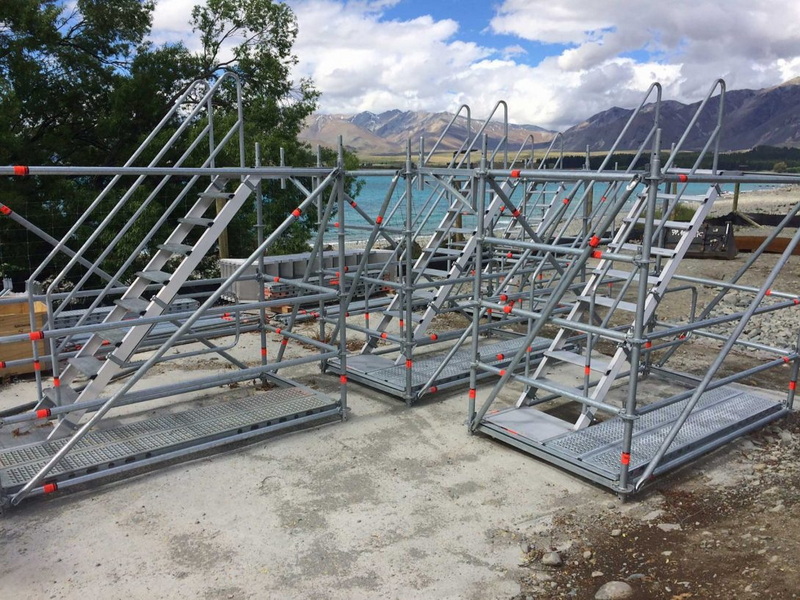
Aluminum scaffolding with stairs typically consists of:
- Base frames and leveling jacks for stability
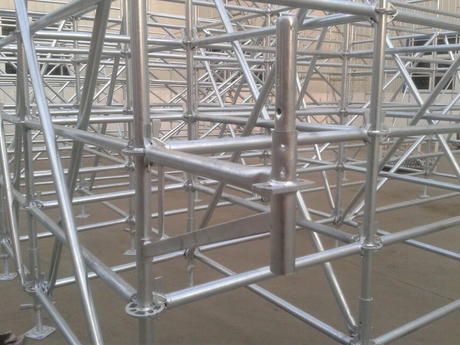
- Vertical standards (uprights) that support the structure
- Horizontal ledgers and braces for rigidity
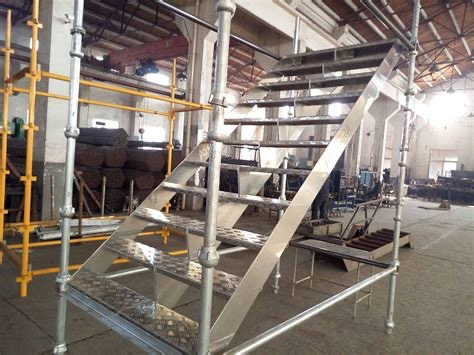
- Stair sections with handrails for safe access
- Platforms or decks for working surfaces
- Guardrails and toe boards for fall protection
The stair sections are designed to fit securely between scaffold levels, often bolted or pinned in place, providing a continuous, safe ascent.
Aluminum scaffolding with stairs is favored for its lightweight construction, which makes handling and assembly easier compared to steel scaffolding. The integrated stairs improve safety by providing a stable, non-slip access route, reducing reliance on ladders that can be hazardous.
Tools and Materials Needed
Before assembly, ensure you have:
- Aluminum scaffolding components (frames, braces, stair sections, platforms)
- Adjustable leveling jacks
- Couplers, pins, and locking mechanisms
- Wrenches or ratchets for tightening bolts
- Spirit level or laser level
- Safety equipment: gloves, hard hat, harness (if needed)
- Assistance: at least one other person for safety and efficiency
Having the right tools and materials ready before starting assembly will streamline the process and minimize delays.
Step-by-Step Assembly Guide
Site Preparation
1. Choose a flat, stable surface free of debris and obstacles. Uneven or soft ground can compromise scaffold stability.
2. Place mud sills or base plates to distribute weight evenly, especially on soft or uneven surfaces.
3. Clear the area around the scaffold footprint to allow safe movement during assembly.
4. Check local regulations for scaffold setup and safety requirements to ensure compliance.
Base Assembly
1. Install leveling jacks on the base plates or sills, adjusting for uneven ground.
2. Position the first scaffold frames on the jacks, ensuring they are plumb and level. Use a spirit or laser level for accuracy.
3. Attach horizontal braces diagonally to stabilize the base frame and prevent swaying.
4. Secure all connections with locking pins or couplers as per manufacturer instructions.
Installing Stair Sections
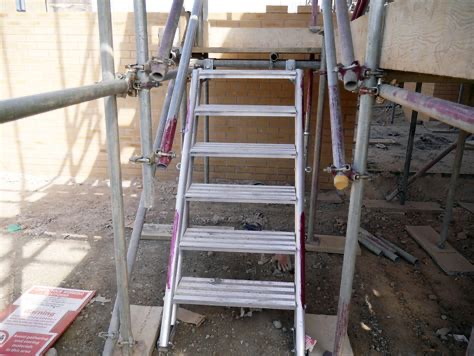
1. Attach stair stringers to the scaffold frames using bolts or pins, following manufacturer instructions carefully.
2. Secure stair treads and handrails to the stringers, ensuring all components are tight and locked.
3. Install stair landings or platforms at appropriate intervals for rest and safety.
4. Add intermediate guardrails on stair sections for fall protection and compliance with safety standards.
Adding Platforms and Guardrails
1. Place working platforms securely on horizontal ledgers, locking them in place to prevent movement.
2. Install guardrails and toe boards around all open edges and stair landings to prevent falls.
3. Check that all components are secure and stable, tightening any loose fittings.
Final Safety Checks
1. Verify the scaffold is level and plumb using a spirit or laser level to ensure structural integrity.
2. Inspect all locking pins, couplers, and bolts for tightness and proper installation.
3. Ensure stair handrails are firmly attached and continuous to provide safe handholds.
4. Confirm guardrails and toe boards are installed correctly on all platforms and stair landings.
5. Conduct a load test if required by local regulations or manufacturer guidelines.
Common Challenges and How to Overcome Them
- Uneven ground: Use adjustable leveling jacks and mud sills to stabilize the base.
- Heavy or bulky components: Aluminum is lightweight but stair sections can be cumbersome; use teamwork or lifting aids.
- Alignment issues: Measure carefully and use levels frequently during assembly to maintain scaffold integrity.
- Missing or damaged parts: Inspect all components before starting assembly; replace defective parts immediately to avoid safety risks.
- Working at height: Always use fall protection and never assemble scaffolding alone to reduce accident risk.
Safety Tips When Assembling Aluminum Scaffolding With Stairs
- Always wear appropriate personal protective equipment (PPE) including gloves, hard hats, and non-slip footwear.
- Follow manufacturer's assembly instructions precisely to avoid errors.
- Never exceed recommended scaffold height or load limits.
- Use safety harnesses when working at heights above 2 meters (6.5 feet).
- Keep the work area clear of debris and tools to avoid tripping hazards.
- Regularly inspect scaffolding during use for signs of wear or instability.
- Ensure all workers involved in assembly are trained and competent.
Maintenance and Inspection
Regular maintenance and inspection of aluminum scaffolding with stairs are essential for safety and longevity:
- Daily visual inspections before use to check for damage or loose components.
- Thorough inspections at regular intervals as per OSHA or local regulations.
- Cleaning to remove dirt, grease, or debris that could cause slips or corrosion.
- Lubrication of moving parts such as couplers or casters to ensure smooth operation.
- Proper storage in dry, sheltered areas to prevent damage from weather.
- Immediate replacement of any damaged or worn parts.
Conclusion
Assembling aluminum scaffolding with stairs is a manageable task when approached methodically and safely. The lightweight nature of aluminum combined with modular stair components allows for relatively quick construction of a safe, accessible scaffold. Proper site preparation, adherence to manufacturer instructions, and safety precautions are key to a successful assembly. Whether for commercial or residential projects, aluminum scaffolding with stairs enhances worker safety and efficiency.
FAQ
1. How difficult is it to assemble aluminum scaffolding with stairs?
With basic mechanical skills and proper tools, assembling aluminum scaffolding with stairs is straightforward. Assistance from a second person and following step-by-step instructions makes the process easier and safer.
2. What safety equipment is necessary during assembly?
Wear gloves, hard hats, safety boots, and use fall protection such as harnesses when working at heights. Always follow OSHA or local safety regulations.
3. How long does it typically take to assemble aluminum scaffolding with stairs?
Depending on the scaffold size and worker experience, assembly can take from 1-3 hours for small setups to a full day for larger towers.
4. Can aluminum scaffolding with stairs be used outdoors?
Yes, aluminum's corrosion resistance makes it ideal for outdoor use, but always ensure the base is stable and weather conditions are safe.
5. Are there special maintenance requirements for aluminum scaffolding with stairs?
Regular inspections for damage, cleaning to remove debris, and proper storage when not in use help maintain scaffold safety and longevity.