Content Menu
● Introduction to the MAJ Roof Scaffold System
● Key Components of the MAJ Roof Scaffold System
● Ease of Setup: A Step-by-Step Overview
● Factors Contributing to Ease of Setup
● Safety Features and Considerations
● Comparison with Traditional Scaffolding Methods
● Potential Challenges
● Conclusion
● FAQ
>> 1. What roof types is the MAJ Roof Scaffold System compatible with?
>> 2. What plank sizes can the MAJ Roof Scaffold System hold?
>> 3. What is the warranty on the MAJ Roof Scaffold System?
>> 4. What safety precautions should be taken when using the MAJ Roof Scaffold System?
>> 5. Where can I purchase larger brackets for the MAJ Roof Scaffold System?
● Citations:
Replacing a roof is a challenging and potentially dangerous job. Ensuring worker safety and efficient workflow is paramount. The risk of falls, material handling hazards, and the sheer physical demands of roofing make a reliable scaffolding system an essential component of any successful roof replacement project. One way to achieve this is by utilizing a reliable and easy-to-set-up scaffolding system. The MAJ Roof Scaffold System is designed specifically for this purpose, offering a solution that aims to combine ease of installation with robust safety features. This article will delve into how easy it is to set up the MAJ Roof Scaffold System for a roof replacement, covering its components, installation process, safety features, potential benefits, and a detailed comparison with traditional scaffolding methods. We aim to provide a comprehensive understanding of the MAJ system and how it can contribute to safer and more efficient roofing operations.
Introduction to the MAJ Roof Scaffold System
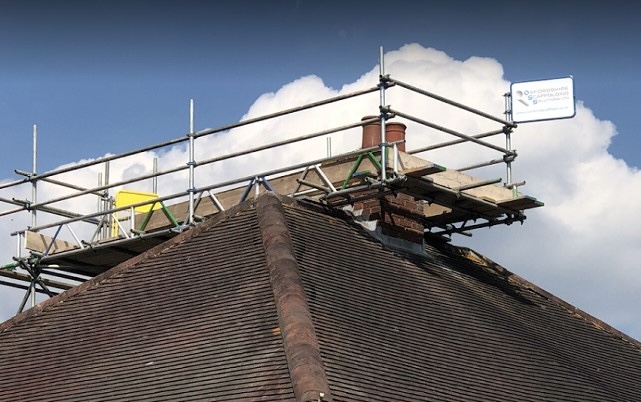
The MAJ Roof Scaffold System is a specialized scaffolding solution designed to provide a safe and stable working platform for roofers. It's engineered to work on various roof types, including shingle, tile, and metal roofs, with pitches between 8/12, 10/12, 12/12, and 14/12. The system distinguishes itself through its design which allows roofing materials to slide underneath the scaffold rails for fast removal and installation. This feature alone can significantly speed up the roof replacement process. Instead of having to manually lift and maneuver heavy roofing materials over or around the scaffolding, roofers can simply slide them along the roof surface, significantly reducing physical strain and the risk of back injuries. Furthermore, the MAJ system emphasizes worker safety with robust construction and compatibility with OSHA-rated planks, ensuring a secure working environment that meets industry safety standards.
Key Components of the MAJ Roof Scaffold System
Understanding the components of the MAJ Roof Scaffold System is crucial to appreciating its ease of setup. The standard system includes:
- Rails: The primary horizontal support elements of the scaffold. (6 rails) These rails are typically constructed from high-strength steel or aluminum for durability and load-bearing capacity.
- Joining Brackets: Used to connect the rails together, creating a continuous scaffold run. (4 joining brackets) These brackets ensure a seamless connection between the rails, providing a stable and uniform platform.
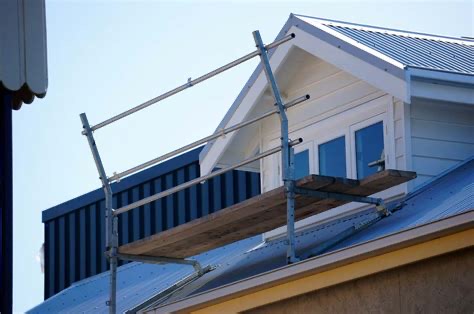
- Plank Mount Brackets: These brackets provide a secure platform for attaching the scaffold planks. (8 plank mount brackets) The plank mount brackets are designed to accommodate standard-sized scaffold planks, providing a safe and comfortable working surface for roofers.
- Ridge Mount Brackets: Specifically designed to attach the scaffold to the roof ridge, ensuring stability. (2 ridge mount brackets) The ridge mount brackets are engineered to provide a secure and reliable connection to the roof's structural peak, distributing the load evenly and preventing the scaffold from shifting.
- Locking Pins: Spring-loaded locking pins are used to secure all connections, ensuring a firm and reliable assembly. (18 spring-loaded locking pins) These pins provide a quick and easy way to lock the components together, without the need for tools or specialized skills.
Optional larger brackets are available directly from the manufacturer to hold an 18" board, providing additional platform width for increased worker comfort and safety.
Ease of Setup: A Step-by-Step Overview
The MAJ Roof Scaffold System is designed for relatively quick and straightforward setup, although, as with any scaffolding system, proper training and adherence to safety guidelines are essential. Here's a general overview of the setup process:
1. Preparation: Ensure the worksite is clear of obstructions and that you have all the necessary components and tools. Inspect all components for damage before beginning installation. A thorough inspection will help identify any potential issues and prevent accidents during setup.
2. Ridge Mount Installation: Attach the ridge mount brackets to the roof ridge, ensuring they are securely fastened. The security of the ridge mount brackets is critical for the overall stability of the scaffold. Use appropriate fasteners and techniques to ensure a solid connection.
3. Rail Installation: Slide roofing materials underneath scaffold rails. Attach the rails to the ridge mount brackets and connect them using the joining brackets. Use the spring-loaded locking pins to secure all connections. Ensure that the rails are properly aligned and that the joining brackets are securely fastened.
4. Plank Mount Installation: Attach the plank mount brackets to the rails at appropriate intervals (the manufacturer recommends spacing the 2"x10" planks at eight-foot intervals). Position the plank mount brackets to provide adequate support for the scaffold planks and ensure a level working surface.
5. Plank Placement: Place OSHA-rated planks onto the plank mount brackets, ensuring they are securely seated and meet OSHA guidelines. Using OSHA-rated planks is essential for worker safety and compliance with industry regulations.
6. Safety Checks: Double-check all connections and ensure the scaffold is stable before use. Install any additional safety features, such as guardrails and toe boards, as required by local regulations. A comprehensive safety check is crucial before allowing workers onto the scaffold.
Factors Contributing to Ease of Setup
Several factors contribute to the relative ease of setting up the MAJ Roof Scaffold System:
- Modular Design: The system's modular design allows for quick assembly and disassembly, reducing the amount of time and labor required for setup.
- Spring-Loaded Locking Pins: The spring-loaded locking pins simplify and speed up connections, eliminating the need for tools or specialized skills.
- Roofing Material Compatibility: The design which allows roofing materials to slide underneath scaffold rails eliminates the need for complex workarounds or modifications, streamlining the roof replacement process.
- Relatively Lightweight Components: Compared to heavy-duty scaffolding systems, the MAJ system's components are relatively lightweight, making them easier to handle and maneuver, reducing worker fatigue and improving efficiency.
Safety Features and Considerations
While the MAJ Roof Scaffold System aims for easy setup, safety should always be the top priority. Key safety features and considerations include:
- OSHA Compliance: The manufacturer recommends using OSHA-rated planks and following local governing laws. Adhering to OSHA guidelines is essential for ensuring a safe working environment and avoiding penalties.
- Ridge Mount Stability: Securely attaching the scaffold to the roof ridge is crucial for stability. Use appropriate fasteners and techniques to ensure a solid and reliable connection.
- Secure Connections: Ensuring all connections are properly locked with the spring-loaded pins is essential. A thorough inspection of all connections will help prevent accidents and ensure the scaffold remains stable throughout the project.
- Guardrails and Toe Boards: Install guardrails and toe boards to prevent falls and protect workers below. Guardrails and toe boards are essential safety features that provide a physical barrier and prevent tools and materials from falling off the scaffold.
- Load Capacity: Never exceed the maximum load capacity of the scaffold system. Distribute weight evenly across the platform to avoid overloading.
- Weather Conditions: Avoid using the scaffold in windy or adverse weather conditions. Wind can create instability and increase the risk of accidents.
- Proper Training: Ensure all workers are properly trained in the safe setup and use of the MAJ Roof Scaffold System. Training should cover topics such as hazard recognition, proper installation techniques, fall protection, and emergency procedures.
Comparison with Traditional Scaffolding Methods
Traditional scaffolding methods, such as frame scaffolding or tube and clamp scaffolding, can be more complex and time-consuming to set up compared to the MAJ Roof Scaffold System. Traditional systems often require specialized skills and tools, and they may not be as adaptable to different roof types or geometries. The MAJ system's modular design and roofing material compatibility offer significant advantages in terms of ease of setup and efficiency.
Potential Challenges
While the MAJ Roof Scaffold System is designed for ease of setup, some potential challenges may arise:
- Uneven Roof Surfaces: Leveling the scaffold on uneven roof surfaces may require additional effort. Using shims or adjustable leveling devices can help compensate for uneven surfaces.
- Complex Roof Geometries: Adapting the system to complex roof geometries may require additional components or modifications. Consulting with the manufacturer or a qualified scaffolding professional can help identify solutions for complex projects.
- Limited Height Capacity: The MAJ system may not be suitable for very tall or steep roofs. For projects that exceed the system's height capacity, alternative scaffolding solutions may be necessary.
Conclusion
The MAJ Roof Scaffold System offers a promising solution for roof replacement projects, aiming to balance ease of setup with robust safety features. Its modular design, spring-loaded locking pins, and roofing material compatibility contribute to a relatively straightforward installation process. The system's design features and compatibility improve safety and efficiency. However, it's crucial to prioritize safety by following all manufacturer's instructions, adhering to OSHA guidelines, and ensuring proper training for all workers. By carefully considering these factors and comparing the MAJ system with traditional scaffolding methods, contractors can determine whether the MAJ Roof Scaffold System is the right choice for their specific needs and project requirements.
FAQ
1. What roof types is the MAJ Roof Scaffold System compatible with?
The MAJ Roof Scaffold System works on all shingle, tile, and metal roofs with pitches between 8/12, 10/12, 12/12 and 14/12.
2. What plank sizes can the MAJ Roof Scaffold System hold?
The system can hold plank sizes of 2"×10" spaced at eight-foot intervals, and 2"×12". Larger brackets to hold an 18" board are available directly from the manufacturer.
3. What is the warranty on the MAJ Roof Scaffold System?
The MAJ Scaffolding System comes with a 20-year warranty against manufacturing defects. This warranty demonstrates the manufacturer's confidence in the durability and reliability of their product.
4. What safety precautions should be taken when using the MAJ Roof Scaffold System?
Safety precautions include using OSHA-rated planks, following local governing laws, ensuring all connections are secure, installing guardrails and toe boards, never exceeding the load capacity, avoiding use in adverse weather conditions, and ensuring all workers are properly trained. Prioritizing safety is essential for preventing accidents and ensuring a safe working environment.
5. Where can I purchase larger brackets for the MAJ Roof Scaffold System?
Larger brackets to hold an 18" board are available factory direct. Please contact Customer Partner at 800-247-3305 for alternatives or expected availability. These larger brackets can provide additional platform width and improve worker comfort and safety.
Citations:
[1] https://www.copperfield.com/maj-chimney-scaffolding-system/
[2] https://layherna.com/protective-systems/
[3] https://www.familyhandyman.com/project/how-to-work-with-scaffolding-safely/
[4] https://layher.ca
[5] https://nasc.org.uk/wp-content/uploads/2015/11/TG9-12-Guide-to-the-design-and-construction-of-temporary-roofs-and-buildings-xa.pdf
[6] https://scaffolding.ca/experience/temporary-roofs/
[7] https://www.youtube.com/watch?v=SNI_WoQhbog
[8] https://www.pinterest.com/pin/82-maj-roof-scaffold-system-for-metal-roofs-youtube--497366352595550673/
[9] https://www.ihsa.ca/rtf/health_safety_manual/pdfs/equipment/Scaffolds.pdf