Content Menu
● Introduction to Aluminum Scaffolding Planks
>> Advantages of Aluminum Scaffolding Planks
>> Factors Affecting the Lifespan of Aluminum Scaffolding Planks
● Maintenance Strategies for Aluminum Scaffolding Planks
● Benefits of Aluminum Scaffolding Planks Over Other Materials
● Case Studies: Successful Use of Aluminum Scaffolding Planks
● Future Developments in Aluminum Scaffolding Planks
● Conclusion
● FAQ
>> 1. What is the typical lifespan of aluminum scaffolding planks?
>> 2. How do environmental conditions affect aluminum scaffolding planks?
>> 3. What maintenance practices are recommended for aluminum scaffolding planks?
>> 4. Why are aluminum scaffolding planks preferred over wooden planks?
>> 5. Can aluminum scaffolding planks be used in wet conditions?
● Citations:
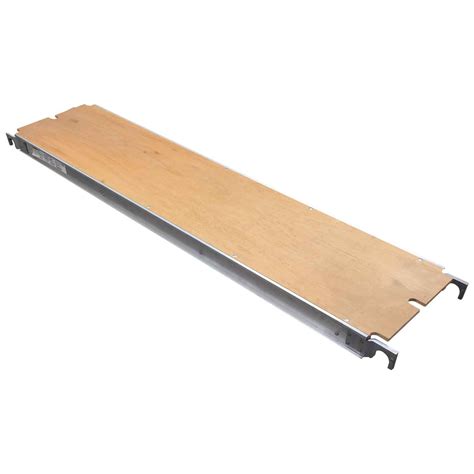
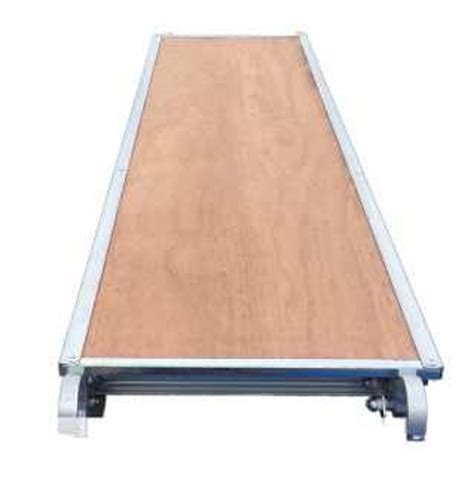
Aluminum scaffolding planks are a crucial component in the construction industry, known for their durability, lightweight nature, and resistance to corrosion. These planks are designed to provide a safe and efficient working platform for various tasks, from bricklaying to window installation. In this article, we will explore the factors that affect the lifespan of aluminum scaffolding planks, discuss maintenance strategies, and examine the benefits of using these planks over other materials.
Introduction to Aluminum Scaffolding Planks
Aluminum scaffolding planks are favored for their ability to withstand harsh environmental conditions without significant deterioration. Unlike wooden planks, which can rot or warp over time, aluminum planks maintain their structural integrity even when exposed to moisture and extreme temperatures. This makes them an ideal choice for both indoor and outdoor construction projects.
Advantages of Aluminum Scaffolding Planks
1. Durability and Longevity: Aluminum planks are renowned for their long lifespan, often lasting for several years with proper maintenance. They are resistant to rust and corrosion, which significantly extends their service life compared to steel or wooden alternatives.
2. Lightweight and Portable: Aluminum planks are much lighter than steel or wood, making them easier to transport and set up on construction sites. This portability enhances efficiency and reduces labor costs.
3. Cost-Effectiveness: The long lifespan of aluminum planks eliminates the frequent replacement costs associated with other materials. This cost-effectiveness is a significant advantage in the construction industry, where budget constraints are common.
4. Safety: Aluminum planks are designed with safety in mind. They often feature rubber grip strips to enhance stability and prevent slipping, ensuring a secure working environment for construction workers.
5. Versatility: Aluminum scaffolding planks can be used in a variety of settings, from residential projects to large-scale commercial construction sites. Their versatility makes them a valuable asset for any construction team.
Factors Affecting the Lifespan of Aluminum Scaffolding Planks
Several factors can influence the lifespan of aluminum scaffolding planks:
1. Material Quality: The quality of the aluminum used in the planks is crucial. High-grade aluminum is more resistant to corrosion and wear, extending the lifespan of the planks.
2. Environmental Conditions: Exposure to harsh weather conditions, such as heavy rain or extreme temperatures, can affect the lifespan of aluminum planks. However, their resistance to corrosion helps mitigate these impacts.
3. Maintenance Practices: Regular inspection and cleaning of the planks are essential to maintain their durability. Any signs of damage should be addressed promptly to prevent accidents.
4. Usage Frequency: The more frequently aluminum planks are used, the faster they may wear out. Proper storage and handling can help extend their lifespan.
5. Storage Conditions: How the planks are stored when not in use can also impact their lifespan. Storing them in a dry, secure location helps prevent damage.
Maintenance Strategies for Aluminum Scaffolding Planks
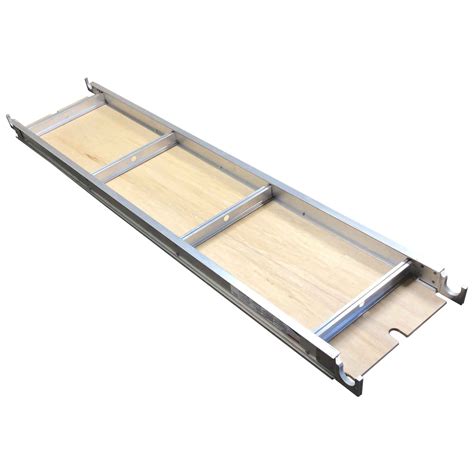
To maximize the lifespan of aluminum scaffolding planks, it is important to follow a few key maintenance strategies:
1. Regular Inspection: Check the planks for any signs of damage, such as cracks, dents, or bent edges. Replace any damaged planks immediately to ensure safety.
2. Cleaning: Use a mild detergent solution and a soft brush to clean the planks regularly. This helps remove dirt and debris that could lead to corrosion.
3. Proper Storage: Store the planks in a dry, secure location when not in use. Avoid stacking them in a way that could cause damage or bending.
4. Weight Capacity: Ensure that the weight capacity of the planks is not exceeded. Overloading can lead to structural damage and reduce the lifespan of the planks.
5. Handling Techniques: Train workers on proper handling techniques to avoid dropping or dragging the planks, which can cause unnecessary wear.
Benefits of Aluminum Scaffolding Planks Over Other Materials
Aluminum scaffolding planks offer several benefits over traditional materials like wood or steel:
1. Corrosion Resistance: Unlike steel, aluminum planks do not rust, making them suitable for use in damp or wet conditions.
2. Lightweight: Aluminum is significantly lighter than steel, making it easier to handle and transport.
3. Durability: Aluminum planks are more durable than wooden planks, which can rot or warp over time.
4. Cost-Effectiveness: The long lifespan of aluminum planks reduces the need for frequent replacements, saving costs in the long run.
5. Environmental Impact: Aluminum is recyclable, making it a more environmentally friendly option compared to wood, which may come from unsustainable sources.
Case Studies: Successful Use of Aluminum Scaffolding Planks
Several construction projects have successfully utilized aluminum scaffolding planks to enhance efficiency and safety:
1. Residential Renovation: In a residential renovation project, aluminum planks were used to create a stable working platform for roof repairs. The lightweight nature of the planks made them easy to maneuver around the site, reducing labor costs and improving project timelines.
2. Commercial Building Construction: A large commercial building project used aluminum scaffolding planks extensively for exterior work. The durability and corrosion resistance of the planks ensured that they remained in good condition throughout the project, despite exposure to harsh weather conditions.
3. Historic Building Restoration: In the restoration of a historic building, aluminum planks were chosen for their lightweight and non-invasive nature. This allowed workers to access high areas without damaging the building's facade, preserving its historical integrity.
Future Developments in Aluminum Scaffolding Planks
As technology advances, there are ongoing efforts to improve the design and materials of aluminum scaffolding planks:
1. Enhanced Materials: Researchers are exploring new aluminum alloys that offer even greater strength and durability, potentially extending the lifespan of scaffolding planks further.
2. Innovative Designs: New designs are being developed to enhance safety features, such as improved grip surfaces and integrated safety rails.
3. Sustainability: There is a growing focus on using recycled aluminum to produce scaffolding planks, reducing waste and environmental impact.
Conclusion
Aluminum scaffolding planks are a valuable asset in the construction industry due to their durability, lightweight nature, and cost-effectiveness. By understanding the factors that affect their lifespan and implementing proper maintenance strategies, construction companies can maximize the service life of these planks. Whether used in residential projects or large-scale construction sites, aluminum scaffolding planks provide a safe and efficient working platform that can withstand various environmental conditions.
FAQ
1. What is the typical lifespan of aluminum scaffolding planks?
Aluminum scaffolding planks can last for several years, typically up to 10 years or more, depending on usage and maintenance.
2. How do environmental conditions affect aluminum scaffolding planks?
Environmental conditions like rain or extreme temperatures can impact the lifespan of aluminum planks, but their resistance to corrosion helps mitigate these effects.
3. What maintenance practices are recommended for aluminum scaffolding planks?
Regular inspection for damage, cleaning with mild detergent, and proper storage are essential to maintain the durability of aluminum planks.
4. Why are aluminum scaffolding planks preferred over wooden planks?
Aluminum planks are preferred due to their durability, resistance to corrosion, and lightweight nature, which makes them easier to handle and transport.
5. Can aluminum scaffolding planks be used in wet conditions?
Yes, aluminum scaffolding planks can be used in wet conditions due to their resistance to corrosion, making them suitable for projects where moisture is present.
Citations:
[1] https://www.grscaffolding.com/What-is-the-service-life-of-aluminum-scaffolding-id3475898.html
[2] https://www.youtube.com/watch?v=gJKXUuu0uO0
[3] https://www.sohu.com/a/372324657_770312
[4] https://www.dragontruss.com/How-long-does-aluminum-mobile-scaffolding-last-id46416837.html
[5] https://www.youtube.com/watch?v=SidMMFpkBz8
[6] https://www.sohu.com/a/340156487_770312
[7] https://www.tytruss.com/newsclass_2/Durability-Longevity-Scaffolding-Aluminum-Planks.shtml
[8] https://www.youtube.com/watch?v=XIWCovueNFQ