Content Menu
● What Is Articulated Ladder Scaffolding?
● Key Safety Features of Articulated Ladder Scaffolding
>> Locking Hinges and Joints
>> Load Capacity
>> Slip-Resistant Feet and Rungs
>> Versatility and Stability
● Common Uses of Articulated Ladder Scaffolding in Home Projects
● Safety Concerns and Risks
● Best Practices for Safe Use of Articulated Ladder Scaffolding
>> 1. Inspect Before Use
>> 2. Follow Manufacturer Instructions
>> 3. Set Up on Stable, Level Ground
>> 4. Maintain Three Points of Contact
>> 5. Use Fall Protection When Necessary
● Articulated Ladder Scaffolding vs. Traditional Scaffolding
● Maintenance Tips for Articulated Ladder Scaffolding
● Conclusion
● FAQ
>> 1. How safe is articulated ladder scaffolding for home projects?
>> 2. Can articulated ladder scaffolding be used on uneven ground?
>> 3. What should I check before using an articulated ladder scaffold?
>> 4. Is fall protection necessary when using articulated ladder scaffolding?
>> 5. How often should I maintain and inspect my articulated ladder scaffolding?
Articulated ladder scaffolding has become increasingly popular for home projects due to its versatility, portability, and ease of use. However, safety remains a paramount concern for homeowners and DIY enthusiasts who consider using articulated ladder scaffolding. This comprehensive article explores the safety aspects of articulated ladder scaffolding, best practices for use, common hazards, and tips to ensure secure and efficient operation in home environments.
What Is Articulated Ladder Scaffolding?
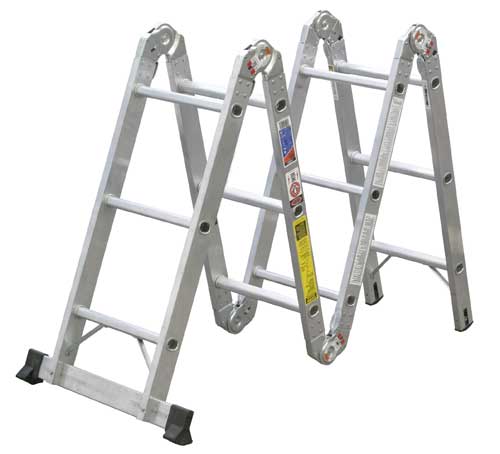
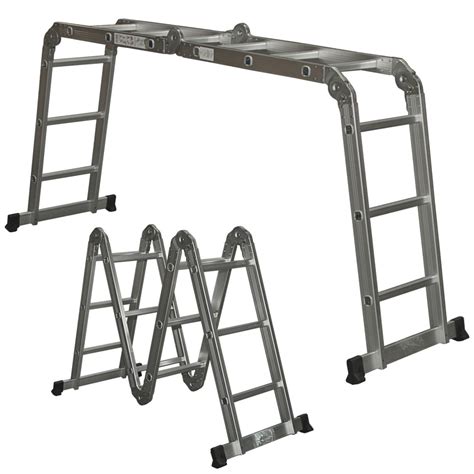
An articulated ladder scaffolding is a multi-purpose ladder system featuring hinged joints (articulations) that allow it to be configured in various shapes and heights. It can transform into a straight ladder, extension ladder, stepladder, or even a scaffold platform, making it highly adaptable for different tasks.
The locking mechanisms on the joints secure the ladder in place, preventing accidental collapse and providing stability during use.
Key Safety Features of Articulated Ladder Scaffolding
Locking Hinges and Joints
The core safety feature of articulated ladder scaffolding is its locking hinges. These joints lock firmly to maintain the ladder's shape and prevent unintended folding or movement during use. Properly functioning locking mechanisms are essential to prevent falls and injuries.
Load Capacity
Most articulated ladder scaffolds are designed to support a minimum load of 300 pounds (including the user and tools), complying with OSHA and ANSI standards. This ensures the ladder can safely hold the weight of one or two workers, depending on the configuration.
Slip-Resistant Feet and Rungs
Rubberized or slip-resistant feet provide a stable grip on various surfaces, reducing the risk of slipping. Additionally, rungs often feature textured surfaces to enhance footing security.
Versatility and Stability
The ability to adjust the ladder to different shapes allows users to work safely on uneven surfaces, stairs, or confined spaces. When used as scaffold platforms, they provide a stable base to stand on for extended periods.
Common Uses of Articulated Ladder Scaffolding in Home Projects
- Painting walls and ceilings.
- Cleaning gutters and windows.
- Installing or repairing roofing.
- Accessing tight or awkward spaces.
- Home renovations and repairs.
Safety Concerns and Risks
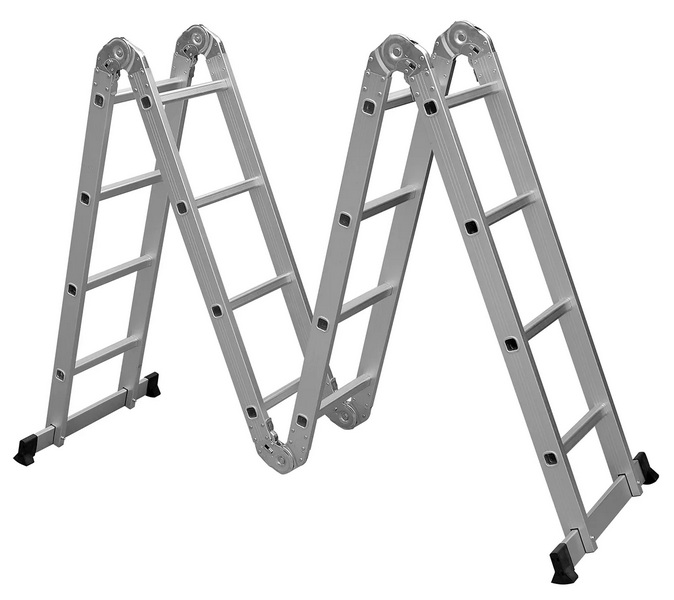
Despite its benefits, articulated ladder scaffolding poses risks if not used properly:
- Incorrect Locking: Failure to securely lock the joints can cause sudden collapse.
- Overloading: Exceeding weight limits can compromise stability.
- Improper Setup: Uneven ground or unstable surfaces increase the risk of tipping.
- Lack of Training: Users unfamiliar with articulated ladders may misuse or mishandle them.
- Environmental Factors: Wet, icy, or windy conditions can affect ladder stability.
Best Practices for Safe Use of Articulated Ladder Scaffolding
1. Inspect Before Use
- Check all locking hinges and joints for damage or wear.
- Ensure feet and rungs are clean and slip-resistant.
- Verify that all locking mechanisms engage fully.
2. Follow Manufacturer Instructions
- Adhere to specified weight limits.
- Use the ladder only in configurations recommended by the manufacturer.
- Avoid modifications that may weaken the structure.
3. Set Up on Stable, Level Ground
- Use ladder levelers or stabilizers on uneven surfaces.
- Avoid soft or slippery ground unless additional support is provided.
4. Maintain Three Points of Contact
- Always keep two feet and one hand or two hands and one foot on the ladder.
- Avoid carrying heavy or awkward loads while climbing.
5. Use Fall Protection When Necessary
- For work above 10 feet, consider guardrails or personal fall arrest systems.
- Use scaffolding platforms with guardrails for extended work at height.
Articulated Ladder Scaffolding vs. Traditional Scaffolding
| Feature | Articulated Ladder Scaffolding | Traditional Scaffolding |
| Portability | Highly portable and foldable | Bulkier and less portable |
| Setup Time | Quick to set up and adjust | Longer assembly time |
| Versatility | Multiple configurations for various tasks | Fixed configurations |
| Stability | Stable if properly locked and set up | Generally more stable for large-scale work |
| Weight Capacity | Typically supports up to 300 lbs | Can support heavier loads |
| Ideal Use | Small to medium home projects | Large construction projects |
Maintenance Tips for Articulated Ladder Scaffolding
- Store in a dry place to prevent rust and corrosion.
- Lubricate hinges and locking mechanisms regularly.
- Replace worn or damaged parts immediately.
- Clean rungs and feet to maintain grip.
- Periodically test locking functions to ensure reliability.
Conclusion
Articulated ladder scaffolding offers a versatile, portable, and generally safe solution for many home projects when used correctly. Its locking mechanisms, load capacity, and adaptability make it suitable for tasks ranging from painting to roof repairs. However, safety depends heavily on proper setup, regular inspection, adherence to weight limits, and user training. By following best practices and manufacturer guidelines, homeowners can safely leverage articulated ladder scaffolding to complete their projects efficiently and securely.
FAQ
1. How safe is articulated ladder scaffolding for home projects?
When properly used and maintained, articulated ladder scaffolding is safe for most home projects, supporting up to 300 lbs and featuring locking joints for stability.
2. Can articulated ladder scaffolding be used on uneven ground?
Yes, but it should be equipped with ladder levelers or stabilizers to ensure a stable base.
3. What should I check before using an articulated ladder scaffold?
Inspect locking joints, feet, rungs, and ensure all mechanisms are functioning and securely locked.
4. Is fall protection necessary when using articulated ladder scaffolding?
For work above 10 feet, fall protection such as guardrails or harnesses is recommended.
5. How often should I maintain and inspect my articulated ladder scaffolding?
Inspect before each use and perform regular maintenance, including lubrication and cleaning, to ensure safety.