Content Menu
● What Is a Scaffolding Sleeve Clamp?
● How Sleeve Clamps Work
● Load Capacity and Strength of Sleeve Clamps
>> Load Ratings
>> Comparison Table of Common Scaffold Fittings
● Advantages of Sleeve Clamps
● Limitations Compared to Other Scaffold Fittings
● Applications of Sleeve Clamps
● Industry Standards and Compliance
>> EN 74 and BS 1139
>> OSHA and ANSI
● Installation and Maintenance Tips
● Comparing Sleeve Clamps to Other Scaffold Fittings: Case Studies
>> Case Study 1: Construction Site Ledger Extension
>> Case Study 2: Industrial Maintenance Bracing
● Innovations in Sleeve Clamp Design
● Environmental Impact and Sustainability
● Conclusion
● FAQ
>> 1. How strong is a scaffolding sleeve clamp compared to a right-angle clamp?
>> 2. Can sleeve clamps be used for diagonal bracing?
>> 3. Are sleeve clamps reusable?
>> 4. What standards govern the strength of scaffolding sleeve clamps?
>> 5. How do I maintain scaffolding sleeve clamps to ensure longevity?
Scaffolding systems rely heavily on the strength and reliability of their fittings to ensure safety and structural integrity. Among these fittings, the scaffolding sleeve clamp plays a vital role in joining scaffold tubes end-to-end, allowing for extended lengths and flexible configurations. This article provides a comprehensive analysis of the strength of sleeve clamps compared to other scaffold fittings, examining their design, load capacities, applications, standards, and maintenance.
What Is a Scaffolding Sleeve Clamp?
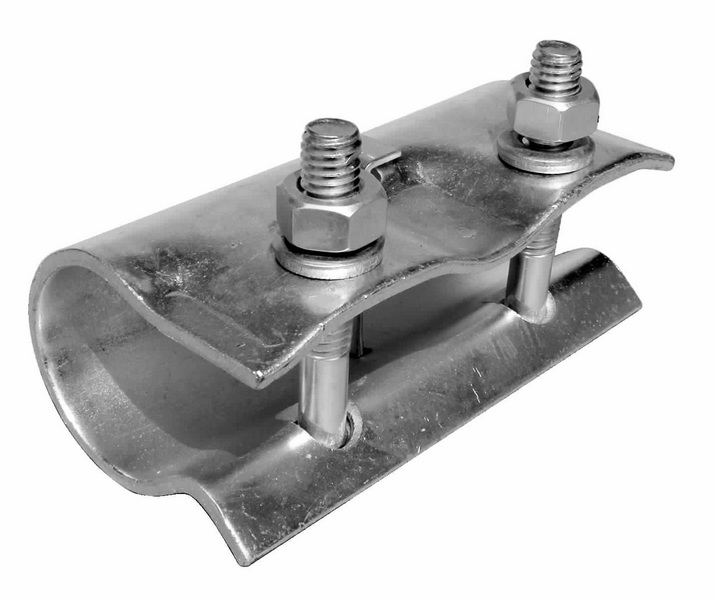
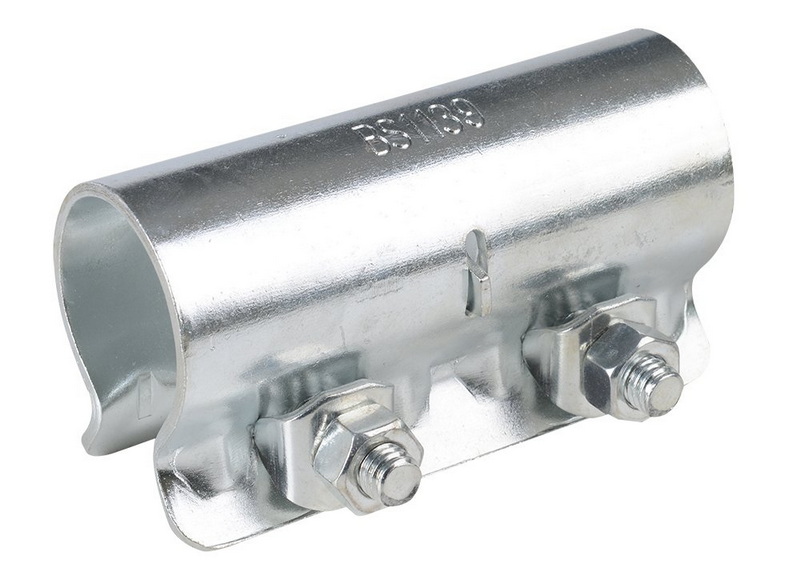
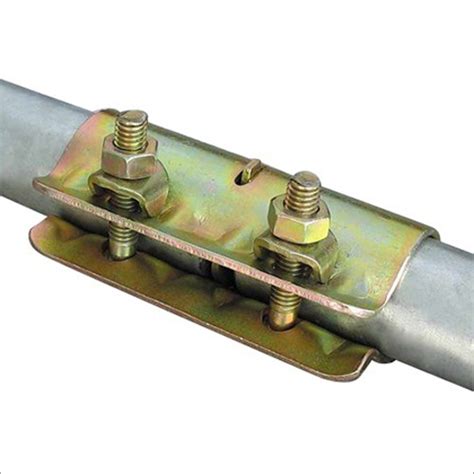
A scaffolding sleeve clamp, also known as a sleeve coupler or spigot coupler, is a fitting designed to join two scaffold tubes in a linear, end-to-end fashion. Unlike right-angle or swivel clamps that join tubes at angles, sleeve clamps slide over the ends of two tubes and are tightened to create a rigid, continuous length.
Key Features:
- Design: Typically a two-piece or one-piece forged or pressed steel fitting.
- Function: Extends the length of scaffold tubes by securely connecting their ends.
- Material: High-strength steel, often zinc-plated or hot-dip galvanized for corrosion resistance.
- Weight: Generally lighter than swivel or right-angle clamps, around 1.0 kg per clamp (e.g., Wellmade WSLV48 weighs 1.00 kg).
How Sleeve Clamps Work
Sleeve clamps fit over the ends of two scaffold tubes, overlapping them slightly. Bolts or screws on the clamp are tightened to compress the tubes, creating a secure, slip-resistant joint. This joint allows the scaffold tube to behave almost like a single continuous piece, essential for maintaining structural integrity in extended scaffold sections.
Load Capacity and Strength of Sleeve Clamps
Load Ratings
- Sleeve clamps are generally rated as Class B fittings under EN 74 standards, meaning they have a slip resistance of at least 9 kN (kilonewtons).
- This load capacity is sufficient for most ledger and bracing members in scaffolding.
- Compared to right-angle and swivel clamps (which may have higher load capacities, up to 15-20 kN), sleeve clamps are designed primarily for axial load transfer rather than angular or lateral loads.
Comparison Table of Common Scaffold Fittings
| Scaffold Fitting Type | Typical Weight (kg) | Load Capacity (kN) | Primary Use |
| Sleeve Clamp | ~1.0 | ≥ 9 | End-to-end tube connection |
| Right-Angle Clamp | 1.8 - 2.2 | 15 - 20 | Connecting tubes at 90° angles |
| Swivel Clamp | 2.0 - 3.0 | 15 - 20 | Connecting tubes at variable angles |
| Beam Clamp | ~2.0 | 15 - 20 | Attaching tubes to beams |
Advantages of Sleeve Clamps
- Lightweight: Easier to handle and install compared to heavier clamps.
- Simple Design: Fewer moving parts reduce maintenance issues.
- Strong Axial Connection: Excellent for extending tube lengths without compromising strength.
- Cost-Effective: Generally less expensive than swivel or right-angle clamps.
- Corrosion Resistance: Zinc plating or hot-dip galvanizing extends service life.
Limitations Compared to Other Scaffold Fittings
- Limited Angular Flexibility: Sleeve clamps only connect tubes in a straight line and cannot accommodate angled connections.
- Lower Slip Resistance Under Angular Loads: Not designed for bracing or diagonal connections where lateral forces are significant.
- Not Suitable for Complex Scaffold Geometries: Swivel and right-angle clamps are preferred for irregular or complex scaffolding shapes.
Applications of Sleeve Clamps
- Ledger Extensions: Joining ledger tubes end-to-end to span longer distances.
- Bracing Members: Extending braces where straight-line connections are required.
- Temporary Repairs: Quickly replacing damaged scaffold tubes by joining shorter sections.
- Modular Scaffold Systems: Providing flexibility in tube length customization.
Industry Standards and Compliance
EN 74 and BS 1139
- Sleeve clamps must comply with EN 74 Class B or higher to ensure adequate slip resistance and load capacity.
- BS 1139 specifies manufacturing and testing requirements for scaffold fittings in the UK.
- Compliance ensures clamps can safely support expected loads and environmental conditions.
OSHA and ANSI
- Scaffold fittings used in the US must meet OSHA and ANSI standards, which emphasize load capacity, material quality, and safety.
- Sleeve clamps meeting these standards are suitable for use in regulated construction environments.
Installation and Maintenance Tips
- Proper Tightening: Use torque wrenches to tighten bolts to manufacturer specifications to prevent slippage.
- Regular Inspection: Check for corrosion, cracks, or deformation.
- Lubrication: Apply anti-seize compounds to bolts to prevent galling and ease disassembly.
- Storage: Keep clamps dry and clean to maximize lifespan.
- Replacement: Remove and replace clamps showing signs of wear or damage.
Comparing Sleeve Clamps to Other Scaffold Fittings: Case Studies
Case Study 1: Construction Site Ledger Extension
A construction site required extending ledger tubes beyond standard lengths. Sleeve clamps were used to join tubes end-to-end, providing a seamless extension with sufficient load capacity. The lightweight nature of sleeve clamps facilitated quick assembly, reducing labor time.
Case Study 2: Industrial Maintenance Bracing
In an industrial plant, diagonal bracing required angular connections. Swivel clamps were preferred over sleeve clamps due to their ability to connect tubes at variable angles and withstand lateral loads.
Innovations in Sleeve Clamp Design
- Pressed Steel Sleeve Clamps: Manufactured by pressing steel sheets, offering cost advantages and consistent quality.
- Forged Sleeve Clamps: Provide superior strength and durability, ideal for heavy-duty applications.
- Coating Technologies: Advanced galvanization and powder coatings improve corrosion resistance.
- Universal Sleeve Clamps: Emerging designs aim to accommodate slight variations in tube diameters, enhancing versatility.
Environmental Impact and Sustainability
The sustainability of scaffolding components is gaining importance in the construction industry. Sleeve clamps made from recyclable steel and coated with environmentally friendly finishes contribute to reducing the carbon footprint. Their durability also minimizes waste by extending the service life of scaffolding systems.
Conclusion
The scaffolding sleeve clamp is a strong, reliable, and cost-effective fitting primarily used for end-to-end tube connections in scaffolding systems. While it offers excellent axial load capacity and ease of installation, its strength and flexibility differ from other fittings like right-angle and swivel clamps, which handle angular and lateral loads more effectively. Understanding the specific role and limitations of sleeve clamps is essential for safe scaffold design and operation. By choosing the appropriate clamp type for the application and adhering to industry standards, scaffolders can ensure structural integrity and worker safety.
FAQ
1. How strong is a scaffolding sleeve clamp compared to a right-angle clamp?
Sleeve clamps typically have a load capacity of around 9 kN, which is lower than right-angle clamps that can handle 15-20 kN, as sleeve clamps are designed for axial loads only.
2. Can sleeve clamps be used for diagonal bracing?
No, sleeve clamps are intended for end-to-end connections and are not suitable for angled or diagonal bracing; swivel clamps are preferred for such applications.
3. Are sleeve clamps reusable?
Yes, sleeve clamps are durable and can be reused multiple times if properly maintained and inspected.
4. What standards govern the strength of scaffolding sleeve clamps?
Standards such as EN 74 Class B and BS 1139 specify the manufacturing and load capacity requirements for sleeve clamps.
5. How do I maintain scaffolding sleeve clamps to ensure longevity?
Regular inspection for wear, corrosion, proper tightening, lubrication of bolts, and storage in dry conditions help maintain sleeve clamps.