Content Menu
● Introduction to Scaffolding Tubes
● Mechanical Properties of EN39 Tubes
● Coatings and Markings
● Applications of Scaffolding Tubes
● Tube and Clamp Scaffolding
● Benefits of Tube and Clamp Scaffolding
● Modular Scaffolding Systems
● Safety Considerations
● Safety Standards and Regulations
● Common Hazards and Precautions
● Regular Maintenance
● Environmental Considerations
● Recycling of Scaffolding Tubes
● Sustainable Practices
● Innovations in Scaffolding Technology
● Advanced Materials
● Digital Solutions
● Conclusion
● FAQ
>> 1. What are the common sizes of scaffolding tubes?
>> 2. How are scaffolding tubes coated?
>> 3. What are the benefits of using tube and clamp scaffolding?
>>> 4. What safety standards should scaffolding comply with?
>> 5. How are scaffolding tubes marked?
● Citations:
Scaffolding tubes are a crucial component in construction, providing temporary support and access platforms for workers. The strength and durability of these tubes are essential for ensuring safety and efficiency on construction sites. In this article, we will delve into the properties, applications, and safety considerations of scaffolding tubes, exploring how strong they are and why they are indispensable in the construction industry.
Introduction to Scaffolding Tubes
Scaffolding tubes are typically made from steel or aluminum, with the most common size being 48.3mm in diameter. These tubes are designed to meet specific European standards, such as EN39 for steel tubes, which specify requirements for mechanical properties, dimensions, and coatings.
Mechanical Properties of EN39 Tubes
EN39 tubes have a minimum yield strength of 235 N/mm² and a tensile strength ranging from 340 to 520 N/mm². They also have a minimum elongation of 24%, ensuring flexibility under stress. These properties make them suitable for withstanding various loads and environmental conditions on construction sites.
Coatings and Markings
EN39 tubes are often hot-dip galvanized to enhance corrosion resistance. The galvanizing process follows standards like EN10240 or EN ISO1461, with a minimum coating thickness of 40 microns on the outside surface. Tubes are marked at regular intervals with information such as the standard number, manufacturer's name, and wall thickness type.
Applications of Scaffolding Tubes
Scaffolding tubes are used in a variety of construction projects, from residential buildings to large-scale infrastructure developments. They are versatile and can be easily assembled and disassembled, making them ideal for temporary structures.
Tube and Clamp Scaffolding
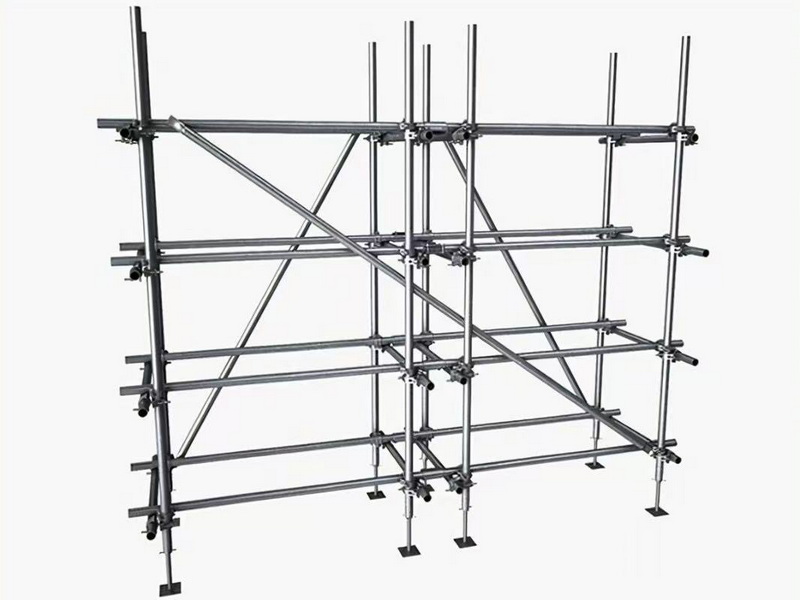
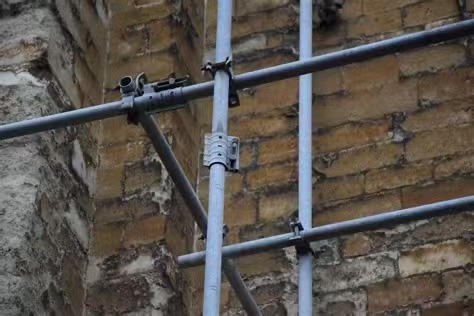
Tube and clamp scaffolding is a popular system that uses steel or aluminum tubes connected by clamps. This system allows for flexibility in design and can be built to reach heights of over 60 meters. The clamps provide secure connections, ensuring stability and safety for workers.
Benefits of Tube and Clamp Scaffolding
- Strength and Reliability: The combination of steel tubes and high-quality clamps provides a strong and stable platform for workers.
- Flexibility and Customization: Tubes can be cut to different lengths, allowing the scaffolding to be tailored to specific project needs.
- Easy Setup and Takedown: The modular design makes it quick to assemble and disassemble, saving time on construction sites.
- Safety: The secure connections and stable structure ensure a safe working environment for workers.
Modular Scaffolding Systems
In addition to tube and clamp systems, modular scaffolding systems are gaining popularity. These systems use pre-fabricated components that can be easily connected to form complex structures. Modular systems offer enhanced speed in setup and takedown, making them ideal for projects with tight deadlines.
Safety Considerations
Safety is paramount when using scaffolding tubes. Proper installation, regular maintenance, and adherence to safety standards are crucial to prevent accidents.
Safety Standards and Regulations
Scaffolding must comply with local and international standards, such as BS EN 12811-2 in the UK. These standards cover aspects like load capacities, structural integrity, and safety equipment.
Common Hazards and Precautions
- Structural Failure: Ensure that scaffolding is properly assembled and maintained to prevent collapse.
- Falls: Use safety nets and personal protective equipment to protect workers from falls.
- Electrical Hazards: Keep scaffolding away from power lines to avoid electrical shocks.
Regular Maintenance
Regular inspections and maintenance are essential to ensure the longevity and safety of scaffolding tubes. This includes checking for signs of wear, corrosion, or damage, and replacing any compromised components promptly.
Environmental Considerations
Scaffolding tubes can have environmental impacts, particularly if they are not properly managed at the end of their life cycle. Recycling and responsible disposal practices can help minimize these impacts.
Recycling of Scaffolding Tubes
Many scaffolding tubes are made from recyclable materials like steel. Recycling these tubes not only conserves resources but also reduces waste and the environmental footprint of construction projects.
Sustainable Practices
Adopting sustainable practices in scaffolding, such as using locally sourced materials and minimizing transportation, can further reduce environmental impacts. Additionally, choosing scaffolding systems that are designed for longevity and reusability can help reduce waste over time.
Innovations in Scaffolding Technology
The scaffolding industry is continuously evolving, with innovations aimed at improving safety, efficiency, and sustainability. Advances in materials science and technology are leading to the development of lighter, stronger, and more durable scaffolding tubes.
Advanced Materials
New materials like high-strength aluminum alloys and advanced steel composites are being explored for scaffolding applications. These materials offer improved strength-to-weight ratios, allowing for lighter scaffolding that is easier to transport and assemble.
Digital Solutions
Digital technologies, such as building information modeling (BIM) and virtual reality, are being integrated into scaffolding design and planning. These tools enable more precise planning, reducing errors and improving safety by simulating scaffolding setups before physical construction begins.
Conclusion
Scaffolding tubes are incredibly strong and versatile, making them a vital component in construction projects. Their mechanical properties, combined with proper coatings and safety measures, ensure that they provide reliable support for workers at heights. Understanding the applications, benefits, and safety considerations of scaffolding tubes is essential for maximizing their potential in the construction industry.
FAQ
1. What are the common sizes of scaffolding tubes?
Scaffolding tubes commonly come in two sizes: 48.3mm and 33.7mm in diameter. The 48.3mm size is the most widely used.
2. How are scaffolding tubes coated?
Scaffolding tubes are often coated with a layer of galvanizing to protect against corrosion. This process typically follows standards like EN10240 or EN ISO1461.
3. What are the benefits of using tube and clamp scaffolding?
Tube and clamp scaffolding offers strength, flexibility, ease of setup, and safety. It can be customized to fit various project needs and is easy to assemble and disassemble.
4. What safety standards should scaffolding comply with?
Scaffolding must comply with local and international standards such as BS EN 12811-2 in the UK. These standards cover aspects like load capacities and structural integrity.
5. How are scaffolding tubes marked?
Scaffolding tubes are marked with information such as the standard number, manufacturer's name, and wall thickness type. These markings are typically made at regular intervals along the tube.
Citations:
[1] https://www.linkedin.com/pulse/en39-scaffolding-tube-you-really-need-know-supply-steel-pipes-
[2] https://www.expertscaffolding.ie/post/tube-and-fitting-scaffolding-frequently-asked-questions
[3] https://blog.csdn.net/weixin_40289064/article/details/79669930
[4] https://www.scaffolding-direct.co.uk/scaffolding-tube-galvanised-steel-2.5m-3.2mm-wall
[5] https://www.grinsulating.com/top-benefits-tube-and-clamp-scaffold/
[6] https://blog.csdn.net/m0_63222058/article/details/135031568
[7] https://www.tubeclampsdirect.co.uk/product/18834/16ft__488cm__3_2mm_wall__d__scaffold_tube___galv_48_3mm_o_d
[8] https://scaffoldtype.com/scaffold-tube/
[9] https://www.yourspreadsheets.co.uk/properties-of-scaffold-members.html