Content Menu
● Introduction to Ringlock Scaffolding
● Key Components of Ringlock Scaffolding
● Safety Considerations
>> Safety Regulations in New Zealand
>> Personal Protective Equipment (PPE)
● Assembly of Ringlock Scaffolding
>> Step-by-Step Assembly Guide
● Dismantling Ringlock Scaffolding
>> Step-by-Step Dismantling Guide
>> Safety Precautions During Dismantling
● Compliance with New Zealand Regulations
● Benefits of Ringlock Scaffolding
● Conclusion
● FAQ
>> 1. What are the key components of Ringlock scaffolding?
>> 2. What safety regulations must be followed in New Zealand?
>> 3. How often should scaffolding be inspected?
>> 4. What are the benefits of using Ringlock scaffolding?
>> 5. Can Ringlock scaffolding be used for heavy loads?
● Citations:
Ringlock scaffolding is a versatile and efficient system widely used in construction and maintenance projects in New Zealand. It offers a modular design that allows for quick assembly and disassembly, making it ideal for various applications, including residential and commercial building sites. This article will guide you through the process of assembling and dismantling Ringlock scaffolding in New Zealand, emphasizing safety and compliance with local regulations.
Introduction to Ringlock Scaffolding
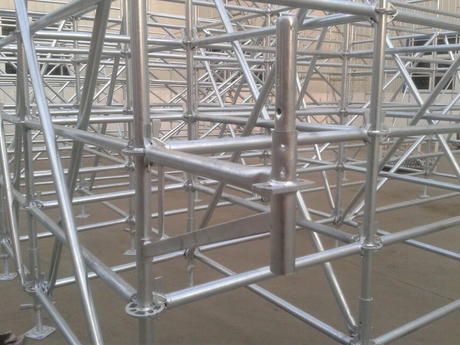
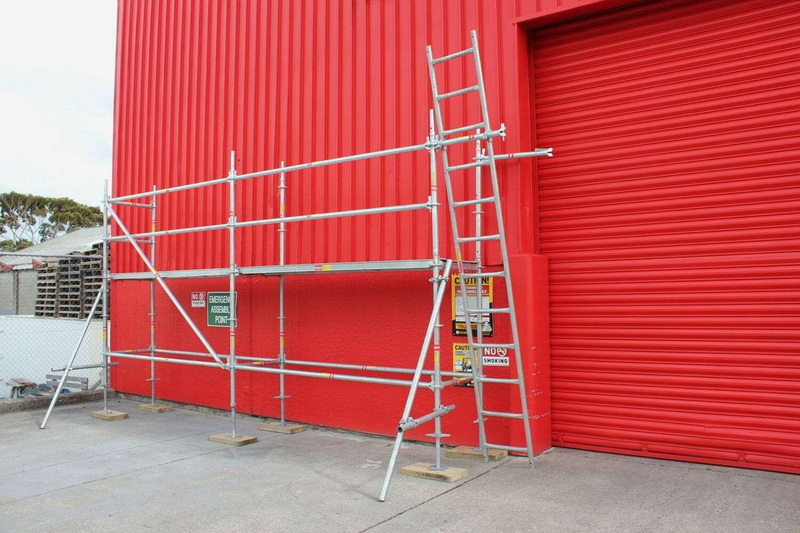
Ringlock scaffolding is known for its robustness and ease of use. It consists of a few key components, including standards, ledgers, diagonal braces, and base plates. These components are designed to provide a stable and secure working platform. The system is favored for its ability to support heavy loads and its adaptability to different site conditions.
Key Components of Ringlock Scaffolding
- Standards: These are the vertical posts that form the main structure of the scaffold.
- Ledgers: Horizontal beams that connect the standards and provide support for the working platform.
- Diagonal Braces: These ensure the stability of the scaffold by providing additional structural support.
- Base Plates: These are used to distribute the weight of the scaffold evenly on the ground.
Safety Considerations
Before assembling Ringlock scaffolding in New Zealand, it is crucial to consider safety. This includes ensuring that all personnel involved are trained and competent, conducting thorough site inspections, and performing risk assessments to identify potential hazards.
Safety Regulations in New Zealand
New Zealand's safety regulations are outlined by WorkSafe New Zealand under the Health and Safety at Work Act 2015. It is essential to comply with these regulations to ensure a safe working environment. For instance, scaffolding over 5 meters must be erected by a certified scaffolder, and WorkSafe NZ must be notified in advance for high-risk projects[4].
Personal Protective Equipment (PPE)
When handling Ringlock scaffolding, workers should wear appropriate PPE, including hard hats, safety glasses, steel toe boots, and gloves[3].
Assembly of Ringlock Scaffolding
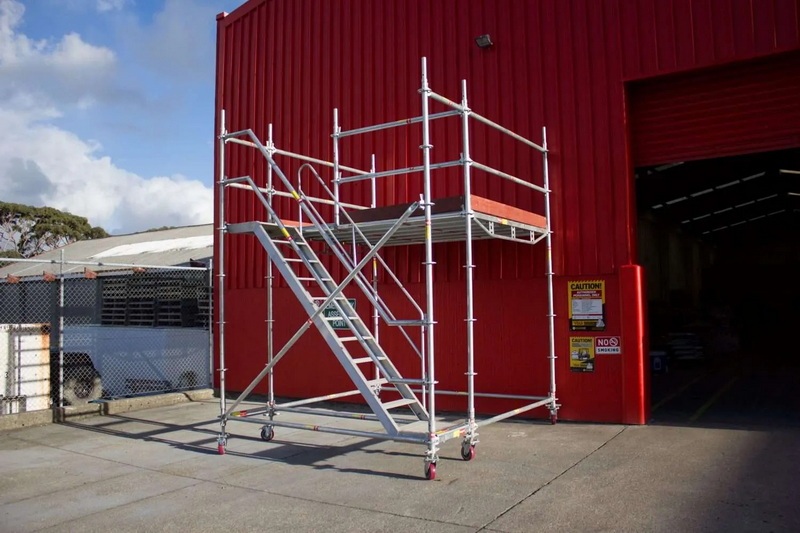
Assembling Ringlock scaffolding involves several steps that must be followed carefully to ensure safety and stability.
Step-by-Step Assembly Guide
1. Safety Check: Ensure all necessary safety measures are in place, including personal protective equipment (PPE) for workers.
2. Site Preparation: Clear the work area and ensure the ground is stable and level.
3. Base Assembly: Lay out base plates and insert vertical standards into them. Secure the standards in place.
4. Ledgers & U Transoms: Connect ledgers to the standards using U transoms.
5. Diagonal Bracing: Install diagonal braces to ensure stability.
6. Platform Installation: Place planks or boards on the ledgers to create the working platform.
Dismantling Ringlock Scaffolding
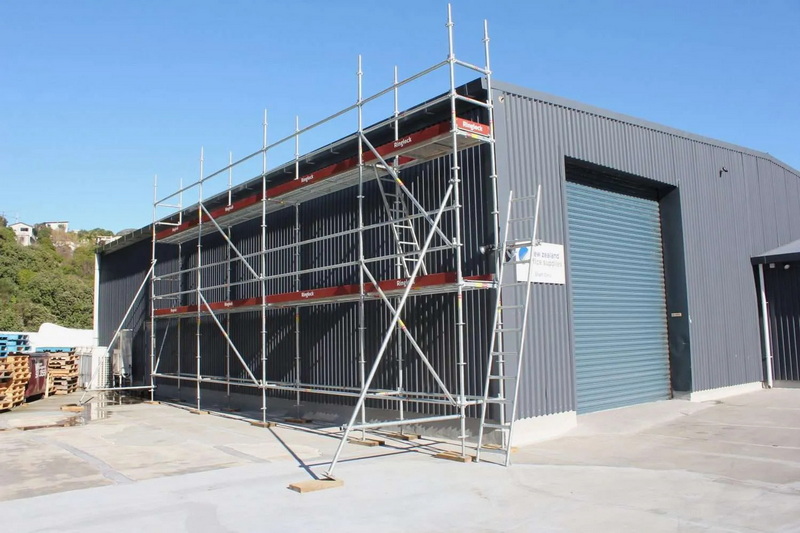
Dismantling the scaffold should be done in the reverse order of assembly. It is crucial to ensure that all workers are clear of the scaffolding before starting the disassembly process.
Step-by-Step Dismantling Guide
1. Clear the Platform: Remove all planks and boards from the ledgers.
2. Remove Diagonal Braces: Take out the diagonal braces to reduce the scaffold's stability.
3. Disconnect Ledgers: Remove ledgers from the standards.
4. Lower Standards: Carefully lower the vertical standards to the ground.
5. Remove Base Plates: Finally, remove the base plates from the ground.
Safety Precautions During Dismantling
- Layer-by-Layer Disassembly: Dismantle the scaffold layer by layer to maintain stability[1].
- Prohibited Area: Establish a prohibited area during dismantling to prevent unauthorized access[1].
- Teamwork: Ensure that dismantling is done by a team of at least two people to prevent accidents[1].
Compliance with New Zealand Regulations
To comply with New Zealand's scaffolding regulations, it is essential to follow guidelines set by WorkSafe NZ and Scaffolding, Access & Rigging NZ (SARNZ). This includes obtaining a Scaffolding Certificate of Competency for scaffolds over 5 meters and notifying WorkSafe NZ for high-risk projects[4].
Benefits of Ringlock Scaffolding
Ringlock scaffolding offers several benefits, including quick assembly and disassembly, high stability, and adaptability to different site conditions. It is also durable and requires less maintenance, making it a cost-effective option for construction projects.
Conclusion
Assembling and dismantling Ringlock scaffolding in New Zealand requires careful attention to safety and compliance with local regulations. By following the steps outlined in this guide and ensuring that all personnel are trained and competent, you can ensure a safe and efficient scaffolding process.
FAQ
1. What are the key components of Ringlock scaffolding?
The key components of Ringlock scaffolding include standards, ledgers, diagonal braces, and base plates. These components work together to provide a stable and secure working platform.
2. What safety regulations must be followed in New Zealand?
In New Zealand, scaffolding must comply with regulations outlined by WorkSafe New Zealand under the Health and Safety at Work Act 2015. This includes ensuring that all personnel are trained and competent and conducting thorough site inspections[2][4].
3. How often should scaffolding be inspected?
Scaffolding should be regularly inspected to ensure it remains safe and compliant. Inspection tags can help track when and who inspected the scaffold. Regular inspections are crucial for maintaining safety standards[5].
4. What are the benefits of using Ringlock scaffolding?
Ringlock scaffolding offers several benefits, including quick assembly and disassembly, high stability, and adaptability to different site conditions. It is also durable and requires less maintenance, making it a cost-effective option for construction projects[7].
5. Can Ringlock scaffolding be used for heavy loads?
Yes, Ringlock scaffolding is designed to support heavy loads, making it suitable for a variety of construction and maintenance projects. It is essential to ensure that the scaffold is properly assembled and secured to handle the intended load[6].
Citations:
[1] https://www.adtoscaffold.com/new/how_should_a_ringlock_scaffolding_be_dismantled.html
[2] https://www.ringlock.co.nz/safety-considerations-when-setting-up-ringlock/
[3] https://scaffoldme.co.nz/wp-content/uploads/2019/09/ScaffoldMe-Ringlock-Scaffold-System-Rev3.pdf
[4] https://www.kingkongscaffold.co.nz/blog/post/142164/the-essential-guide-to-scaffolding-regulations-in-new-zealand-what-every-contractor-must-know/
[5] https://www.ringlock.co.nz/setting-up-ringlock-scaffolding-including-best-practice-summary/
[6] https://apacsafety.com/ringlock-standard/
[7] https://www.doka.com/en/system-groups/doka-working-scaffold-systems/working-scaffolds/ringlock/ringlock
[8] https://www.doka.com/me/system-groups/doka-working-scaffold-systems/working-scaffolds/ringlock/ringlock