Content Menu
● Introduction
● Scaffold Stair Tower Overview
● Safety Precautions
● Tools and Materials Needed
● Step-by-Step Assembly Guide
>> Site Preparation
>> Assembling the Base Section
>> Installing the First Stair Section
>> Building the Middle Sections
>> Completing the Top Section
● Common Mistakes to Avoid
● Maintenance and Inspection
● Additional Benefits of Using Scaffold Stair Towers
● Environmental Considerations
● Training and Certification
● Conclusion
● FAQ
>> 1. What is the maximum height for a scaffold stair tower?
>> 2. Can I move a scaffold stair tower while assembled?
>> 3. Are scaffold stair towers suitable for indoor and outdoor use?
>> 4. How often should I inspect my scaffold stair tower?
>> 5. What safety features are mandatory on a scaffold stair tower?
Building a scaffold stair tower is a critical skill for construction professionals and DIY enthusiasts working at height. A well-constructed stair tower ensures safe, efficient access to elevated work areas, supports material transport, and complies with stringent safety standards.
Introduction
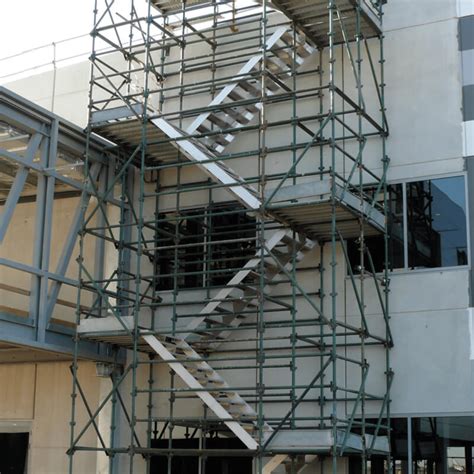
A scaffold stair tower is a modular structure that provides secure, temporary access to elevated areas on construction sites, industrial facilities, or during building maintenance. Unlike ladders, stair towers offer greater stability, ergonomic movement, and the ability to transport materials safely.
Scaffold Stair Tower Overview
Definition:
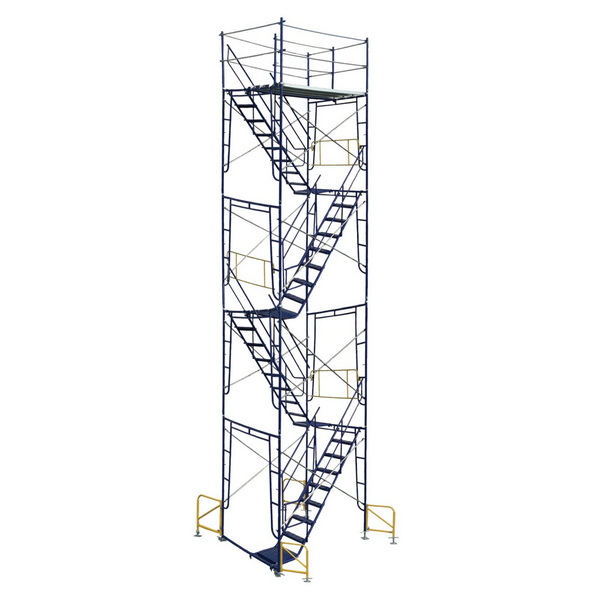
A scaffold stair tower is a vertical assembly of scaffold frames, stairs, platforms, and guardrails designed to allow workers to ascend and descend safely between different levels of a job site.
Key Components:
- Scaffold frames (walk-through or modular)
- Stair units with handrails
- Platforms (walkboards)
- Cross braces and diagonal braces
- Guardrails and toe boards
- Leveling jacks or casters
- Outriggers (for stability)
- Coupling pins, locking pins, and snap pins
Typical Applications:
- Access for multi-story building construction
- Bridge and industrial maintenance
- Temporary public access or emergency egress
- Material transport between levels
Safety Precautions
> Always prioritize safety. Refer to OSHA or local regulations, use proper PPE, and ensure only competent personnel assemble the tower.
- Conduct a risk assessment before assembly.
- Inspect all components for damage or defects.
- Ensure ground is firm, level, and free of obstructions.
- Never exceed the manufacturer's recommended height or load.
- Use guardrails, toe boards, and secure all connections.
- Avoid assembly in inclement weather (strong winds, heavy rain).
- Always follow the manufacturer's manual.
Tools and Materials Needed
- Complete scaffold stair tower kit (frames, stairs, platforms, braces, guardrails, etc.)
- Leveling jacks or casters
- Wrenches, socket set, or spanners
- Hammer or mallet
- Measuring tape and level
- PPE: hard hat, gloves, safety boots, high-visibility vest
Step-by-Step Assembly Guide
Site Preparation
1. Select Location:
Choose a stable, level area free from overhead hazards (e.g., power lines).
2. Ground Preparation:
- For soft surfaces, use mud sills under the base plates.
- For rolling towers, ensure the path is level and clear.
3. Component Inspection:
- Check all parts for cracks, corrosion, or missing pieces.
- Replace any damaged components before proceeding.
Assembling the Base Section
1. Set Leveling Jacks or Casters:
- Place jacks or casters at each corner of the base frames.
- Adjust for a level foundation.
2. Install Base Frames:
- Position the first set of walk-through frames upright.
- Attach cross braces diagonally between frames for stability.
3. Add Platform Rests:
- Install stair platform rests as specified by the manufacturer.
4. Level the Base:
- Use a spirit level to ensure the base is perfectly horizontal.
5. Attach Outriggers (if required):
- Secure outriggers to the base for additional stability, especially for tall towers or uneven surfaces.
Installing the First Stair Section
1. Position the First Stair Unit:
- Place the bottom end of the stair section onto the platform rest, then set the top end onto the frame.
- Secure with lock nuts and bolts or snap pins.
2. Attach Handrails:
- Install the outside (larger) handrail first, followed by the inside handrail.
- Secure with snap pins or locking mechanisms for safety.
Building the Middle Sections
1. Calculate Number of Middle Sections:
- Subtract 13 ft from desired tower height, then divide by 6.5 to determine the number of middle sections needed.
2. Add Next Frame Section:
- Place a hinged walkboard above the first stair section.
- Stack the next set of frames on top, securing with coupling pins and hinge pins.
- Attach cross braces for rigidity.
3. Install Next Stair Section:
- Place the next stair unit on the opposite side for a zig-zag pattern.
- Secure handrails as before.
- Move the hinged walkboard up to the new level.
4. Tie to Structure (if required):
- For towers 3–4 sections high, tie the scaffold to a permanent structure or wall every third or fourth section for stability.
Completing the Top Section
1. Install Top Platform:
- Place a second walkboard beside the hinged walkboard to form a solid working surface.
2. Add Guardrails:
- Attach end panels, then side panels, securing all with hinge pins or locking mechanisms.
- Fit toe boards around the platform to prevent tools or materials from falling.
3. Final Checks:
- Ensure all connections are secure.
- Re-check the level and stability of the entire tower.
- Confirm all safety features (handrails, guardrails, toe boards) are properly installed.

Common Mistakes to Avoid
- Failing to level the base, leading to instability.
- Using damaged or missing components.
- Skipping guardrails or toe boards.
- Not securing the tower to a structure when required.
- Overloading the platform beyond its rated capacity.
- Moving the tower while workers are on it or when the height exceeds safe limits.
Maintenance and Inspection
- Inspect the scaffold tower before each use for loose connections, corrosion, or damage.
- Clean all components to prevent debris buildup.
- Replace worn or damaged parts immediately.
- Store components in a dry, secure area when not in use.
Additional Benefits of Using Scaffold Stair Towers
Scaffold stair towers not only provide safe access but also improve workflow efficiency on construction sites. They reduce the time workers spend climbing ladders and carrying materials, which can significantly enhance productivity. Moreover, stair towers can be customized with additional safety features such as non-slip treads and weather-resistant coatings to suit various environmental conditions.
Environmental Considerations
When constructing scaffold stair towers, it is important to consider the environmental impact. Using recyclable materials and ensuring proper disposal of damaged components can contribute to sustainable construction practices. Additionally, choosing lightweight aluminum components can reduce transportation emissions and ease assembly.
Training and Certification
Proper training and certification for personnel assembling and using scaffold stair towers are essential. Many regions require workers to complete safety courses and obtain certification to ensure they understand the risks and proper procedures associated with scaffold use.
Conclusion
Constructing a scaffold stair tower is a systematic process that demands attention to detail, adherence to safety standards, and the use of quality materials. By following this guide, you can ensure your stair tower is safe, stable, and compliant, providing reliable access for your team. Always consult the manufacturer's manual and local regulations, and never compromise on safety.
FAQ
1. What is the maximum height for a scaffold stair tower?
The maximum height depends on the manufacturer and local regulations. Typically, towers can go up to 33 feet or more, but must be tied to a structure at specified intervals for stability.
2. Can I move a scaffold stair tower while assembled?
Rolling stair towers can be moved, but only when the height is below 4 meters, the ground is level, and no one is on the tower. Always lock casters before use.
3. Are scaffold stair towers suitable for indoor and outdoor use?
Yes, scaffold stair towers are designed for both indoor and outdoor applications. Use mud sills for soft outdoor surfaces and ensure weather conditions are safe for assembly and use.
4. How often should I inspect my scaffold stair tower?
Inspect before each use and after any incident or severe weather. Regular maintenance and prompt replacement of damaged parts are essential for safety.
5. What safety features are mandatory on a scaffold stair tower?
Mandatory features include guardrails, toe boards, secure handrails, stable platforms, and proper bracing. Always adhere to OSHA or local safety requirements.