Content Menu
● What Is a Scaffold Tower?
● Types of Scaffold Towers
● Essential Tools and Materials
● Safety Precautions and Regulations
● Key Safety Measures
● Step-by-Step Guide to Building a Scaffold Tower
>> 1. Site Preparation
>> 2. Gather and Inspect Components
>> 3. Assemble the Base
>> 4. Attach the First Set of Frames and Cross Braces
>> 5. Level the Base
>> 6. Install the First Platform
>> 7. Add Additional Frames and Braces
>> 8. Install Intermediate and Top Platforms
>> 9. Fit Guardrail Posts and Guardrails
>> 10. Attach Stabilizers or Outriggers
>> 11. Final Inspection
● Common Mistakes and Troubleshooting
>> Common Errors
>> Troubleshooting Tips
● Maintenance and Inspection
● Advanced Tips for Scaffold Tower Assembly
● Scaffold Tower Use Cases and Best Practices
>> Residential Projects
>> Commercial and Industrial Projects
>> Outdoor Work
>> Best Practices
● Innovations in Scaffold Tower Design
● Conclusion
● FAQ
>> 1. How do I choose the right scaffold tower for my project?
>> 2. What are the most important safety checks before using a scaffold tower?
>> 3. Can scaffold towers be used outdoors?
>> 4. How often should scaffold towers be inspected?
>> 5. What should I do if the scaffold tower becomes unstable?
Scaffold towers are essential for safe and efficient work at height in construction, maintenance, and renovation projects. Building a scaffold tower requires careful planning, the right materials, and strict adherence to safety protocols. This comprehensive guide will walk you through every step of the process, from site preparation to final inspection, with detailed instructions and diagrams. Whether you're a professional or a DIY enthusiast, you'll find everything you need to know to assemble a scaffold tower safely and effectively.
What Is a Scaffold Tower?
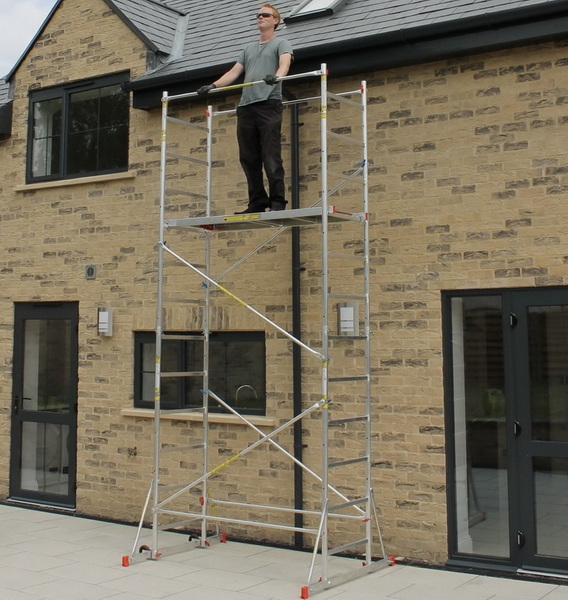
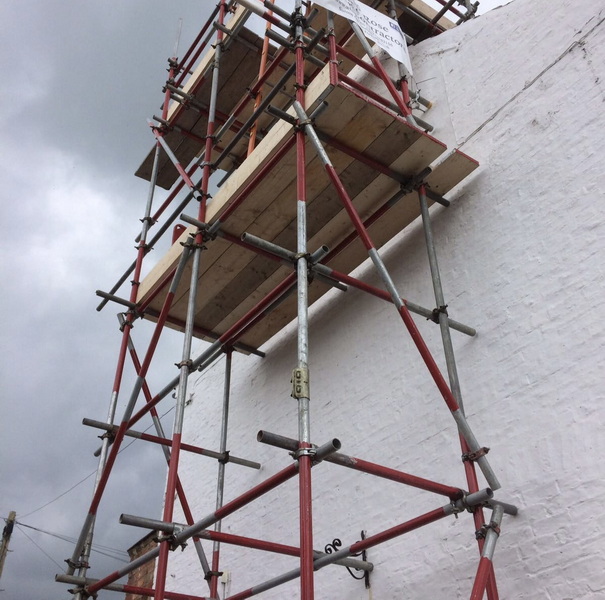
A scaffold tower, also called a mobile access tower, is a free-standing, modular structure designed to provide a stable and safe elevated platform for work at height. Unlike traditional scaffolding fixed to a building, scaffold towers are often mobile, allowing for easy repositioning and use in various locations.
Scaffold towers are widely used for painting, plastering, window cleaning, electrical work, and any task that requires secure access to elevated areas. Their modular nature means they can be assembled to various heights and configurations, making them versatile tools for both indoor and outdoor projects.
Types of Scaffold Towers
- Aluminum Scaffold Towers: Lightweight, corrosion-resistant, easy to assemble and move. Ideal for quick jobs and frequent repositioning.
- Steel Scaffold Towers: Heavier, highly durable, suitable for heavy-duty applications and longer-term projects.
- Wooden Scaffold Towers: Less common, typically custom-built for specific needs or restoration projects.
- Single Width vs. Double Width: Single width towers are narrower and fit into tight spaces, while double width towers offer more workspace for tools and materials.
- Mobile Scaffold Towers: Equipped with casters for easy movement, allowing repositioning without disassembly.
- Folding Scaffold Towers: Designed for rapid deployment and compact storage, popular for maintenance and decorating.
Essential Tools and Materials
Before starting, gather the following:
- Scaffold frames (vertical standards)
- Cross braces (horizontal and diagonal)
- Platforms or planks (with trapdoors for safe access)
- Guardrail posts and guardrails
- Toe boards
- Base plates or adjustable legs
- Casters/wheels (for mobile towers)
- Coupling pins, locking mechanisms, and gooser bars
- Stabilizers or outriggers (for added stability)
- Spirit level
- Safety gear: hard hat, gloves, high-visibility vest, non-slip shoes, safety harness
- Instruction manual for your specific tower system
Safety Precautions and Regulations
Key Safety Measures
- Risk Assessment: Conduct a thorough site inspection and risk assessment before assembly.
- Competent Personnel: Only trained, competent individuals should assemble or dismantle scaffold towers.
- Manufacturer's Instructions: Always follow the specific instructions provided by the manufacturer.
- Inspection: Check all components for damage or wear before use.
- Stable Base: Ensure the ground is firm, level, and free from obstructions.
- Weather Conditions: Do not erect or use scaffold towers in high winds, heavy rain, or icy conditions.
- Load Limits: Never exceed the maximum load rating of the tower.
- Fall Protection: Guardrails and toe boards must be installed at all working platforms.
- Personal Protective Equipment (PPE): Use helmets, non-slip footwear, gloves, and harnesses as required.
- Regulatory Compliance: Follow all relevant local regulations, such as OSHA (US), EN 1004 (Europe), or AS/NZS 1576 (Australia/New Zealand).
Step-by-Step Guide to Building a Scaffold Tower
1. Site Preparation
- Clear the area of debris, tools, and obstacles.
- Check for overhead hazards, such as power lines.
- Ensure the ground is stable and level. Use base plates or adjustable legs as needed.
- Mark out the tower footprint and ensure adequate clearance around the work area.
2. Gather and Inspect Components
- Lay out all scaffold parts and check for damage, rust, or deformation.
- Organize components for easy access during assembly.
- Ensure all locking pins, clamps, and safety devices are present and functional.
3. Assemble the Base
- For mobile towers, insert casters into the adjustable legs and lock the wheels.
- For fixed towers, use base plates and ensure they are on solid ground.
- Position the base frames parallel to each other at the correct distance.
4. Attach the First Set of Frames and Cross Braces
- Stand up the first two vertical frames.
- Attach horizontal and diagonal cross braces to connect the frames, forming a rigid rectangle.
- Double-check that all locking pins or clamps are fully engaged.
- Ensure the base is square by measuring diagonals.
5. Level the Base
- Use a spirit level to ensure the structure is perfectly level. Adjust the legs or casters as necessary.
- Install the gooser bar diagonally across the base for extra rigidity.
6. Install the First Platform
- Place the first platform or plank on the lowest rung.
- If using a trapdoor platform, ensure the trapdoor is positioned next to the ladder for safe access.
- Secure the platform with locking hooks or pins.
7. Add Additional Frames and Braces
- Stack the next set of vertical frames on top of the first set, using coupling pins for alignment.
- Attach additional cross braces as before, ensuring each level is secure before proceeding.
- Repeat for each level until you reach the desired height.
- For towers over 4 meters, install intermediate platforms every 2 meters for safe access and rest points.
8. Install Intermediate and Top Platforms
- Add platforms at required working heights.
- For tall towers, install intermediate platforms every 2 meters for safe access and rest points.
- Ensure all platforms are secured and level.
9. Fit Guardrail Posts and Guardrails
- Place guardrail posts over the coupling pins on the top level.
- Attach guardrails to the posts, securing them with flip locks or pins.
- Install mid-rails and toe boards for full fall protection.
10. Attach Stabilizers or Outriggers
- Fit stabilizers or outriggers at the base to prevent tipping, especially for towers over 3 times their base width or on uneven ground.
- Ensure rubber feet are in full contact with the ground.
- Adjust stabilizers as needed to maintain level and stability.
11. Final Inspection
- Check all connections, braces, and platforms for security.
- Inspect the tower for plumb and level.
- Ensure all safety features (guardrails, toe boards, stabilizers) are in place.
- Tag the scaffold as safe for use.
- Document the inspection as required by regulations.
Common Mistakes and Troubleshooting
Common Errors
- Skipping Risk Assessment: Increases the chance of accidents.
- Improper Base Setup: Leads to instability and potential collapse.
- Missing Guardrails/Toe Boards: Major fall hazard and a common cause of workplace injuries.
- Overloading: Exceeding weight limits can cause structural failure.
- Incorrect Bracing: Reduces tower rigidity and safety.
- Improper Use of Casters: Not locking wheels can result in tower movement during use.
- Using Damaged Components: Always replace bent, cracked, or corroded parts.
Troubleshooting Tips
- Tower Leans or Sways: Re-level the base, check all braces, and add stabilizers.
- Difficulty Assembling Components: Check for damage or incorrect parts; only use compatible components.
- Weather Hazards: Dismantle or lower the tower in high winds or storms.
- Platform Access Issues: Always use the internal ladder and trapdoor platforms for safe ascent and descent.
- Unstable Ground: Use larger base plates or spreaders, or move the tower to a firmer location.
Maintenance and Inspection
- Daily Inspections: Check the tower before each use for loose parts, damage, or missing components.
- Weekly Inspections: Required by law in many regions for towers on construction sites.
- After Adverse Events: Inspect after strong winds, impacts, or modifications.
- Documentation: Keep inspection records as required by local regulations.
- Cleaning: Remove mud, paint, or debris from components to prevent slipping and ensure proper assembly.
- Storage: Store components in a dry, secure location to prevent rust and damage.
Advanced Tips for Scaffold Tower Assembly
- Tagging System: Use a tagging system (green for safe, red for unsafe) to indicate inspection status.
- Teamwork: Always assemble scaffold towers with at least two people for safety and efficiency.
- Use of Ladders: Only use built-in ladders or access through trapdoors; never climb the outside of the tower.
- Wind Bracing: For tall towers or exposed sites, consider additional wind bracing or tie-ins to the building.
- Lighting: Ensure adequate lighting if assembling or using the tower in low-light conditions.
Scaffold Tower Use Cases and Best Practices
Residential Projects
- Painting high ceilings, repairing gutters, or installing lighting fixtures.
- Use single-width mobile towers for easy maneuverability in tight spaces.
Commercial and Industrial Projects
- Maintenance of HVAC systems, electrical wiring, or signage.
- Double-width towers provide more space for tools and multiple workers.
Outdoor Work
- Tree trimming, facade repairs, or window cleaning.
- Always use stabilizers and never exceed recommended outdoor heights.
Best Practices
- Never move a scaffold tower while someone is on it.
- Do not use boxes, ladders, or other objects on platforms to gain extra height.
- Keep platforms clear of unnecessary tools and materials to prevent tripping.
Innovations in Scaffold Tower Design
- Lightweight Composite Materials: New towers use high-strength composites for even lighter, more durable frames.
- Quick-Connect Systems: Modern towers feature tool-free assembly with color-coded components for faster, error-free setup.
- Digital Safety Features: Some towers now include load sensors and tilt alarms that alert users to unsafe conditions.
- Self-Leveling Bases: Advanced systems can automatically adjust to minor ground variations, increasing safety and efficiency.
- Robotic Assembly: Experimental towers can be assembled by robotic systems for hazardous or remote locations.
Conclusion
Building a scaffold tower is a task that demands attention to detail, safety awareness, and strict adherence to best practices. By following the step-by-step process outlined above, using the proper tools and materials, and respecting all safety regulations, you can assemble a scaffold tower that is stable, secure, and fit for purpose. Always remember: safety comes first. Never cut corners or ignore manufacturer guidelines. Regular inspections and maintenance are essential to keep your scaffold tower safe throughout its use.
FAQ
1. How do I choose the right scaffold tower for my project?
Select a tower based on the required working height, load capacity, workspace size, and whether you need mobility. Aluminum towers are ideal for light, mobile work, while steel towers suit heavy-duty tasks.
2. What are the most important safety checks before using a scaffold tower?
Ensure all braces and platforms are securely in place, the tower is level, guardrails and toe boards are installed, and stabilizers are fitted if required. Inspect for damage or missing parts before every use.
3. Can scaffold towers be used outdoors?
Yes, but extra precautions are needed. Use stabilizers or tie the tower to a structure, avoid use in strong winds or storms, and never exceed the manufacturer's height recommendations for outdoor use.
4. How often should scaffold towers be inspected?
Inspect before each use, after any incident (like wind or impact), and at least every 7 days on construction sites. Keep records of all inspections as required by law.
5. What should I do if the scaffold tower becomes unstable?
Stop work immediately. Check the base for level and firmness, ensure all braces are tight, add or adjust stabilizers, and do not use the tower until it is stable and safe.