Content Menu
● What Is a Wood Scaffold Tower?
● Materials and Tools Needed
>> Essential Materials
>> Tools Required
● Step 1: Design and Planning
● Step 2: Cutting Timber to Size
● Step 3: Assembling the Frame
>> Attaching Legs and Rungs
>> Joining the Two Frames
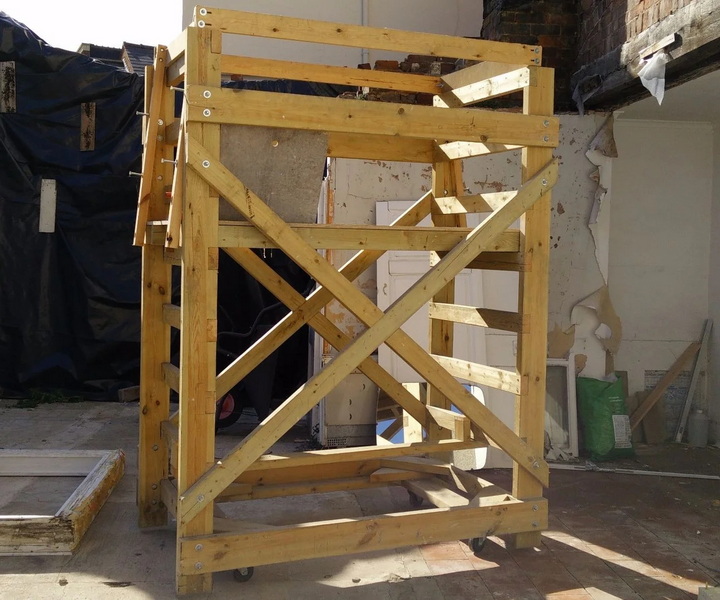
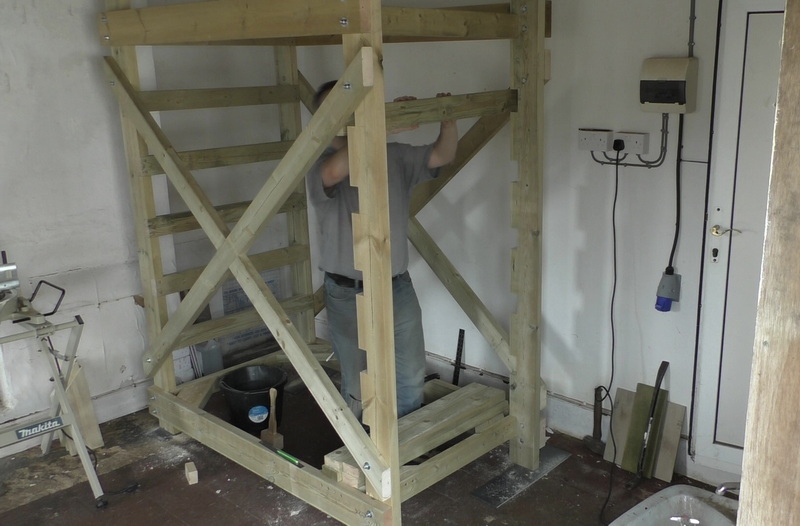
● Step 4: Adding Diagonal Bracing
● Step 5: Constructing and Installing the Platform
● Step 6: Installing Guardrails and Toe Boards
● Step 7: Adding Access Ladder
● Step 8: Final Inspection and Safety Checks
● Safety Considerations
● Maintenance Tips
● Integration With Other Scaffold Systems and Materials
● Conclusion
● FAQ
>> 1. What type of wood is best for building a scaffold tower?
>> 2. How high can a wood scaffold tower safely be built?
>> 3. How do I ensure the scaffold is stable?
>> 4. Can I use plywood for the platform?
>> 5. Is it safe to build a wood scaffold tower without professional help?
Building a wood scaffold tower is a practical and cost-effective solution for many small to medium-scale construction, renovation, or maintenance projects. Wood scaffold towers, while less common than metal scaffolds, provide versatility and accessibility when metal systems are unavailable or unsuitable. This detailed guide covers the entire process of building a safe and sturdy wood scaffold tower, from planning and materials to assembly, safety considerations, and maintenance.
What Is a Wood Scaffold Tower?
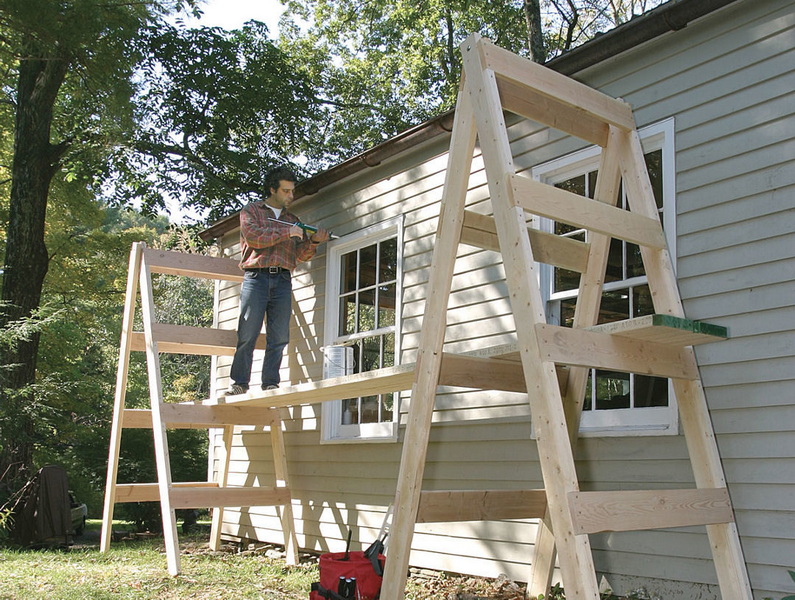
A wood scaffold tower is a temporary elevated platform constructed primarily from timber and plywood. It is designed to provide a safe working surface at height for tasks such as painting, plastering, repairs, or installations. Unlike metal scaffolds, wood scaffold towers are often built on-site using standard lumber and plywood sheets, making them accessible and customizable.
Materials and Tools Needed
Essential Materials
- Timber: Typically 2×4 or 2×6 lumber for legs, braces, and rungs.
- Plywood: For platforms and base stabilizers, ideally 18mm thick or more.
- Screws and Nails: High-quality wood screws and nails for secure fastening.
- Bolts and Washers: For strong, load-bearing joints.
- Wood Glue: To reinforce joints and improve stability.
- Bracing Timber: Additional timber pieces for diagonal bracing.
Tools Required
- Circular saw or hand saw
- Drill with drill bits (including countersink bits)
- Hammer
- Measuring tape
- Spirit level
- Clamps
- Screwdriver or impact driver
- Framing square
- Safety gear (helmet, gloves, goggles)
Step 1: Design and Planning
Before construction, create a detailed design plan. Consider:
- Height and Width: Determine the desired working height and base dimensions to ensure stability.
- Load Capacity: Design for at least four times the expected load to maintain safety margins.
- Safety Features: Plan for guardrails, toe boards, and safe access.
- Bracing: Incorporate diagonal braces to prevent lateral movement and sway.
Step 2: Cutting Timber to Size
Cut timber components according to your design:
- Legs: Four vertical pieces, equal length.
- Rungs: Horizontal pieces connecting legs for support and climbing.
- Braces: Diagonal pieces to stabilize the tower.
- Platform Supports: Horizontal beams to support the plywood platform.
Ensure cuts are precise and square using a framing square.
Step 3: Assembling the Frame
Attaching Legs and Rungs
- Lay two legs flat and position rungs at the planned heights.
- Clamp pieces securely.
- Drill pilot holes to prevent wood splitting.
- Fasten with screws and wood glue for added strength.
- Repeat for the second frame.
Joining the Two Frames
- Stand the two leg-and-rung assemblies upright.
- Connect them with horizontal rungs at the top and bottom.
- Use bolts with washers for strong, load-bearing joints.
- Check squareness and adjust if necessary.
Step 4: Adding Diagonal Bracing
Diagonal braces are essential for structural integrity.
- Attach braces at 45-degree angles between legs.
- Use long screws or bolts for secure fastening.
- Install braces on all sides for maximum stability.
Step 5: Constructing and Installing the Platform
- Cut plywood to fit the scaffold frame dimensions.
- Sand edges to prevent splinters.
- Secure plywood to platform supports with screws.
- If a trapdoor is needed, cut and hinge an opening for ladder access.
Step 6: Installing Guardrails and Toe Boards
For safety, install guardrails around the platform perimeter.
- Use sturdy timber rails at waist height.
- Attach toe boards at platform base to prevent tools or materials from falling.
- Secure all rails firmly with screws.
Step 7: Adding Access Ladder
- Build or attach a ladder for safe platform access.
- Secure ladder firmly to the scaffold.
- Use non-slip treads or coverings on ladder rungs.
Step 8: Final Inspection and Safety Checks
- Check all joints and fasteners for tightness.
- Ensure the scaffold is level using a spirit level.
- Inspect timber for cracks or defects.
- Confirm guardrails and toe boards are secure.
- Test stability by gently shaking the scaffold.
Safety Considerations
- Always wear appropriate PPE: helmet, gloves, goggles, and non-slip footwear.
- Do not exceed the designed load capacity.
- Avoid working on the scaffold in high winds or adverse weather.
- Never move the scaffold while in use.
- Regularly inspect for wear and damage.
Maintenance Tips
- Store scaffold components in a dry, covered area to prevent rot.
- Treat timber with preservative to extend life.
- Replace damaged or weakened parts immediately.
- Keep platforms clean and free of debris.
Integration With Other Scaffold Systems and Materials
While wood scaffold towers are versatile, integrating them with modern scaffold systems can enhance safety and efficiency:
- BS Standard Scaffold Tubes: Use alongside wood towers for added strength.
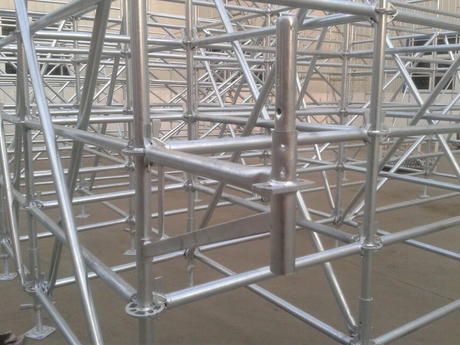
- Cuplock Scaffolding Fittings: Modular metal fittings can complement wooden structures.
- Aluminum Scaffolding Boards: Lightweight boards can replace plywood for easier handling.
- Layher Metric Allround System: Hybrid systems combining wood and metal components.
Understanding these integrations can optimize scaffold performance.
Conclusion
Building a wood scaffold tower is achievable with careful planning, quality materials, and adherence to safety standards. This guide provides the fundamental steps to construct a stable and safe scaffold tower for a variety of projects. Always prioritize safety by inspecting materials, using proper bracing, and ensuring secure platforms and guardrails. With the right approach, a wood scaffold tower can be a reliable and cost-effective solution for elevated work.
FAQ
1. What type of wood is best for building a scaffold tower?
Answer: Use strong, straight-grained hardwood or treated softwood like pine or fir. Ensure the wood is free from knots and defects.
2. How high can a wood scaffold tower safely be built?
Answer: Typically, wood scaffold towers should not exceed 2.5 to 3 meters without additional professional design and bracing.
3. How do I ensure the scaffold is stable?
Answer: Use diagonal bracing, a wide base, and secure all joints tightly. Check for level and avoid uneven ground.
4. Can I use plywood for the platform?
Answer: Yes, use thick (at least 18mm) plywood sheets that are strong and free from damage.
5. Is it safe to build a wood scaffold tower without professional help?
Answer: With proper planning, materials, and adherence to safety guidelines, it can be safe. However, for heights over 3 meters or complex projects, consult a professional.