Content Menu
● Introduction to A-Frame Scaffolding
● Advantages of A-Frame Scaffolding
● Components of A-Frame Scaffolding
● Materials Needed
● Step-by-Step Guide to Building A-Frame Scaffolding
>> Step 1: Plan Your Scaffolding Layout
>> Step 2: Gather Necessary Materials and Tools
>> Step 3: Assemble the Legs
>> Step 4: Add Crossbars and Spacers
>> Step 5: Connect the Legs
>> Step 6: Add the Platform
● Safety Considerations
● Additional Safety Tips
● Advanced Frame Scaffolding Techniques
● Components of Frame Scaffolding
● Step-by-Step Guide to Building Frame Scaffolding
>> Step 1: Plan Your Scaffolding Layout
>> Step 2: Gather Necessary Materials and Tools
>> Step 3: Assemble the Vertical Posts (Standards)
>> Step 4: Install Horizontal Braces (Ledgers and Transoms)
>> Step 5: Add Diagonal Braces for Stability
>> Step 6: Install Platform Decks
● Conclusion
● FAQ
>> 1. What are the essential components of A-frame scaffolding?
>> 2. How do you ensure stability in A-frame scaffolding?
>> 3. What safety features should A-frame scaffolding include?
>> 4. Why is planning crucial before building A-frame scaffolding?
>> 5. What tools are necessary for assembling A-frame scaffolding?
● Citations:
Building homemade A-frame scaffolding is a cost-effective and versatile solution for various DIY projects and construction tasks. This guide will walk you through the process of constructing a safe and sturdy A-frame scaffolding system, highlighting essential components, safety considerations, and step-by-step instructions.

Introduction to A-Frame Scaffolding
A-frame scaffolding is a popular choice for both professionals and DIY enthusiasts due to its ease of assembly, portability, and versatility. It can be used for a wide range of tasks, from painting and repairing walls to supporting temporary structures.
Advantages of A-Frame Scaffolding
- Cost-Effective: Building your own A-frame scaffolding can save you money compared to renting commercial scaffolding.
- Versatile: It can be used for various tasks, such as sawhorses or temporary supports.
- Portable: A-frames are lightweight and foldable, making them easy to transport and store.
Components of A-Frame Scaffolding
A basic A-frame scaffolding consists of:
- Legs: Typically made from 2x4 lumber, these form the vertical supports.
- Crossbars: These provide additional stability and support for the platform.
- Spacers: Used to maintain the width and stability of the A-frame.
- Platform: The surface on which you stand, usually made from plywood or wooden planks.
Materials Needed
- 2x4 Lumber for legs and crossbars
- Plywood or Wooden Planks for the platform
- Carriage Bolts for connecting the legs
- Nails or Screws for assembling the frame
- Safety Harness (optional but recommended)
Step-by-Step Guide to Building A-Frame Scaffolding
Step 1: Plan Your Scaffolding Layout
Before starting, ensure you have a clear plan for your scaffolding layout. Consider the height you need to reach and the space available. It's crucial to comply with local safety regulations and industry standards.
Step 2: Gather Necessary Materials and Tools
Ensure you have all the necessary materials and tools before beginning construction. This includes a drill, saw, hammer, nails or screws, and a level to ensure the structure is properly aligned and stable.
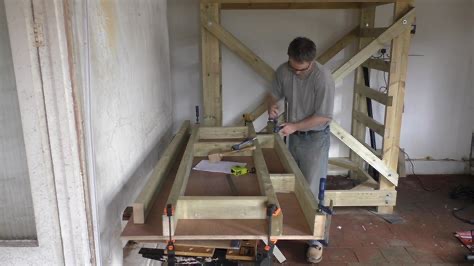
Step 3: Assemble the Legs
1. Cut the Legs: Cut four pieces of 2x4 lumber to the desired length for your A-frame legs.
2. Drill Holes: Drill holes at the top of each leg for the carriage bolts that will connect the two ladders.
3. Assemble the Legs: Use a table or plywood as a template to ensure consistency. Align one leg with the edge and snap a chalk line to mark the position of the second leg.
Step 4: Add Crossbars and Spacers
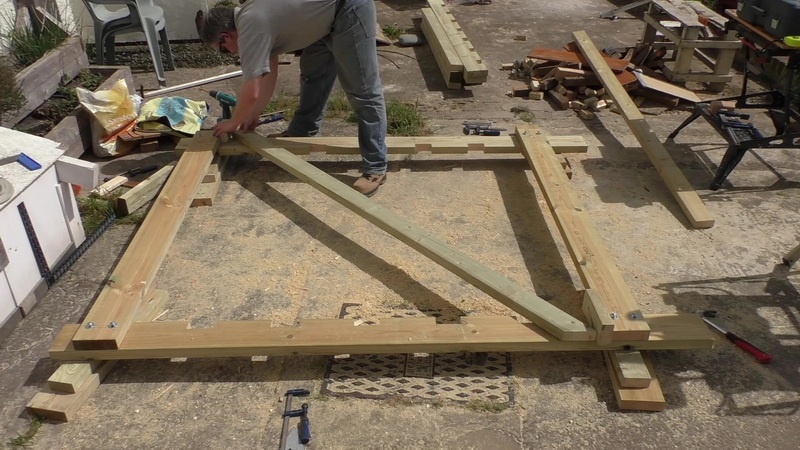
1. Cut Crossbars: Cut additional pieces of 2x4 lumber for crossbars and spacers.
2. Attach Crossbars: Use nails or screws to attach the crossbars to the legs, ensuring they are evenly spaced.
3. Add Spacers: Attach spacers between the legs to maintain the A-frame's width and stability.
Step 5: Connect the Legs
1. Use Carriage Bolts: Connect the two ladders at the top with carriage bolts, ensuring they can open and close smoothly.
2. Add Washers: Place a washer between the legs to improve the opening and closing action.
Step 6: Add the Platform
1. Cut Plywood: Cut a piece of plywood to fit between the crossbars.
2. Attach Platform: Secure the plywood platform to the crossbars using screws.
Safety Considerations
- Ensure Stability: Always check that the scaffolding is level and stable before use.
- Use Safety Harness: Consider using a safety harness when working at heights.
- Regular Inspection: Regularly inspect the scaffolding for any damage or wear.
Additional Safety Tips
1. Secure the Scaffold: If the scaffold exceeds a certain height, secure it to a substantial structure to prevent tipping[2].
2. Avoid Overloading: Never overload the scaffolding beyond its recommended capacity[8].
3. Use Proper Access: Install safe access methods such as ladders or stairways[2].
4. Protect from Weather: Use overhead canopies to protect workers from falling debris or weather conditions[8].
Advanced Frame Scaffolding Techniques
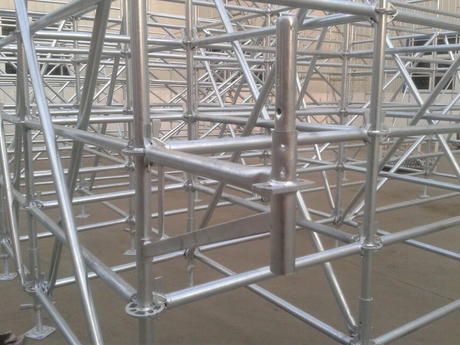
For more complex projects, you might need to construct a frame scaffolding system similar to those used in the construction industry. This involves using steel frames, cross braces, platform planks, and screw jacks.
Components of Frame Scaffolding
- Steel Frames: These are the main structural elements, providing vertical support.
- Cross Braces: These add stability by connecting the frames horizontally.
- Platform Planks: These are the surfaces on which workers stand.
- Screw Jacks: Used to adjust the height and level of the scaffold.
Step-by-Step Guide to Building Frame Scaffolding
Step 1: Plan Your Scaffolding Layout
Assess the area where the scaffolding will be erected, considering the dimensions of the structure you need to access and any potential obstacles[1].
Step 2: Gather Necessary Materials and Tools
Ensure you have all the required materials, including steel pipes or tubes for standards and ledgers, adjustable couplers, diagonal braces, platform decks, and safety nets[1].
Step 3: Assemble the Vertical Posts (Standards)
Place the vertical posts at the marked positions, ensuring they are plumb and evenly spaced. Use adjustable couplers to connect the posts at the desired heights[1].
Step 4: Install Horizontal Braces (Ledgers and Transoms)
Install the horizontal braces, ensuring they are securely attached to the vertical posts. Ledgers run parallel to the building wall, while transoms connect adjacent standards across the width of the scaffolding[3].
Step 5: Add Diagonal Braces for Stability
Diagonal braces are crucial for providing lateral stability. Install them in an 'X' pattern between adjacent standards and ledgers[3].
Step 6: Install Platform Decks
Secure the platform planks to the ledgers and transoms, ensuring they are level and stable[3].
Conclusion
Building homemade A-frame scaffolding is a practical and cost-effective way to tackle various DIY projects and construction tasks. By following these steps and ensuring safety precautions are in place, you can create a sturdy and reliable scaffolding system.
FAQ
1. What are the essential components of A-frame scaffolding?
The essential components include legs, crossbars, spacers, and a platform. These work together to provide a stable structure for working at heights.
2. How do you ensure stability in A-frame scaffolding?
Stability is ensured by using sturdy materials, ensuring the scaffolding is level, and adding crossbars and spacers to maintain structural integrity.
3. What safety features should A-frame scaffolding include?
Safety features include using a safety harness, ensuring the scaffolding is regularly inspected for damage, and always checking that it is level and stable before use.
4. Why is planning crucial before building A-frame scaffolding?
Planning is crucial to ensure that the scaffolding meets your specific needs, complies with safety regulations, and fits within the available space.
5. What tools are necessary for assembling A-frame scaffolding?
Necessary tools include a drill, saw, hammer, nails or screws, and a level to ensure the structure is properly aligned and stable.
Citations:
[1] https://www.tp-scaffold.com/amp/how-to-build-a-frame-scaffolding.html
[2] https://www.saiaonline.org/files/COSP%20for%20Frame,%20System,%20Tube%20and%20Clamp,%20and%20Rolling%20Scaffolds.pdf
[3] https://www.yueyangcz.com/new_detail/How-to-build-a-frame-scaffolding.html
[4] http://www.steelcityscaffold.com/wp-content/uploads/pdfs/pg_safety/scs_code_safe_practice.pdf
[5] https://www.unitedscaffold.ca/scaffold-news/wp-content/uploads/2019/11/scaffolding_poster_erect-pdf-en.pdf
[6] https://www.hse.gov.uk/construction/safetytopics/scaffoldinginfo.htm
[7] https://dss.net/frame-scaffolding-system/
[8] https://biljax.com/12-important-scaffolding-safety-tips