Content Menu
● Introduction to Scaffolding Beam Clamps
● Types of Scaffolding Beam Clamps
● Applications of Scaffolding Beam Clamps
● Safety Considerations
● How to Choose the Best Scaffolding Beam Clamp
● Installation and Maintenance
● Advanced Features and Innovations
● Case Studies and Examples
● Environmental Considerations
● Cost Analysis
● Conclusion
● FAQ
>> 1. What are the main types of scaffolding beam clamps?
>> 2. How do I ensure the safety of scaffolding beam clamps?
>> 3. What are the common applications of scaffolding beam clamps?
>> 4. How do I choose the right scaffolding beam clamp for my project?
>> 5. What are the benefits of using scaffolding beam clamps?
● Citations:
Choosing the right scaffolding beam clamp is crucial for ensuring safety and efficiency in construction projects. These clamps are designed to securely attach scaffolding components to structural beams, providing a stable platform for workers. In this article, we will explore the different types of scaffolding beam clamps, their applications, and how to select the best one for your project.
Introduction to Scaffolding Beam Clamps
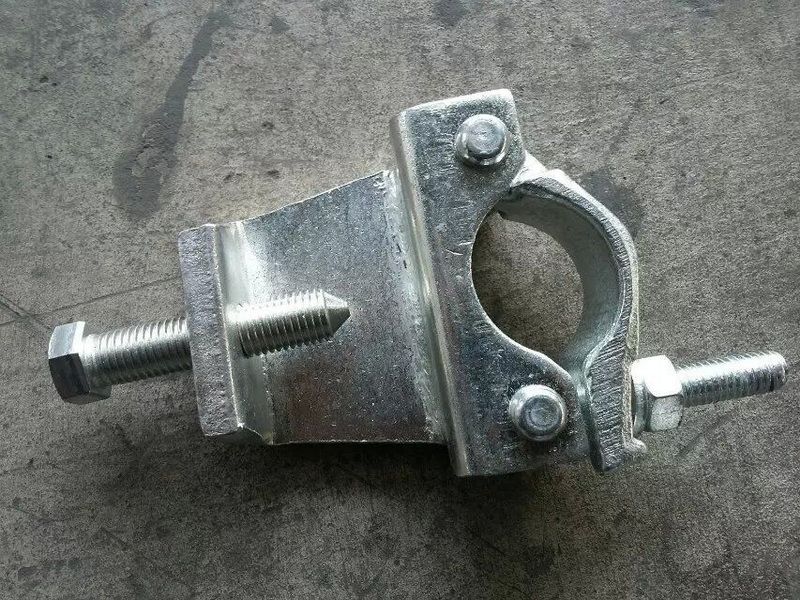
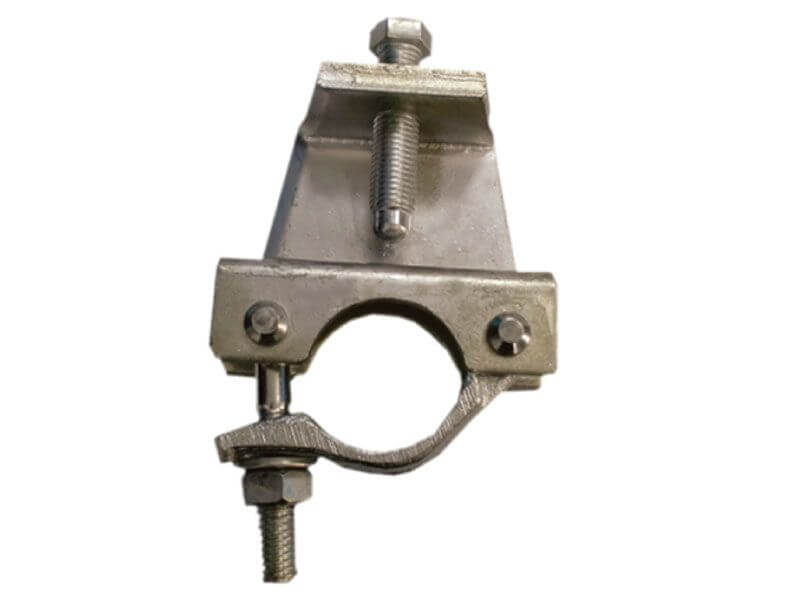
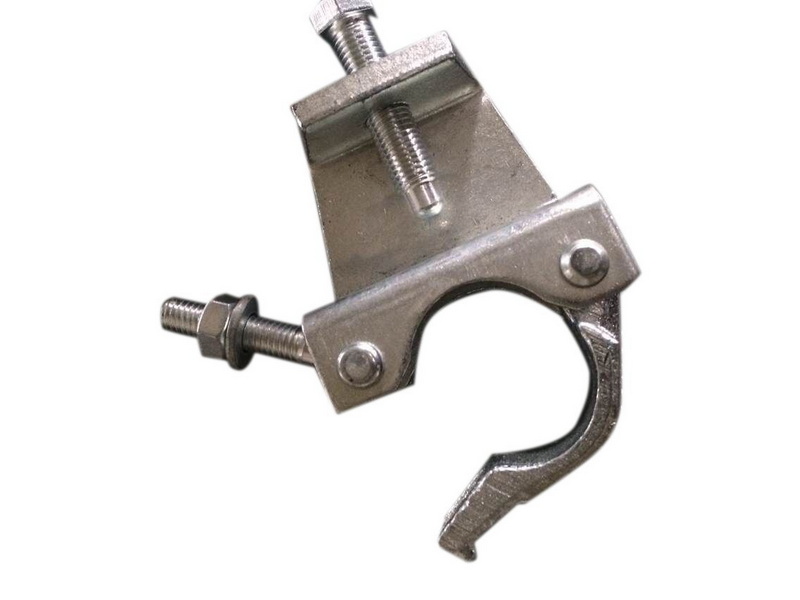
Scaffolding beam clamps are essential components in the construction industry, allowing for the safe and efficient erection of scaffolding structures. They work by firmly clamping onto beams that support structures, offering a strong foundation for scaffolding construction. These clamps typically include bolt-on connections or flexible mechanisms to accommodate various beam sizes and features.
Types of Scaffolding Beam Clamps
There are several types of scaffolding beam clamps, each designed for specific applications:
1. Fixed Jaw Beam Clamps: These clamps have a locked jaw system that provides an effective hold on beams. They are ideal for situations where the beam size remains unchanged during the erection process.
2. Swivel Jaw Beam Clamps: These clamps feature a rotating jaw mechanism, allowing them to be adjusted for different beam angles. They are excellent for use on beams with uneven angles or surfaces.
3. Adjustable Clamps: These clamps allow the gripping to be adjusted to fit various beam diameters, making them versatile for projects with different beam sizes.
4. Girder Clamps: These are specialized clamps used for connecting scaffolding to girder beams, providing a secure connection for heavy-duty applications.
5. Rigid Beam Clamps: These are commonly used to fix scaffold beams at a right angle (90 degrees) to other beams.
6. Swivel Beam Clamps: These clamps can lock scaffold beams and tubes at any angle, offering flexibility in construction.
7. Extension Beams Clamps: Designed to lock thicker flange I beams and C beams to scaffolding.
8. JIS Fixed and Swivel Beam Clamps: These follow Japanese standards and are used for right-angle and adjustable connections, respectively.
Applications of Scaffolding Beam Clamps
Scaffolding beam clamps are not only used in construction but also in various other industries for different purposes:
- Scaffolding and Temporary Structures: Beam clamps are used to connect scaffolding components securely, creating adjustable connections.
- Hanging Equipment and Fixtures: They are used to suspend lighting fixtures, electrical conduits, and HVAC equipment from overhead beams.
- Supporting Piping Systems: Beam clamps secure pipes and tubing to beams, providing reliable support for plumbing and HVAC systems.
- Rigging and Lifting Applications: Used in combination with lifting equipment to create anchor points for hoisting heavy objects.
- Stage and Theater Rigging: Commonly used to suspend lighting and audio equipment in theaters and concert venues.
Safety Considerations
When using scaffolding beam clamps, safety is paramount. Ensure that all clamps are properly installed and meet the required load capacity. Regular inspections should be conducted to ensure that the scaffolding remains stable and secure.
How to Choose the Best Scaffolding Beam Clamp
Choosing the right scaffolding beam clamp involves several factors:
1. Beam Size and Type: Ensure the clamp can accommodate the beam size and type used in your project.
2. Load Capacity: Select a clamp that meets or exceeds the weight requirements of your scaffolding and any additional loads.
3. Adjustability: Consider if you need fixed or adjustable clamps based on the beam angles and sizes involved.
4. Material and Durability: Choose clamps made from durable materials that can withstand environmental conditions.
5. Compliance with Standards: Ensure the clamps comply with local safety and construction standards.
Installation and Maintenance
Proper installation and regular maintenance of scaffolding beam clamps are crucial for ensuring safety and extending their lifespan. Always follow manufacturer guidelines for installation and maintenance.
Advanced Features and Innovations
In recent years, scaffolding beam clamps have evolved to include advanced features that enhance their functionality and safety:
- Quick-Release Mechanisms: Allow for faster installation and dismantling of scaffolding structures.
- Anti-Slip Coatings: Prevent clamps from slipping off beams, especially in wet or oily conditions.
- Corrosion Resistance: Clamps are now often made with materials that resist corrosion, extending their lifespan in harsh environments.
- Smart Sensors: Some modern clamps include sensors that monitor load stress and alert users to potential safety issues.
Case Studies and Examples
Real-world examples demonstrate the effectiveness of scaffolding beam clamps in various projects:
- Construction of High-Rise Buildings: Beam clamps were used to create stable scaffolding platforms for exterior work on skyscrapers.
- Bridge Maintenance: Adjustable beam clamps allowed for flexible scaffolding setup on uneven bridge surfaces.
- Theater Productions: Swivel beam clamps were used to hang complex lighting rigs for theatrical performances.
Environmental Considerations
When selecting scaffolding beam clamps, consider their environmental impact:
- Material Sustainability: Opt for clamps made from recyclable materials or those with minimal environmental footprint.
- Noise Reduction: Some clamps are designed to reduce noise during installation, which is beneficial in noise-sensitive areas.
Cost Analysis
While scaffolding beam clamps are essential for safety, they also impact project costs. Consider the following:
- Initial Investment: Higher-quality clamps may cost more upfront but offer better durability and safety.
- Long-Term Savings: Properly maintained clamps can reduce replacement costs over time.
- Efficiency Gains: Efficient installation and dismantling can save labor costs.
Conclusion
Scaffolding beam clamps are essential tools in construction, offering versatility and safety. By understanding the different types of clamps and their applications, you can choose the best one for your project. Always prioritize safety and compliance with local standards.
FAQ
1. What are the main types of scaffolding beam clamps?
The main types include fixed jaw, swivel jaw, adjustable, girder, rigid, swivel, extension, and JIS fixed and swivel beam clamps.
2. How do I ensure the safety of scaffolding beam clamps?
Ensure proper installation, regular inspections, and compliance with load capacity and safety standards.
3. What are the common applications of scaffolding beam clamps?
Common applications include scaffolding, hanging equipment, supporting piping systems, rigging, and stage rigging.
4. How do I choose the right scaffolding beam clamp for my project?
Consider beam size, load capacity, adjustability, material durability, and compliance with local standards.
5. What are the benefits of using scaffolding beam clamps?
Benefits include enhanced safety, efficiency in construction, and the ability to accommodate various beam sizes and angles.
Citations:
[1] https://dss.net/scaffold-beam-clamp-safety-and-efficiency-in-construction/
[2] https://www.shutterstock.com/search/beam-clamp
[3] https://patents.google.com/patent/WO2019144468A1/zh
[4] https://www.wm-scaffold.com/scaffold-beam-clamp/
[5] https://www.youtube.com/watch?v=ZWbx-Hmejog
[6] https://patents.google.com/patent/CN202280245U/en
[7] http://site.alliedbolt.com/blog/10-uses-for-beam-clamps/
[8] https://www.istockphoto.com/photos/scaffolding-clamps
[9] https://patents.google.com/patent/EP0351703A2/en
[10] https://foreverengineeringltd.com/how-many-types-of-scaffolding-clamp/
[11] https://patents.google.com/patent/WO2018148977A1/zh