Content Menu
● Understanding A-Frame Scaffolding
● Importance of Choosing the Right Planks
● Types of Scaffolding Planks
>> Wood Planks
>> Aluminum Planks
>> Steel Planks
>> Aluminum Plywood Deck Planks
● Factors to Consider When Choosing Planks
>> Load Capacity
>> Material
>> Dimensions
>> Safety Standards and Regulations
>> Environmental Factors
● Safety Tips for Using A-Frame Scaffolding Planks
● Conclusion
● FAQ
>> 1. What are the OSHA requirements for scaffold plank overlap?
>> 2. How often should scaffolding planks be inspected?
>> 3. What is the maximum load capacity for standard duty scaffolding planks?
>> 4. What type of wood is commonly used for scaffolding planks?
>> 5. Are guardrails required on scaffolding platforms?
● Citations:
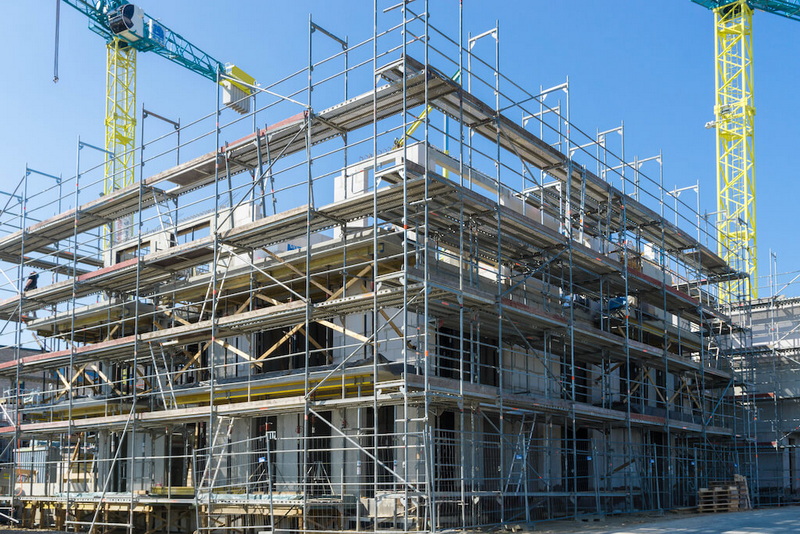
Scaffolding is indispensable in construction, maintenance, and various other industries, providing elevated platforms for workers to perform tasks safely and efficiently[5]. Among the different types of scaffolding systems, A-frame scaffolding, also known as frame scaffolding, is widely used for its versatility and ease of assembly[1]. However, the safety of scaffolding heavily relies on the quality and suitability of its components, particularly the planks that form the working surface[5]. Selecting the right A-frame scaffolding planks is crucial to ensure the safety of workers and the success of any project[5].
Understanding A-Frame Scaffolding
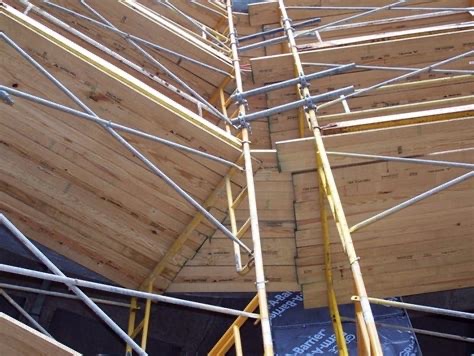
A-frame scaffolding consists of two vertical frames connected by horizontal cross braces to create a stable structure[1]. Planks are then laid across these frames to create a working platform[5]. This type of scaffolding is known for its modular design, allowing for easy assembly, disassembly, and adjustment to different heights[1]. A-frame scaffolding is commonly used in various applications, including:
- Construction: Providing access for bricklaying, painting, and other construction tasks.
- Maintenance: Allowing workers to reach high areas for repairs, cleaning, and inspections.
- Painting: Creating a stable platform for painters to work on building exteriors or interiors.
- Event Services: Setting up stages, lighting rigs, and other equipment for events.
Importance of Choosing the Right Planks
The planks used in A-frame scaffolding are a critical component that directly affects the safety and stability of the entire structure[5]. Inadequate or substandard planks can lead to accidents, injuries, and even fatalities[9]. Therefore, it is essential to carefully consider several factors when selecting scaffolding planks:
- Load-Bearing Capacity: Planks must be capable of supporting the weight of workers, tools, and materials without exceeding their maximum load capacity[8].
- Material Quality: The material used for planks should be durable, weather-resistant, and free from defects that could compromise their structural integrity[2].
- Compliance with Safety Standards: Planks must meet or exceed the safety standards and regulations set by organizations such as OSHA (Occupational Safety and Health Administration)[5].
- Proper Dimensions: Planks should be of the correct length and width to fit securely within the A-frame scaffold and provide ample working space[2].
Types of Scaffolding Planks
Wood Planks
Wood planks are a traditional and widely used option for scaffolding[2]. They are typically made from high-grade pine or other durable wood species[2]. Wood planks offer good strength and are relatively inexpensive compared to other materials[2]. However, they are susceptible to moisture damage, rot, and insect infestation[4]. Regular inspection and maintenance are crucial to ensure the safety of wood planks[7].
Advantages of Wood Planks:
- Cost-effective
- Good strength-to-weight ratio
- Readily available
Disadvantages of Wood Planks:
- Susceptible to moisture damage and rot
- Require regular inspection and maintenance
- Can be heavy and difficult to handle
Aluminum Planks
Aluminum planks are a lightweight and durable alternative to wood[2]. They are made from high-strength aluminum alloys that offer excellent resistance to corrosion and weathering. Aluminum planks are also non-combustible, making them a safer option in environments where fire hazards are present.
Advantages of Aluminum Planks:
- Lightweight and easy to handle
- Corrosion-resistant
- Non-combustible
- Long lifespan
Disadvantages of Aluminum Planks:
- More expensive than wood planks
- Can be slippery when wet
- May not be suitable for all types of scaffolding
Steel Planks
Steel planks are the strongest and most durable option for scaffolding[2]. They are made from heavy-gauge steel that can withstand significant loads and harsh conditions. Steel planks are also fire-resistant and can provide a stable working surface in demanding environments.
Advantages of Steel Planks:
- High load-bearing capacity
- Excellent durability
- Fire-resistant
- Stable working surface
Disadvantages of Steel Planks:
- Heavy and difficult to handle
- Most expensive option
- Susceptible to rust if not properly coated
Aluminum Plywood Deck Planks
Aluminum Plywood Deck planks combine the strength of aluminum with the versatility of plywood[2]. These planks feature an aluminum frame with a plywood deck, providing a lightweight and durable working surface. Aluminum Plywood Deck planks are often used in applications where a smooth, non-slip surface is required.
Advantages of Aluminum Plywood Deck Planks:
- Lightweight and durable
- Smooth, non-slip surface
- Weather-resistant
- Easy to clean
Disadvantages of Aluminum Plywood Deck Planks:
- More expensive than wood planks
- Plywood deck can be damaged by moisture
- May not be suitable for heavy-duty applications
Factors to Consider When Choosing Planks
Load Capacity
The load capacity of scaffolding planks is the maximum weight they can safely support per square foot[8]. It is crucial to select planks with a load capacity that meets or exceeds the anticipated weight of workers, tools, and materials[8]. OSHA requires that each component of a scaffold system be able to support its own weight as well as a minimum of four times the maximum intended load transmitted to its structural components[8].
Material
The material of scaffolding planks should be chosen based on the specific requirements of the job site[2]. Wood planks are suitable for light-duty applications, while aluminum and steel planks are better suited for heavy-duty tasks[2]. Aluminum Plywood Deck planks offer a good balance of strength, weight, and versatility[2].
Dimensions
The dimensions of scaffolding planks are also important to consider[2]. Planks should be of the correct length to span the distance between the A-frame scaffold frames[2]. OSHA requires a minimum overlap of 6 inches and a maximum of 18 inches for planks longer than 10 feet[4]. The width of the planks should also be sufficient to provide a safe and comfortable working surface[2].
Safety Standards and Regulations
Scaffolding planks must comply with safety standards and regulations set by organizations such as OSHA[5]. These standards specify requirements for plank material, load capacity, dimensions, and other safety-related factors[5]. It is essential to select planks that are certified to meet or exceed these standards to ensure worker safety[5].
Environmental Factors
Environmental factors such as moisture, temperature, and chemical exposure can also affect the performance and lifespan of scaffolding planks. Wood planks are susceptible to moisture damage and rot, while aluminum and steel planks are more resistant to these elements. In corrosive environments, special coatings or materials may be required to protect the planks from damage.
Safety Tips for Using A-Frame Scaffolding Planks
- Inspect planks before each use: Check for any signs of damage, such as cracks, splits, or warping[7]. Replace any damaged planks immediately[7].
- Ensure proper installation: Make sure planks are securely fastened to the A-frame scaffold frames[7]. Use appropriate fasteners and follow the manufacturer's instructions[7].
- Do not overload planks: Never exceed the maximum load capacity of the planks[7]. Distribute weight evenly across the planks to prevent overloading[7].
- Use guardrails and toe boards: Install guardrails and toe boards on all open sides of the scaffolding platform to prevent falls and protect workers from falling objects[1]. Guardrails should be 42 to 45 inches high with a mid-rail[1].
- Provide safe access: Use ladders or stairs to access the scaffolding platform[9]. Do not climb on the A-frame scaffold frames or cross braces[4].
- Wear appropriate PPE: Workers should wear appropriate personal protective equipment (PPE), such as hard hats, safety glasses, and fall protection harnesses[10].
- Follow manufacturer's instructions: Always follow the manufacturer's instructions for the assembly, use, and maintenance of A-frame scaffolding and planks[10].
Conclusion
Selecting the right A-frame scaffolding planks is paramount for ensuring worker safety and project success. By carefully considering factors such as load capacity, material quality, dimensions, and compliance with safety standards, contractors and construction professionals can choose planks that provide a safe, stable, and reliable working surface. Regularly inspecting and maintaining scaffolding planks, following safety guidelines, and providing proper training to workers are also essential steps in preventing accidents and ensuring a safe work environment.
FAQ
1. What are the OSHA requirements for scaffold plank overlap?
OSHA requires that planks greater than 10 feet long have a minimum overlap of 6 inches and a maximum overlap of 18 inches[4].
2. How often should scaffolding planks be inspected?
Scaffolding planks should be inspected before and after each use for any signs of damage or defects[7].
3. What is the maximum load capacity for standard duty scaffolding planks?
Standard duty scaffolding should hold up to 75 pounds per square foot[8]. Medium duty scaffolding holds 250 pounds per square foot, and heavy-duty scaffolding holds up to 500 pounds per square foot[8].
4. What type of wood is commonly used for scaffolding planks?
High-grade pine is commonly used for wood scaffold planks[2].
5. Are guardrails required on scaffolding platforms?
Yes, guardrails are required on all open sides of scaffolding platforms to prevent falls[1]. Guardrails should be 42 to 45 inches high with a mid-rail[1].
Citations:
[1] https://dss.net/frame-scaffolding-system/
[2] https://scaffoldingrentalandsales.com/wood-scaffold-planks-osha-boards/
[3] https://www.labour.gov.hk/eng/public/pdf/os/D/TOS_Guidance_notes_eng.pdf
[4] https://www.scafserv.com/wp-content/uploads/2021/11/A-1-Scaffold-Erect-Procesdure-Safety.pdf
[5] https://biljax.com/osha-scaffold-planks
[6] https://www.labour.gov.hk/eng/public/os/B/mss.pdf
[7] https://apacsafety.com/scaffold-planks-guide/
[8] https://scaffold.com/13-safety-features-designed-into-modern-construction-scaffolds/
[9] https://www.ihsa.ca/rtf/health_safety_manual/pdfs/equipment/Scaffolds.pdf
[10] https://www.dir.ca.gov/dosh/dosh_publications/GuideForSupportedScaffolds.pdf
[11] https://www.safework.nsw.gov.au/resource-library/scaffolding/erecting,-altering-and-dismantling-scaffolding-part-1-prefabricated-steel-modular-scaffolding
[12] https://www.usace.army.mil/Portals/2/docs/Safety/EM385-1-1%20Section%2022FINAL.pdf