Content Menu
● Introduction: The Importance of the Right Ladder for Scaffolding
● Understanding Ladder Types for Scaffolding
>> 1. Height and Reach
>> 2. Compatibility with Scaffolding
>> 3. Adjustability and Versatility
>> 4. Safety Features
>> 5. Durability and Material
>> 6. Frequency of Use
● Safety Standards and Regulations
● Compatibility and Integration with Scaffolding Systems
>> Integrated Ladder Systems
● Best Practices for Using Ladders with Scaffolding
● Maintenance and Inspection Tips
● Innovations in Ladder and Scaffold Access
● Training and Worker Education
● Environmental Considerations
● Conclusion
● FAQ
>> 1. What is the safest type of ladder for scaffolding work?
>> 2. How do I know if a ladder is compatible with my scaffolding system?
>> 3. Are there regulations about how a ladder should be used with scaffolding?
>> 4. What safety features should I look for in a ladder for scaffolding?
>> 5. How often should I inspect my ladder for scaffolding?
Selecting the right ladder for scaffolding is critical for safety, efficiency, and productivity on any construction or maintenance project. With a wide variety of ladders and scaffolding systems available, making the correct choice involves careful consideration of height, compatibility, safety features, and regulatory requirements.
Introduction: The Importance of the Right Ladder for Scaffolding
Choosing the right ladder for scaffolding is not just about convenience-it is a matter of safety and compliance. Falls from ladders and scaffolds are a leading cause of workplace injuries and fatalities. The right ladder ensures secure access to elevated work areas, reduces the risk of accidents, and helps workers perform tasks efficiently.
Before selecting a ladder, ask yourself:
- What height do I need to reach?
- What type of work will I perform?
- How often will I use the ladder?
- Is the ladder compatible with my scaffolding system?
- What safety features are essential for my environment?
Understanding Ladder Types for Scaffolding
There are several types of ladders designed for use with scaffolding. Each has unique features, benefits, and ideal applications.
| Ladder Type | Description | Best Use Case |
| Single-section Ladder | Basic, straight ladder for low heights; leans against scaffold | Quick, low-height access |
| Extension Ladder | Adjustable length, two or more sections; reaches higher platforms | High scaffolding, rooftops, tall structures |
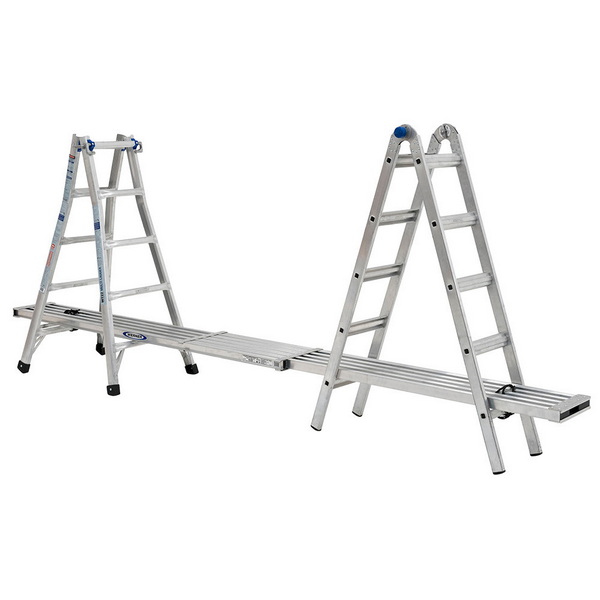
| Folding Ladder | Folds for compact storage; lightweight and portable | Limited space, frequent transport |
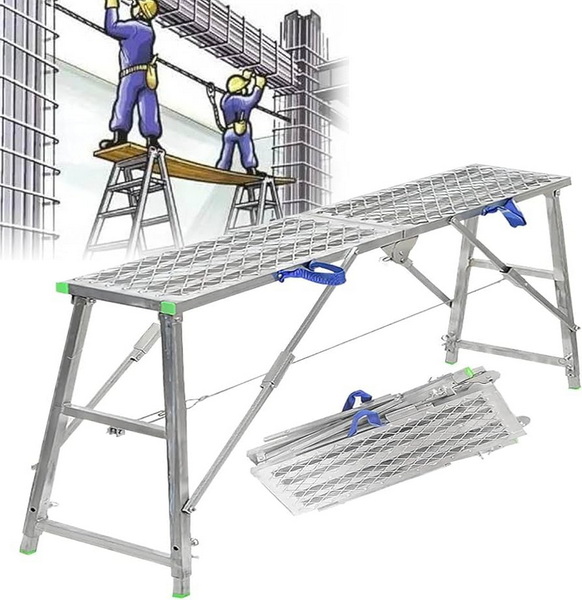
| Platform Ladder | Features a platform at the top for extended tasks | Long-duration work at one height |
| Tripod Ladder | Three-legged, stable on uneven ground | Landscaping, outdoor, or uneven terrain |
| Integrated Scaffold Ladder | Built into the scaffold frame or deck for seamless access | Permanent or semi-permanent scaffold setups |
1. Height and Reach
- Select a ladder that allows you to work comfortably at the required height without overreaching.
- For indoor work, avoid ladders that are too tall-choose a height that lets you use the platform and fall protection properly.
- For outdoor projects, extension ladders are ideal for reaching higher levels.
2. Compatibility with Scaffolding
- Ensure the ladder for scaffolding is compatible with your scaffold system.
- Look for features like hooks, brackets, or clamps that securely attach the ladder to the scaffold frame or platform.
- Integrated ladders or decks with built-in ladders offer seamless access and reduce the need for additional fittings.
3. Adjustability and Versatility
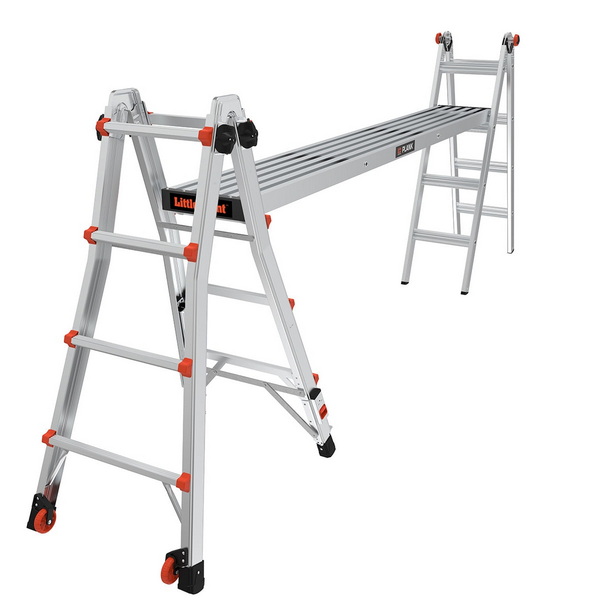
- Telescoping or extendable ladders provide flexibility for different scaffold heights and configurations.
- Folding ladders are easy to store and transport, making them ideal for mobile teams.
4. Safety Features
- Prioritize ladders with non-slip rungs, handrails, and guardrails.
- Ensure the ladder meets or exceeds local safety standards (OSHA, BS, EN).
- Verify the ladder's load rating is sufficient for workers and equipment.
5. Durability and Material
- Choose ladders made from robust materials like aluminum, fiberglass, or steel for longevity and stability.
- Weather-resistant materials are essential for outdoor use.
6. Frequency of Use
- For regular, heavy-duty use, invest in professional-grade ladders with reinforced construction.
- Occasional or light-duty tasks may be suitable for lighter, more portable ladders.
Safety Standards and Regulations
Compliance with safety standards is non-negotiable when selecting a ladder for scaffolding. Key guidelines include:
- OSHA (U.S.): Requires ladders to extend at least 3 feet above the scaffold platform if portable and mandates proper tie-off or secure attachment.
- BS1139 (UK) and EN 131 (EU): Specify requirements for ladder construction, attachment, and use with scaffolding.
- Only trained and qualified workers should use ladders on scaffolds, and all equipment must be inspected before use.
- Always follow manufacturer instructions and site-specific safety protocols.
Compatibility and Integration with Scaffolding Systems
Integrated Ladder Systems
Modern scaffolding often includes decks with integrated ladders and hatches for safe, efficient movement between levels. These systems:
- Eliminate the need for external ladders or additional fittings
- Provide stable, secure access points
- Feature tilting hatches for safe entry and exit
- Are available in fixed or collapsible designs for versatility
Best Practices for Using Ladders with Scaffolding
- Inspect Before Use: Check for damage, wear, or missing parts on both the ladder and scaffold.
- Set Up on Stable Ground: Ensure the base is level and secure; never use ladders on slippery or uneven surfaces.
- Correct Angle: For extension ladders, use a 3:1 ratio-one foot out for every three feet up.
- Secure Attachment: Tie off portable ladders at the top or use purpose-built attachable ladders with secure fittings.
- Three-Point Contact: Maintain two hands and one foot, or two feet and one hand, on the ladder at all times.
- Never Overreach: Move the ladder as needed rather than leaning dangerously to the side.
- Do Not Stand on the Top Rung: Always keep at least one rung or platform below the top for safety.
- Use Fall Protection: For heights above 10 feet, wear a harness and tie off as required by regulations.
Maintenance and Inspection Tips
Proper maintenance extends the life of your ladder for scaffolding and ensures ongoing safety:
- Clean regularly to remove dirt, debris, and moisture.
- Lubricate moving parts on folding or telescoping ladders.
- Store in a dry, sheltered area to prevent rust and material degradation.
- Inspect for cracks, bends, or loose fittings before every use.
- Replace damaged ladders or components immediately.
Innovations in Ladder and Scaffold Access
Recent advancements in ladder and scaffold technology have improved safety and efficiency:
- Integrated ladder decks with tilting hatches for seamless access.
- Snap-on frames with built-in ladders, reducing lost parts and simplifying setup.
- Lightweight, high-strength materials for easier transport and longer service life.
- Adjustable and telescoping ladders for versatile access to multiple scaffold levels.
Even experienced professionals can make mistakes when selecting or using a ladder for scaffolding. Here are some common pitfalls:
- Choosing the Wrong Height: Using a ladder that's too short or too tall can lead to unsafe working conditions.
- Ignoring Compatibility: Not all ladders fit every scaffold system. Always check compatibility before purchase.
- Neglecting Load Ratings: Overloading a ladder can cause catastrophic failure.
- Skipping Inspections: Failing to inspect ladders before use is a leading cause of accidents.
- Improper Placement: Placing ladders on unstable or uneven surfaces increases the risk of slips and falls.
- Improper Attachment: Not securing the ladder to the scaffold can lead to dangerous movement or detachment.
Training and Worker Education
Proper training is essential for anyone using a ladder for scaffolding. Workers should be educated on:
- Ladder selection and compatibility
- Safe setup and attachment procedures
- Recognizing and avoiding hazards
- Emergency response in case of ladder or scaffold failure
Many organizations offer ladder safety training programs, and manufacturers often provide instructional materials and videos.
Environmental Considerations
The environment in which you use your ladder for scaffolding can affect your choice:
- Weather Conditions: For outdoor work, select weather-resistant materials and non-slip features.
- Corrosive Environments: In chemical plants or coastal areas, opt for fiberglass or specially coated ladders to prevent corrosion.
- Electrical Hazards: Use non-conductive fiberglass ladders when working near electrical sources.
Conclusion
Choosing the right ladder for scaffolding is a critical step in ensuring workplace safety, efficiency, and compliance. By considering height, compatibility, safety features, durability, and regulatory requirements, you can select a ladder that meets your project's needs and protects your team. Regular inspection, proper maintenance, and adherence to best practices further reduce risks and maximize productivity. As technology advances, integrated and innovative ladder systems continue to make scaffolding work safer and more convenient than ever.
FAQ
1. What is the safest type of ladder for scaffolding work?
The safest type is typically an integrated scaffold ladder or a securely attached extension ladder with non-slip rungs and proper tie-offs. These ladders are designed specifically for scaffold access and meet relevant safety standards.
2. How do I know if a ladder is compatible with my scaffolding system?
Check the manufacturer's specifications for both the ladder and scaffold. Look for features such as hooks, brackets, or clamps that allow secure attachment. Integrated ladder decks are always compatible with their scaffold system.
3. Are there regulations about how a ladder should be used with scaffolding?
Yes. OSHA and other regulatory bodies require ladders to be properly secured, extend at least 3 feet above the platform (if portable), and be used only by trained personnel. Always follow local and national safety standards.
4. What safety features should I look for in a ladder for scaffolding?
Key features include non-slip rungs, handrails, guardrails, robust construction, and compliance with safety standards. Adjustable and telescoping ladders offer additional flexibility for various heights.
5. How often should I inspect my ladder for scaffolding?
Inspect your ladder before every use and periodically throughout long projects. Look for signs of damage, wear, or missing parts, and replace any faulty equipment immediately.