Content Menu
● Introduction to Cuplock Scaffolding
● Key Components of Cuplock Scaffolding
● Understanding Cuplock Scaffolding Ledger Sizes
● Factors to Consider When Choosing Ledger Sizes
● Benefits of Cuplock Scaffolding
● Applications of Cuplock Scaffolding
● Customizing Cuplock Scaffolding Ledger Sizes
● Advantages of Custom Ledger Sizes
● Safety Measures for Cuplock Scaffolding
● Advanced Techniques in Cuplock Scaffolding
>> Use of Technology in Scaffolding Design
>> Integration of Safety Features
● Environmental Considerations
● Sustainable Practices in Scaffolding
● Conclusion
● FAQ
>> 1. What are the standard sizes of cuplock scaffolding ledgers?
>> 2. How do I choose the right ledger size for my project?
>> 3. Can cuplock scaffolding be customized for unique projects?
>> 4. What safety measures should I take when using cuplock scaffolding?
>> 5. What are the benefits of using cuplock scaffolding?
● Citations:
Choosing the right ledger size for cuplock scaffolding is crucial for ensuring the stability and safety of the scaffolding system. Cuplock scaffolding is widely used in construction projects due to its versatility, ease of installation, and cost efficiency. In this article, we will explore the key factors to consider when selecting the appropriate ledger size for your cuplock scaffolding needs.
Introduction to Cuplock Scaffolding
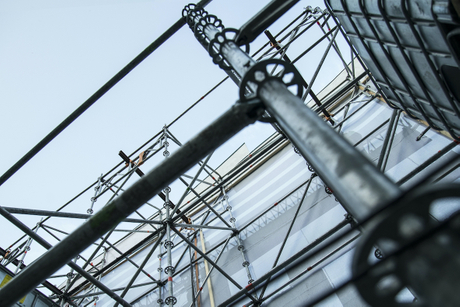
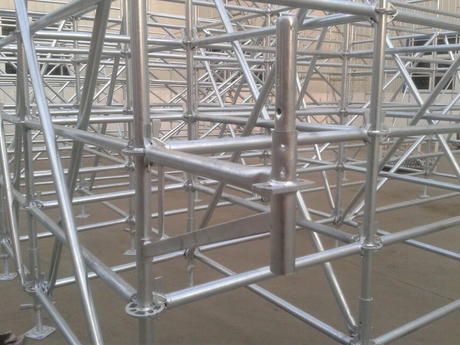
Cuplock scaffolding is a popular choice in the construction industry because of its simple yet effective design. It consists of vertical standards, horizontal ledgers, and diagonal braces that provide a stable platform for workers and materials. The system is known for its ease of assembly and disassembly, making it ideal for a variety of construction projects, including facade scaffolding, formwork support, and maintenance access.
Key Components of Cuplock Scaffolding
- Vertical Standards: These are the backbone of the cuplock system, providing the main support structure. They are typically made of steel with an outer diameter of 48.3 mm.
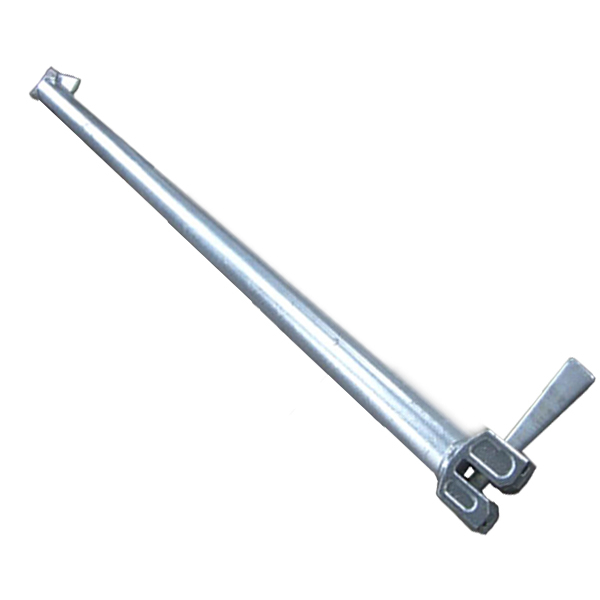
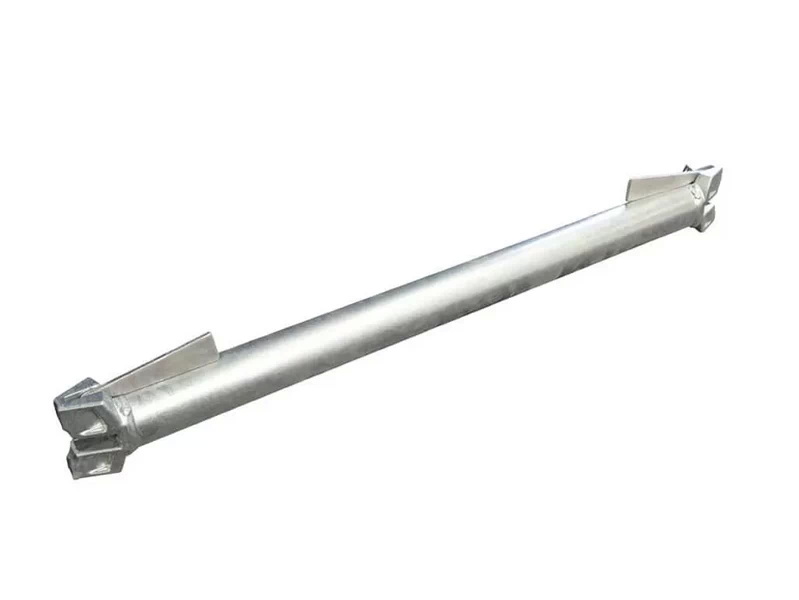
- Horizontal Ledgers: These are attached to the vertical standards and form the platform for the scaffolding. Ledger sizes vary, commonly ranging from 0.6 meters to 3.0 meters.
- Diagonal Braces: These provide additional stability to the scaffolding system.
Understanding Cuplock Scaffolding Ledger Sizes
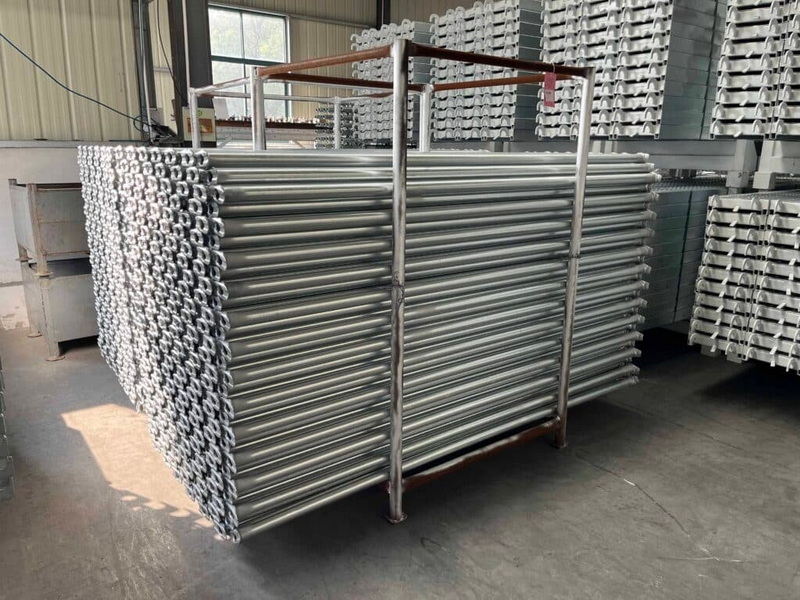
The size of the ledgers is critical in determining the width and stability of the scaffolding platform. Standard ledger sizes include 0.6 meters, 1.2 meters, 1.8 meters, and 2.4 meters. However, some manufacturers offer custom sizes to accommodate unique project requirements.
Factors to Consider When Choosing Ledger Sizes
1. Project Requirements: The size of the ledgers should match the width and length needed for the scaffolding platform. For example, if the project requires a wide platform, longer ledgers may be necessary.
2. Load Capacity: Ensure that the ledgers can support the weight of workers, equipment, and materials. Thicker ledgers or additional support may be needed for heavier loads.
3. Site Conditions: Consider any obstacles or uneven ground that may affect the scaffolding layout. Adjustable base jacks can help accommodate these conditions.
4. Safety and Compliance: Always adhere to safety standards and regulations. Ensure that all components are correctly installed and inspected regularly.
Benefits of Cuplock Scaffolding
Cuplock scaffolding offers several benefits that make it a preferred choice in the construction industry:
- Lightweight: Cuplock scaffolding is about 20% lighter than traditional scaffolding, making it easier to transport and handle on-site.
- Time and Cost Efficiency: It saves 30-50% of construction time compared to traditional systems and has a lifespan exceeding 10 years due to its hot-dip galvanized finish.
- Flexibility: It can be adapted to various construction needs, including facade scaffolding, formwork support, and mobile scaffolding systems.
Applications of Cuplock Scaffolding
Cuplock scaffolding is versatile and can be used in a wide range of applications:
- Facade Scaffolding: Ideal for exterior work on buildings.
- Formwork Support: Used to support concrete slabs and beams.
- Maintenance Access: Provides safe access for maintenance tasks.
- Stair Access and Birdcages: Used for internal and external construction projects.
Customizing Cuplock Scaffolding Ledger Sizes
While standard ledger sizes are available, some projects may require custom sizes. This is particularly useful for unique architectural designs or specialized construction projects. Manufacturers like Rapid offer customized production to meet different needs.
Advantages of Custom Ledger Sizes
- Flexibility: Custom sizes can accommodate unique project requirements.
- Efficiency: Ensures that the scaffolding system is optimized for the specific project, reducing unnecessary components.
Safety Measures for Cuplock Scaffolding
Safety is paramount when using cuplock scaffolding. Key safety measures include:
- Proper Installation: Ensure that the scaffolding is installed correctly to avoid collapses and misalignment.
- Regular Inspection: Regularly inspect the scaffolding to ensure it is in good condition and make repairs when needed.
Advanced Techniques in Cuplock Scaffolding
In recent years, advanced techniques have been developed to enhance the efficiency and safety of cuplock scaffolding systems. These include the use of specialized software for scaffolding design and the integration of safety features such as guardrails and toe boards.
Use of Technology in Scaffolding Design
- Software Tools: Utilize software to design and simulate scaffolding layouts before installation. This helps in optimizing the scaffolding structure and identifying potential safety risks.
- Virtual Reality (VR) Training: Implement VR training for scaffolding installation and safety procedures to enhance worker skills and awareness.
Integration of Safety Features
- Guardrails and Toe Boards: Ensure that all scaffolding platforms are equipped with guardrails and toe boards to prevent falls and injuries.
- Safety Nets: Use safety nets to protect workers from falling objects and debris.
Environmental Considerations
Cuplock scaffolding systems are designed to be environmentally friendly by reducing waste and minimizing the use of materials. The hot-dip galvanized finish ensures durability, reducing the need for frequent replacements.
Sustainable Practices in Scaffolding
- Material Recycling: Encourage the recycling of scaffolding components at the end of their lifespan.
- Energy Efficiency: Optimize scaffolding layouts to reduce the amount of material used, thereby reducing energy consumption during transportation and installation.
Conclusion
Choosing the right ledger size for cuplock scaffolding is essential for ensuring the stability and safety of the scaffolding system. By understanding the standard sizes available and considering project-specific requirements, you can select the most suitable ledger sizes for your construction needs. Always prioritize safety and compliance with regulations to guarantee successful project outcomes.
FAQ
1. What are the standard sizes of cuplock scaffolding ledgers?
The standard sizes of cuplock scaffolding ledgers typically range from 0.6 meters to 3.0 meters, with common sizes including 0.6 meters, 1.2 meters, 1.8 meters, and 2.4 meters.
2. How do I choose the right ledger size for my project?
To choose the right ledger size, consider the project requirements, load capacity, site conditions, and safety standards. Ensure that the ledgers can support the necessary width and weight for your scaffolding platform.
3. Can cuplock scaffolding be customized for unique projects?
Yes, cuplock scaffolding can be customized to meet specific project needs. Manufacturers offer bespoke sizes and designs to accommodate unique architectural designs or specialized construction projects.
4. What safety measures should I take when using cuplock scaffolding?
Key safety measures include proper installation, regular inspection, and adherence to safety standards. Ensure that the scaffolding is installed correctly and inspected regularly to prevent accidents.
5. What are the benefits of using cuplock scaffolding?
Cuplock scaffolding offers benefits such as being lightweight, time and cost-efficient, and highly flexible for various construction applications. It also provides a durable system with a lifespan exceeding 10 years.
Citations:
[1] https://suncorpscaffolding.com/ultimate-guide-to-cuplock-ledgers-types-benefits-applications/
[2] https://rapid-scafform.com/cuplock-scaffold/
[3] https://www.alibaba.com/showroom/cuplock-scaffolding-accessories.html
[4] https://primesteeltech.co.in/what-size-are-cuplock-scaffolds.html
[5] https://www.wm-scaffold.com/cup-lock-scaffold.html
[6] https://patents.google.com/patent/CN101323221A/en
[7] https://scaffco.com/wp-content/uploads/2020/04/07-Cuplock-System.pdf
[8] https://jumplyscaffolding.com/what-is-cuplock-scaffolding/
[9] https://www.wm-scaffold.com/cuplock-scaffolding-ledgers.html